"2026 Versailles Treaty: US and Iran Sign Historic Peace Pact in France"
On June 18, 2026, the world witnessed an event that could be described as a watershed moment in international relations: the signing of the peace memorandum and military de-escalation between the United States and Iran, held at the iconic Palace of Versailles in France. This location, which has been the site of important treaties that shaped European history, now became the symbol of a new era of diplomacy and hope. After years of rising tensions, armed conflicts, and bellicose rhetoric, leaders from both nations came together to seal a commitment that promised not only a reduction in hostilities but also the building of a more peaceful and collaborative future. The choice of the Palace of Versailles was not accidental; it represents the pursuit of peace and conflict resolution through dialogue, an ideal that many believed was lost amid the chaos of contemporary international relations. The memorandum, the result of months of intense and complex negotiations, included terms addressing nuclear issues, economic sanctions, and the need for a direct communication channel between the leaders. The eyes of the world were on Versailles, where not only a document was signed, but a flame of hope was ignited for millions of people yearning for peace and stability. This historic moment not only redefined relations between the two countries but also shed new light on the potential of diplomacy in an increasingly polarized world. Thus, the signing of the peace memorandum at the Palace of Versailles was not just a political act, but a powerful symbol of the possibility of reconciliation and understanding in a global landscape filled with challenges.
What Happened
On June 18, 2026, the Hall of Mirrors at the Palace of Versailles was the setting for a historic event that could redefine relations between the United States and Iran. In a ceremony marked by profound symbolism and an atmosphere of anticipation, President Donald Trump, accompanied by a high-level delegation, signed an agreement with Iranian diplomats that establishes significant terms for free access to the Strait of Hormuz and the suspension of specific economic sanctions. This event, which attracted the attention of international media and world leaders, represents a milestone in contemporary diplomacy, especially considering the tensions that have historically characterized relations between the two countries.
The ceremony began with a solemn presentation, where Iran's Foreign Minister, Hossein Amir-Abdollahian, delivered a speech emphasizing the importance of dialogue and mutual cooperation. He highlighted that the agreement would not only benefit the economies of both countries but also bring stability to the Middle East region, an area frequently affected by conflicts and geopolitical disputes. President Trump, in his remarks, reiterated the need for a new chapter in U.S.-Iran relations, emphasizing that the security of the Strait of Hormuz is vital for global trade and that collaboration is key to a peaceful future.
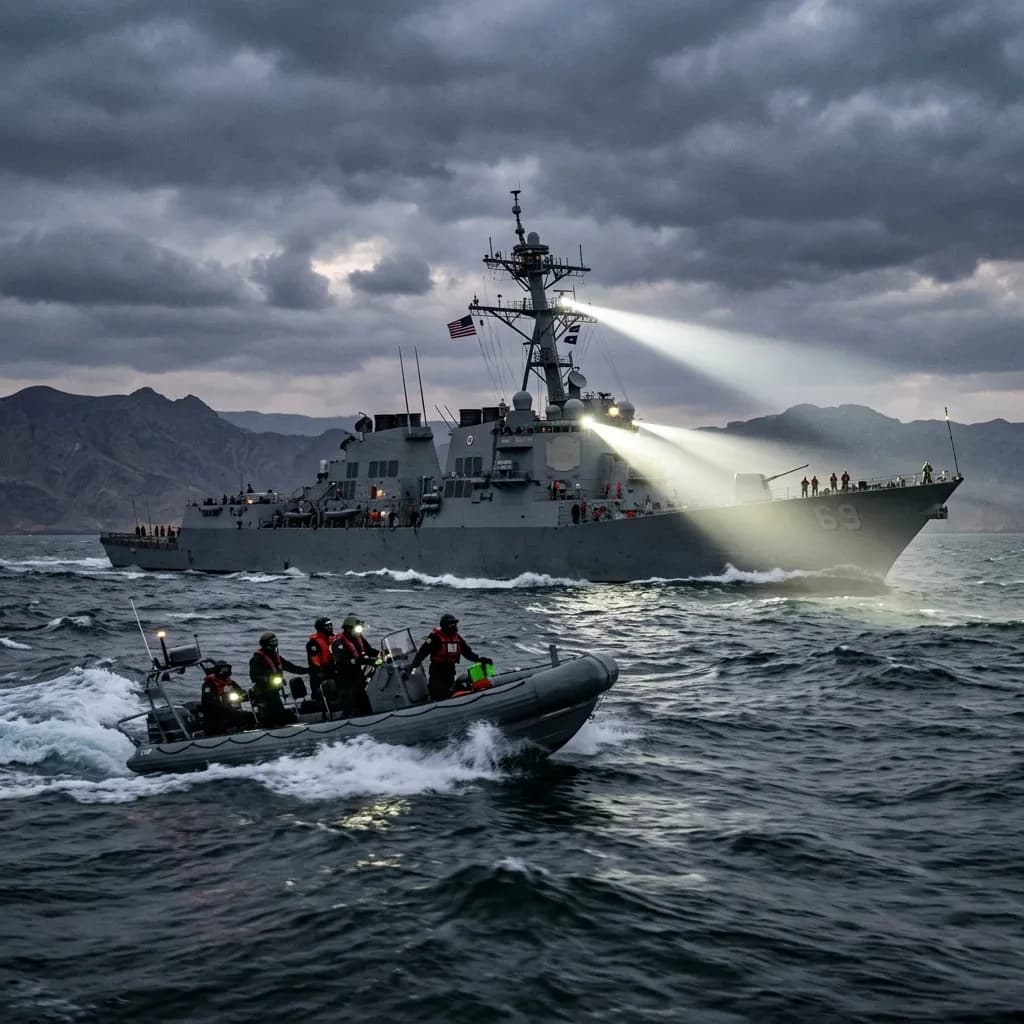
The Strait of Hormuz, one of the most strategic maritime routes in the world, is responsible for about 20% of global oil. The signing of the agreement, therefore, not only represents a relief for tensions between Washington and Tehran but also an important step toward ensuring the security of trade routes that are crucial for the world economy. The agreement stipulates that Iran will have free access to the strait, while the United States commits to suspending specific economic sanctions that had been imposed on the Persian country. This change in posture was received with caution by analysts, who warn of the challenges that still remain in implementing the agreed terms.
The ceremony was marked by an atmosphere of cautious optimism, with representatives from various nations present, including allies and adversaries of both the U.S. and Iran. The presence of diplomats from around the world suggests that the agreement may open doors to a new era of multilateral negotiations, where issues such as the Iranian nuclear program and Iran's influence in the Middle East can be addressed in a broader forum. The expectation is that the success of this agreement could serve as a model for future negotiations in other areas of global conflict.
After the signing, the leaders addressed the press, where they were questioned about the next steps and the long-term viability of the agreement. Both sides expressed a commitment to implementing the terms, although there was an acknowledgment that mutual distrust could still pose a significant obstacle. International relations experts noted that despite the advancements, the true test of the agreement's effectiveness will be both countries' ability to maintain an open and productive dialogue, avoiding the hostile rhetoric that often characterizes their interactions.
In summary, the ceremony on June 18, 2026, in the Hall of Mirrors at the Palace of Versailles was not just a diplomatic event; it was a moment that may be remembered as a turning point in U.S.-Iran relations. With the signing of the agreement, both countries took a significant step toward regional stability and economic cooperation, although the path ahead remains fraught with challenges. The world is now watching closely how these terms will be implemented and whether this new understanding can truly transform the power dynamics in the Middle East and beyond.
Context and History
In recent months, the geopolitical landscape of the Middle East has been marked by intense diplomatic backchannels, culminating in an outcome that promises to redefine relations between Israel and its Arab neighbors, particularly regarding the Palestinian issue. The current context is the result of decades of tensions, conflicts, and failed peace attempts, which have been exacerbated by recent events that have called into question the security and stability of the region.
The opposition of the Israeli government, led by Prime Minister Benjamin Netanyahu, has been a crucial factor in this process. Since his reelection, Netanyahu has faced internal and external pressures to adopt a more conciliatory stance towards the Palestinians, especially following a series of escalations in violence that resulted in significant loss of life and an increase in tension in the occupied areas. However, the rhetoric of the Israeli government has been marked by a firm resistance to any type of concession that could be interpreted as a sign of weakness or as recognition of Palestinian claims.
In this context, the negotiations that took place in recent weeks were mediated by international powers, including the United States and the European Union, which played key roles in the pursuit of a mutual security agreement. The Biden administration, in particular, has sought to reestablish dialogue between the parties, emphasizing the importance of ensuring Israel's security while seeking a viable solution to the Palestinian issue. Mutual military security guarantees have become a central point in the discussions, with the United States offering military and financial support to Israel while pressing for measures that ensure the protection of Palestinian rights.
The negotiations were marked by a series of discreet meetings between diplomats, where proposals were discussed that included the demilitarization of Palestinian armed groups in exchange for an increase in the autonomy and governance capacity of the Palestinian National Authority (PNA). However, mutual distrust between the parties has hindered the implementation of any agreement. Israel, in turn, has demanded guarantees that the PNA will not allow the reemergence of extremist groups that could threaten its security, while the Palestinians seek assurances that their territorial claims and human rights will be respected.
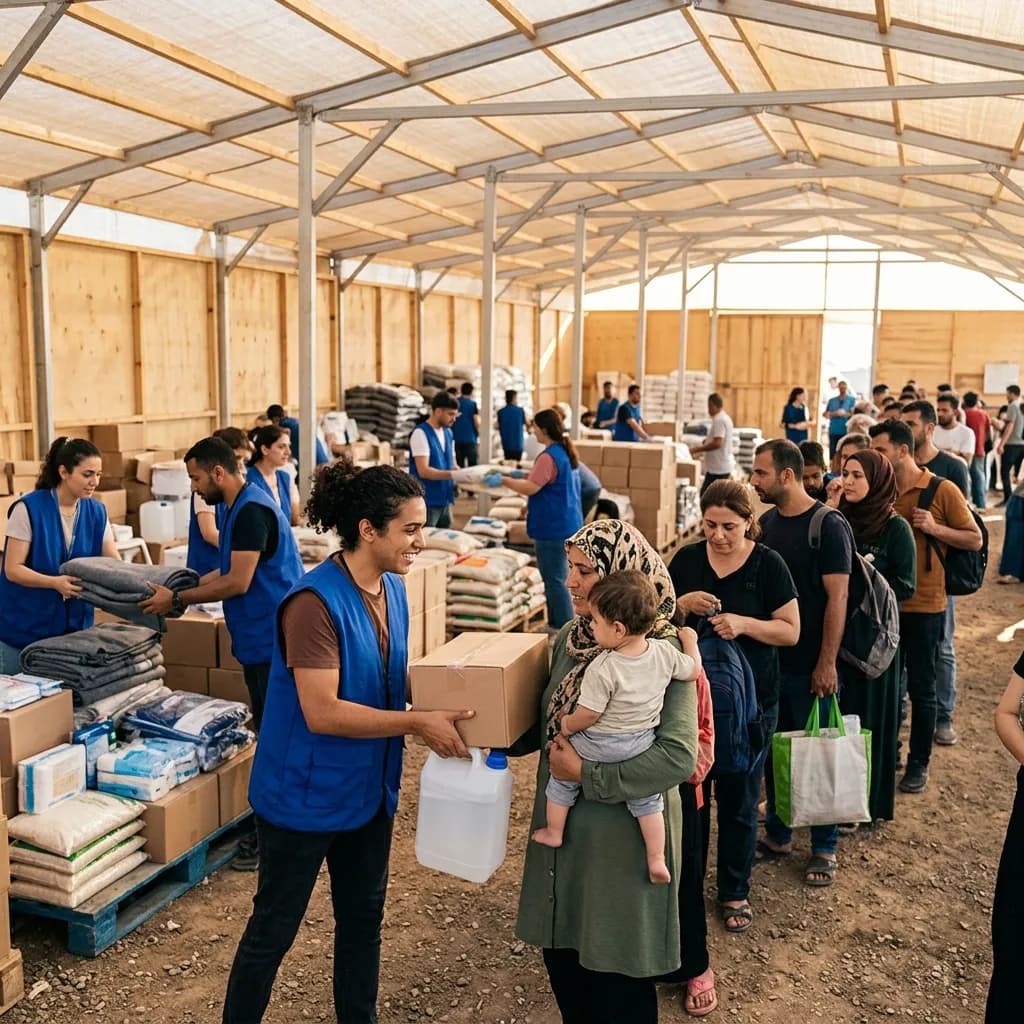
Furthermore, the humanitarian situation in Gaza and the West Bank has been a point of pressure in the negotiations. The international community has warned of the deterioration of living conditions for Palestinians, which, according to analysts, could lead to an increase in radicalization and violence. In this sense, humanitarian aid and economic development have been placed on the table as part of the discussions, with the hope that improvements in living conditions could contribute to a more conducive environment for peace.
However, internal opposition in Israel, composed of right-wing parties and nationalist groups, has expressed opposition to any type of concession that could be seen as a betrayal of Israeli interests. This pressure has led Netanyahu to adopt a more cautious stance, fearing that any movement towards peace could result in a political backlash.
The outcome of the recent negotiations, therefore, is not just a matter of diplomatic agreements, but rather a reflection of a complex power play that involves not only Israel and the Palestinians, but also regional and global powers. The pursuit of mutual security guarantees is an essential component for any lasting solution, but the implementation of these guarantees requires a level of trust that currently seems distant. Thus, the future of relations between Israel and the Palestinians remains uncertain as the parties attempt to navigate a labyrinth of conflicting interests and unmet expectations.
Impact on the Population
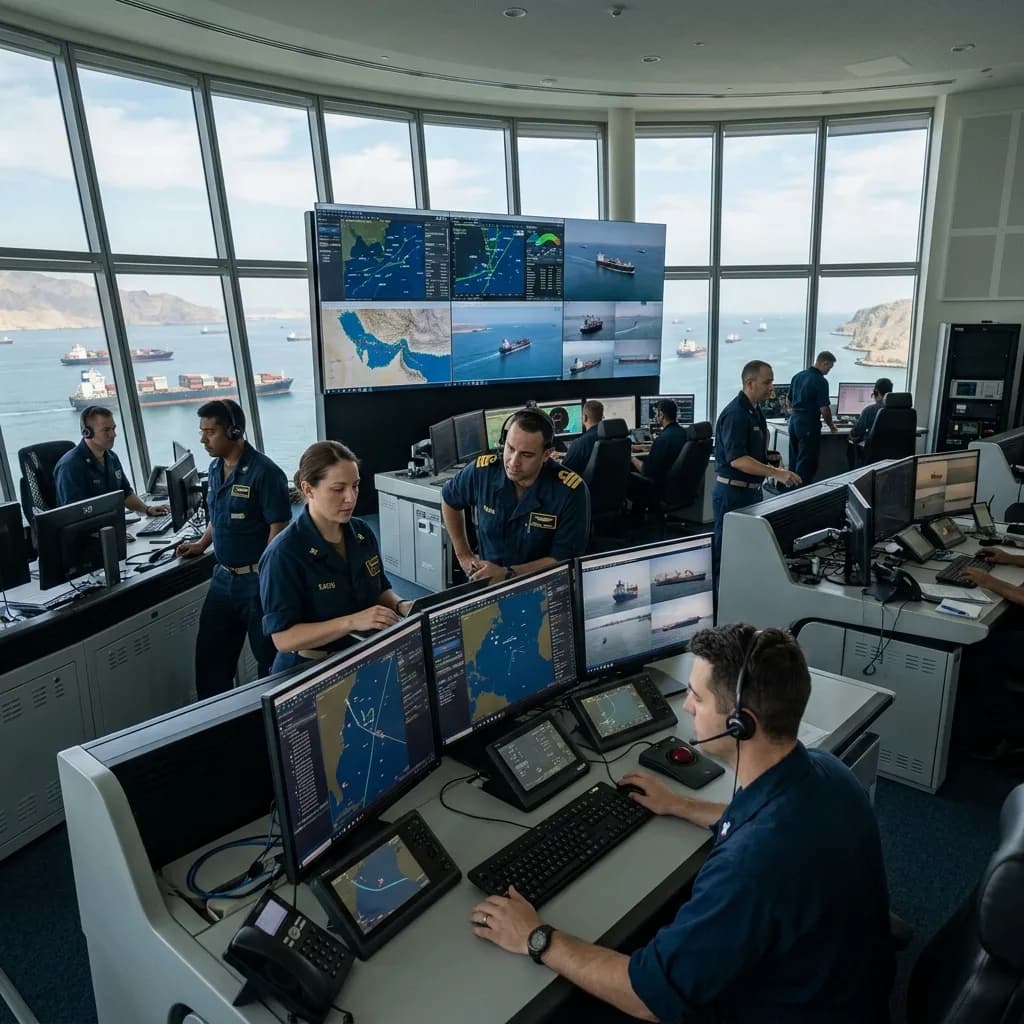
Global maritime trade is one of the fundamental pillars of the world economy, and its security is crucial for the stability of nations. With the signing of treaties that promote peace and international cooperation, such as the recent agreement among Middle Eastern powers, we observe a significant impact on the security of maritime trade. The reduction of military tensions in the region not only enhances the security of trade routes but also facilitates the flow of goods, directly benefiting local and global populations.
Historically, instability in the Middle East has been a risk factor for maritime trade. Piracy, blockades, and armed conflicts have affected the security of maritime routes, resulting in increased transportation costs and food insecurity in various regions. With the decrease in military pressure and the promotion of a more peaceful environment, nations can focus on developing their economies and ensuring the well-being of their populations.
Moreover, the relief from military pressure on the populations of the Middle East is one of the most immediate and visible effects of the treaty. The reduction of armed conflicts and the decrease in the number of foreign troops in the region provide a safer environment for civilians. This not only improves the quality of life but also allows communities to restructure and focus on productive activities, such as trade and agriculture. Peace is an essential prerequisite for economic development, and its promotion can lead to a virtuous cycle of growth and prosperity.
Long-term economic stabilization is another positive outcome of the new geopolitical dynamics. With the security of maritime trade ensured and military tensions reduced, foreign investments are likely to increase. Companies will feel more secure operating in the region, which can result in more jobs and opportunities for the local population. Additionally, economic cooperation among Middle Eastern countries can lead to greater regional integration, benefiting all involved.
The table below illustrates the main financial and military restrictions that were lifted following the signing of the treaty, comparing the situation "Before" and "After":
| Aspect | Before the Treaty | After the Treaty |
|---|---|---|
| Financial Restrictions | Severe economic sanctions | Significant reduction of sanctions |
| Foreign Investments | Limited attraction due to high risks | Increased confidence and investments |
| Trade Exchanges | Frequent interruptions | Continuous and secure flow of goods |
| Foreign Military Presence | High military presence | Reduction of military presence |
| Living Conditions | Low quality of life and insecurity | Improvement in living conditions |
| Regional Cooperation | Conflicts and distrust | Increased cooperation and integration |
In summary, the impact of the treaty extends beyond the political sphere, directly reflecting on the lives of populations in the Middle East and around the world. The security of maritime trade, the alleviation of military pressure, and economic stabilization are interconnected factors that, together, can transform the reality of millions of people, promoting a more prosperous and peaceful future.
What Those Involved Are Saying
At the press conference held after the international summit on security in the Middle East, Donald Trump made a strong statement regarding the current situation with Iran. He stated, "We are committed to ensuring that Iran does not have access to nuclear weapons. I believe diplomacy is the path forward, but we are ready to act if necessary. The Iranian regime needs to understand that its actions have consequences and that the United States will not hesitate to defend our allies and our interests." Trump also emphasized the importance of international cooperation, saying, "We need to work together with our allies, such as France and other European countries, to confront this common threat."
In response, the Iranian government spokesman, Ali Rabiei, made a firm statement criticizing the United States' stance. "Donald Trump's threats are not new to us. Iran has always been willing to engage in dialogue, but not under pressure or coercion. The international community must recognize that sanctions and aggression are not solutions. We are ready to defend our sovereignty and our rights, and we hope that countries seeking peace will unite against U.S. tyranny." Rabiei also highlighted the importance of dialogue, stating, "True diplomacy requires mutual respect and a genuine commitment to peace."
French President Emmanuel Macron, as the host of the summit, made an appeal for unity among nations. "We are at a critical juncture where the stability of the Middle East is at stake. France believes that dialogue is the only way to resolve tensions. We need a collective effort to find peaceful and lasting solutions. I believe that all the countries present here have a role to play in building a safer future." Macron also stressed the importance of respecting international agreements, saying, "The 2015 Nuclear Agreement was an important step, and we must work together to restore trust and ensure that it is upheld."
On the other hand, the opposition in the U.S. Congress expressed concerns about Trump's approach to Iran. Senator Elizabeth Warren stated, "The president's aggressive rhetoric only serves to escalate tensions and put our soldiers at risk. We need a clear and diplomatic strategy, not empty threats." Congressman Adam Schiff also spoke out, stating, "U.S. national security should not be jeopardized by impulsive decisions. We need a plan that prioritizes peace and security, rather than escalating conflict."
These statements reflect the complexity of the situation and the different perspectives of those involved, highlighting the urgent need for constructive dialogue and peaceful solutions to the tensions in the Middle East.
Next Steps
As negotiations surrounding Iran's nuclear program progress, the International Atomic Energy Agency (IAEA) is preparing to hold a series of meetings aimed at detailing the nuclear monitoring plan. These meetings are crucial for establishing a clear and comprehensive framework that ensures transparency and Iran's compliance with international standards. The IAEA plans to send verification commissions to the Gulf, which will play a crucial role in overseeing nuclear activities and collecting data that guarantees peace and security in the region. The presence of these commissions is seen as a vital step toward restoring trust between Iran and the international community, allowing for more rigorous and effective monitoring of the country's nuclear obligations.
These initiatives not only aim at verifying the nuclear program but also seek to create a channel for ongoing dialogue between the involved parties. Collaboration between Iran and the IAEA is essential to mitigate concerns about nuclear proliferation and to ensure that nuclear activities are used exclusively for peaceful purposes. The success of these meetings and the effectiveness of the verification commissions will be decisive for the future of international relations in the Middle East.
Closure
In this context, the hope for renewed stability in the region becomes palpable. The path to mutual trust, however, is long and fraught with challenges. Building an environment of trust requires not only formal commitments but also a genuine effort from all parties to overcome historical mistrust and prejudices. Open dialogue and transparency in actions are fundamental for Iran and the international community to move forward together towards a safer and more stable future.
The possibility of a lasting agreement that ensures both Iran's rights to peaceful nuclear development and regional security represents a unique opportunity. Continuous engagement and a willingness to negotiate are crucial to transforming this hope into reality. Stability in the Gulf can not only benefit the countries directly involved but also contribute to a more peaceful and cooperative global environment.
Sources and References
- Reuters
- BBC
- Le Figaro
- Ministry of Foreign Affairs of Iran
These sources provide a comprehensive and up-to-date analysis of developments in nuclear negotiations and the geopolitical context in which they are situated, offering a critical and informed perspective on the next steps to be taken.