"Border in Flames: Israel Declares Combat Zones in Southern Lebanon and Provokes Exodus"
On May 28, 2026, the border between Israel and southern Lebanon became the epicenter of an unprecedented military escalation, marked by ground and air operations that transformed the geopolitical landscape of the region. The already tense environment, characterized by decades of conflict and mutual distrust, reached a new level of hostility, with both sides mobilizing resources and troops in a show of force that resonated throughout the Middle East. The intensification of operations was triggered by a series of cross-border attacks, leading Israel to respond with a military offensive aimed at neutralizing perceived threats from armed groups in southern Lebanon. The situation quickly escalated, resulting in the declaration of new combat zones, which were seen as an attempt by Israel to establish tighter control over the region and protect its citizens from imminent attacks.
The new combat zones not only altered the military dynamics but also raised crucial questions about the safety of the civilian population and the humanitarian implications of the conflict. As operations intensified, the international community watched with concern, fearing that the escalation could lead to a broader conflict involving other regional actors and exacerbating the already fragile stability of the Middle East. In this scenario, the search for a peaceful solution seemed increasingly distant, as the voices calling for dialogue and negotiation were overshadowed by the roar of explosions and the wail of sirens. May 28, 2026, not only marked a turning point in relations between Israel and southern Lebanon but also cast a shadow over the future of peace in the region, challenging leaders and citizens to confront the reality of a conflict that seemed endless.
What Happened
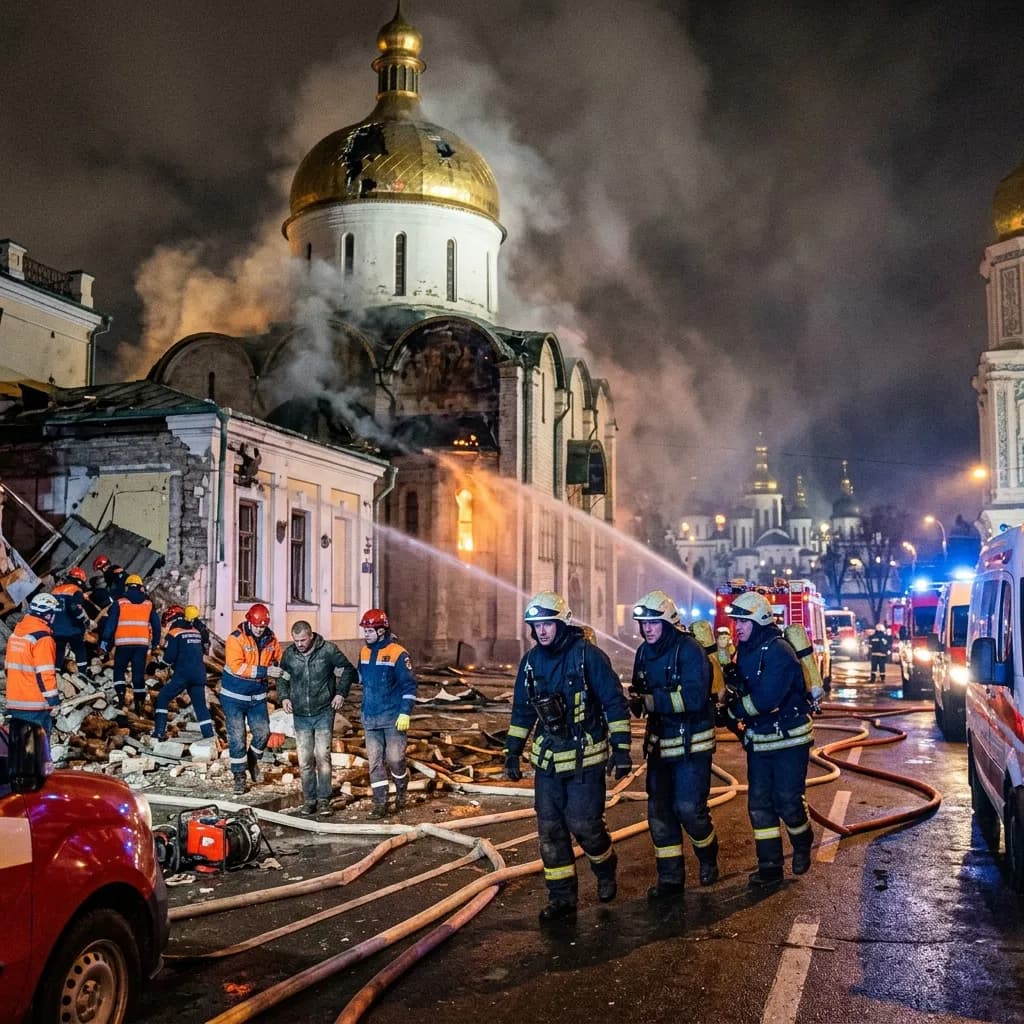
On May 28, 2026, the situation in the Middle East reached a new level of tension and violence when Israel launched a significant military offensive in southern Lebanon. The operation was triggered in response to a series of cross-border attacks attributed to Hezbollah, a Lebanese militant group that, according to Israeli authorities, had intensified its hostile activities in the region. The escalation of the conflict was marked by massive airstrikes targeting not only Hezbollah positions but also infrastructures deemed strategic for the group's logistics and support.
The offensive was preceded by a series of warnings from the Israeli government, which alerted the civilian population about the imminence of military action. In an official statement, the Israel Defense Forces (IDF) outlined the combat zones in southern Lebanon, establishing exclusion areas and recommending that civilians evacuate these regions. The demarcations were widely disseminated through communication channels and social media, aiming to minimize the impact on the civilian population and avoid unnecessary casualties. However, the effectiveness of these measures was questioned, as many civilians, due to a lack of resources or uncertainty about safety, chose to remain in their homes.
The airstrikes began in the early hours of the morning, with the Israeli air force conducting coordinated attacks on strategic points, including weapon depots, command centers, and Hezbollah training areas. Satellite images and eyewitness accounts indicated that the attacks were intense and systematic, utilizing precision missiles and high-impact bombs. Hezbollah's response was swift, with the group launching rockets toward Israeli cities, resulting in an escalation of the conflict that quickly turned into a continuous exchange of fire between Israeli forces and Hezbollah fighters.
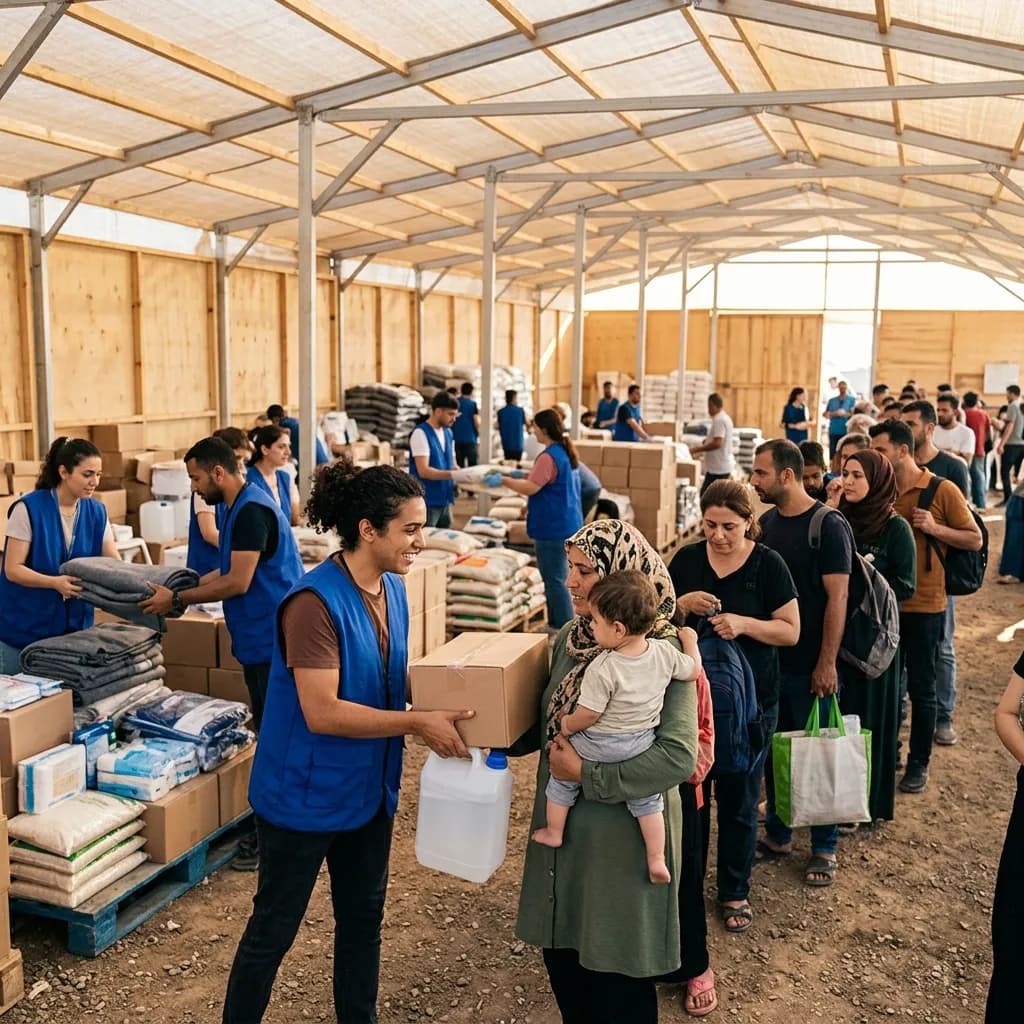
The humanitarian situation in southern Lebanon deteriorated rapidly as the fighting intensified. Reports from humanitarian organizations indicated that thousands of civilians were forced to leave their homes in search of safety, resulting in a mass evacuation. The roads leading to safer areas became congested, with families attempting to escape the conflict. The UN and other international agencies expressed concern over the growing humanitarian crisis, warning that the lack of shelter, food, and medical assistance could lead to a large-scale humanitarian catastrophe.
The international response to the May 28 offensive was mixed. While some countries expressed support for Israel's right to defend itself against attacks, others condemned the escalation of violence and called for an immediate ceasefire. The international community, including the European Union and the Arab League, made appeals for both parties to engage in peace negotiations and respect human rights, emphasizing the need to protect civilians amid the conflict. However, tensions continued to rise, with both sides firm in their positions, complicating the mediation of constructive dialogue.
The May 28, 2026 offensive not only exacerbated the already fragile situation in Lebanon but also raised questions about the stability of the region as a whole. The escalation of the conflict between Israel and Hezbollah, which had already been a source of tension for decades, brought forth concerns about possible involvement from other regional and international powers. As the situation unfolded, the world watched closely, aware that the consequences of this conflict could reverberate far beyond the borders of Lebanon and Israel.
Context and History
The conflicts between Israel and Hezbollah in southern Lebanon have deep roots, reflecting a complex web of political, social, and religious factors that permeate the region. The relationship between Israel and Hezbollah, a Lebanese Shiite movement founded in the 1980s, is marked by a series of armed confrontations and constant tension along the borders.
The origin of Hezbollah dates back to the Israeli invasion of Lebanon in 1982, which aimed to eliminate the presence of the Palestine Liberation Organization (PLO) in the southern part of the country. The invasion generated an environment of resistance that culminated in the formation of Hezbollah, which presented itself as a resistance movement against the Israeli occupation. Since then, Hezbollah has become a significant political and military force in Lebanon, receiving support from Iran and Syria, which has granted it combat capabilities that challenge Israeli forces.
The most significant conflict between Israel and Hezbollah occurred in July 2006, when a series of cross-border attacks and the abduction of Israeli soldiers led to a 34-day war. During this conflict, Israel launched an intense air and ground campaign in Lebanon, while Hezbollah responded with rockets fired toward Israeli territory. The outcome was devastating, with thousands of Lebanese civilians killed and infrastructure severely damaged. The war ended without a clear victory for either side but left an indelible mark on the relations between Israel and Hezbollah.
In response to the 2006 conflict, the UN Security Council adopted Resolution 1701, which sought to establish a ceasefire and a new security order in southern Lebanon. The resolution called for the withdrawal of Israeli forces from Lebanon, the expansion of the United Nations Interim Force in Lebanon (UNIFIL), and the prohibition of any military activity by Hezbollah south of the Litani River. However, the implementation of Resolution 1701 has been problematic, with Hezbollah continuing to maintain its military presence in the region and accumulating a significant arsenal of missiles.
Since the adoption of Resolution 1701, the power dynamics along the Israel-Lebanon border have been marked by a tense coexistence. Hezbollah, despite its rhetoric of resistance, has also engaged in internal political issues in Lebanon, becoming a central actor in Lebanese politics. Its influence is visible in various spheres, from security to the economy, and its ability to mobilize popular support is a factor that Lebanese leaders cannot ignore.
On the other hand, Israel has maintained a posture of constant vigilance regarding Hezbollah, conducting frequent air operations against targets in Lebanon, especially those associated with the group's missile arsenal. Israel's concern over Hezbollah's growing military capabilities, which include long-range missiles and advanced technology, has led to an escalation in tensions. The bellicose rhetoric from both sides, combined with the political instability in Lebanon and the influence of regional powers such as Iran, contributes to a volatile environment.
Furthermore, the situation in southern Lebanon is complicated by external factors, including the Syrian civil war, which has had a significant impact on regional dynamics. Hezbollah's involvement in the Syrian conflict alongside the government of Bashar al-Assad has not only strengthened its position in Lebanon but has also placed it in direct conflict with rebel groups that have support from Israel and Western powers.
In summary, the recent history of the conflicts between Israel and Hezbollah in southern Lebanon is characterized by a complex interaction of resistance, war, and politics. The UN Resolution 1701, while seeking to establish a ceasefire and a new security order, has failed to address the roots of the conflict, resulting in a situation of ongoing tension and uncertainty in the region. The power dynamics between Israel, Hezbollah, and other regional actors continue to evolve, reflecting the complexities and rivalries that define the contemporary Middle East.
Impact on the Population
The humanitarian crisis of refugees in Lebanon, exacerbated by internal displacement in Israel, has generated a profound and lasting impact on local communities. The situation is especially critical in border areas, where the presence of refugees and internally displaced persons has significantly increased, resulting in social, economic, and infrastructure challenges. The role of international organizations, such as UNIFIL (United Nations Interim Force in Lebanon), is crucial in mitigating these impacts, although their actions are not always sufficient to meet the growing needs of the population.
Border villages, which were once vibrant and self-sufficient communities, are now facing an increase in poverty and vulnerability. The arrival of refugees, combined with political instability and conflicts, has resulted in immense pressure on public services and local infrastructures. Schools, hospitals, and sanitation systems, which were already limited, are overwhelmed, and the quality of services provided has drastically declined. Furthermore, the military presence and insecurity in the region complicate daily life, leading to increased tension between local communities and refugees.
UNIFIL has played an important role in attempting to stabilize the region and provide humanitarian assistance. However, its capacity for action is often limited by security restrictions and a lack of financial resources. The organization has worked to facilitate access to basic services, but the need for a more comprehensive and sustainable approach is evident. The reconstruction of damaged civil infrastructure and the promotion of social cohesion initiatives are essential to restoring trust and peaceful coexistence among communities.
The damage to civil infrastructure is one of the most visible aspects of the crisis. Roads, bridges, and public buildings have been damaged or destroyed, hindering access to essential services. The lack of clean water and adequate sanitation has direct consequences for public health, increasing the risk of diseases and epidemics. Additionally, food insecurity has become a growing concern, with many families struggling to meet their basic needs.
The following table illustrates the situation of border villages before and after the escalation of the humanitarian crisis:
| Aspect | Before the Crisis | After the Crisis |
|---|---|---|
| Population | Stable and self-sufficient communities | Significant increase in refugees and internally displaced persons |
| Infrastructure | Adequate civil structures (schools, hospitals, roads) | Extensive damage to infrastructure, overwhelmed public services |
| Health Services | Access to basic medical care | Scarcity of health services and increase in diseases |
| Education | Schools with capacity to serve the local population | Overcrowding and lack of resources in schools |
| Security | Relatively high level of security | Increased insecurity and tension between communities |
| Social Cohesion | Harmonious relations among communities | Growing tension and conflicts between refugees and locals |
In summary, the humanitarian crisis in Lebanon and Israel has had a devastating impact on local populations, exacerbating poverty and vulnerability. The actions of UNIFIL and other international organizations are fundamental, but a more integrated and long-term approach is necessary to restore the dignity and quality of life of the affected communities.
What Those Involved Are Saying
Tensions between Israel and Hezbollah have intensified in recent months, resulting in a series of official statements that reflect the positions and concerns of each party involved. Israeli military leaders, Hezbollah spokespersons, representatives of the interim Lebanese government, and the Secretary-General of the United Nations have all expressed their views on the situation, each presenting their perspectives and warnings.
Israeli Military Leaders: In a recent press conference, the Chief of Staff of the Israel Defense Forces, General Aviv Kochavi, stated that "Israel will not hesitate to act decisively to protect its citizens and its borders." He emphasized that Israeli forces are on high alert and ready to respond to any provocation. "Hezbollah must understand that any attack against Israel will have severe consequences," Kochavi added, highlighting Israel's military capability and determination to neutralize threats.
Hezbollah Spokespersons: In response to Israeli statements, a spokesperson for Hezbollah declared that "the group is prepared for any eventuality and that resistance is a legitimate response to Israel's aggressions." The spokesperson, who requested to remain anonymous, emphasized that "the Lebanese people will no longer accept occupation and violations of their sovereignty." He also called on the international community to intervene and pressure Israel to respect UN resolutions that guarantee Lebanon's sovereignty.
Interim Lebanese Government: The interim Lebanese government, through an official statement, expressed its concern over the escalation of hostilities. Interim Prime Minister Najib Mikati stated that "Lebanon is committed to peace, but cannot ignore Israel's ongoing provocations." He called for constructive dialogue and mediation from the international community to avoid a broader conflict. "We are ready to work together with our neighbors and allies to ensure security and stability in the region," Mikati added.
Secretary-General of the United Nations: In a recent statement, UN Secretary-General António Guterres expressed his concern over the escalation of violence between Israel and Hezbollah. Guterres urged both parties to "exercise restraint and avoid actions that could lead to a broader conflict." He emphasized the importance of respecting UN Security Council resolutions and the need for peaceful dialogue to resolve disputes. "The international community must remain vigilant and engaged to ensure that peace and security are restored in the region," Guterres concluded.
These statements reflect the complexity of the situation and the urgent need for dialogue that could prevent an escalation of the conflict, which could have devastating consequences for the entire region.
Next Steps
Given the severity of the current situation, it is imperative that the international community takes urgent measures to mitigate the humanitarian impacts that are unfolding. First and foremost, the mobilization of humanitarian aid must be a priority. This includes the provision of food, clean water, medicine, and shelter for the affected populations. Non-governmental organizations and UN agencies must be supported in their efforts to reach the most vulnerable areas, where the need is most critical.
Furthermore, it is essential to establish safe humanitarian corridors to allow for the passage of aid and the evacuation of at-risk civilians. The protection of human rights must be guaranteed, with special attention to the needs of vulnerable groups, such as women, children, and the elderly. The international community must advocate for an immediate ceasefire and for peace negotiations that lead to a lasting resolution of the conflict.
Education and awareness about the situation are also essential. Information campaigns can mobilize public support and pressure governments to act. Collaboration between countries and international organizations is vital to coordinate efforts and ensure that aid reaches those who need it most.
Conclusion
The geopolitical impact of the current crisis is profound and far-reaching. The resulting instability affects not only the region directly involved but also reverberates throughout the world, exacerbating tensions between nations and challenging the international order. The lack of an effective response can lead to increased radicalization, forced migrations, and a security scenario that may spread beyond borders.
Furthermore, the humanitarian crisis can generate a vicious cycle of poverty and despair, which fuels future conflicts. Therefore, the gravity of the situation demands not only an immediate response but also a continuous commitment to addressing the underlying causes of the conflict. Diplomacy must be prioritized, and world leaders need to recognize that lasting peace is a goal that benefits everyone.
Sources and References
The information presented in this article is based on reliable sources, including Reuters, BBC News, Al Jazeera, and reports from the United Nations. These organizations have provided detailed analyses and updates on the situation, highlighting the urgency of the crisis and the need for a coordinated response from the international community. Consulting these sources is essential to understand the complexity of the current scenario and the global implications that arise from it.