Security at large public sporting events is a growing concern worldwide. With the increase in the frequency and magnitude of these events, the need to ensure the safety of spectators, athletes, and staff has become a priority for organizers and local authorities. Security measures, such as access control, rigorous screenings, and police presence, are common, but the introduction of new technologies, such as drones, has raised complex issues regarding regulation and privacy.
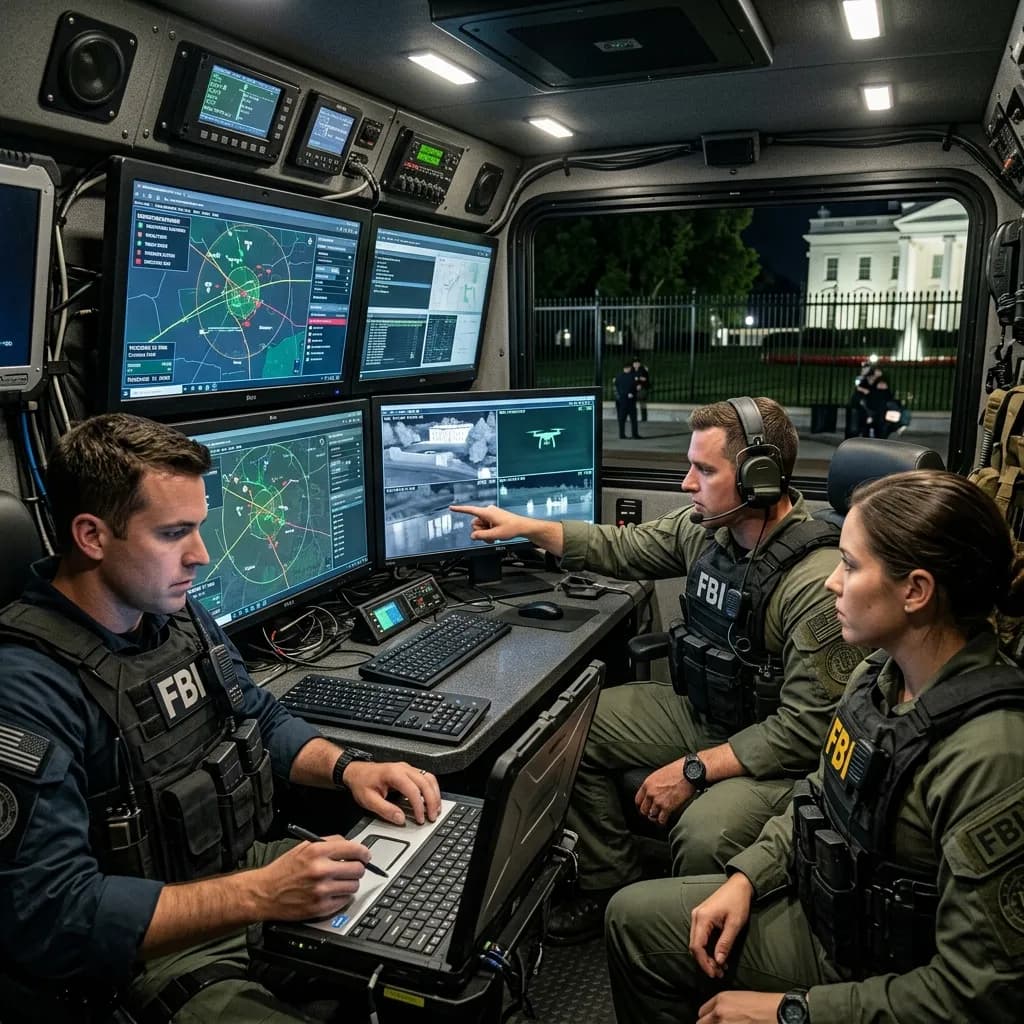
Drones, which have become popular for aerial filming and product delivery, can also be used for malicious purposes. This has led to the need for regulation of drone use, especially in sensitive areas, such as those near government facilities and large-scale events. In the United States, for example, the Federal Aviation Administration (FAA) has implemented specific rules to restrict drone use in areas near sporting events and government facilities, aiming to protect public safety and the integrity of operations.
However, the regulation of drone use raises questions about surveillance and privacy. Data collection through drones, whether for crowd monitoring or security purposes, can infringe on citizens' privacy. The debate over mass surveillance versus public safety is intense, and many argue that the protection of individual privacy should be a priority, even in the face of security threats.
The table below illustrates the changes in airspace security protocols in American presidential areas before and after the implementation of new regulations:
| Aspect |
Before Operation |
After Operation |
| Drone Control |
Little regulation; free use |
Prohibition of drones in critical areas |
| Aerial Monitoring |
Minimal surveillance |
Constant monitoring with technology |
| Incident Response |
Reactive response to threats |
Proactive response and prior planning |
| Flight Authorization |
Authorization needed only in specific cases |
Mandatory authorization for all flights |
| Penalties |
Light fines and warnings |
Severe fines and potential criminal charges |
| Public Participation |
Low awareness of rules |
Awareness and education campaigns |
These changes reflect a more stringent approach to air security, especially in high-visibility and high-risk areas. The implementation of stricter protocols aims not only to protect national security but also to ensure public trust in sporting events and other large-scale activities.
However, it is crucial to find a balance between security and privacy. The use of surveillance technologies should be accompanied by transparency and accountability, ensuring that citizens' rights are not compromised in the name of security. The debate over surveillance and privacy will continue to evolve as new technologies and threats emerge, requiring ongoing dialogue between authorities, security experts, and the general population. Public safety should not be a justification for the erosion of civil liberties, and it is essential that policies are developed with societal participation.
Amid growing concerns about safety at large-scale events, such as UFC fights, statements from authorities and experts have been crucial in understanding the current situation. FBI Director Christopher Wray emphasized the importance of collaboration among security agencies. "We are committed to ensuring the safety of all citizens, especially at events that attract large crowds. The exchange of information between the FBI, the Secret Service, and other agencies is essential to prevent any potential threats," Wray stated at a recent press conference. He highlighted that, although the risk of terrorist attacks cannot be completely eliminated, security measures are being constantly improved.
For their part, spokespeople from the Secret Service also commented on the matter. "Protecting large-scale events is one of our top priorities. We work closely with the UFC and other organizations to ensure that all security protocols are strictly followed," a spokesperson declared. They added that the presence of Secret Service agents at UFC events is a common practice, especially at fights that attract public figures and celebrities. "We are always vigilant and ready to act in case of any situation that could compromise the safety of participants and the audience."
Dana White, president of the UFC, also spoke about the security measures implemented at the arenas where the events are held. "The safety of our fighters, staff, and fans is our number one priority. We work together with local authorities to ensure that everything is in order before each event," White said. He emphasized that the organization invests in cutting-edge security technology and training for the staff, aiming to minimize risks. "We want our fans to feel safe and enjoy the fights without worries."
Counter-terrorism intelligence experts also commented on the situation. Dr. Maria Santos, a national security analyst, highlighted that sporting events are potential targets for extremist groups. "It is essential that security agencies are always one step ahead. Intelligence is key to preventing attacks. Data analysis and real-time surveillance are indispensable tools," she stated. She also mentioned the importance of public awareness: "Citizens should be aware of their surroundings and report any suspicious activity. Safety is a shared responsibility."
These statements reflect a collective commitment among authorities, event organizers, and security experts to ensure that UFC events and other large occasions are safe and protected against any threats. Collaboration and continuous vigilance are essential to creating a secure environment for everyone involved.
As summer progresses, the nation's attention turns to a series of public events scheduled across the United States. Festivals, parades, and holiday celebrations are on the calendar, and security becomes a top priority. The U.S. Department of Justice and the FBI are collaborating with local authorities to ensure that these events occur without incidents. Furthermore, federal trials of those accused of crimes related to extremist and violent activities are underway, reflecting the government's determination to hold accountable those who threaten public safety. The outcomes of these trials may influence public perception regarding the effectiveness of security measures and trust in institutions.
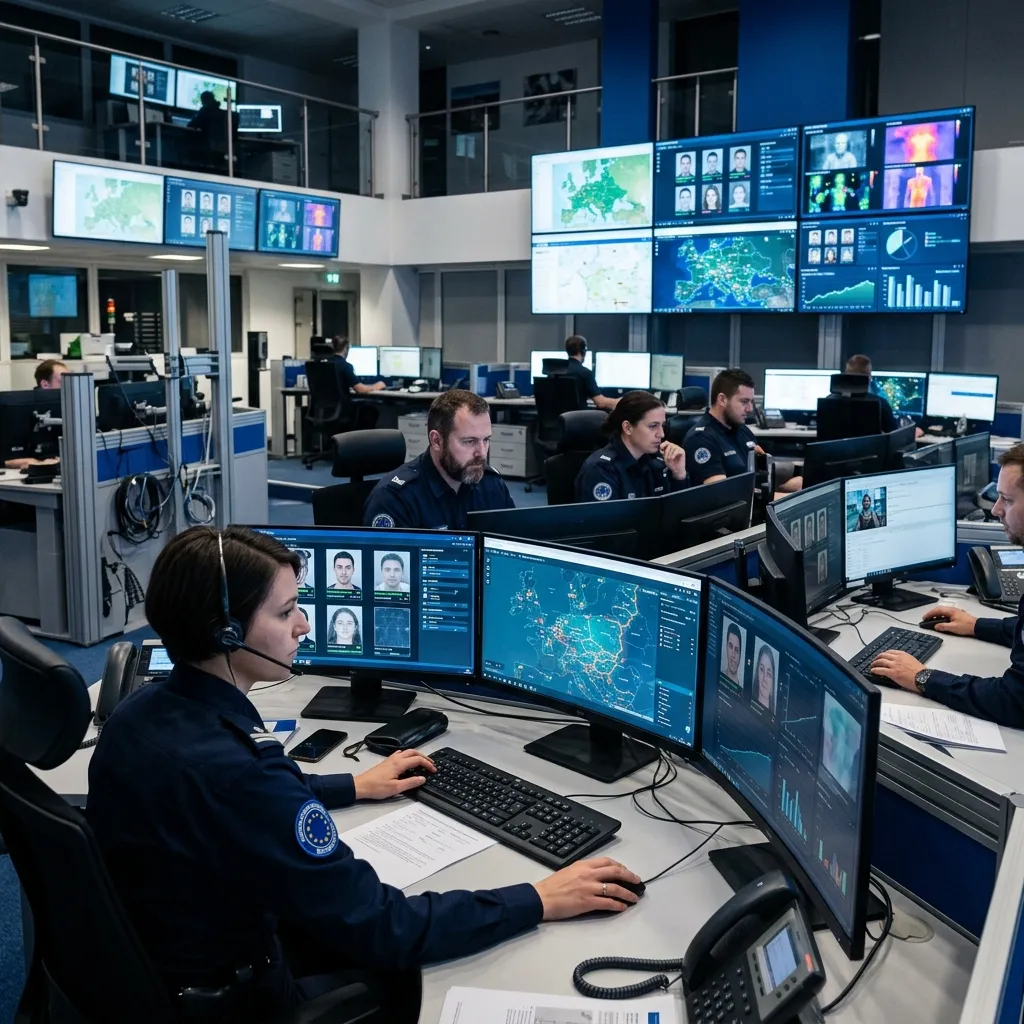
Preventive technology has emerged as a true invisible shield of national stability. Tools such as data analysis, artificial intelligence, and advanced surveillance have played a crucial role in identifying and neutralizing threats before they materialize. These innovations not only help protect public events but also strengthen the population's trust in the government's capabilities to maintain order and security. As society advances, it is imperative that the use of these technologies is balanced with the protection of civil liberties, ensuring that security does not come at the expense of individual rights. The challenge will be to find this balance while navigating a constantly evolving threat landscape.
The information presented in this article has been extracted from various reputable sources, including the U.S. Department of Justice, which provides updates on policies and legal actions; FBI Press, which issues statements on public safety and ongoing investigations; and media outlets such as CNN and the Washington Post, which offer analyses and detailed reports on current events and national security issues. These sources are fundamental to understanding the complexity of the security landscape in the United States and the government's response to emerging threats. Collaboration among agencies and transparency in communication with the public are essential to ensuring an informed and secure society.