US Bombs Strategic Railway Bridge in Iran: The Attack on Aq Tekeh Khan
On Wednesday, July 8, 2026, the United States Armed Forces executed a precision strike against the strategic Aq Tekeh Khan railway bridge in northern Iran. The operation was carried out using advanced cruise missiles launched from naval platforms positioned in the Arabian Sea. This military action marks a dangerous new chapter in the ongoing escalation of tensions between Washington and Tehran.

The sudden bombardment took place in the early morning hours, catching the region's aerial monitoring and air defense systems completely by surprise. Located in the strategic Golestan Province, this infrastructure is essential for the flow of land-based commercial trade in northern Iran. Residents in nearby rural villages reported hearing massive explosions that shook residential structures for several kilometers.
According to initial assessments, the Aq Tekeh Khan bridge plays an irreplaceable logistical role for the Iranian economy. The structure connects major internal production centers with key external trade partners throughout Central Asia. The partial destruction of this connection has temporarily halted rail traffic, triggering an immediate logistical crisis.
The Cruise Missile Strike in Golestan Province
The military action ordered by Washington was executed with surgical precision against the railway bridge, which is also known locally as Ogtay Khan or Aq-Tappeh Khan. U.S. naval units deployed heavy standoff weapons to guarantee the immediate structural collapse of the central section of the bridge. This direct bombardment represents a calculated geopolitical effort to neutralize the land-based commercial corridors that Iran utilizes to bypass Western economic sanctions.
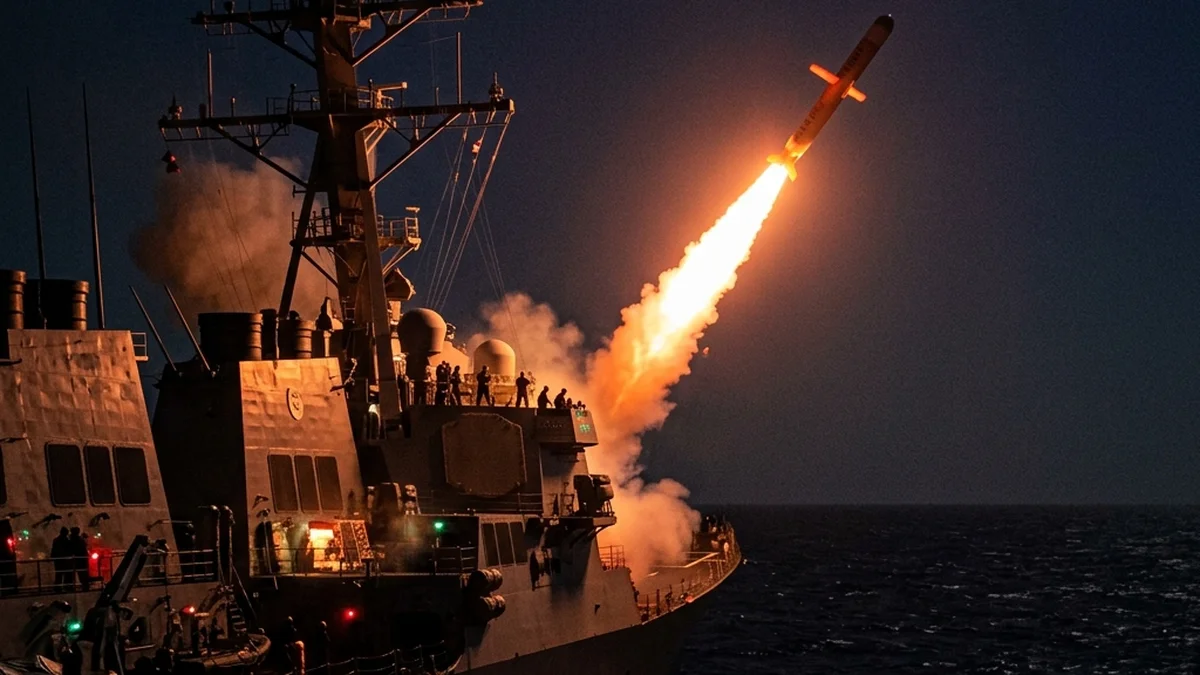
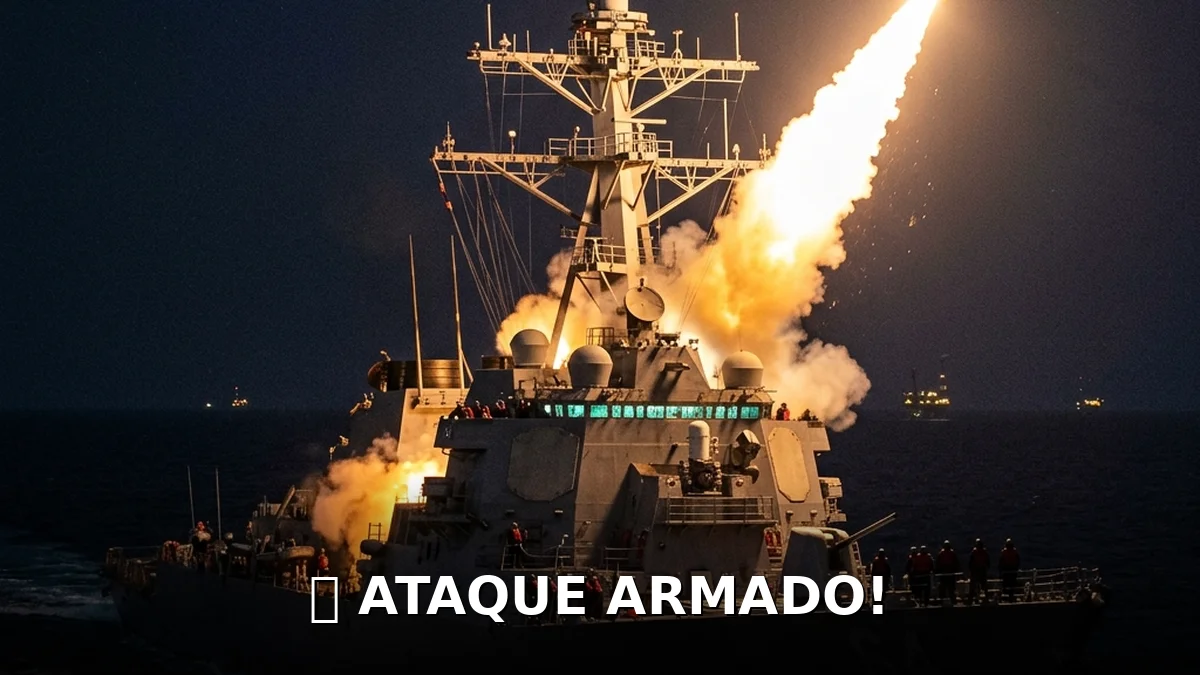
The devastating strike occurred at exactly 04:15 local time, a specific window chosen due to the minimal railway traffic during these early hours. This precise timing suggests a deliberate attempt by military planners to minimize civilian casualties, even though the intended physical destruction of the transport link was absolute. The long-range cruise missiles were launched from destroyers belonging to the U.S. Navy operating in the international waters of the Arabian Sea.
These Tomahawk cruise missiles successfully penetrated Iranian airspace by utilizing low-altitude flight paths designed to evade regional air defense radar systems. The high-explosive warheads struck the main concrete support pillars of the bridge with remarkable accuracy. Following the attack, the United States military justified the strike by claiming that the railway route was actively being used to transport defense materials.
Despite the immense power of the warhead impacts and the resulting secondary explosions, the Iranian government officially reported that the attack did not cause any casualties. No railway employees or local residents living in the immediate vicinity of the bridge were killed or injured during the operation. Local civil defense units and emergency response teams were quickly dispatched to the scene to extinguish several fires sparked by falling missile debris.
The Gorgan-Incheh Borun Railway Route and Its Geopolitical Role
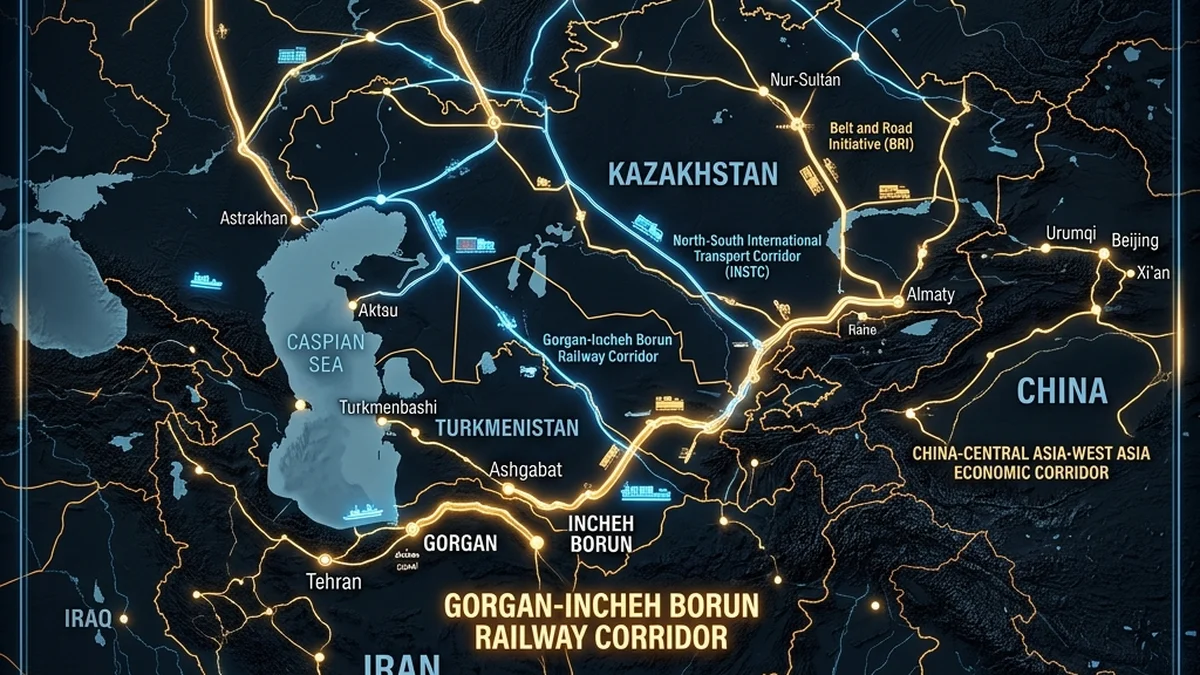
The Aq Tekeh Khan bridge is an integral component of the Gorgan-Incheh Borun railway line, which was originally inaugurated to strengthen regional commerce with northern neighbors. This international gauge railway connects Iran directly with Turkmenistan and provides an active link to the vast transport networks of Kazakhstan. The railway infrastructure serves as a vital transit channel for exporting mineral resources, industrial fertilizers, and essential agricultural products.
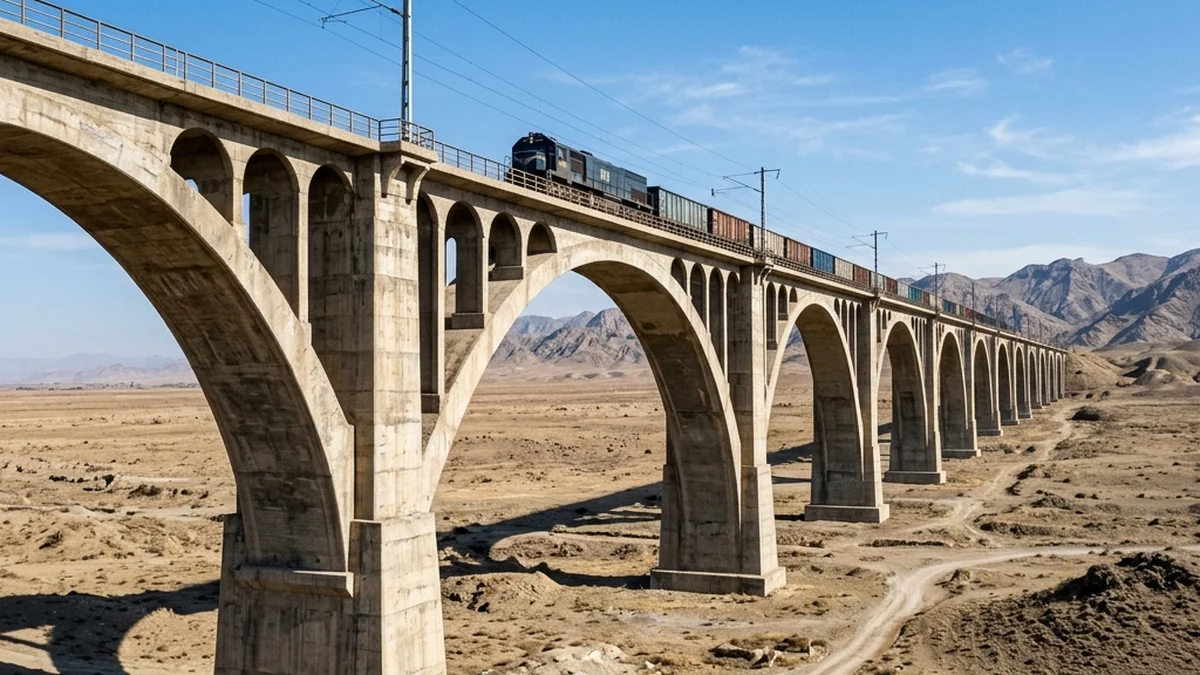
The Incheh Borun rail connection was conceived in the early 21st century to integrate the railway networks of three nations bordering the eastern Caspian Sea. This ambitious project was specifically designed to facilitate the rapid transit of bulk commodities without reliance on maritime shipping. By establishing this land route, the participating Eurasian nations effectively built a robust logistical buffer against Western diplomatic and economic pressures.
The eastern Caspian corridor bypasses traditional trade routes that are heavily monitored or controlled by Western maritime powers. With the Aq Tekeh Khan bridge temporarily out of service, Iran has lost one of its most secure and protected overland logistics corridors. Geopolitical analysts point out that the Gorgan-Incheh Borun route was viewed by Washington policy makers as a strategic loophole that undermined the effectiveness of global sanctions.
The IRGC Investigation and Tehran's Military Response
Immediately following the explosions, the Islamic Revolutionary Guard Corps (IRGC) dispatched a specialized military task force to Golestan Province to evaluate the damage and collect missile fragments. High-ranking military experts and defensive structural engineers quickly initiated a meticulous sweeping operation of the entire blast zone. This task force established a temporary base of operations near the ruined pillars of the Aq Tekeh Khan bridge to secure the site.
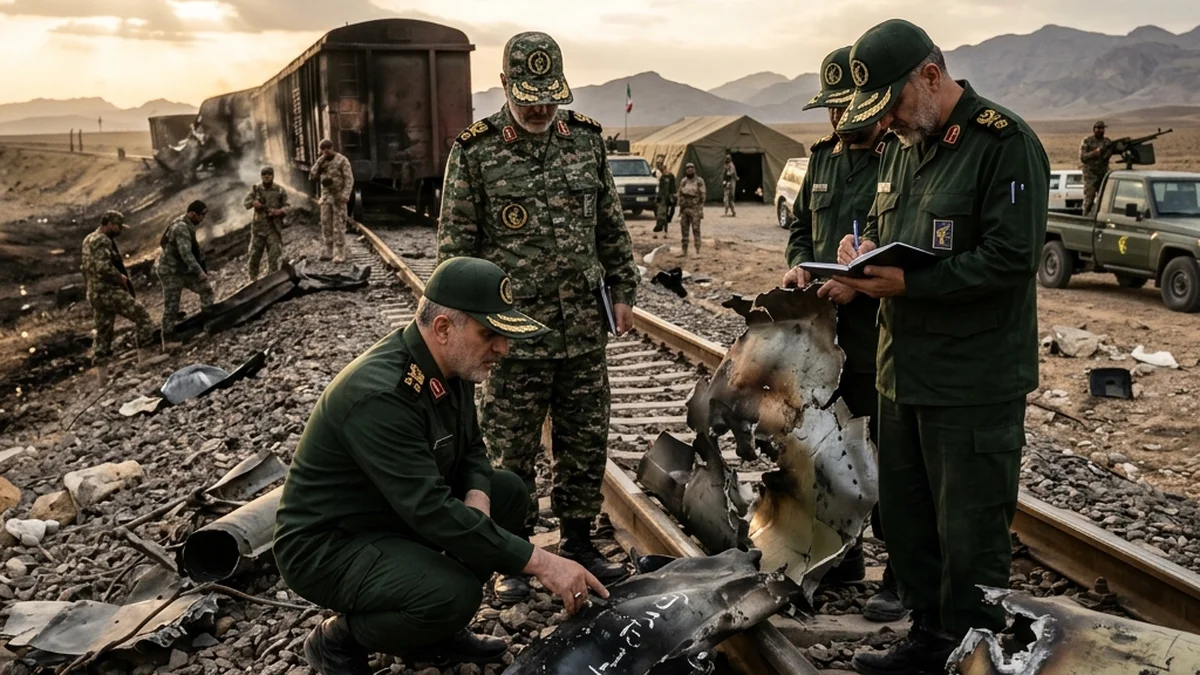
Furthermore, Iranian experts began analyzing the recovered electronic microchips and circuit boards found among the debris of the bridge. The technical investigation utilizes advanced reverse-engineering techniques to trace the precise origin of the guidance systems embedded in the American missiles. This highly specialized forensic process resembles the global data investigations conducted by cyber analysts, as described in the comprehensive article on digital crime tracking technology.
The high command of the IRGC has declared a state of maximum alert across all military bases in the northern provinces. The revolutionary command classified the missile strike as an intolerable act of foreign aggression and vowed to deploy additional mobile air defense units around remaining rail infrastructure. Tehran also ordered intensified ground patrols along the border with Turkmenistan to protect vital civilian shipping routes from further hostile incursions.
Socioeconomic Impact and Emergency Rerouting
The targeted bombing has generated immediate panic and anxiety among local agricultural producers and the civilian population, who rely on the railway. The sudden stoppage at the Aq Tekeh Khan bridge has effectively strangled the incoming supply of grain and essential food products destined for Golestan Province. Regional retail businesses have already begun reporting price fluctuations and supply shortages due to the sudden uncertainty surrounding the delayed shipments.
The negative socioeconomic impacts of the airstrike fell heaviest upon small-scale farmers and local agricultural supply cooperatives in the north. Cargo trains loaded with thousands of tons of wheat and grains imported from Central Asian fields remain stranded at the border stations. In response, Iranian transport authorities are attempting to divert stranded rail traffic to emergency overland roads and cargo trucks.
Table and Geopolitical Context
Below, we present a comprehensive geopolitical comparison of the primary shipping channels, transit routes, and chokepoints that are frequent targets of global power struggles.
| Route Name | Annual Traffic/Tonnage | Core Dependent Countries | Military Vulnerability | Geopolitical Importance |
|---|---|---|---|---|
| Gorgan-Incheh Borun Railway (Aq Tekeh Khan) | ~5-7 Million Tons | Iran, Turkmenistan, Kazakhstan, Russia | High (Target of standoff cruise missile strikes) | Very High (Key sanction-bypass corridor for Eurasia) |
| Strait of Hormuz | ~21 Million Barrels/Day | Saudi Arabia, UAE, Iran, Japan, China, India | High (Vulnerable to naval blockade and mines) | Critical (Main oil transit bottleneck of the world) |
| Suez Canal | ~1.2 Billion Tons | Egypt, European Union, China, India | Medium (Subject to regional conflicts and sabotage) | Critical (Primary maritime trade artery between Asia and Europe) |
| Malacca Strait | ~19 Million Barrels/Day | China, Japan, South Korea, Indonesia | Medium (Threat of piracy and naval interdiction) | Critical (Main choke point connecting Indian and Pacific Oceans) |
| Panama Canal | ~510 Million Tons | United States, China, Japan, Chile | Low (Highly protected but sensitive to climate events) | High (Primary link between Atlantic and Pacific Oceans) |
The disruption of any of these global corridors produces immediate negative ripple effects throughout the interconnected global economy. In the specific case of the Aq Tekeh Khan attack, the immediate fallout is concentrated on the food security of northern Iranian cities. Consequently, the rapid reconstruction of the railway bridge has been declared an absolute national security priority by the leadership in Tehran.
International Condemnation and War Crime Accusations
The Ministry of Foreign Affairs of Iran issued an official diplomatic statement strongly condemning the military operation conducted by the United States. Tehran officially categorized the missile strike as a flagrant war crime due to the deliberate targeting of non-combatant civilian logistics. The Iranian Foreign Minister argued that the targeted bombings violate established international humanitarian law and constitute a direct assault on the nation's sovereignty.
Iranian diplomats immediately initiated contact with representatives from Russia and China to coordinate a unified political response. Tehran argued that the destruction of the bridge constitutes a violation of international treaties governing the protection of civilian infrastructure. The Iranian diplomatic corps declared that global powers must not tolerate the use of unilateral military force to demolish peaceful trade networks.
The Iranian government has announced its intention to utilize all available international legal channels to prosecute those responsible for the strike. If you wish to understand the complex mechanics of global security cooperation, you can read our detailed guide on how Interpol works in cross-border investigations. Meanwhile, regional tensions remain extremely high as reconstruction crews begin initial repair works under the watchful eye of foreign reconnaissance drones.