US Strikes Targets in Iran After Gulf Tensions
In late June 2026, the geopolitical landscape shifted dramatically as military tensions between the United States and Iran reached alarming new heights. Following a series of U.S. airstrikes targeting key Iranian military installations, the Iranian government swiftly condemned the actions as a blatant violation of sovereignty. In a calculated response, Iranian forces launched retaliatory strikes against American military bases in the region, marking a significant escalation in hostilities that had been simmering for years. This cycle of aggression not only threatens to destabilize the already volatile Middle East but also raises profound concerns about the potential for a broader conflict that could draw in global powers. As both nations engage in a dangerous game of brinkmanship, the international community watches with bated breath, fearing the implications of a full-scale military confrontation. The stakes have never been higher, as diplomatic efforts to de-escalate tensions appear increasingly futile in the face of escalating military actions.
What Happened
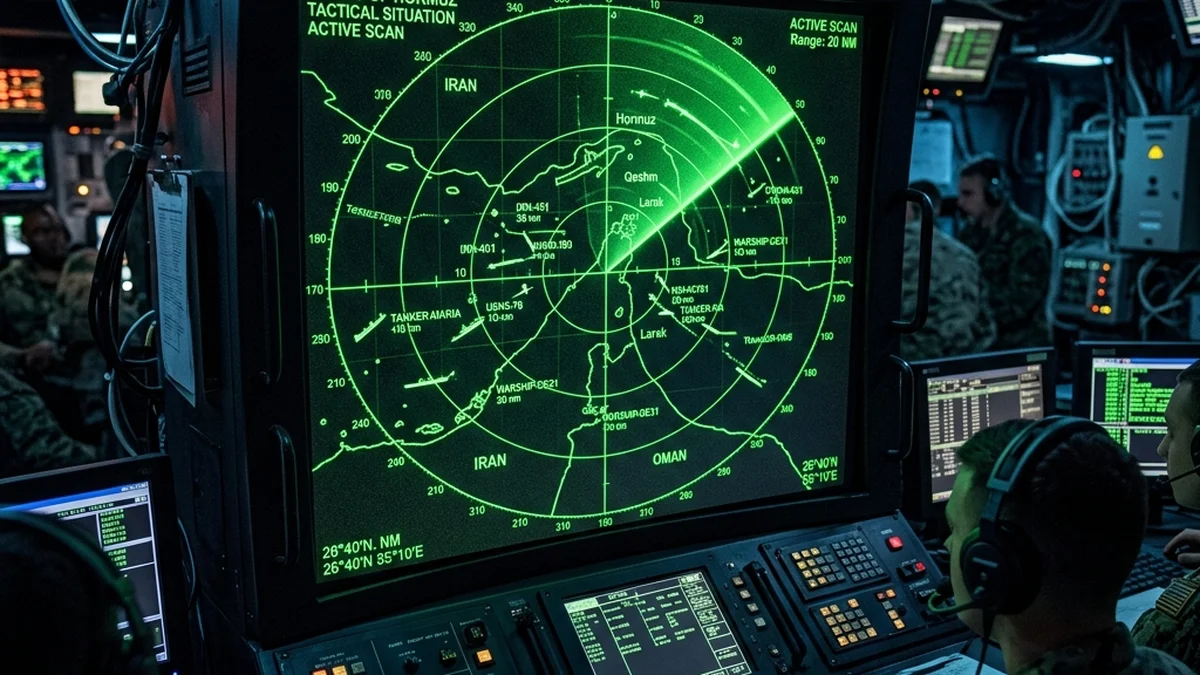
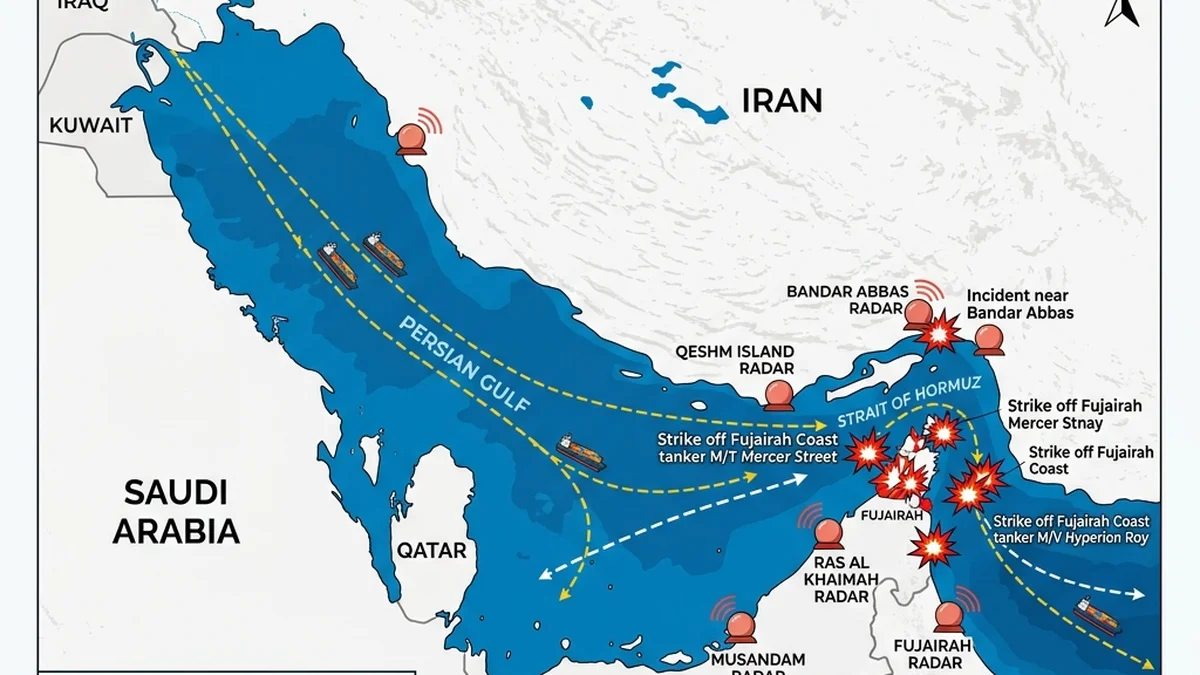
In June 2026, tensions escalated dramatically in the Strait of Hormuz following an attack on a Singaporean cargo ship, which was reportedly struck by missiles launched from Iranian territory. This incident, occurring amid ongoing maritime security concerns in the region, prompted immediate condemnation from the United States and its allies. The U.S. government characterized the attack as a blatant violation of international maritime law and a direct threat to global trade routes.
In response to the attack, the U.S. military executed a series of airstrikes targeting key Iranian military assets. The strikes focused on drone and missile storage facilities, as well as coastal radar installations believed to be integral to Iran's military operations in the region. U.S. officials stated that these airstrikes were necessary to degrade Iran's capabilities to conduct further assaults on commercial shipping and to protect American interests in the Gulf.
The Iranian government condemned the U.S. airstrikes, labeling them as acts of aggression. In a swift retaliation, the Islamic Revolutionary Guard Corps (IRGC) launched missile strikes against U.S. military installations in Iraq, resulting in casualties among American personnel. This escalation marked a significant turning point in U.S.-Iran relations, which had already been strained due to previous incidents involving maritime security and regional influence.
The situation prompted urgent discussions among international leaders, with calls for de-escalation and diplomatic engagement gaining momentum. However, the cycle of retaliation raised concerns about a broader conflict, as both nations appeared poised for further military actions in the strategically vital waters of the Strait of Hormuz.
Context and History
The Strait of Hormuz, a narrow waterway connecting the Persian Gulf to the Gulf of Oman, holds significant strategic value as it serves as a critical transit route for approximately 20% of the world's oil supply. This vital chokepoint is not only essential for the economies of oil-exporting nations, such as Saudi Arabia and Iran, but also for global energy markets, making it a focal point of geopolitical tensions. The strait's narrowest point is just 21 miles wide, allowing for limited maritime traffic, which heightens the stakes for any disruptions.
In recent years, the Strait of Hormuz has witnessed a series of maritime hostilities that have escalated tensions in the region. Incidents involving attacks on oil tankers, drone strikes, and military confrontations between Iranian forces and U.S. naval vessels have underscored the fragile security environment. The 2019 attacks on tankers, attributed to Iranian proxies, and the subsequent U.S. response, including increased naval deployments, exemplify the ongoing volatility. Such incidents have raised concerns over the potential for a broader conflict, prompting international calls for enhanced maritime security and freedom of navigation.
The degradation of past diplomatic agreements, particularly the Joint Comprehensive Plan of Action (JCPOA) established in 2015, has further exacerbated tensions in the region. The U.S. withdrawal from the JCPOA in 2018 and the subsequent reimposition of sanctions on Iran have led to a deterioration of relations and a breakdown of trust. Iran's incremental violations of the agreement, including uranium enrichment beyond agreed limits, have fueled fears of a nuclear escalation. As diplomatic efforts to restore the JCPOA falter, the potential for miscalculation in the Strait of Hormuz remains a pressing concern for regional and global stability.
Impact on the Population
The ongoing tensions in the Gulf region have significantly affected global trade, shipping insurance rates, and energy prices. As commercial shipping routes become increasingly perilous due to heightened military activity and the threat of strikes, the implications for international commerce are profound. Shipping companies are now facing increased operational costs, which are inevitably passed on to consumers.
Insurance rates for shipping vessels operating in the Gulf have surged, reflecting the elevated risk of attacks. Insurers have adjusted their policies to account for the potential for loss, leading to a ripple effect throughout the supply chain. These increased costs are likely to result in higher prices for goods, affecting consumers worldwide.
Energy prices have also been impacted, as the Gulf is a critical artery for oil and gas shipments. Disruptions in supply chains can lead to fluctuations in energy prices, which have a direct correlation with inflation rates in various economies. As countries grapple with these changes, the overall economic stability of regions dependent on Gulf resources is at risk.
The following table illustrates the changes in shipping safety and associated costs before and after the strikes on commercial shipping in the Gulf:
| Metric | Before Strikes (2025) | After Strikes (2026) |
|---|---|---|
| Shipping Insurance Rates | $1,500 per voyage | $3,200 per voyage |
| Average Shipping Delay | 5 days | 12 days |
| Energy Prices (Brent Crude) | $70 per barrel | $95 per barrel |
| Global Trade Volume | $18 trillion | $16 trillion |
These developments underscore the interconnectedness of global markets and the profound impact that regional conflicts can have on everyday life. As the situation evolves, the ramifications for international trade and economic stability will continue to unfold.
What Those Involved Say
In recent statements, U.S. Central Command (CENTCOM) emphasized the importance of maintaining regional stability amid escalating tensions in the Gulf. A spokesperson for CENTCOM remarked, "We remain vigilant and prepared to respond to any threats to U.S. personnel and interests in the region. Our commitment to ensuring maritime security is unwavering." This statement comes in the wake of increased military activity near strategic waterways.
Conversely, Iranian commanders from the Islamic Revolutionary Guard Corps (IRGC) have issued warnings regarding U.S. military presence in the area. An IRGC official stated, "Any aggressive actions by foreign forces will be met with a decisive response. We will not allow our sovereignty to be compromised." This rhetoric underscores the heightened state of alert within Iran's military leadership.
Meanwhile, diplomats from the United Nations have called for restraint from both parties. A UN representative stated, "It is imperative that all involved exercise caution and engage in dialogue to prevent further escalation. The international community is closely monitoring the situation." This call for diplomacy highlights the urgent need for de-escalation in a region fraught with potential conflict.
Next Steps
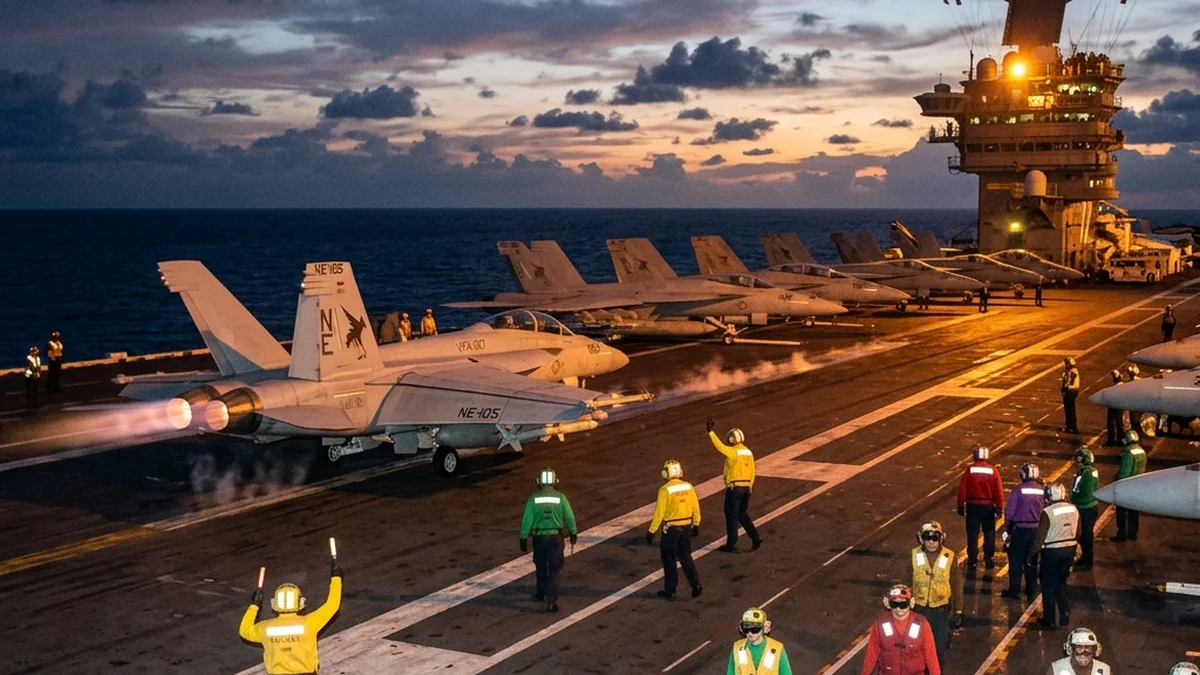
In response to escalating tensions in the Strait of Hormuz, several nations are considering naval reinforcements to ensure the safety of this critical maritime corridor. The United States has already deployed additional naval assets to the region, including aircraft carriers and destroyers, to bolster its presence and deter potential aggression. Other countries, particularly those reliant on oil shipments through the strait, are also evaluating their naval capabilities and may contribute to a coalition aimed at safeguarding these vital shipping lanes.
Moreover, satellite monitoring of the Strait has intensified, with advanced surveillance technologies being employed to track maritime activities. This enhancement in monitoring capabilities is crucial for early detection of any hostile actions that could threaten shipping operations. The integration of satellite data with real-time intelligence will provide a comprehensive overview of the situation, allowing for timely responses to any emerging threats.
In light of the growing concerns, emergency meetings of the United Nations Security Council are anticipated. These discussions will focus on the potential for international intervention and the establishment of a framework for collective security in the region. Diplomatic efforts will be essential in mitigating tensions and fostering dialogue among the nations involved.
Closing
The stability of global energy markets is intricately linked to the safety of the Strait of Hormuz, through which approximately 20% of the world's oil supply transits. Any disruption in this vital corridor could lead to significant fluctuations in oil prices, impacting economies worldwide. As nations navigate the complexities of geopolitical tensions, the imperative to maintain secure and open shipping routes remains paramount. The international community must prioritize collaborative efforts to ensure the safety of the Strait, thereby safeguarding global energy stability.
Sources and References
- Reuters
- Associated Press
- Al Jazeera
- Official Pentagon Reports