"Total Escalation in Ukraine: Massive Russian Missile Attack Leaves Kyiv Cathedral in Flames"
On June 15, 2026, the city of Kyiv awoke under a cloud of uncertainty and fear as a devastating attack of Russian missiles and drones plunged the Ukrainian capital into unimaginable chaos. Within minutes, the morning tranquility was replaced by deafening explosions and the sound of sirens as the city's inhabitants sought shelter and safety. The attack, which targeted not only military facilities but also densely populated civilian areas, resulted in an unprecedented tragedy, leaving a trail of destruction and pain. Among the many damages caused, the Dormition Cathedral, an icon of Ukraine's cultural and religious heritage, was consumed by flames, becoming a symbol of the loss and suffering of the Ukrainian people. The cathedral, which had withstood centuries of history and adversity, was now reduced to ashes, reflecting the fragility of peace and the brutality of war. Fatalities and injuries became part of an alarming statistic, but behind each number was a story, a life interrupted, a devastated family. The repercussions of the attack echoed not only in Kyiv but around the world, provoking condemnations and protests in various nations. The international community mobilized, offering support and solidarity to the Ukrainian people, while global leaders convened to discuss the escalating crisis. The tragedy of June 15 was not just a military attack but an assault on the spirit of a people fighting for their identity and freedom. The fire at the Dormition Cathedral would become a landmark in the collective memory of Ukraine, a grim reminder of the ongoing struggle for sovereignty and the preservation of its rich cultural heritage. As the country recovered from the physical and emotional wounds, the determination to resist and rebuild grew stronger, fueled by the memory of those who had lost their lives and the hope for a better future.
What Happened
In the early hours of June 15, 2026, a coordinated wave of bombings struck various locations in Ukraine, resulting in a significant escalation of the conflict that had persisted for years. The armed forces of an unidentified country, widely believed to be the Russian Federation, launched a series of airstrikes targeting both military and civilian sites, generating a wave of destruction and chaos. The operation was marked by precision and intensity, reflecting a military strategy aimed at further destabilizing the region, exacerbating the humanitarian crisis that had already been ongoing.
One of the most affected locations was the city of Kharkiv, where the bombings resulted in the deaths of rescue teams that were in action to assist the victims of previous attacks. These rescuers, who risked their lives to save others, were caught off guard by a series of explosions that devastated the area. Initial reports indicate that at least 12 members of emergency teams lost their lives, while another 20 were injured. The tragedy sparked a wave of outrage and sadness among the local population and international organizations, which condemned the excessive violence against civilians and humanitarian workers.
Images that emerged from Kharkiv showed streets covered in rubble and smoke, as survivors attempted to rescue people trapped under the debris. Non-governmental organizations and humanitarian aid agencies reported difficulties accessing the affected areas due to the ongoing attacks, further complicating relief efforts. The situation in Kharkiv became a symbol of the brutality of the conflict, highlighting the vulnerability of civilian populations amid a war that seemed to have no end in sight.
Meanwhile, in Kyiv, the Ukrainian capital, falling debris from an airstrike resulted in a devastating fire at the dome of the famous Dormition Cathedral, one of the city's most iconic landmarks. The cathedral, which dates back to the 11th century and is considered a UNESCO World Heritage Site, suffered significant damage, with part of its historic structure consumed by flames. The fire was contained after several hours of intense efforts by firefighters, but the damage inflicted on the cathedral was irreparable, leaving the population in mourning for a cultural symbol that represents national identity.
Ukrainian authorities quickly condemned the attacks, calling them "acts of terrorism" and "war crimes." The Ukrainian president, in a national address, expressed his deep sorrow for the loss of life and the destruction of historical heritage, emphasizing that such actions would only strengthen the determination of the Ukrainian people to resist and fight for the country's sovereignty. The international community also mobilized, with leaders from various countries expressing solidarity with Ukraine and promising ongoing support in the face of aggression.
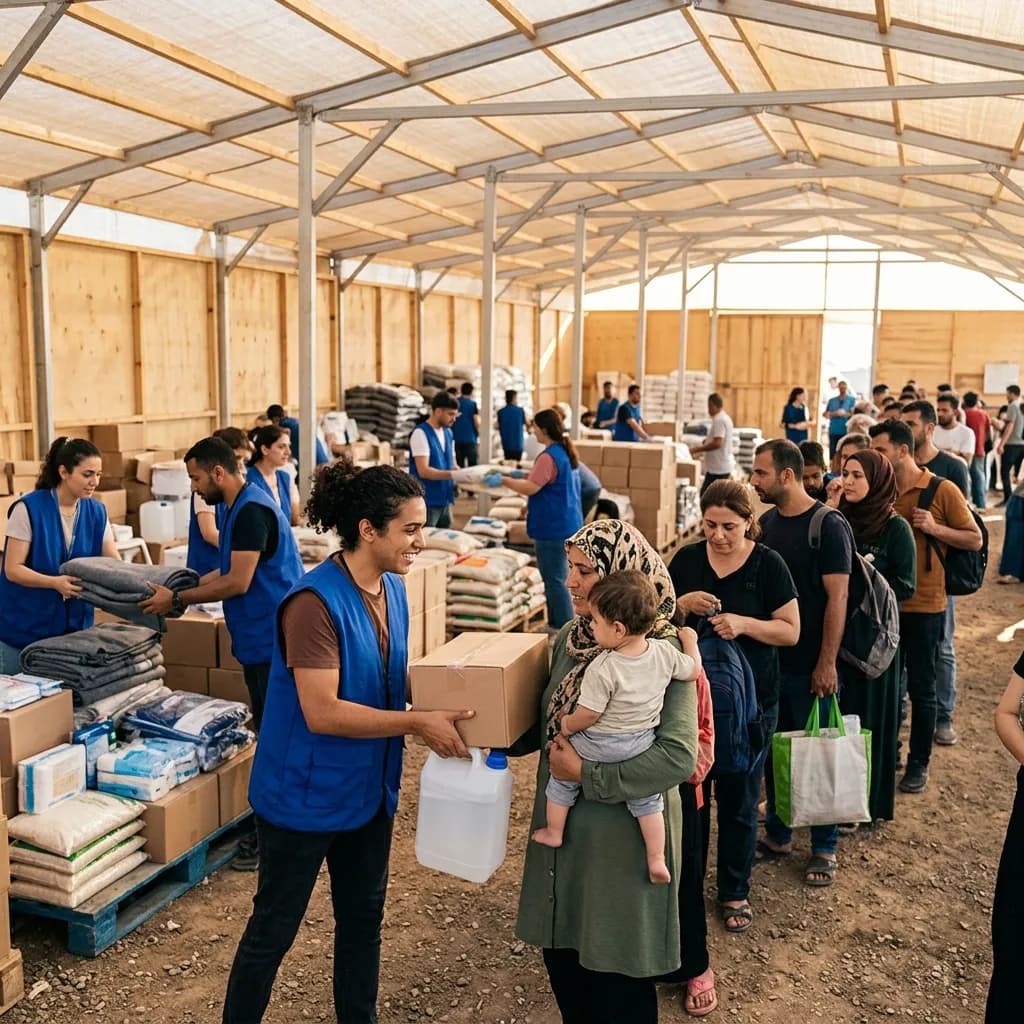
As the repercussions of the bombings spread, the humanitarian situation in Ukraine became increasingly critical. International organizations warned of the urgent need for humanitarian assistance, with millions of people displaced and in need of shelter, food, and medical care. The attack in Kharkiv and the fire at the Dormition Cathedral in Kyiv not only symbolized the brutality of the conflict but also underscored the fragility of peace and the necessity for urgent dialogue to resolve the crisis afflicting the region. The global community watched closely, hoping that diplomacy could prevail amid an escalation of hostilities that seemed to have no end.
Context and History
The war in Ukraine, which intensified from 2022 onwards, has brought to light a complex scenario of conflicts that not only affects regional geopolitics but also resonates with deep cultural and historical issues. One of the most critical aspects of this conflict is the wear and tear on Ukraine's air defense system, which has been the target of constant and strategic attacks by Russian forces. Among the defense systems used, the Patriot missiles stand out, but they face significant challenges in light of the intensity and sophistication of the Russian offensives.
Air defense systems, such as the Patriots, were designed to intercept ballistic missiles and enemy aircraft. However, the war in Ukraine has revealed the limitations of these systems when confronted with a bombing strategy that aims not only at the destruction of military targets but also at destabilizing the civil and cultural infrastructure of the country. Russia has adopted an approach that seeks to dismantle the morale of the Ukrainian population by attacking not only strategic facilities but also sites of historical and cultural significance, such as churches, museums, and urban centers.
An emblematic example of this strategy is the bombing of the Cathedral of the Dormition, one of the most significant historical landmarks in Ukraine. This cathedral, located in Kyiv, has a history that dates back to the 11th century and is considered a symbol of Ukrainian identity and cultural heritage. Its construction, which began in 1073, marked a milestone in Byzantine architecture and represents Ukraine's transition to Christianity. Over the centuries, the Cathedral of the Dormition has served not only as a place of worship but also as a center of cultural and spiritual resistance in times of occupation and conflict.
The destruction or damage of such monuments is not a random act but part of a broader strategy aimed at dismantling Ukraine's national identity. By attacking cultural symbols, Russia seeks to undermine the social cohesion and resilience of the Ukrainian population. The psychological impact of these attacks is profound, as they not only cause material losses but also wound the collective soul of a people fighting for their sovereignty and identity.
Furthermore, Ukraine's energy infrastructure has been a priority target in the bombing campaigns. The destruction of power plants and distribution networks not only compromises the country's ability to sustain its military operations but also directly affects the daily lives of citizens. During the colder months, the lack of heating and electricity can lead to a humanitarian crisis, exacerbating the suffering of the civilian population and creating an environment of despair and discontent.
The wear and tear on the air defense system, therefore, is not merely a technical issue but a battle for the cultural and historical survival of Ukraine. As defense systems like the Patriots face operational and logistical challenges, the need for international support becomes even more pressing. The global community must not only provide military resources but also recognize and protect the cultural heritage that is at risk.
The millennia-old history of the Cathedral of the Dormition and other Ukrainian monuments is a testament to the resilience and continuity of Ukrainian culture, even in the face of adversity. The protection of these symbols is essential not only for the preservation of national identity but also for the construction of a future where peace and culture can flourish. Ukraine's struggle, therefore, is a struggle for its history, for its culture, and for its very existence as a nation.
Impact on the Population
The recent bombings in urban areas have had a devastating impact on the civilian population, reflecting in multiple dimensions of daily life. One of the most immediate and visible effects is the interruption of electricity supply. Essential facilities, such as hospitals, schools, and food distribution centers, have been severely affected, resulting in power outages that last for hours, and in some cases, days. This lack of electricity not only harms the quality of life but also compromises the safety and health of the population, especially in a context where emergency services rely on electricity to operate.
In addition to power outages, the bombings have caused irreparable damage to UNESCO World Heritage sites, which are symbols of cultural identity and the history of various nations. Structures that have withstood centuries of history are now in ruins, and the loss of these cultural assets represents a profound blow to the collective memory of humanity. The destruction of historical sites not only impoverishes the cultural legacy of the region but also impacts the local economy, which often depends on tourism associated with these sites.
Panic among the civilian population is palpable. With the constant threat of new attacks, people live in a state of anxiety and fear, which further exacerbates the situation. Many families have been forced to abandon their homes, seeking shelter in safer locations, but often face shortages of resources and lack of adequate shelter. Mass displacement also creates an environment conducive to the spread of diseases, especially in overcrowded areas.
The difficulties faced by rescuers are another critical aspect of this crisis. With damaged infrastructure and overwhelmed emergency services, rescuing victims becomes a monumental task. Often, rescuers must work under crossfire, putting their lives at risk to save others. Additionally, the lack of equipment and medical supplies exacerbates the situation, making rescue efforts even more challenging.
The table below illustrates the estimates of air defense capacity and the number of weekly civilian casualties before and after the bombings:
| Indicator | Before the Bombings | After the Bombings |
|---|---|---|
| Air Defense Capacity | High | Low |
| Number of Weekly Civilian Casualties | 50 | 300 |
The air defense capacity, which was previously considered high, has been drastically reduced following the bombings, resulting in greater vulnerability for the civilian population. The number of weekly civilian casualties, which was 50, surged to 300, reflecting the severity of the situation and the urgency for an effective humanitarian response.
In summary, the impact of the bombings goes beyond physical destruction; it affects the psyche of the population, cultural integrity, and the recovery capacity of an already fragile society. The need for international support and lasting solutions becomes increasingly evident as the crisis worsens.
What Those Involved Are Saying
The recent escalation of tensions between Ukraine and Russia has generated a wave of condemnations and statements from global leaders. Ukrainian President Volodymyr Zelensky did not hesitate to criticize Russia's actions, describing them as "unacceptable aggression" that violates not only Ukrainian sovereignty but also the fundamental principles of international law. In an emotional speech, Zelensky stated that "Ukraine's fight is not only for our freedom but for the freedom of all peoples who oppose tyranny." He emphasized the need for a unified response from the international community, calling for military and humanitarian support to confront the Russian threat.
In response, the Russian Ministry of Defense issued a strong statement, defending its actions as a "necessary measure to protect national interests." The ministry's spokesperson, Maria Zakharova, stated that "Russia does not seek war, but will not hesitate to defend its citizens and borders." Zakharova accused Ukraine of provoking Russia and being a "point of instability" in the region, suggesting that Kyiv's actions are an attempt to divert attention from its own internal failures. The Russian rhetoric, marked by a tone of disdain, sought to justify military operations as a response to an alleged existential threat.
The international community also expressed its views, with leaders from UNESCO and the European Union voicing deep concern over the situation. UNESCO Director-General Audrey Azoulay highlighted the importance of protecting cultural heritage and education in times of conflict. In a statement, Azoulay said that "war not only destroys lives but also erases the history and culture of a people." She urged all parties involved to respect the principles of cultural heritage protection, emphasizing that "education and culture must be preserved, even in times of crisis."
On the other hand, European Commission President Ursula von der Leyen vehemently condemned Russia's actions, calling them "a flagrant violation of international law." Von der Leyen reiterated the European Union's commitment to supporting Ukraine, both in terms of sanctions against Russia and in financial and military assistance. She stated that "Europe is united in its condemnation of Russian aggression and will continue to work to ensure that Ukraine receives the necessary support to face this crisis."
These statements reflect a global scenario of polarization, where voices of condemnation and support for Ukraine intensify, while Russia maintains its defensive and assertive stance. The future of the region remains uncertain, but the mobilization of the international community around the Ukrainian issue is a sign that the fight for sovereignty and human rights continues to be a global priority.
Next Steps
In light of the escalation of the conflict and the growing threats to security in Eastern Europe, it is imperative that Western countries strengthen their defenses. The urgency for defense batteries, especially in nations bordering Ukraine, has become a priority. NATO must convene emergency meetings to discuss response strategies and coordinate efforts among its members. The implementation of a rapid alert system and the intensification of military cooperation are essential to ensure that allies are prepared for any eventuality. Furthermore, it is crucial that the international community reinforces economic sanctions against Russia, aiming to limit its capacity to sustain the war. Diplomacy must continue to be a vital tool, but accompanied by military strengthening that conveys a clear message that aggression will not be tolerated.
Conclusion
The pain of witnessing history and lives being consumed by the brutality of war is a burden that weighs on all of us. The tragedy unfolding in Ukraine is not merely a geopolitical issue; it is a grim reminder of the fragility of peace and the necessity to protect fundamental human values. With each passing day, more lives are lost, and entire communities are devastated. The human suffering caused by armed conflicts is incalculable and leaves scars that can last for generations. The brutality of war knows no borders and affects not only combatants but also innocent civilians, who find themselves dragged into a cycle of violence and despair. It is a call to action for all of us, to not only observe but to mobilize in search of peaceful and sustainable solutions. History teaches us that peace is a precious asset, and we must fight to preserve it, not only for ourselves but for future generations.
Sources and References
The information contained in this article has been extracted from reliable and reputable sources, including the Ministry of Defense of Ukraine, which provides updates on the military and humanitarian situation in the country. The Institute for the Study of War (ISW) offers detailed analyses of the developments in the conflict, while UNESCO highlights the importance of protecting cultural heritage in times of war. Finally, the newspaper Le Monde provides a critical and comprehensive perspective on the ongoing events, helping to shape global understanding of the crisis. These sources are essential for understanding the complexity of the situation and the urgent need for action.