"Open Channel: The Hidden Role of Pakistan in Preventing a New World War in the Gulf"
At a time when tensions in the Persian Gulf have reached alarming levels, the government of Pakistan took a bold step by opening diplomatic channels in Islamabad on May 26, 2026. This move not only signals Pakistan's willingness to actively engage in regional diplomacy but also reflects a deep understanding of the strategic importance of the region for global security and stability. The Persian Gulf, rich in natural resources and vital for international trade routes, has been a stage for conflicts and rivalries that threaten the peace and prosperity of its neighboring countries and the world. By positioning itself as an impartial mediator, Pakistan seeks not only to alleviate tensions between rival nations but also to promote constructive dialogue that can lead to lasting solutions. The Pakistani government, aware of its geopolitical and historical role in the region, is determined to use its diplomatic experience to facilitate conversations that may result in significant agreements. The opening of these diplomatic channels is an invitation to collaboration and trust-building, offering a viable alternative to confrontation. With the participation of leaders and representatives from different countries, Islamabad transforms into a center of hope, where diplomacy can flourish and the voices of peace can be heard. This is a crucial moment not only for Pakistan but for the entire international community, which is closely watching the developments of this initiative and its possible repercussions on the power dynamics in the Persian Gulf and beyond.
What Happened
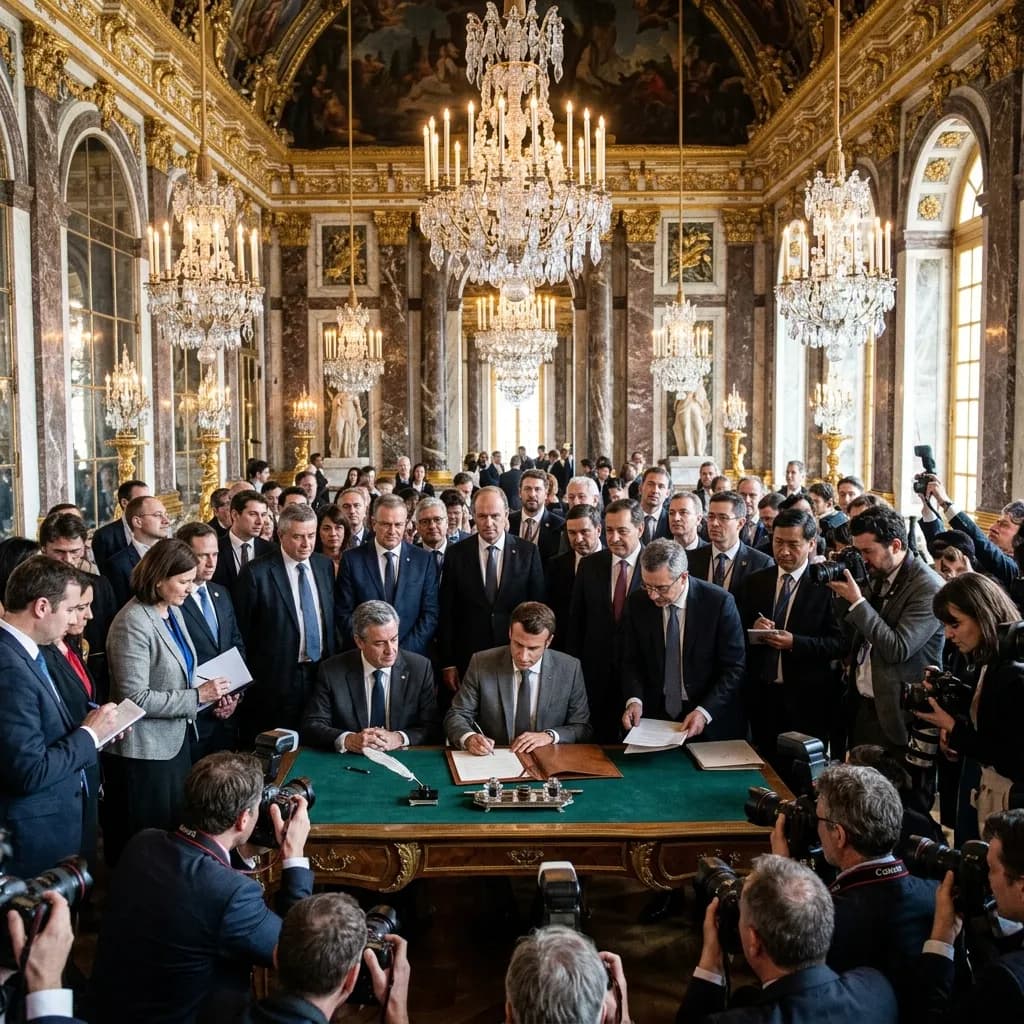
On May 26, 2026, Islamabad became the epicenter of a series of secret meetings that brought together diplomats from three key nations in the Middle East: Pakistan, Saudi Arabia, and Iran. The meeting, which took place at an undisclosed location in the Pakistani capital, was the result of growing concerns about security in the Strait of Hormuz, one of the most strategic maritime routes in the world, where approximately 20% of global oil is transported. The discussions were driven by an increase in regional tensions and recent incidents that threatened safe navigation in the area.
The diplomats, who operated under a veil of confidentiality, established direct communication channels to facilitate ongoing dialogue on security issues. The main objective of the meetings was to create a consensus on measures that could be implemented to ensure the security of maritime traffic in the Strait of Hormuz, as well as to address broader concerns about regional stability. The choice of Islamabad as the venue for these discussions was not accidental; Pakistan, with its historical relations with both Saudi Arabia and Iran, positioned itself as a neutral and reliable mediator.
During the meetings, specific proposals were presented aimed at creating a joint maritime security mechanism. One of the main suggestions was the formation of a trilateral task force composed of representatives from the three nations, which would be tasked with monitoring and protecting navigation routes in the Strait of Hormuz. This task force would be responsible for conducting joint patrols and implementing an early warning system to identify potential threats, such as attacks on commercial vessels or piracy activities. The idea is that by pooling resources and information, the countries could act more effectively and in a coordinated manner.
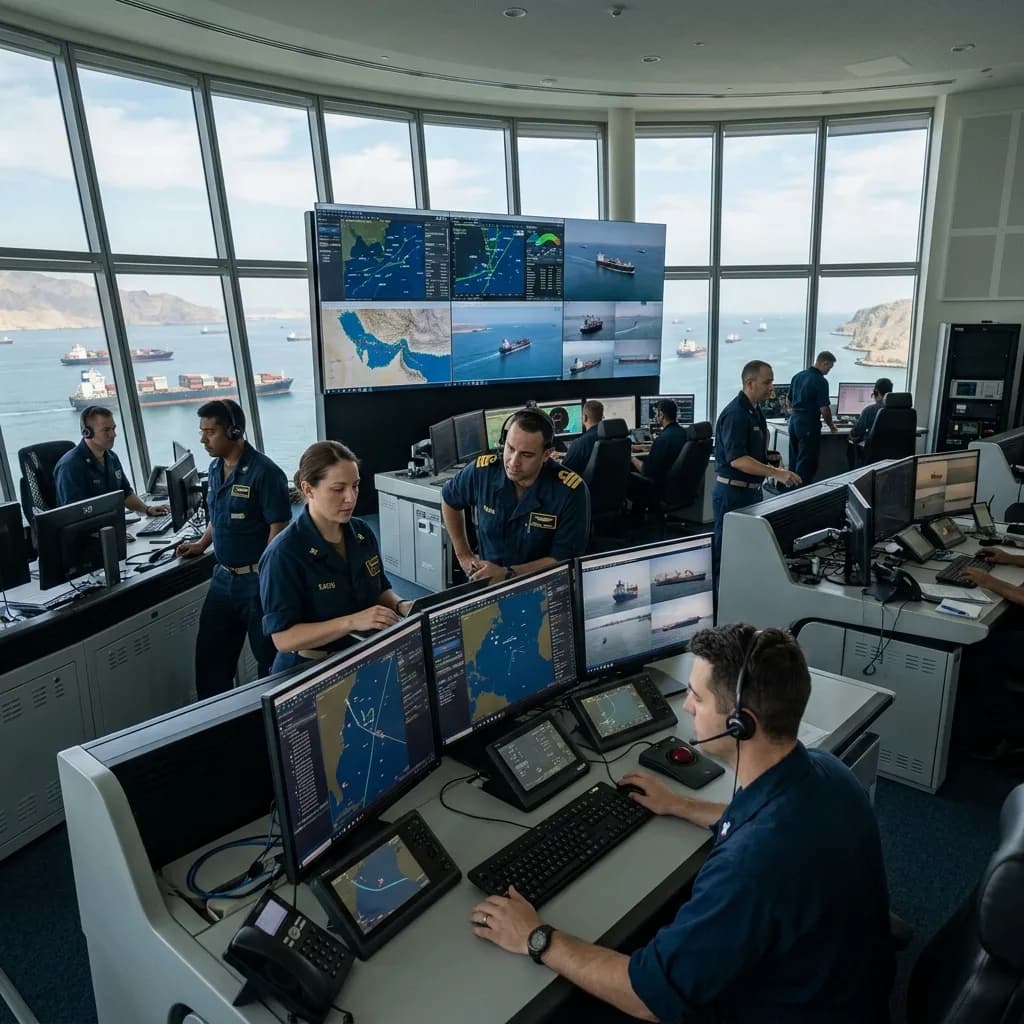
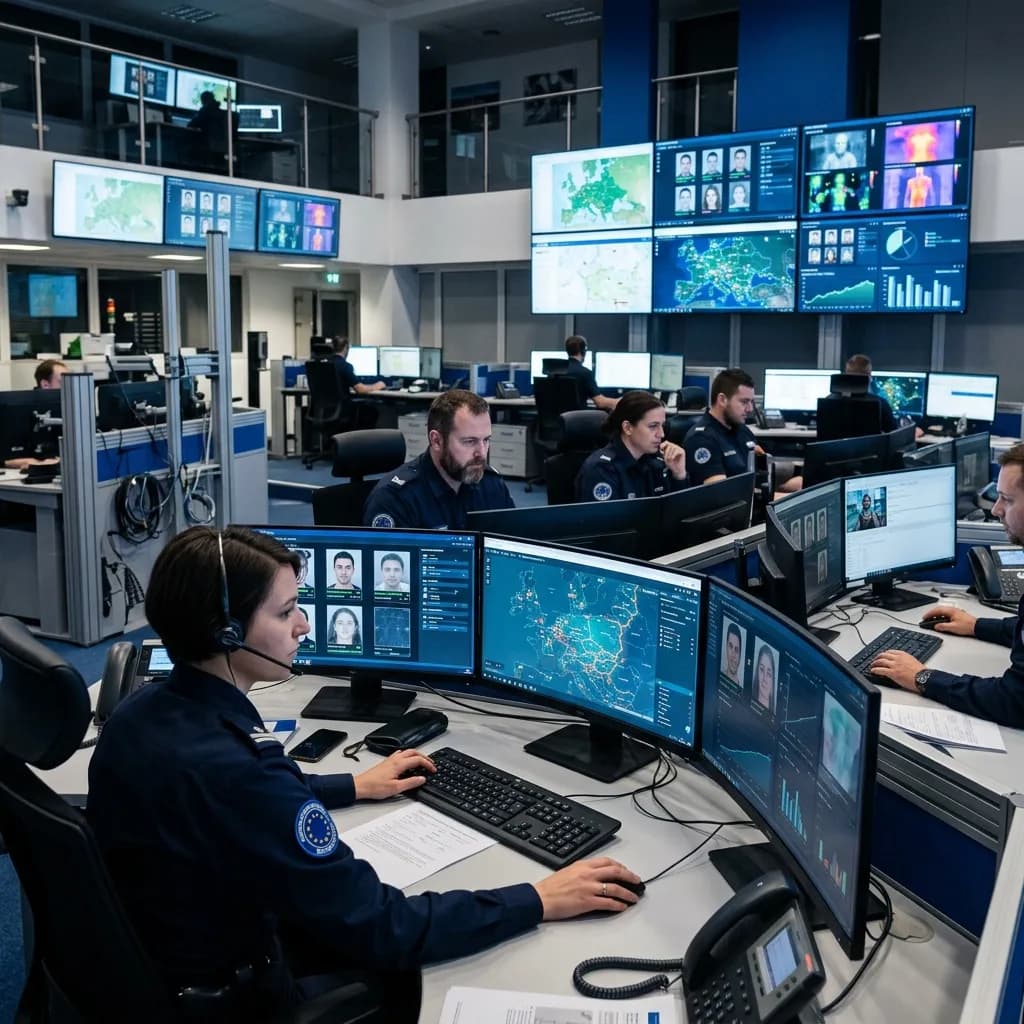
Furthermore, the diplomats discussed the possibility of establishing a real-time communication protocol between the navies of the three countries. This protocol would allow for a rapid response to any incident that might occur in the region, minimizing the risk of conflict escalation. The proposal included the use of advanced technologies, such as drones and satellites, to monitor maritime traffic and detect suspicious activities. The implementation of these technologies could not only enhance security but also provide greater transparency in naval operations, helping to build trust among the involved nations.
Another point debated was the need for a broader dialogue that included other regional and international actors. The diplomats recognized that security in the Strait of Hormuz is not an isolated issue and that collaboration with other nations, including Western powers and neighboring countries, would be crucial for the success of the proposed initiatives. In this regard, it was suggested that a regional security forum be created, where maritime security issues and other regional challenges could be discussed openly and collaboratively.
The meetings in Islamabad represented a significant step toward de-escalating tensions in the Middle East and promoting cooperation among countries that have historically faced disputes. Although the outcome of these discussions has yet to be translated into tangible actions, the willingness of the diplomats to engage in dialogue and seek joint solutions is a positive sign in a geopolitical landscape often marked by conflicts and rivalries. The success of these initiatives could not only ensure security in the Strait of Hormuz but also contribute to greater stability in the region as a whole.
Context and History
Since its independence in 1947, Pakistan has played a significant role in the geopolitical dynamics of South Asia and the Middle East. Its strategic location, which connects the Middle East to Central Asia, and its historical ties with regional powers such as Saudi Arabia and Iran, make the country a crucial actor in the security and stability issues of the region. Pakistan's relationship with Saudi Arabia is marked by deep military and economic ties, while its interaction with Iran is more complex, reflecting a mix of cooperation and rivalry.
Historically, Pakistan has been a close ally of Saudi Arabia, especially since the 1960s, when both countries united around common interests, such as promoting Sunni Islam and containing Soviet influence in the region. Pakistan has provided military support to Saudi Arabia, including the presence of Pakistani troops on Saudi soil and assistance in military training. In return, Saudi Arabia has been an important economic sponsor of Pakistan, offering financial aid and investments in infrastructure. This relationship was further strengthened after the September 11, 2001 attacks, when Pakistan became a strategic ally of the United States in the "War on Terror," and Saudi Arabia, in turn, sought to secure its position in the Islamic world.
On the other hand, Pakistan's relationship with Iran is more ambivalent. Although both countries share a border and have mutual economic interests, sectarian differences—Pakistan is predominantly Sunni, while Iran is a Shia Islamic republic—have generated tensions. Pakistan has been concerned about Iran's influence in its Balochistan province, where separatist groups have sought Iranian support. Additionally, the rivalry between Saudi Arabia and Iran has placed Pakistan in a delicate position, forcing it to balance its relations with both countries.
The military crisis in the Bushehr province and the Strait of Hormuz has direct implications for the military balance in the Persian Gulf and, by extension, for Pakistan's role in the region. The Strait of Hormuz is a vital strategic point through which a significant portion of the world's oil transits. Any instability in this area could affect not only oil prices but also the security of trade routes and the economic stability of oil-dependent countries like Pakistan.
The growing military presence of powers such as the United States and Russia in the region, combined with tensions between Iran and Saudi Arabia, has created an environment of uncertainty. As a close ally of Saudi Arabia, Pakistan may find itself pressured to take a more active stance in a potential conflict, which could result in direct or indirect military involvement. Furthermore, the possibility of a blockade in the Strait of Hormuz could impact Pakistan's oil imports, exacerbating its already fragile economic situation.
In summary, Pakistan's role as a mediator and strategic ally in the Persian Gulf is complex and multifaceted. Its relationships with Saudi Arabia and Iran are shaped by a combination of economic, military, and sectarian interests, which intertwine in a volatile regional scenario. The military crisis in the Bushehr province and the Strait of Hormuz not only challenges the military balance in the region but also places Pakistan in a critical position, where its decisions could have significant repercussions for the security and stability of the Persian Gulf and beyond.
Impact on the Population
The security of oil and gas supply is a critical issue for Asia and the world, especially in a constantly changing geopolitical context. The Asian region, which heavily relies on energy imports, faces significant challenges related to the stability of maritime routes. The presence of conflicts, piracy, and political tensions in strategic areas, such as the Strait of Malacca and the South China Sea, jeopardizes the traffic of tankers and other cargo ships that transport vital resources.
Shipping costs have substantially increased due to these risks. Shipping companies are forced to implement additional security measures, such as armed escorts and alternative routes, which not only raise operational costs but also prolong delivery times. These additional costs are often passed on to consumers, resulting in higher prices for fuels and petroleum-derived products, directly impacting the global economy and the daily lives of the population.
Furthermore, the lives of crews navigating these dangerous waters are marked by uncertainty and stress. Sailors face the constant fear of pirate attacks, kidnappings, and other dangers, which not only threaten their lives but also affect their mental health and well-being. The lack of security can lead to an increase in health and safety incidents on board, further complicating the already challenging profession of seafaring.
Recently, Islamabad's mediation in maritime traffic has brought significant changes to the security and efficiency of supply routes. Diplomatic intervention and the strengthening of regional collaborations have the potential to stabilize high-risk areas and improve the safety of maritime operations. The table below illustrates the differences in the security scenario and freight costs before and after this mediation:
| Aspect | Before Islamabad's Mediation | After Islamabad's Mediation |
|---|---|---|
| Piracy Incidents | High incidence, with frequent attacks on tankers | Significant reduction in incidents, with joint patrols |
| Freight Costs | 20% increase due to security measures | 10% reduction with safer routes |
| Delivery Time | Frequent delays of up to 15 days | Improved punctuality, with delays reduced to 5 days |
| Crew Morale | High stress and insecurity rates | Improvement in well-being and morale, with psychological support |
| International Collaboration | Low, with countries acting in isolation | Increased cooperation among nations for maritime security |
The table above demonstrates that Islamabad's mediation not only improved security in maritime traffic but also had a positive impact on costs and the efficiency of operations. The stabilization of supply routes is crucial to ensure that the population has access to essential energy resources while protecting the lives of sailors who play a vital role in the global supply chain.
In summary, the security of oil and gas supply is a central concern for the population of Asia and the world. Diplomatic mediation and the strengthening of regional collaborations are essential steps to ensure that maritime routes remain safe and efficient, benefiting both the global economy and the lives of professionals working in the sector.
What Those Involved Are Saying
The tensions in the Middle East have attracted the attention of various international actors, and the statements from those involved reflect the complexity of the situation. The spokesperson for the Ministry of Foreign Affairs of Pakistan, in a recent press conference, emphasized the importance of dialogue and diplomacy in resolving conflicts in the region. "Pakistan firmly believes that stability in the Middle East is essential not only for the countries in the region but for global peace. We are willing to act as mediators and facilitate conversations between the parties involved, as we understand that communication is key to the peaceful resolution of disputes," stated the spokesperson. This position is seen as an attempt by Pakistan to assert itself as a responsible regional actor, especially in a context where sectarian and political rivalries have exacerbated tensions.
On the other hand, representatives from the foreign ministries of Tehran and Riyadh have expressed themselves quite distinctly. A senior official from the Iranian Ministry of Foreign Affairs declared: "We are committed to protecting our interests and the security of our nation. Any attempt at external interference in our internal affairs will be rejected. Iran is willing to engage in dialogue, but not under pressure or threats." This statement underscores Iran's assertive stance regarding its regional policies and highlights the distrust towards external interventions, especially from Western powers.
In contrast, a spokesperson for the Saudi government expressed the need for a firmer approach. "Saudi Arabia cannot remain inert in the face of the threats it faces. The security of the Kingdom is a priority, and we will take all necessary measures to protect our citizens and our interests. We are open to dialogue, but our position is clear: we will not accept provocations," stated the representative. This statement reflects Saudi Arabia's growing concern about Iran's influence in the region, particularly regarding militant groups and movements that challenge Saudi authority.
Independent geopolitical observers have also contributed to the debate, offering analyses on the implications of these statements. An international policy analyst commented: "The dynamics between Iran and Saudi Arabia are one of the main drivers of tensions in the Middle East. The statements from both sides show that while there is a willingness for dialogue, mutual distrust runs deep. Pakistan, by offering to mediate, could play a crucial role, but this will depend on the willingness of the parties to genuinely seek a peaceful solution."
These statements reveal not only the complexity of relations in the Middle East but also the urgent need for constructive dialogue. The future of the region may depend on the leaders' ability to overcome their disagreements and find common ground.
Next Steps
As the geopolitical landscape in the South Asian region continues to evolve, Pakistan is preparing for a series of multilateral talks aimed at strengthening regional cooperation and addressing critical issues such as security, trade, and sustainable development. The schedule for the talks includes meetings planned for the coming months, notably the Central and South Asia Economic Cooperation (CAREC) Summit, which will take place in January 2024 in Islamabad. This event will bring together leaders from various nations to discuss strategies for economic integration and regional security.
In addition, Pakistan is preparing to host the South Asia Security Conference in March 2024, where issues such as counter-terrorism and the promotion of peace will be addressed. The Pakistani government is also seeking partnerships with international organizations, such as the United Nations (UN) and the Organization of Islamic Cooperation (OIC), to strengthen its position in multilateral talks. Ongoing engagement with neighboring countries, such as India and Afghanistan, will be crucial to ensuring a conducive environment for dialogue and cooperation.
Conclusion
Pakistan's regional leadership has proven to be fundamental in a time of uncertainty and significant challenges. The country, with its rich cultural heritage and strategic geographical location, plays a vital role in mediating conflicts and promoting stability in the region. Pakistan's ability to unite different nations around common goals, such as economic development and security, highlights its importance as an indispensable regional actor.
Furthermore, Pakistan's approach to multilateral diplomacy reflects a deep understanding of the complex dynamics that shape South Asian politics. By prioritizing dialogue and collaboration, Pakistan not only seeks to address immediate issues but also lays the groundwork for a more peaceful and prosperous future. The country's leadership, therefore, is not merely a matter of political influence but also of responsibility in fostering a cooperative environment that benefits the entire region.
Sources and References
For a deeper understanding of the events and dynamics involving Pakistan and the South Asian region, it is recommended to consult reliable sources, such as the newspaper Dawn, which offers a local perspective on political issues; Reuters, known for its impartial coverage of international news; Al Jazeera, which provides detailed analyses of Middle Eastern and South Asian politics; and the Associated Press, which is a respected source of global news. These platforms are essential for keeping up with the latest updates and analyses on the evolution of leadership in Pakistan and its regional implications.