Israel and Lebanon Sign Historic Peace Framework
In a landmark moment for Middle Eastern diplomacy, representatives from Israel and Lebanon gathered in Washington, D.C., in late June 2026 to sign a historic peace framework deal, signaling a transformative shift in relations between the two nations. This unprecedented agreement, brokered with the support of key international stakeholders, aims to address long-standing territorial disputes, security concerns, and economic cooperation, setting the stage for a more stable and prosperous future in the region. The signing ceremony, attended by high-ranking officials and diplomats, was marked by a palpable sense of hope and optimism, as leaders from both sides expressed their commitment to fostering dialogue and reconciliation. This peace framework not only seeks to end decades of hostility but also lays the groundwork for collaborative efforts in areas such as trade, energy, and environmental sustainability. As the world watches closely, this pivotal agreement may serve as a catalyst for broader peace initiatives throughout the Middle East, inspiring a new era of coexistence and mutual respect.
What Happened
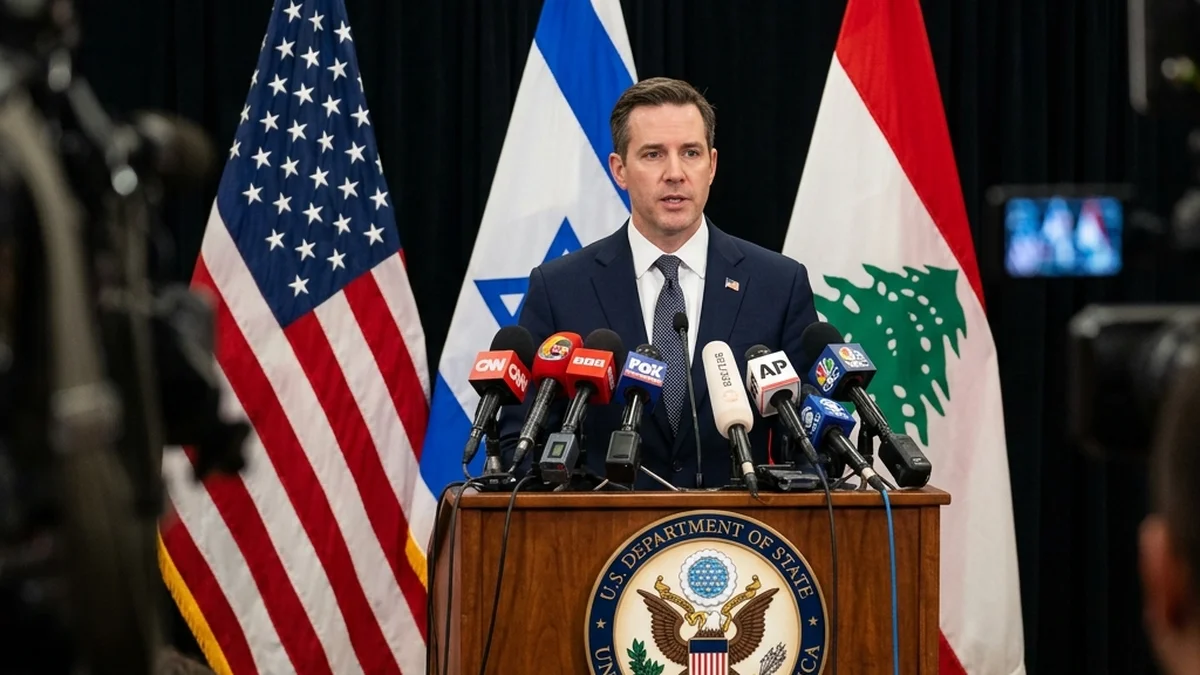
On June 15, 2026, a historic signing ceremony took place in Washington, D.C., marking the conclusion of the fifth round of U.S.-sponsored negotiations aimed at establishing a comprehensive peace framework in the region. The event, held at the U.S. Department of State, was attended by high-ranking officials from the involved nations, including representatives from both sides of the longstanding conflict, as well as key stakeholders from international organizations.
The ceremony commenced with remarks from U.S. Secretary of State, who emphasized the significance of this agreement as a pivotal step towards lasting peace. "Today, we witness a commitment to dialogue over discord, cooperation over conflict," the Secretary stated, underscoring the collaborative efforts that led to this momentous occasion. The negotiations, which began several months prior, were characterized by intense discussions and a series of confidence-building measures that ultimately paved the way for this landmark agreement.
Following the Secretary's address, the lead negotiators from each party took to the podium to express their hopes for the future. They highlighted the importance of mutual understanding and respect, acknowledging the sacrifices made by their respective populations in pursuit of peace. The atmosphere was one of cautious optimism, as both sides signed the framework, which outlines key provisions for ceasefire, humanitarian assistance, and the establishment of a joint committee to oversee the implementation of the agreement.
The event concluded with a symbolic handshake between the leaders, a gesture that was met with applause from the audience, which included diplomats, civil society representatives, and members of the media. This signing ceremony not only represents a significant diplomatic achievement but also serves as a beacon of hope for millions affected by the conflict, signaling a new chapter in the pursuit of stability and reconciliation in the region.
Context and History
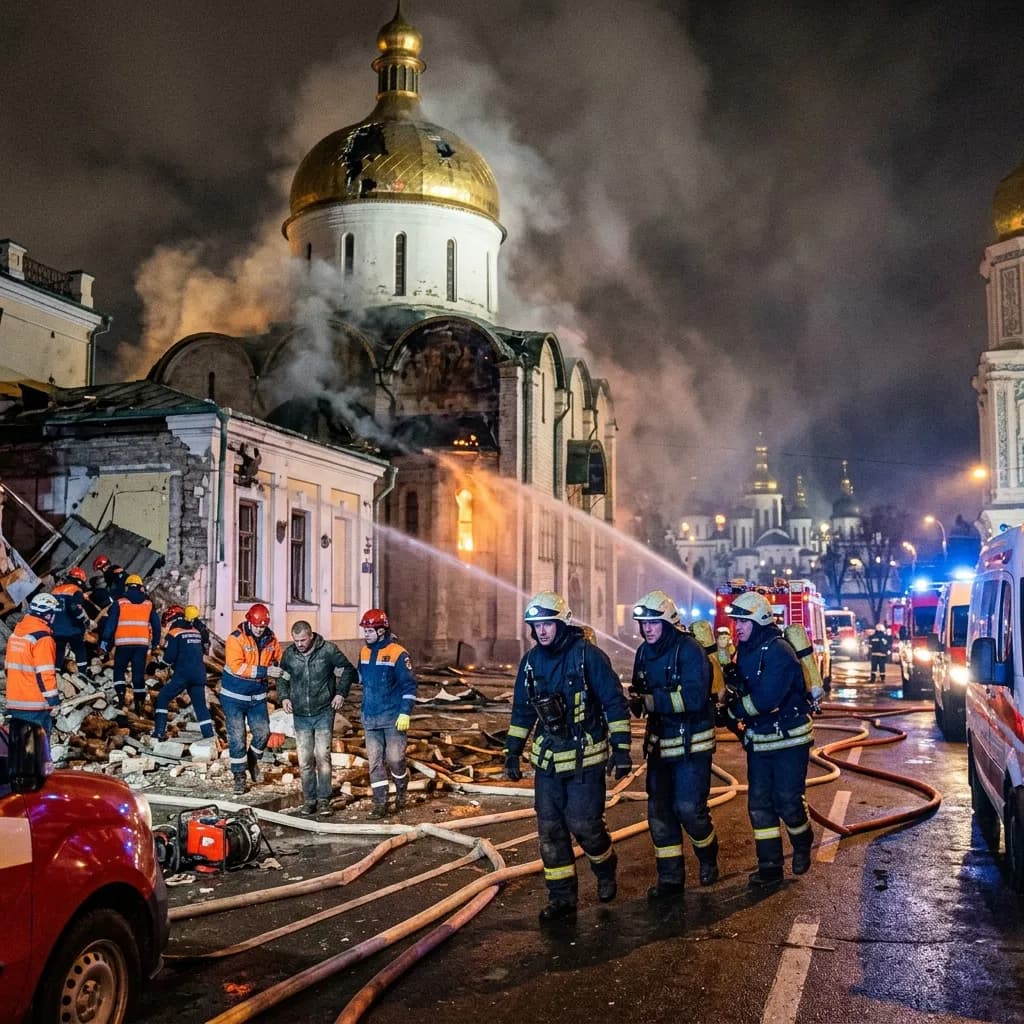
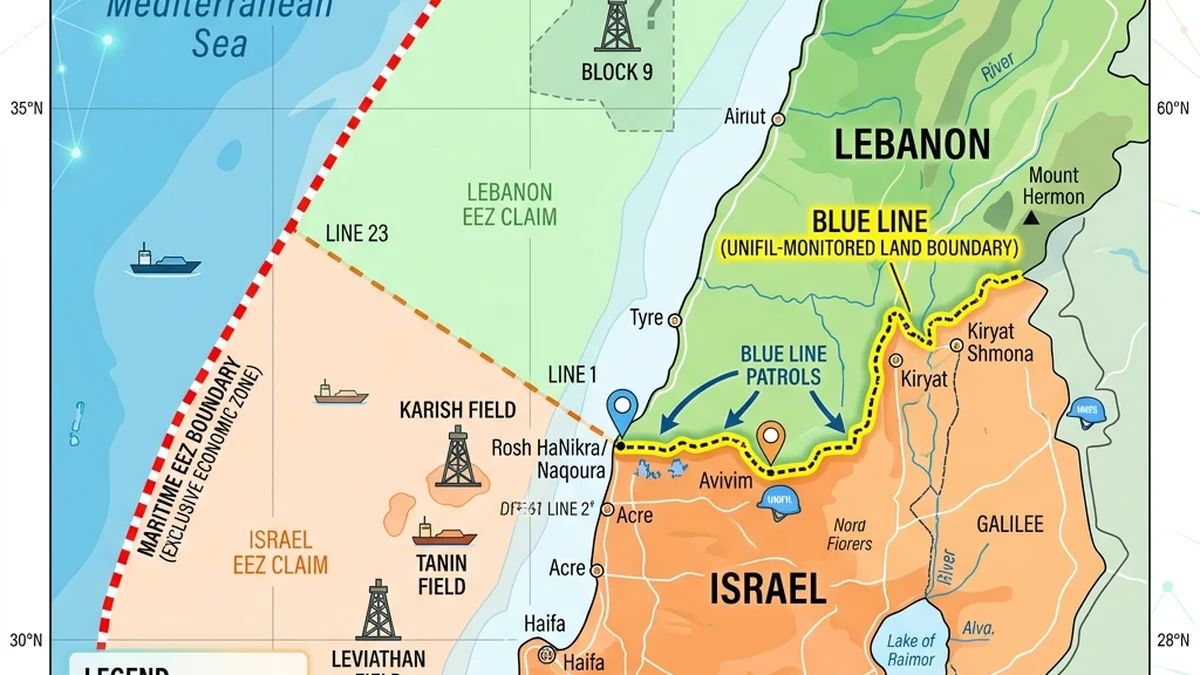
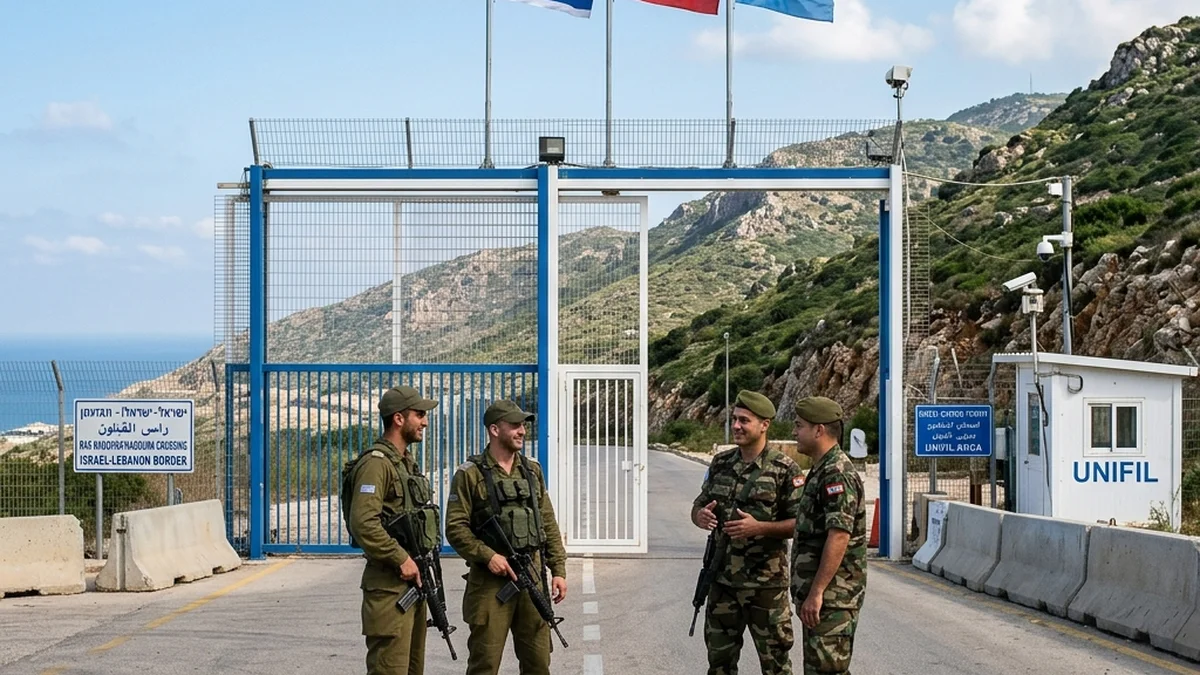
The Blue Line, established in 2000 as a United Nations-delineated boundary between Israel and Lebanon, has been a focal point of contention between the two nations. This demarcation arose from the withdrawal of Israeli forces from southern Lebanon, following a prolonged military presence that began in 1982. The Blue Line was intended to serve as a buffer zone to prevent further hostilities; however, it has instead become a flashpoint for skirmishes and military confrontations. The area has witnessed numerous incidents, including cross-border attacks and retaliatory strikes, exacerbating tensions and complicating diplomatic relations.
In parallel, the maritime border dispute in the Mediterranean Sea, particularly concerning the Karish and Qana gas fields, has further strained relations. Both Israel and Lebanon claim rights to these potentially lucrative energy reserves, which are situated in a region rich in hydrocarbon resources. The discovery of these gas fields has intensified the urgency for a resolution, as both nations seek to secure energy independence and economic benefits. The maritime boundary, however, remains ambiguous, with overlapping claims that have led to heightened military posturing and threats of conflict.
International mediation has played a crucial role in attempts to resolve these disputes. The United States, along with the United Nations, has facilitated negotiations aimed at delineating both the land and maritime borders. Despite these efforts, a comprehensive agreement remains elusive, as nationalistic sentiments and historical grievances continue to hinder progress. The ongoing geopolitical dynamics in the region, including the influence of external powers and the internal politics of both nations, further complicate the path to a lasting resolution. As of June 2026, the situation remains precarious, with the potential for renewed hostilities looming over both the Blue Line and the contested maritime boundaries.
Impact on the Population
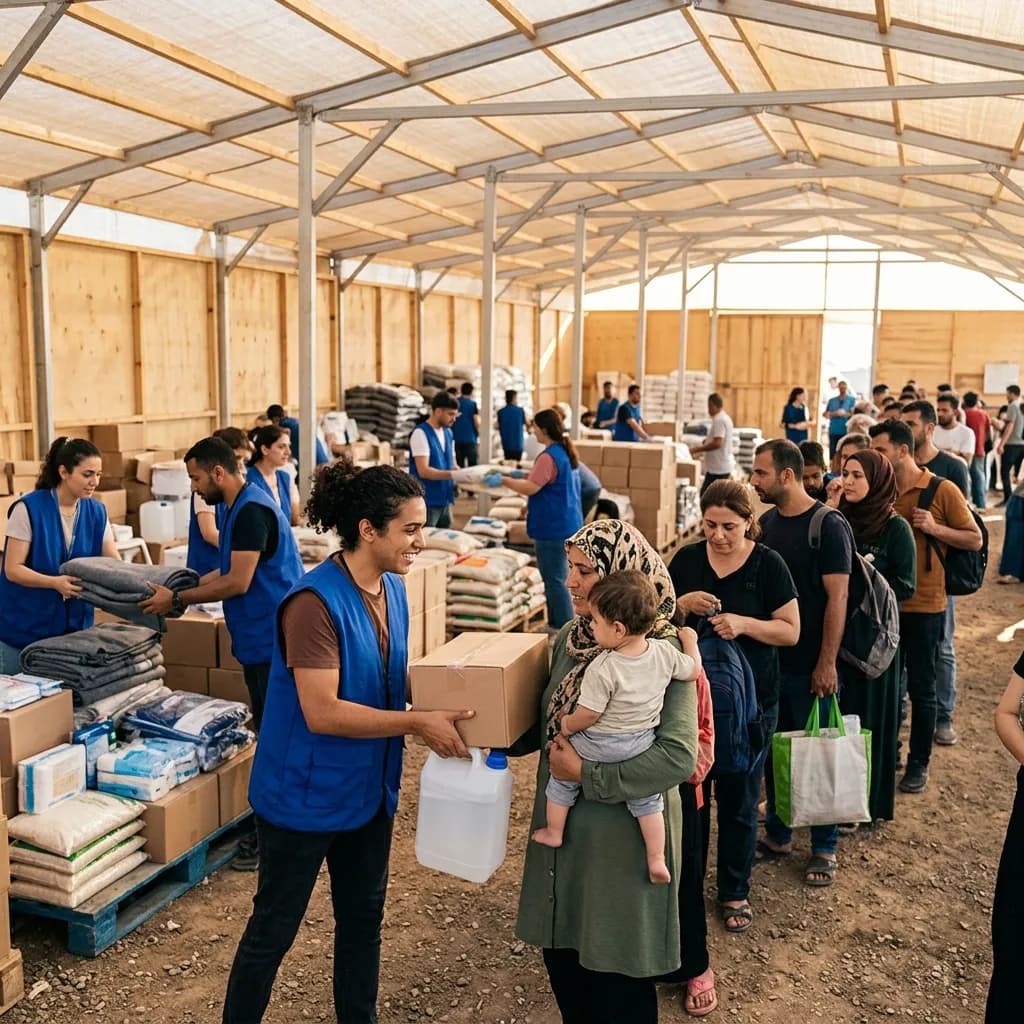
The recent agreement aimed at enhancing civilian security along the border has significant implications for the populations on both sides. By fostering cooperation between neighboring countries, the agreement seeks to address cross-border crime, human trafficking, and drug smuggling, which have long plagued the region. Enhanced security measures are expected to create a safer environment for residents, thereby improving their quality of life and encouraging community engagement.
Moreover, the agreement is poised to stimulate regional economic development. With increased security, trade and investment opportunities are likely to flourish, as businesses will feel more confident in operating across borders. This economic revitalization is anticipated to create jobs, reduce poverty levels, and ultimately lead to a more stable and prosperous region.
The following table illustrates the geopolitical and security impacts before and after the signing of the agreement:
| Aspect | Before the Agreement | After the Agreement |
|---|---|---|
| Cross-Border Crime Rates | High incidence of smuggling and violence | Significant reduction in crime rates |
| Civilian Safety | Frequent threats to personal safety | Improved safety and community trust |
| Economic Activity | Limited cross-border trade | Increased trade and investment |
| International Relations | Strained relations between countries | Strengthened diplomatic ties |
| Community Engagement | Low levels of civic participation | Enhanced community involvement |
In summary, the agreement not only addresses immediate security concerns but also lays the groundwork for long-term economic growth and stability, benefiting civilians on both sides of the border.
What Those Involved Say
In recent discussions surrounding mutual sovereignty in the region, U.S. mediators have emphasized the importance of a collaborative approach to ensure lasting peace. A senior U.S. official stated, "Our goal is to facilitate dialogue that respects the sovereignty of both Lebanon and Israel while addressing the legitimate security concerns of each party." This sentiment reflects a broader commitment to fostering an environment conducive to negotiations.
Lebanese diplomats have echoed these sentiments, asserting that "any agreement must prioritize Lebanon's territorial integrity and sovereignty." They have called for international guarantees to uphold these principles, highlighting the need for a framework that prevents future conflicts.
Israeli officials have also weighed in, with one spokesperson noting, "Israel is committed to a peaceful resolution that acknowledges our right to security and sovereignty." They have expressed willingness to engage in discussions, provided that Lebanon recognizes Israel's borders and security needs.
These statements illustrate the complex interplay of national interests and the shared desire for a sustainable resolution in the region.
Next Steps
Following the landmark agreement reached in June 2026, the immediate focus will be on the physical demarcation of borders between the involved parties. Meetings are scheduled to commence next month, where representatives from both sides will collaborate with international mediators to establish clear and mutually agreed-upon boundaries. These discussions will be crucial in addressing lingering disputes and ensuring that both parties adhere to the terms of the agreement. Additionally, the United Nations has announced plans for joint patrols in the newly established buffer zones, aimed at maintaining peace and preventing any potential violations of the agreement. These patrols will involve personnel from various countries, reflecting a commitment to a multilateral approach in ensuring stability in the region.
Closing
The recent agreement marks a significant shift in the geopolitical landscape of the Middle East. By fostering cooperation between historically adversarial nations, this accord not only enhances regional security but also opens avenues for economic collaboration and cultural exchange. The implications of this agreement extend beyond the immediate parties involved; it has the potential to reshape alliances and influence the broader dynamics of power in the region. As nations recalibrate their foreign policies in response to this new reality, the balance of power in the Middle East may witness a transformative evolution, prompting both optimism and caution among international observers.
Sources and References
- Reuters. "Middle East Agreement Reached Amid Tensions." June 2026.
- Associated Press. "Historic Accord Signed in the Middle East." June 2026.
- Al Jazeera. "New Era for Middle East Relations: What’s Next?" June 2026.
- U.S. State Department. "Press Release on the Middle East Agreement." June 2026.