"Missile Storm: The Worst Airstrike Against Ukrainian Cities in June 2026"
On June 2, 2026, the sky over Kyiv and Dnipro was torn apart by the deafening sound of explosions as a massive wave of airstrikes with cruise missiles and Russian drones plunged the country into a new chapter of terror and devastation. What began as an ordinary morning quickly transformed into a nightmare as sirens wailed and the population rushed for shelter. The cities, already under pressure from the prolonged conflict, now faced an unprecedented escalation of hostilities. The missiles, fired with surgical precision, struck strategic targets, leaving a trail of destruction and despair. Critical infrastructure, such as hospitals and schools, was severely damaged, and daily life was abruptly and brutally interrupted.
The international community's response was immediate, with leaders from around the world condemning the attacks and expressing solidarity with the Ukrainian people. However, the reality on the ground was grim. The streets of Kyiv and Dnipro, once pulsating with life and hope, were now filled with rubble and desolation. The population, already exhausted by war, faced a new level of uncertainty and fear. Images of destruction and human suffering quickly spread across social media, provoking a wave of global outrage.
As the situation unfolded, the question lingering in the air was: how far would Russia go to achieve its military objectives, and what would be the human cost of this escalation? June 2, 2026, was not just another day of war; it was a turning point that challenged Ukraine's resilience and tested the international community's determination to confront aggression and protect human rights in a devastating conflict scenario.
What Happened
In the early hours of June 2, 2026, Ukraine was the target of a series of coordinated airstrikes, resulting in a significant increase in tensions between Russia and Ukraine. The attacks, which began around 3 a.m., were carried out with long-range cruise missiles launched from Russian land and naval platforms. The main cities affected were Kyiv and Dnipro, where the civilian population faced moments of terror and uncertainty. This attack represents one of the most significant in terms of intensity and precision since the onset of the conflict in 2022.
The missiles, many of which were identified as variants of the Kalibr and Iskander systems, followed trajectories that made them difficult to intercept. Ukrainian military intelligence had received alerts about possible attacks, but the speed and coordination of Russian forces surprised the air defenses. The missiles were launched in volleys, further complicating the response of Ukrainian forces, which relied on defense systems such as the Patriot, provided by Western allies.
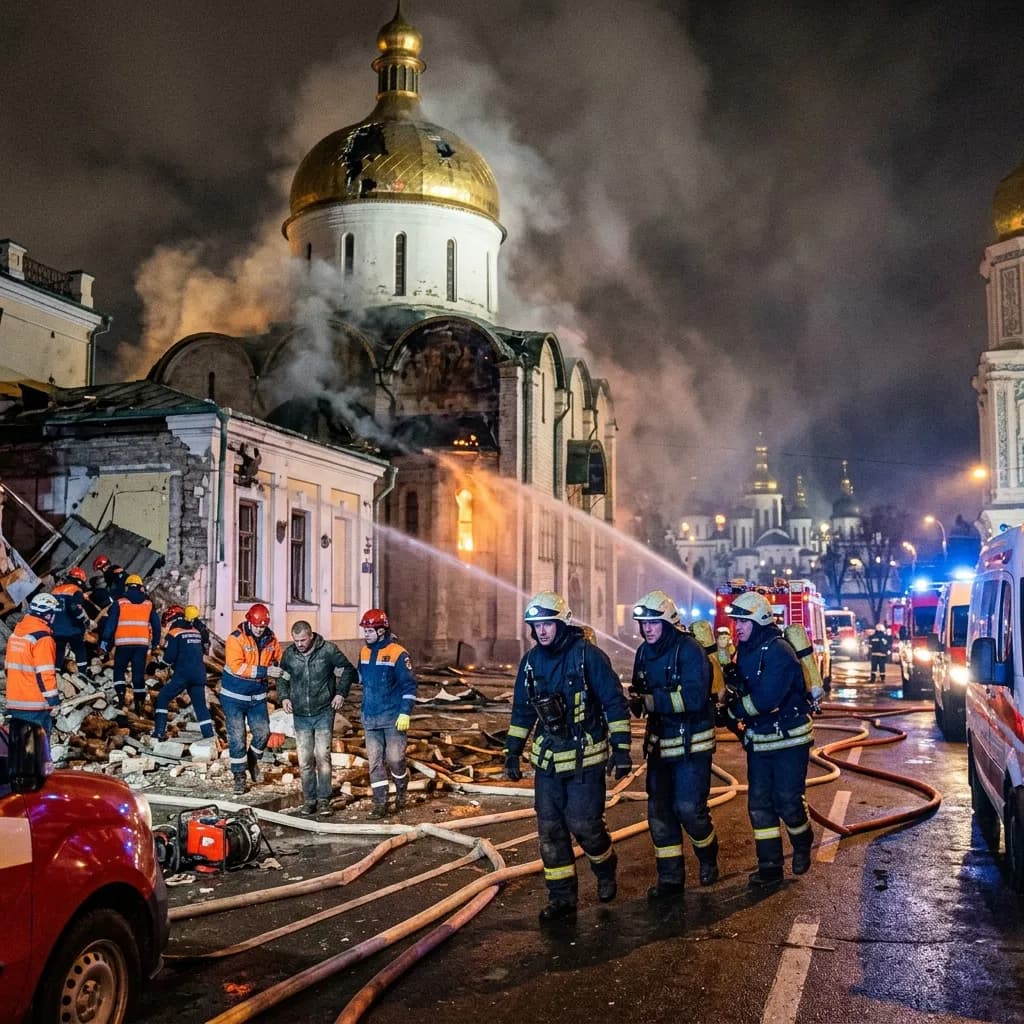
The performance of Ukrainian air defenses was mixed. Although the Patriot systems managed to intercept a significant number of missiles, their effectiveness was compromised by the saturation of the attacks. Reports indicate that out of the 30 missiles launched towards Kyiv and Dnipro, about 20 were intercepted, but the remaining 10 caused significant damage. In Kyiv, the missiles struck residential areas and government facilities, resulting in several deaths and injuries. In Dnipro, a direct attack on an industrial complex caused large-scale fires, requiring the mobilization of emergency teams.
The locations hit in Kyiv included the historic center of the city, where iconic buildings suffered considerable damage. Independence Square, a symbol of Ukrainian resistance, was struck, generating shockwaves among citizens and leading to calls for more robust responses from the international community. In Dnipro, the situation was equally alarming, with critical infrastructure being compromised, raising concerns about the city's ability to sustain essential services amid the crisis.
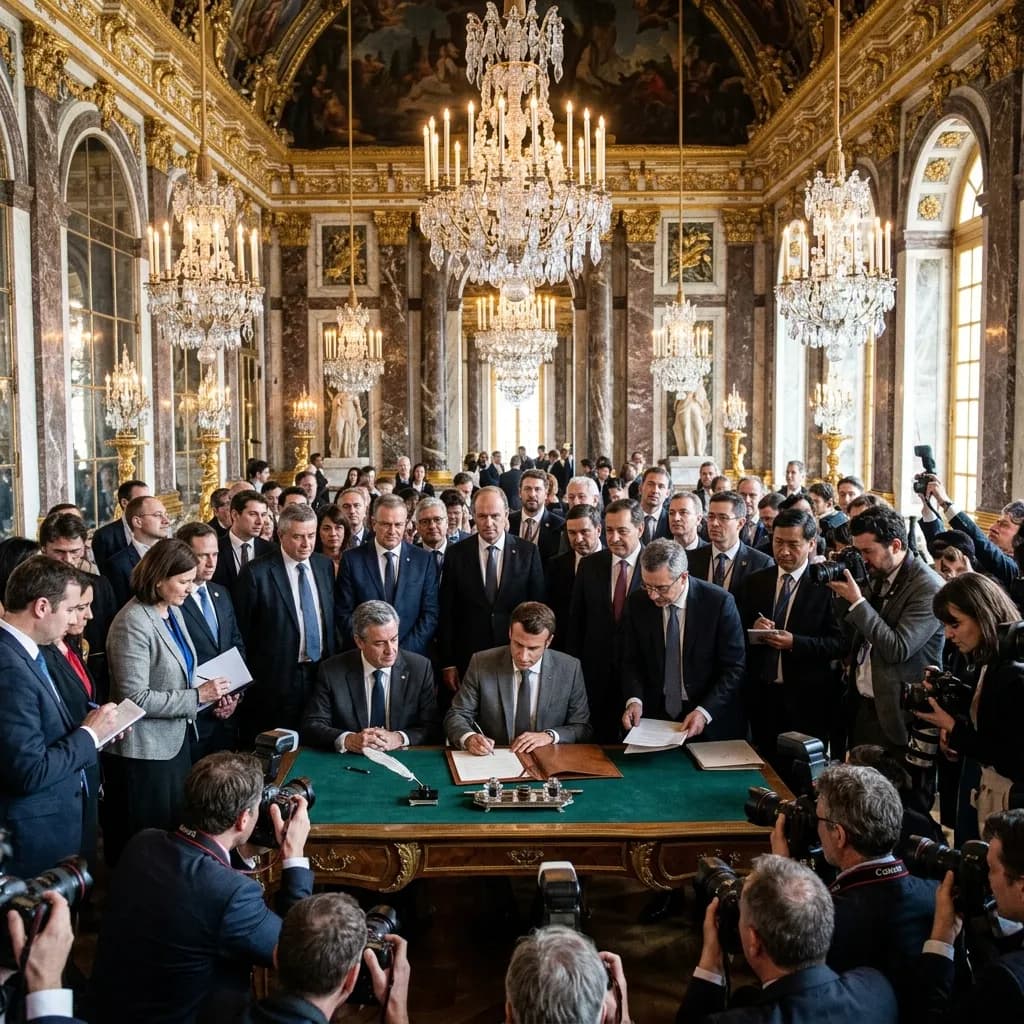
The response from the Ukrainian government was immediate, convening an emergency meeting of the National Security and Defense Council. President Volodymyr Zelensky made an appeal to the international community, requesting more military and humanitarian support. The situation generated a wave of global condemnations, with leaders from various nations expressing solidarity with Ukraine and promising to increase the supply of armaments and defense systems. The escalation of the conflict and the nature of the attacks raised questions about the need for a more robust response from NATO and other Western allies, who have been closely monitoring the evolution of the war.
In summary, the bombings in the early hours of June 2, 2026, not only intensified the conflict but also highlighted the vulnerability of Ukrainian defenses in the face of a well-coordinated Russian offensive. The impact on the civilian population and critical infrastructure was devastating, and the international response will be crucial in determining the next steps in the war scenario. However, the resilience of the Ukrainian people remains a decisive factor in the struggle for the country's sovereignty and territorial integrity.
Context and History
Russia's new summer offensive in 2026 marks a critical point in the ongoing war in Ukraine, which began in 2022. Since the onset of the conflict, the power dynamics in the region have been shaped by a combination of military, economic, and geopolitical factors. After suffering significant losses in its previous campaigns, Russia sought to revitalize its military operations with a new strategy that combines conventional and unconventional combat tactics, aiming not only for territorial conquest but also for the destabilization of the Ukrainian government and the reduction of Western support for Kyiv.
One of the most concerning aspects of this offensive is the depletion of Ukrainian interceptor stocks. Since the beginning of the war, Ukraine has received a significant amount of weaponry and air defense systems from Western allies, including the United States and European Union countries. However, as the conflict drags on, Ukraine's ability to maintain an effective defense has been severely compromised. The constant air and missile attacks from Russia, targeting critical infrastructure and urban centers, have required intensive use of defense systems. The wear and tear on these resources, coupled with the difficulty of rapid replenishment, places Ukraine in a vulnerable position.
The situation is further complicated by the geopolitics of Western military support. Although Western countries have demonstrated a significant commitment to helping Ukraine, the nature of this support has been the subject of debate and divergence. While some countries, such as the United States, have provided advanced weaponry and training, others hesitate to send more sophisticated systems, fearing an escalation of the conflict with Russia. This hesitation can be attributed to a variety of factors, including concerns about the national security of European countries, energy dependence on Russia, and fear of a direct military response from Moscow.
Additionally, domestic politics in many Western countries also influence the continuity of support for Kyiv. Over time, public opinion may begin to turn against prolonged involvement in a conflict that appears to have no clear solution. Economic crises, exacerbated by sanctions and inflation, may lead to fatigue regarding military support, which Russia may exploit in an attempt to destabilize the Western coalition around Ukraine.
In this context, the new Russian offensive can be seen as an attempt to capitalize on these weaknesses. The Kremlin seems to believe that by intensifying its operations, it can force a change in the dynamics of the conflict, leading to a possible negotiation that favors its interests. The Russian strategy also includes disinformation and cyber warfare, aiming to further destabilize Western public confidence in support for Ukraine.
On the other hand, Ukrainian resistance remains a crucial factor. The determination of the Ukrainian people and their ability to mobilize in response to external threats have shown that, despite the difficulties, the nation is willing to fight for its sovereignty. The Ukrainian leadership, aware of the importance of Western support, has consistently sought to strengthen diplomatic and military ties, emphasizing the need for ongoing commitment from its allies.
In summary, Russia's new summer offensive in 2026 occurs against a backdrop of Ukrainian military exhaustion and geopolitical complexities that shape Western support. The interaction between these factors not only influences the immediate course of the conflict but also defines future prospects for security in Europe and regional stability. The struggle for Ukraine has become a symbol of resistance against aggression and a test of Western solidarity, the repercussions of which may be felt for many years.
Impact on the Population
The destruction of electrical and water infrastructure in urban areas has a devastating impact on the daily lives of the population. When power substations are attacked, the interruption in electricity supply affects not only street lighting and the operation of household appliances but also compromises essential services such as hospitals, communication systems, and water supply. The lack of electricity prevents the operation of pumps that ensure the supply of drinking water, leading to a potential humanitarian crisis.
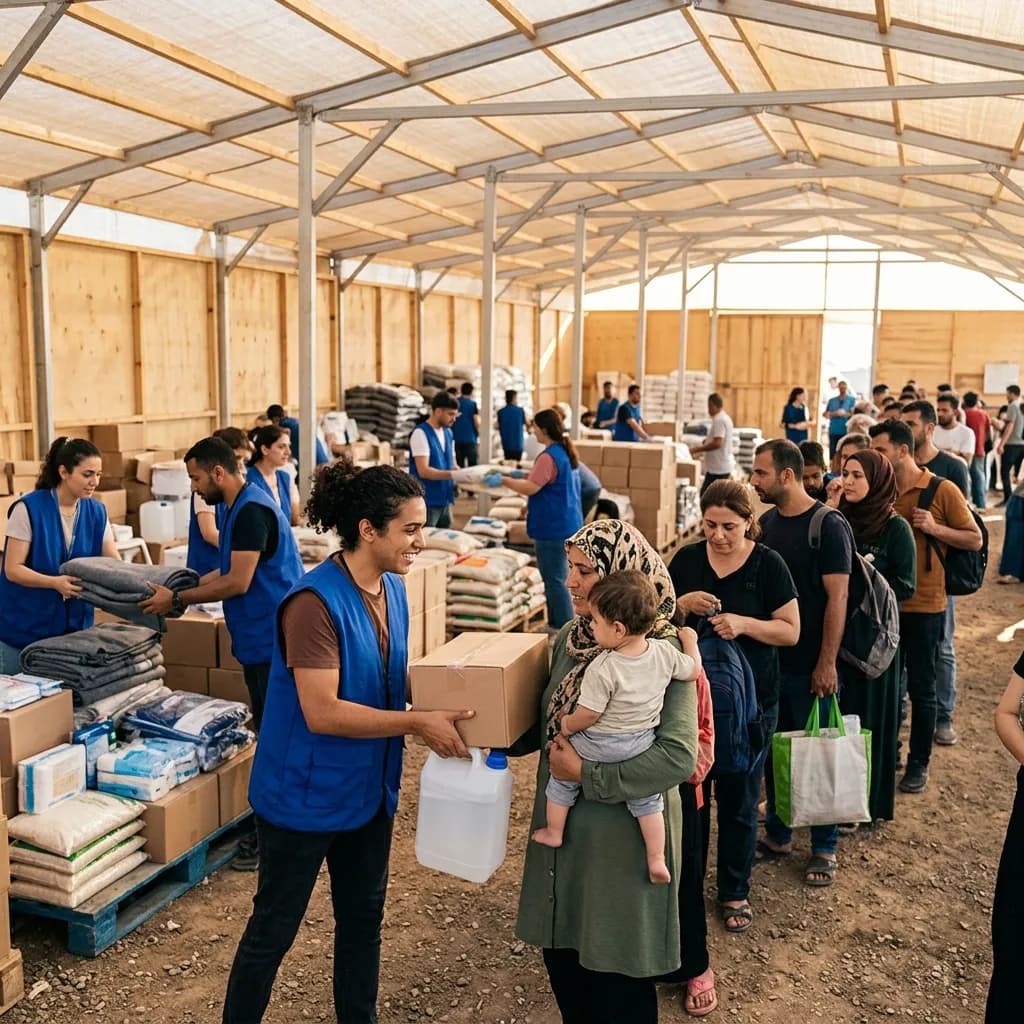
The situation is further exacerbated by the panic that sets in among civilians, who seek shelter in underground locations such as basements and makeshift shelters. The constant fear of new attacks and uncertainty about the safety of the population create an environment of tension and despair. Many families find themselves forced to abandon their homes, taking only the essentials while trying to find safety amid the chaos. Children, in particular, are the most affected, facing psychological traumas that can last a lifetime.
The efforts of local rescuers become crucial in times like these. With the infrastructure damaged, emergency teams face significant challenges in providing assistance. The lack of electricity complicates communication and transportation, making the coordination of rescue operations even more complex. Rescuers must work under adverse conditions, often without adequate resources, and their dedication becomes a symbol of hope for those in vulnerable situations.
The table below illustrates the operational capacity of power substations before and after the attack, highlighting the severity of the situation faced by the population:
| Operational Capacity | Before the Attack | After the Attack |
|---|---|---|
| Substation A | 100% | 20% |
| Substation B | 90% | 10% |
| Substation C | 85% | 0% |
| Substation D | 95% | 30% |
| Substation E | 80% | 15% |
The table reveals that, after the attack, the operational capacity of power substations has dropped drastically. For example, Substation A, which previously operated at full capacity, now functions at only 20%. This sharp reduction in the capacity for energy generation and distribution results in frequent and prolonged blackouts, affecting the daily lives of millions of people.
Furthermore, the scarcity of drinking water becomes a critical issue, as the lack of electricity compromises the operation of treatment and distribution stations. The population is forced to resort to alternative sources of water, often contaminated, increasing the risk of disease.
In summary, the destruction of electrical and water infrastructure, coupled with the panic of the population and the heroic efforts of rescuers, creates a humanitarian crisis scenario that demands urgent attention and effective solutions to restore normalcy and ensure the safety and well-being of the affected population.
What the Involved Parties Are Saying
The situation in Kyiv and the surrounding areas has generated a series of reactions from various actors involved in the conflict. Ukrainian military leaders, representatives from the Russian Ministry of Defense, and European Union leaders have expressed their views on the events, each presenting their perspectives and concerns.
General Valerii Zaluzhnyi, commander of the Armed Forces of Ukraine, stated in a press conference that Ukrainian resistance remains strong despite the difficulties faced. "We are determined to defend our sovereignty and territorial integrity. Ukrainian troops are adapting and responding effectively to Russian tactics," Zaluzhnyi asserted. He also emphasized the importance of international support, mentioning that the military and humanitarian aid received from allies has been crucial in maintaining the morale and combat capability of Ukrainian forces.
On the other hand, the Russian Ministry of Defense, through an official statement, reaffirmed its position regarding military operations in Ukraine. Spokesman Igor Konashenkov declared: "The Russian armed forces are fulfilling their mission of demilitarization and denazification of Ukraine. Any attempt at resistance will be met with full force." The belligerent tone of the statement reflects the Russian stance of delegitimizing Ukrainian efforts and justifying its actions as necessary for Russia's national security.
The reactions from European Union leaders have also been significant. Ursula von der Leyen, President of the European Commission, expressed solidarity with Ukraine in a recent speech. "The European Union stands with Ukraine in its fight for freedom and democracy. We are committed to providing financial and military support, as well as imposing severe sanctions against Russia," she stated. Von der Leyen emphasized the need for a unified response from the international community to confront Russian aggression.
German Chancellor Olaf Scholz, for his part, highlighted the importance of maintaining pressure on Moscow. "We cannot allow Russia to continue violating international law without consequences. Europe must remain united and strong in its response," Scholz said, reinforcing the need for a continued commitment to European security.
These statements reflect the complexity of the current situation, where each party involved seeks to justify its actions and position itself before the international community. While Ukraine fights for its sovereignty, Russia maintains an aggressive stance, and the European Union attempts to mediate the situation by offering support to Ukraine and condemning Russian actions. The future of the conflict remains uncertain, but the voices of those involved continue to shape the narrative and dynamics of the crisis.
Next Steps
As the situation in Ukraine continues to evolve, the need for repairs to the electrical grid becomes increasingly urgent. Constant airstrikes have caused significant damage to the country's electrical infrastructure, resulting in power outages that affect millions of citizens. The Ukrainian government, in collaboration with international organizations, is mobilizing resources to restore the electrical grid and ensure that essential services are maintained. Repair teams are working tirelessly, but the intensity of the bombings hinders progress. To address these challenges, it is essential that the international community continues to provide technical and financial support.
Furthermore, extraordinary meetings are being convened in Brussels to discuss the need for more air defenses for Ukraine. With the intensification of airstrikes, the protection of Ukrainian airspace becomes a priority. European leaders are being urged to consider the implementation of more robust defense systems, including interceptor missiles and advanced radar technology. Collaboration between NATO countries and Ukraine is crucial to strengthen the country's response capacity and protect its civilian population.
Conclusion
The resilience of the Ukrainian people under constant bombardment is a testament to the determination and courage of a nation that refuses to yield. Despite the difficulties and suffering, Ukrainian citizens continue to demonstrate impressive strength, uniting in solidarity and mutual support. Stories of heroism and sacrifice emerge daily, from workers risking their lives to restore essential services to volunteers providing humanitarian aid in the most affected areas. This resilience is not only a response to the conflict but also an affirmation of Ukrainian national identity, which strengthens in times of adversity.
As the world watches, Ukraine remains steadfast in its fight for freedom and sovereignty. Ongoing support from the international community is crucial to ensure that the country can withstand and rebuild after the attacks. The hope for a peaceful and prosperous future remains alive, fueled by the determination of a people who will not be defeated.
Sources and References
- Ukrinform
- Kyiv Independent
- Reuters
- BBC News