"Historic Agreement: US and Iran Announce Truce in Hormuz and Suspension of Blockades"
In a surprising and promising development in international relations, the United States and Iran announced on June 14, 2026, a preliminary agreement aimed at establishing a strategic ceasefire and ensuring the free passage of vessels in the Strait of Hormuz. This agreement comes at a critical moment, where geopolitical tensions in the Middle East have impacted not only the countries directly involved but also the global economy, particularly regarding oil trade. The Strait of Hormuz, one of the world's most important maritime routes, is vital for transporting a significant portion of the oil that fuels the economies of various nations. The announcement was met with cautious optimism by world leaders, who see it as an opportunity to reduce hostilities and promote more constructive dialogue among nations. The agreement not only seeks peace but also opens doors for a new era of cooperation, where security and economic development issues can be addressed jointly. However, the implementation of this agreement will not be without challenges. The historical distrust between the US and Iran, as well as internal opposition in both countries, may hinder the realization of the promises made. Despite this, there is hope that this initial step can lead to a deeper and more lasting understanding, benefiting not only the two countries but also the stability of the region and global trade. As the world watches, the expectation is that this agreement could be a catalyst for positive changes, promoting a safer and more prosperous environment for all.
What Happened
In a surprising statement made on June 14, 2026, the President of the United States, Donald Trump, announced the suspension of the naval blockade imposed on Iranian ports, in an attempt to de-escalate tensions in the Middle East. The announcement occurred in a complex geopolitical context, marked by a recent Israeli bombing in Beirut, which left the international community on high alert. Trump's decision was conditioned on the demobilization of Iran's coastal missile batteries and the opening of tariff-free traffic in the Strait of Hormuz, one of the world's most strategic maritime routes.
Trump's statement was met with mixed reactions. On one hand, diplomats and international security analysts interpreted the measure as a positive step toward reducing hostilities in the region. The naval blockade, which had been imposed as part of a broader strategy to contain Iranian influence, was widely criticized for exacerbating the humanitarian crisis in the country and for hindering oil trade, essential for the global economy. The suspension of the blockade could, therefore, facilitate Iran's economic recovery and open space for broader diplomatic negotiations.
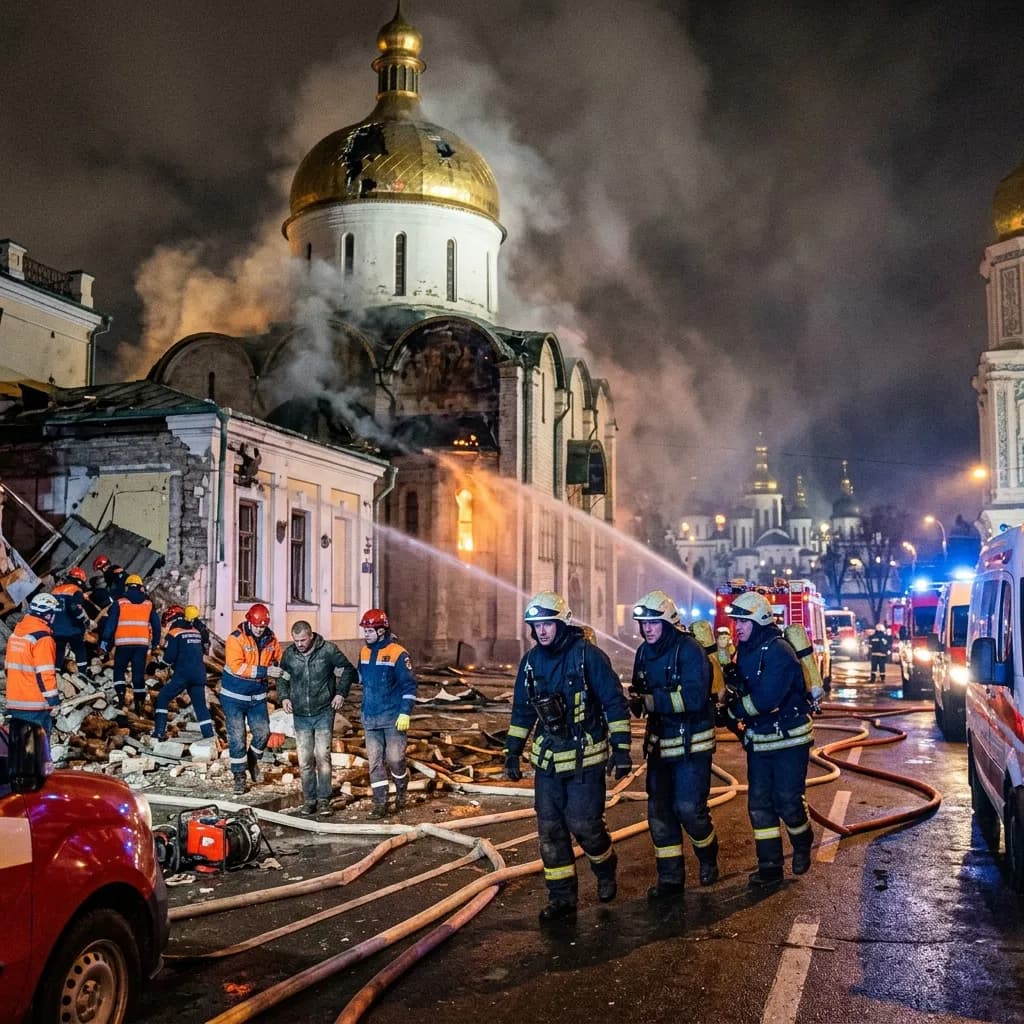
However, Trump's decision was overshadowed by the Israeli bombing in Beirut, which occurred just hours before his statement. The attack, which targeted alleged sites of Iran-backed militant groups, raised questions about the viability of Trump's proposal and the possibility of a lasting agreement. Iran's response to the bombing was swift and forceful, with Iranian officials promising to retaliate and reaffirming their commitment to defending their allies in the region. This dynamic of action and reaction suggests that the suspension of the blockade may not be sufficient to stabilize the situation, especially if hostilities continue to escalate.
Furthermore, Trump's proposal to open tariff-free traffic in Hormuz was met with skepticism by many analysts. The Strait of Hormuz is a critical point for oil transportation, with about 20% of the world's oil passing through its waters. The idea of eliminating tariffs could be seen as an attempt to ensure a continuous flow of oil, but it also raises concerns about navigation security in the region. The presence of Iranian military forces and the possibility of new confrontations could create an unstable environment that might nullify the expected economic benefits.
The impact of Trump's decision also extends to the internal political landscape of the United States. The administration faces criticism from various sectors, including members of Congress who question the effectiveness of the government's foreign policy regarding Iran. The opposition argues that the suspension of the blockade may be seen as a sign of weakness and an incentive for Iran to continue its military activities in the region. On the other hand, supporters of the measure argue that diplomacy is the only way to avoid large-scale armed conflict and that opening channels of communication can lead to a deeper understanding between the involved parties.
In summary, Donald Trump's statement regarding the suspension of the naval blockade on Iran represents a crucial moment in a volatile geopolitical landscape. While the proposal for missile demobilization and the opening of Hormuz without tariffs may be seen as steps toward peace, the reality on the ground, exacerbated by events such as the bombing in Beirut, suggests that the path to stability in the region remains uncertain. The international community is closely watching the developments, aware that any misstep could lead to unpredictable consequences, not only for the Middle East but for global security as a whole.
Context and History
In recent months, the Persian Gulf region has been the scene of intense geopolitical tensions, exacerbated by a series of military incidents and a war of economic sanctions that reflect the historical rivalries among the countries in the area. The previous weeks have been marked by an escalation of confrontations, including the downing of helicopters and drones, which not only intensified regional insecurity but also raised questions about the mediation capacity of countries like Qatar and Oman.
One of the most notable incidents was the downing of a military helicopter in a disputed area, which was attributed to a supposed action by rival forces. This event was not isolated; in fact, it fits into a pattern of aerial incidents that include the interception and destruction of drones. These drones, often used for reconnaissance or attacks, have become a common tool in the military tactics of the region, reflecting the increasing militarization and reliance on unmanned war technology. The downing of these aerial vehicles not only represents a military loss but also a symbol of the tensions at play, with each side seeking to assert its superiority and responsiveness.
In addition to aerial incidents, the war of economic sanctions has been a powerful weapon in disputes among Gulf nations. Countries such as Iran, Saudi Arabia, and the United Arab Emirates have used sanctions to pressure adversaries, seeking to undermine economies and influence political decisions. The impact of these sanctions is profound, affecting not only local economies but also social and political dynamics, creating an environment of distrust and hostility. Sanctions have often been justified by allegations of support for terrorism or human rights violations, but in practice, they frequently serve to deepen sectarian and political divisions in the region.
In this context, the mediation attempts by Qatar and Oman become even more relevant. Both countries have sought to act as intermediaries in a scenario marked by distrust and rivalries. Qatar, for example, has positioned itself as a facilitator of dialogues, promoting meetings between regional and international leaders. Oman, in turn, has a long tradition of discreet diplomacy and has worked to maintain open channels of communication, even in times of crisis. However, previous rounds of mediation have faced difficulties in generating concrete results, often due to the lack of willingness from the parties involved to make real compromises.
The complexity of the situation in the Gulf is further amplified by external factors, such as the influence of global powers, including the United States and Russia. The U.S. military presence in the region, for example, has been seen both as a factor of stability and as a source of provocation, depending on the perspective of each regional actor. Russia, on the other hand, has sought to expand its influence, often supporting regimes that challenge Western hegemony, which further complicates the power dynamics in the Gulf.
In summary, the current context in the Persian Gulf is characterized by a combination of military tensions, economic wars, and mediation efforts that, so far, have shown limited results. The downing of helicopters and drones, along with the implementation of sanctions, reflects an ongoing struggle for power and influence. Meanwhile, the mediation efforts of Qatar and Oman, although well-intentioned, face significant challenges in an environment where distrust and rivalry prevail. Resolving these tensions will require not only a commitment from the parties involved but also a deeper understanding of the regional and international dynamics that shape the future of the Gulf.
Impact on the Population
The recent stabilization in fuel prices, resulting from the agreement on the daily flow of commercial tanker ships through the Strait of Hormuz, has brought significant relief to global consumers. Before the announcement, the oil market faced extreme volatility, with prices skyrocketing due to geopolitical tensions and supply disruptions. The uncertainty surrounding maritime oil transport, especially through one of the world's most strategic routes, led to an increase in freight and marine insurance costs, directly impacting fuel prices at gas stations.
With the implementation of the agreement, the stabilization of prices not only benefited consumers but also had a positive cascading effect on the global economy. The reduction in freight and marine insurance costs, which are crucial components in the supply chain, resulted in temporary relief for businesses that rely on maritime transport for the import of goods and products. This, in turn, may lead to a decrease in prices for various products, ranging from food to electronics, providing much-needed breathing room for families around the world.
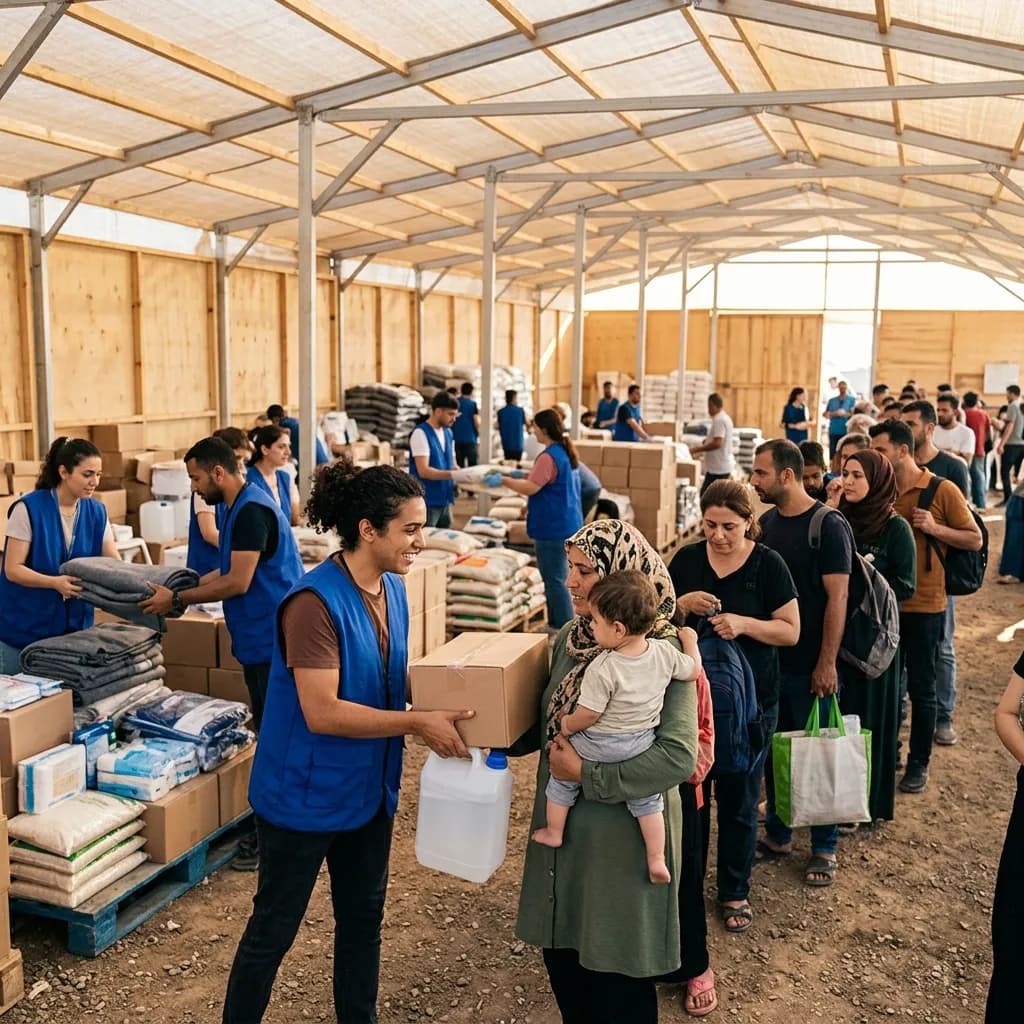
Additionally, the agreement brought temporary humanitarian relief to the Middle East region. With the stabilization of oil flow, countries facing humanitarian crises and economic difficulties were able to benefit from a more consistent supply of essential resources. Access to fuel at more stable prices can facilitate humanitarian aid operations, transportation of food and medicines, and other vital initiatives for the vulnerable population in the region.
The table below illustrates the main changes in economic indicators before and after the announcement of the agreement on the flow of tanker ships through the Strait of Hormuz:
| Indicator | Before the Agreement | After the Agreement |
|---|---|---|
| Average oil price (USD/barrel) | 90 | 75 |
| Average diesel price (USD/liter) | 1.50 | 1.20 |
| Average maritime freight cost (USD/ton) | 200 | 150 |
| Average marine insurance cost (%) | 5% | 3% |
| Consumer Price Index (CPI) | 120 | 115 |
| Access to fuels in affected regions | Limited | Improved |
These data clearly demonstrate the positive impact of the agreement, not only on the global economy but also on the daily lives of people. The reduction in fuel prices and transportation costs can be seen as a vital step toward economic recovery at a time when many countries are still struggling to recover from the effects of the pandemic and geopolitical crises.
In summary, the stabilization of the flow of tanker ships through the Strait of Hormuz not only brought immediate relief to global consumers but also had broader implications for the economy and food security, especially in vulnerable regions of the Middle East. The agreement represents an opportunity to promote peace and stability, showing that even in times of uncertainty, it is possible to find solutions that benefit the population at large.
What Those Involved Are Saying
The tensions in the Middle East have generated a series of statements from leaders and representatives of different nations, reflecting each one's concerns and perspectives on security in the region. The White House, through a spokesperson, emphasized the importance of constructive dialogue among the parties involved. "The United States is committed to promoting stability and peace in the Middle East. We believe that diplomacy is the only way to resolve differences and ensure long-term security for all the peoples of the region," stated the spokesperson. He also highlighted that the U.S. continues to support mediation efforts and is willing to collaborate with allies and partners to find sustainable solutions.
On the other hand, the Ministry of Foreign Affairs in Tehran expressed a different view on the situation. In an official statement, a spokesperson for the ministry said, "Iran is willing to engage in dialogue, but will not accept external impositions aimed at destabilizing our sovereignty. The security of the Middle East must be guaranteed by its own peoples, not by foreign interventions that only exacerbate tensions." The Iranian government also emphasized that the military presence of Western powers in the region is a factor contributing to insecurity and instability, and that only mutual understanding among the nations in the region can lead to a peaceful future.
The Israeli government's reaction to these statements was critical and cautious. A spokesperson for the Israeli Ministry of Foreign Affairs declared, "Iran's words are concerning and reflect a stance that does not contribute to peace. The security of Israel and its citizens is an absolute priority, and we cannot ignore the threats emanating from Tehran." The Israeli government has stressed the need for a firm approach regarding the Iranian nuclear program and other activities it considers destabilizing. "The international community must remain united and vigilant regarding Iran's actions, which continues to support terrorist groups and destabilize the region," added the spokesperson.
These statements illustrate the complexity of the situation in the Middle East, where divergent perspectives on security and diplomacy reflect the region's troubled history. While some leaders call for dialogue and understanding, others remain skeptical and concerned about the intentions of their neighbors. The future of security in the Middle East will largely depend on these nations' ability to find common ground amid deep-seated mistrust and often conflicting interests.
Next Steps
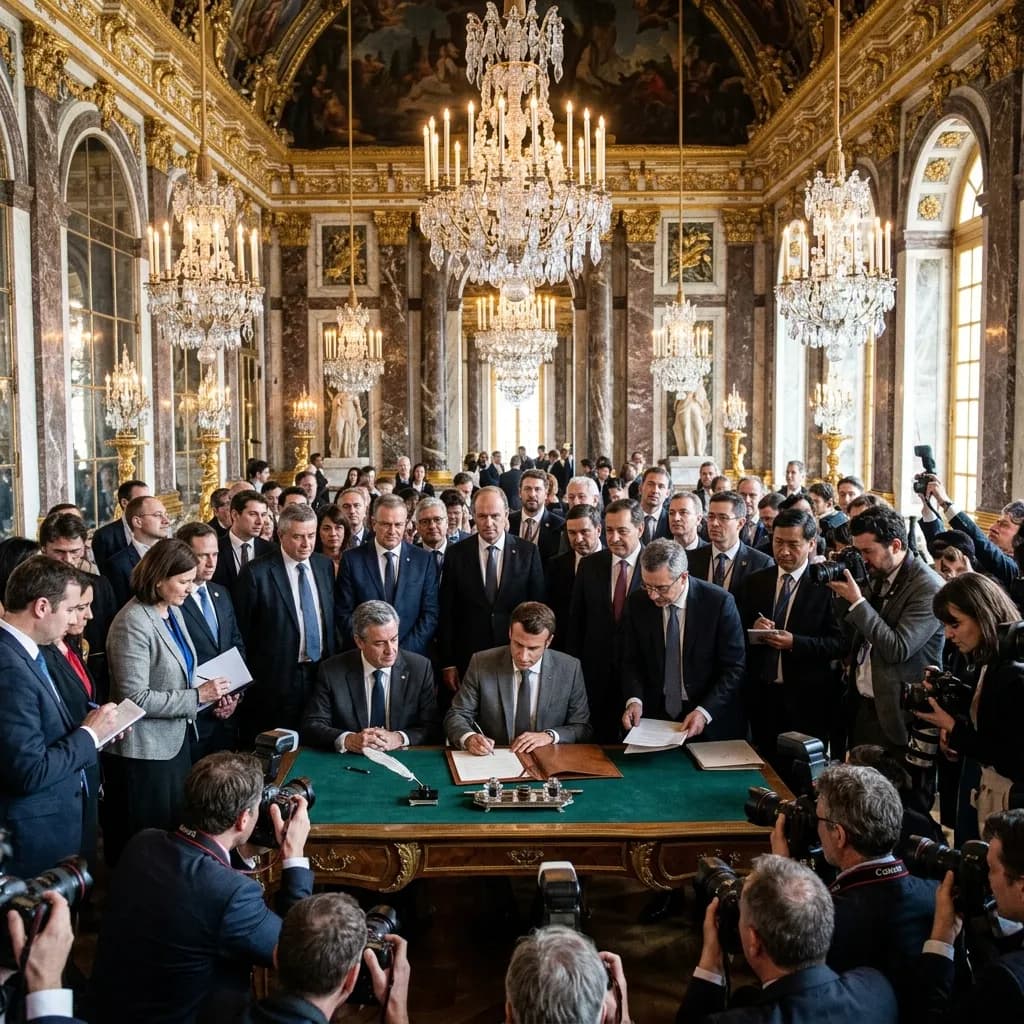
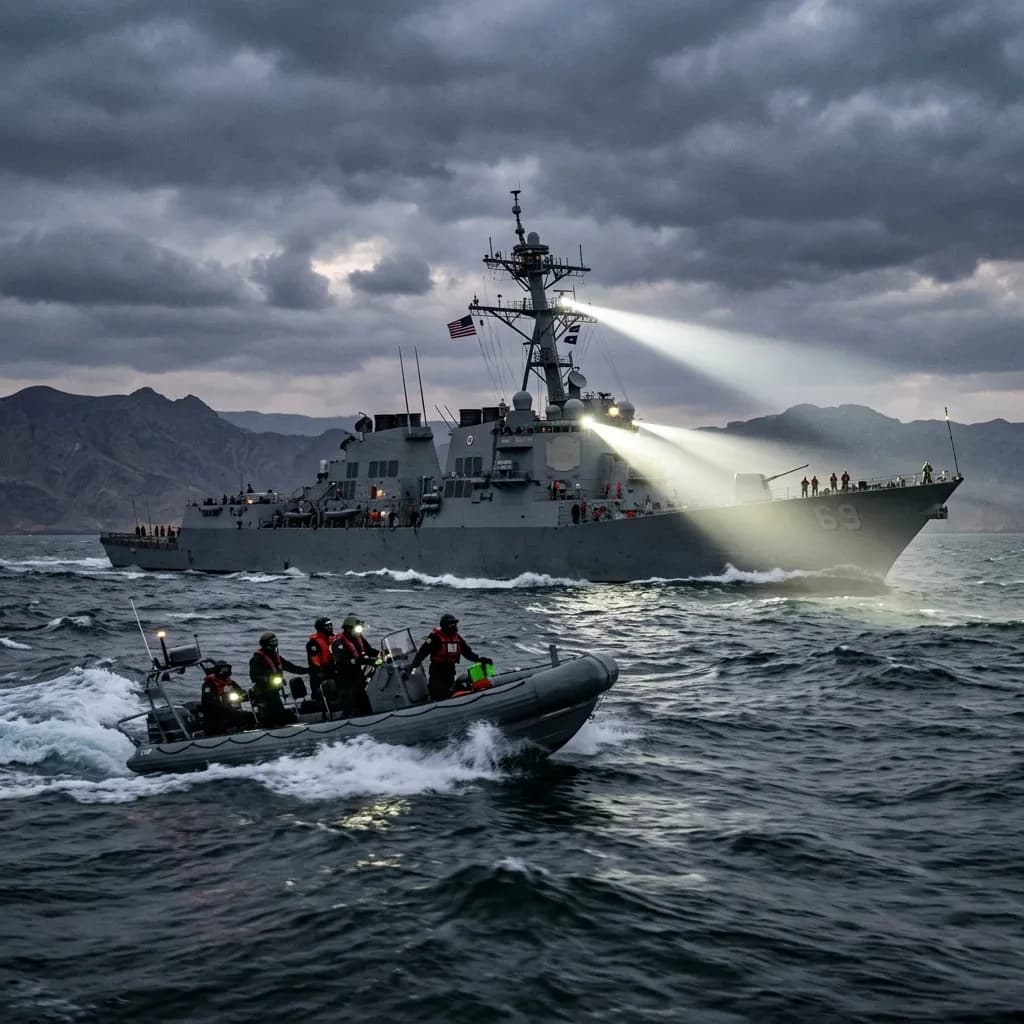
As the geopolitical landscape unfolds, preparing for the formal signing of the treaty in Geneva becomes a priority. The delegations from the involved countries are meeting to discuss the final terms of the agreement, which aims to establish a framework for peace and international cooperation. The signing is expected to take place in the coming weeks, symbolizing a collective commitment toward a more stable future. Furthermore, the gradual withdrawal of warships from areas of tension is a crucial measure to de-escalate the situation. The nations have agreed on a timeline that will allow for the reduction of naval forces, with the goal of building mutual trust and demonstrating that diplomacy prevails over militarization.
World leaders are aware that the successful implementation of these steps is essential to avoid a setback in the negotiations. International monitoring will be critical to ensure that the terms of the treaty are respected and that the parties involved fulfill their promises. The participation of international organizations, such as the UN, will be vital to facilitate this process and provide security guarantees.
Conclusion
Convenience diplomacy has proven to be a powerful tool in the quest to avoid a disastrous global conflict. In an increasingly interconnected world, the consequences of a large-scale war would be devastating, not only for the nations directly involved but also for the global economy and regional stability. Leaders have shown a growing willingness to engage in dialogue and find peaceful solutions, even when national interests appear to be at odds. This pragmatic approach is a testament to the recognition that war is not a viable option.
Through careful negotiations and mutual concessions, countries are striving to create an environment where diplomacy can thrive. The signing of the treaty in Geneva will be an important milestone in this process, symbolizing the international community's ability to unite efforts in favor of peace. The hope is that this example will serve as a model for future interactions, where the pursuit of peaceful solutions becomes the norm rather than the exception.
Sources and References
- Reuters
- The New York Times
- Washington Post
- Al Jazeera
These sources provide comprehensive coverage and detailed analyses of the recent developments in the negotiations and the geopolitical context surrounding them. Following these publications is essential to understanding the complexity of the situation and the implications of each step taken toward peace.