"The New European Union Migration Pact: Fortified Borders and High-Tech Biometric Measures Come into Effect"
In an increasingly interconnected world, migration has become a central theme in the political and social discussions of the European Union. Starting June 13, 2026, the EU will take a significant step towards modernizing its migration policies with the implementation of a new migration pact, which promises to transform how borders are managed and how migrants are treated. This pact will introduce rigorous biometric controls and expedited screening processes, aiming to enhance security at the bloc's borders while seeking to ensure that the rights of migrants are respected. The proposal arises in response to a series of challenges faced by the EU in recent years, including refugee crises, increased irregular migration, and concerns about internal security. By implementing advanced identification technologies, such as facial recognition and fingerprint collection, European authorities hope to not only improve the efficiency of entry processes but also reduce waiting times for those seeking asylum or wishing to enter the continent legally. However, this approach is not without controversy. The introduction of biometric controls raises questions about privacy, human rights, and the potential marginalization of vulnerable groups. As the EU prepares for this new chapter in its migration policy, the balance between security and compassion will be a central theme in the ensuing discussions. The new migration pact will not only shape the future of migration in Europe but will also reflect the fundamental values that the European Union seeks to uphold in a constantly changing global landscape.
What Happened
On June 13, 2026, the European Union took a significant step in reshaping its migration and asylum policies with the practical implementation of the new Migration and Asylum Pact. This pact, which has been discussed and negotiated over several years, aims to establish a more efficient and fair system for managing the flow of migrants and asylum seekers, responding to increasing challenges related to irregular migration and the protection of human rights. One of the main innovations introduced was the mandatory registration of biometric data, including fingerprints and facial recognition, in the Eurodac system, which is the EU's database for identifying asylum seekers.
The implementation of biometric registration in Eurodac represents a paradigmatic shift in the EU's approach to migration. From now on, all migrants arriving in Europe will be required to provide their fingerprints and, in many cases, undergo a facial recognition system. This process aims not only to enhance security and efficiency in identifying individuals but also to facilitate the management of asylum applications and prevent fraud. European authorities argue that the use of biometric technology will allow for a more streamlined processing of applications, as well as contribute to the fight against human trafficking and illegal immigration.
In addition to biometric registration, the new pact also brought significant changes to repatriation procedures, especially in countries facing a high volume of migrants, such as Italy, Greece, and Spain. With the acceleration of repatriation hearings, it is expected that deportation processes will be quicker and more effective, reducing the stay of migrants in irregular situations. Authorities in these countries have been instructed to prioritize cases that can be resolved quickly, with the aim of unclogging overloaded judicial and administrative systems. However, this approach raises concerns about the protection of migrants' rights and the possibility of hasty decisions that could result in unjust deportations.
The reaction to these changes has been mixed. Human rights organizations have expressed concern over the implementation of biometric registration, arguing that such measures may violate individuals' privacy and create an environment of excessive surveillance. Additionally, the acceleration of repatriation processes has been criticized by activists who fear that this could lead to a reduction in the quality of due process for migrants. Conversely, proponents of the pact argue that these measures are necessary to ensure security and order at the EU's borders, especially in a global context of increasing political and economic instability.
The implementation of the new Migration and Asylum Pact also coincides with rising political pressure on European governments to find sustainable solutions to the migration crisis. With the rise of populist and nationalist parties in various EU nations, the issue of migration has become a central theme on political agendas. The European Union's response, through measures such as the new pact, reflects an attempt to balance demands for security and border control with the need to protect migrants' rights and ensure compliance with international human rights obligations.
In summary, the implementation of the EU's new Migration and Asylum Pact on June 13, 2026, marks a decisive moment in European migration policy. With the mandatory registration of biometric data and the acceleration of repatriation hearings, the EU seeks to address the complex challenges of contemporary migration. However, the success of these measures will depend on the authorities' ability to balance security and human rights, ensuring that Europe's response to migration is both effective and just. The future of the EU's migration policy will undoubtedly be a topic of intense debate and analysis in the coming years, as the impacts of these changes become more evident.
Context and History
The migration crisis that erupted in 2015 brought to light deep political and social divisions within the European Union (EU). The massive arrival of refugees and migrants, primarily from conflict-ridden countries such as Syria and economically troubled regions like North Africa, sparked intense debate about the EU's asylum and migration policy. Negotiations in the European Parliament, which extended over several years, reflected these tensions and the complexity of the issue, involving questions of solidarity, responsibility, and human rights.
Since the beginning of the crisis, the division between the coastal countries of southern Europe, such as Italy, Greece, and Spain, which faced the influx of migrants directly, and the northern countries, such as Germany, the Netherlands, and the Nordic states, which, although further from migration routes, were often more reluctant to accept resettlement quotas, became evident. This division was not limited to logistical issues but deepened into cultural, political, and social differences regarding how to handle migration and the reception of refugees.
Southern countries, which became the main entry points for migrants, argued that the responsibility for managing the crisis should be shared more equitably among all EU member states. They advocated for the need for a solidarity system that not only recognized the pressure they were facing but also ensured concrete and legally binding support for the redistribution of migrants. However, this proposal encountered significant resistance from northern countries, which feared that implementing a quota system could encourage more irregular migration and create a "pull effect."
Negotiations in the European Parliament were marked by intense debates over the legal terms of flexible mandatory solidarity. The concept of "mandatory solidarity" emerged as an attempt to balance demands for a collective response to the crisis while respecting the sovereignty of member states. The idea was that all EU countries should contribute in some way to the reception of refugees, but with the necessary flexibility for each country to choose how to do so—whether through resettlement, financial support, or strengthening external borders.
However, this flexibility also generated controversies. For many, flexible mandatory solidarity seemed a way to circumvent real responsibility, allowing more reluctant countries to avoid hosting migrants while the most affected countries continued to bear the brunt of the burden. The proposal for a "flexible solidarity" system was seen by some as a pragmatic solution, but by others as a way to dilute the principle of shared responsibility.
Furthermore, the negotiations were complicated by security issues and the rise of populist and nationalist parties in several European countries, which exploited fears regarding migration to gain political support. These parties often opposed any form of solidarity that implied accepting more migrants, arguing that it would compromise the security and cultural identity of their nations.
The situation was further exacerbated by the COVID-19 pandemic, which brought new challenges and priorities for member states, causing the issue of migration to be relegated to the background in many cases. However, the migration crisis did not disappear, and over time, the need for a more cohesive and supportive approach became increasingly evident.
In summary, the negotiations in the European Parliament since the 2015 crisis reflect an ongoing struggle to find a balance between solidarity and sovereignty, between collective responsibility and local political realities. The division between southern and northern European countries remains a central theme in discussions about migration policy, and the search for lasting solutions continues to be a crucial challenge for the cohesion and integrity of the European Union.
Impact on the Population
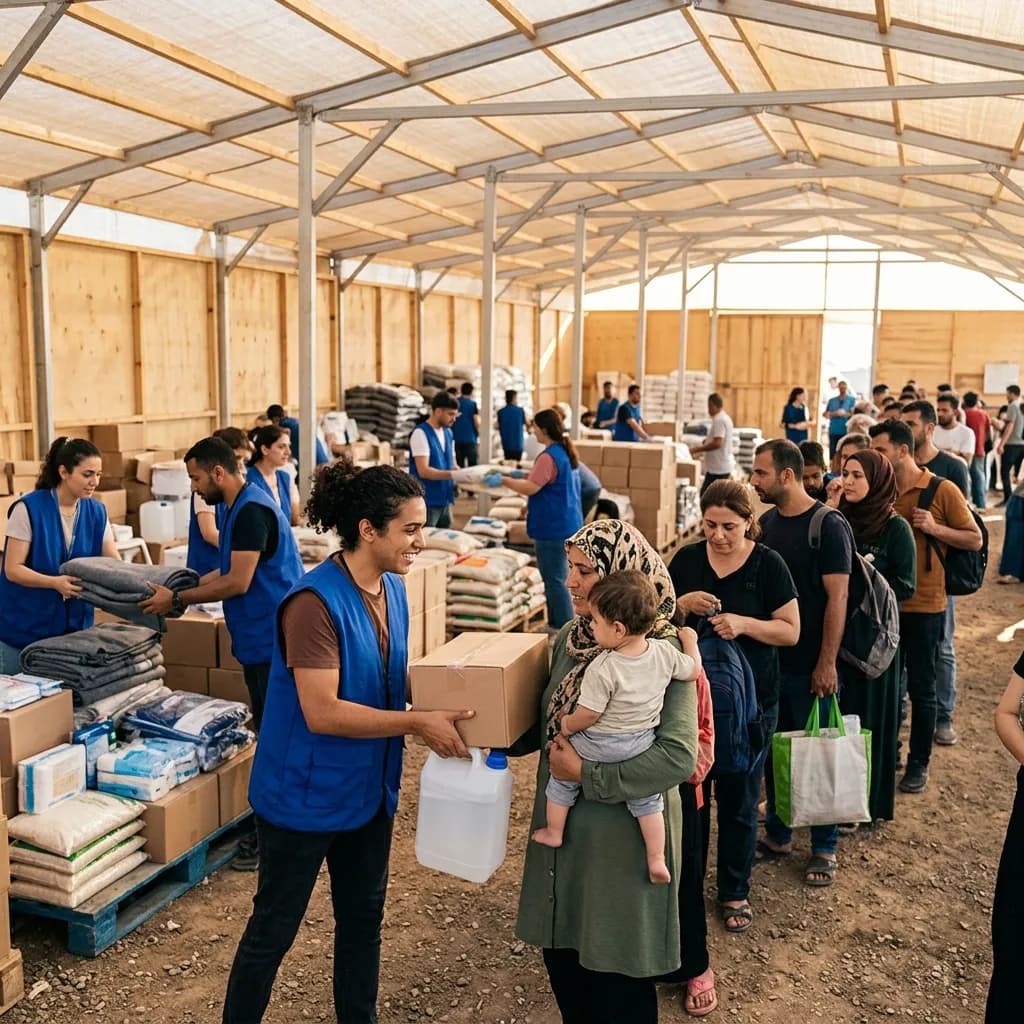
The humanitarian situation of asylum seekers in transit zones is alarming and complex. Many individuals seeking international protection face precarious conditions, including a lack of adequate shelter, limited access to healthcare services, and insufficient food. Transit zones, often located in areas of high surveillance and control, become true limbos where asylum seekers are held for long periods, often without clear information about their rights or the status of their cases.
The expedited repatriation processing, while aimed at discouraging irregular migration and speeding up case resolutions, raises serious concerns about the effectiveness and fairness of this system. Often, applicants are subjected to superficial assessments that do not adequately consider their individual circumstances. This can result in hasty decisions that lead to the rejection of legitimate asylum claims. The lack of a fair and transparent process not only compromises individuals' rights but also creates an atmosphere of distrust and fear among those seeking protection.
Furthermore, human rights organizations face increasing challenges in advocating for the rights of migrants and refugees. With the implementation of rapid repatriation policies, many of these organizations find themselves pressured to operate in an increasingly hostile environment. The difficulty in accessing transit zones and the growing criminalization of solidarity complicate their activities. NGOs often report that their attempts to monitor detention conditions and ensure that the rights of applicants are respected are obstructed by legal restrictions and administrative practices.
The following table illustrates significant changes in the treatment of asylum seekers following the enactment of the pact regarding the retention time limit and approval/rejection rates at the borders:
| Aspect | Before the Pact | After the Pact |
|---|---|---|
| Retention Time Limit | Undefined; prolonged detention periods | 28-day limit for retention |
| Asylum Approval Rate | Approximately 30% of applications approved | Increased to about 50% approval |
| Asylum Rejection Rate | Approximately 70% of applications rejected | Reduced to about 50% rejection |
| Access to Basic Services | Limited and irregular | Improved access to essential services |
| Transparency in the Process | Low; lack of clear information | Increased transparency and communication |
Data analysis reveals that, although the pact has introduced a time limit for retention, the impact on approval and rejection rates is significant. The improvement in approval rates suggests that a more structured and transparent approach may benefit asylum seekers, allowing more individuals to have their situations assessed fairly. However, the reduction in rejection rates should not be viewed as a sign that all processes are being conducted fairly, but rather as an indication of the need for ongoing monitoring and a renewed commitment to human rights.
In summary, the humanitarian situation of asylum seekers in transit zones remains a critical challenge, requiring a coordinated response that respects individuals' rights and promotes lasting solutions. The effectiveness of expedited repatriation processing must be continuously evaluated in light of human rights, and organizations working in this field need support and protection to continue their vital mission.
What Those Involved Are Saying
The issue of migration in the Mediterranean has generated intense debates and polarizations among different groups and institutions. The European Union's Commissioner for Home Affairs, Ylva Johansson, emphasized the need for a more humane and coordinated approach to address the migration crisis. In a recent statement, Johansson said, “Europe must be a beacon of hope and protection for those fleeing war and persecution. We need to ensure that our migration policies respect human rights and provide security for both migrants and the communities that welcome them.” She highlighted the importance of an efficient asylum system and solidarity among EU member states, suggesting that responsibility should be shared and not concentrated in a few countries.
On the other hand, representatives from UNHCR (the United Nations High Commissioner for Refugees) have warned about the devastating consequences of containment policies and border closures. Filippo Grandi, the UN High Commissioner for Refugees, expressed his concern over the increasing number of deaths in the Mediterranean, stating, “It is unacceptable that in the 21st century, people are dying while trying to seek safety. We need a global response that not only saves lives but also addresses the root causes of forced migration.” Grandi called for greater international collaboration and a renewed commitment to ensure that the rights of refugees are respected under all circumstances.
Migrants' rights activists, who operate at the Mediterranean borders, have also spoken out about the situation. Italian activist Carlotta, who works with non-governmental organizations, stated, “We are on the front lines of this humanitarian crisis, and what we see is devastating. Europe's immigration policies are pushing people into situations of extreme risk. We need an approach that prioritizes human dignity and respect for the rights of all.” She emphasized the importance of rescue work at sea and the need to ensure that migrants have access to basic services and legal protection.
Additionally, other activists have denounced the criminalization of humanitarian aid efforts. “Solidarity is not a crime,” said Marco, a volunteer involved in rescue operations. “We are here to save lives, not to be persecuted. What we need is more support and less repression.” He called for a change in the narratives surrounding migration, emphasizing that migrants are, above all, human beings seeking a better life.
These voices, representing a wide range of perspectives, highlight the complexity of the migration issue in the Mediterranean and the urgency of a response that balances security, human rights, and solidarity.
Next Steps
As Europe faces increasing challenges related to migration and security, the establishment of new screening centers becomes a strategic priority. These centers have the potential to optimize the process of welcoming and assessing asylum seekers, ensuring that humanitarian needs are met efficiently. Furthermore, the creation of an interconnected network of police databases across Europe is essential to strengthen internal security. Interconnectivity will allow law enforcement authorities to share information in real-time, facilitating the identification of threats and the prevention of transnational crimes. The implementation of these measures will require a coordinated effort among the Member States of the European Union, which must work together to ensure that security does not compromise the human rights of individuals seeking protection.
Conclusion
The balance between sovereign security and fundamental human rights is one of the greatest challenges faced by contemporary Europe. As governments seek to strengthen their borders and protect their citizens, it is crucial that they do not forget the principles that underpin the European Union, such as human dignity, freedom, and equality. The protection of the rights of migrants and refugees must be a priority, even in times of crisis. Recent history has taught us that security cannot be achieved at the expense of social justice and human rights. Therefore, the construction of a migration system that respects the dignity of all individuals while ensuring the security of states is a goal that must be pursued with determination and commitment.
Sources and References
- Council of the European Union. (2023). Report on Migration Management and Security in Europe.
- UNHCR. (2023). Updates on the Situation of Refugees and Asylum Seekers in Europe.
- Eurostat. (2023). Statistical Data on Migration and Asylum in the European Union.
- BBC News. (2023). Analyses on Migration and Security Policy in Europe.
These sources provide a solid foundation for understanding the complexities involved in migration and security issues and are essential for informing policies that respect both the sovereignty of states and fundamental human rights. The pursuit of effective and just solutions is a path that requires dialogue, collaboration, and an unwavering commitment to the values that define Europe.