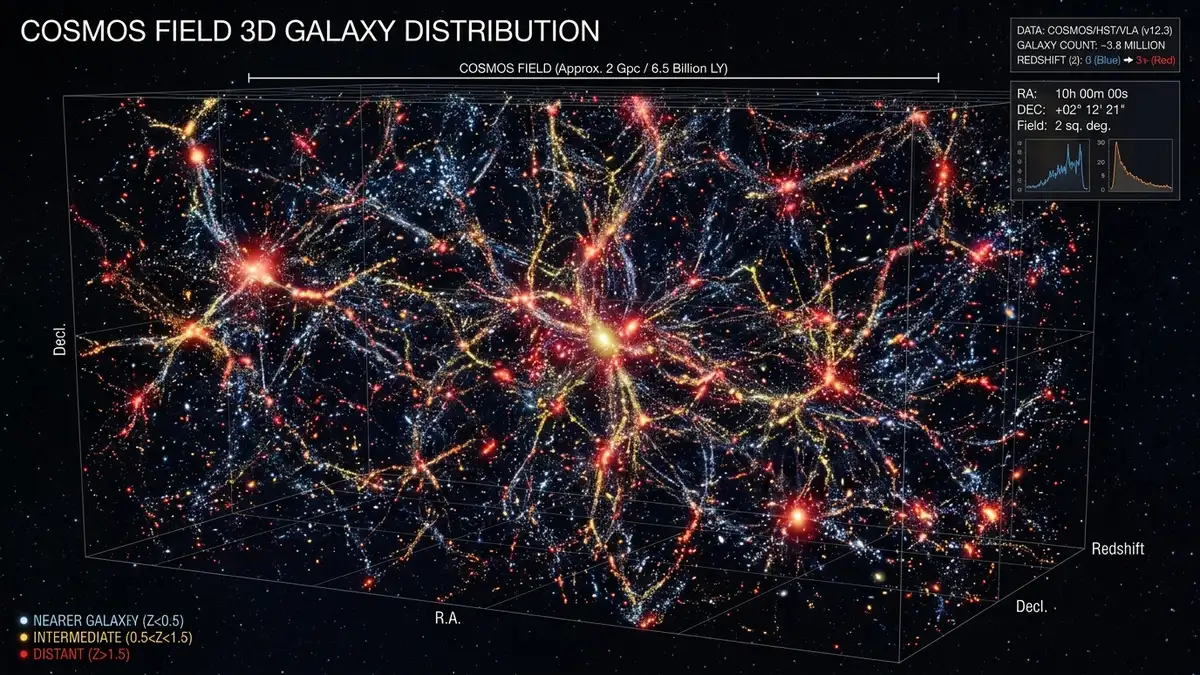
One of the greatest contributions of this new ultra-deep mapping is the creation of a detailed three-dimensional catalog of the cosmic web of the universe. The filaments of galaxies that cross each other in deep space create immense voids that keep crucial clues about the initial conditions of the Big Bang. Understanding the exact geometry of this web helps to decipher the intimate nature of gravity and cosmic acceleration.
The preliminary data collected show that the distribution of galaxies on a large scale follows with high precision the mathematical models predicted by general relativity. However, small discrepancies found in regions of extreme density continue to intrigue theorists and open space for revolutionary new physics. The search for answers to these small anomalies is what drives astronomers to perform increasingly refined and deep observations in outer space.
Studying the geophysical properties and mineral composition of closer celestial bodies is also essential to complement our view of the formation of stellar systems. Similar techniques of geophysical mapping and monitoring of gravitational variations are employed to study the internal mysteries of the worlds in our own Solar System. A clear example of this is the progress in the exploration of our natural satellite, detailed in the article about how /en-US/blog/novas-tecnicas-sismicas-detectam-reservatorios-gelo-sub-superficie-lua-2026.

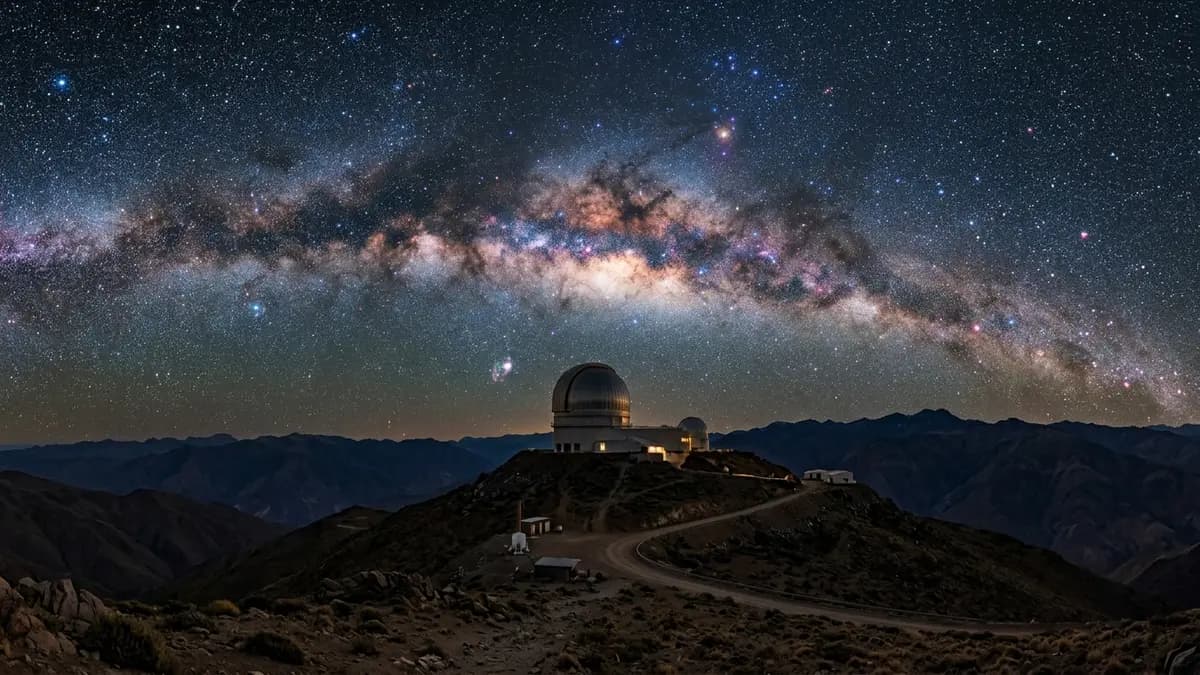
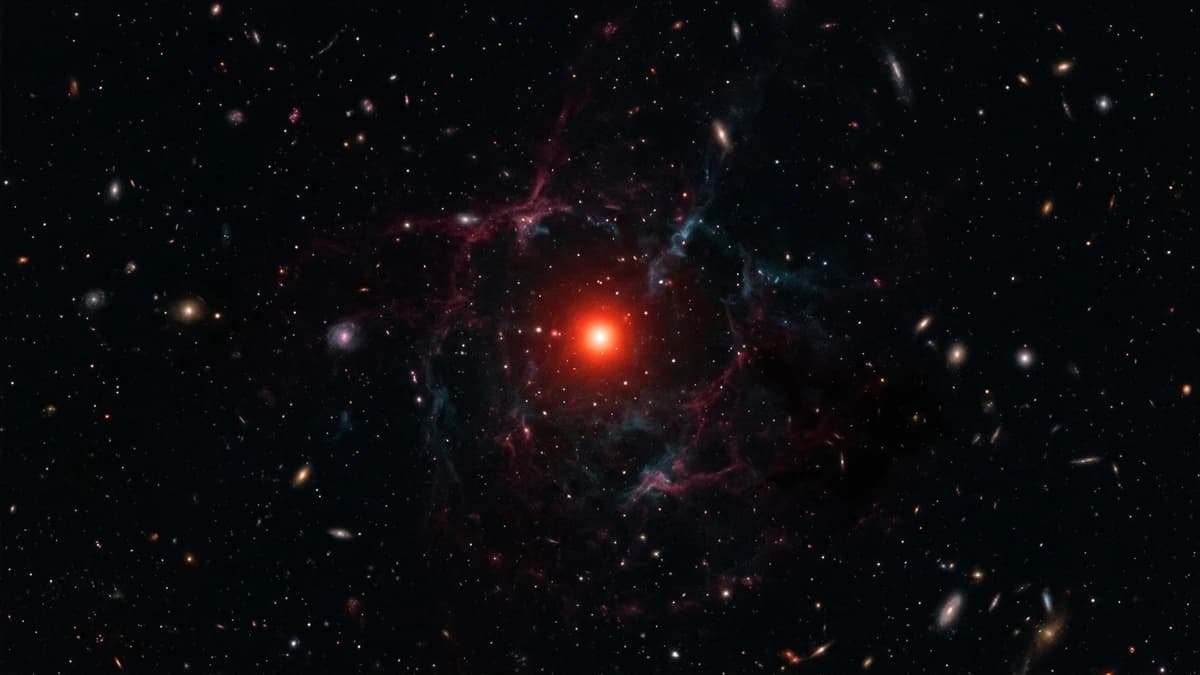
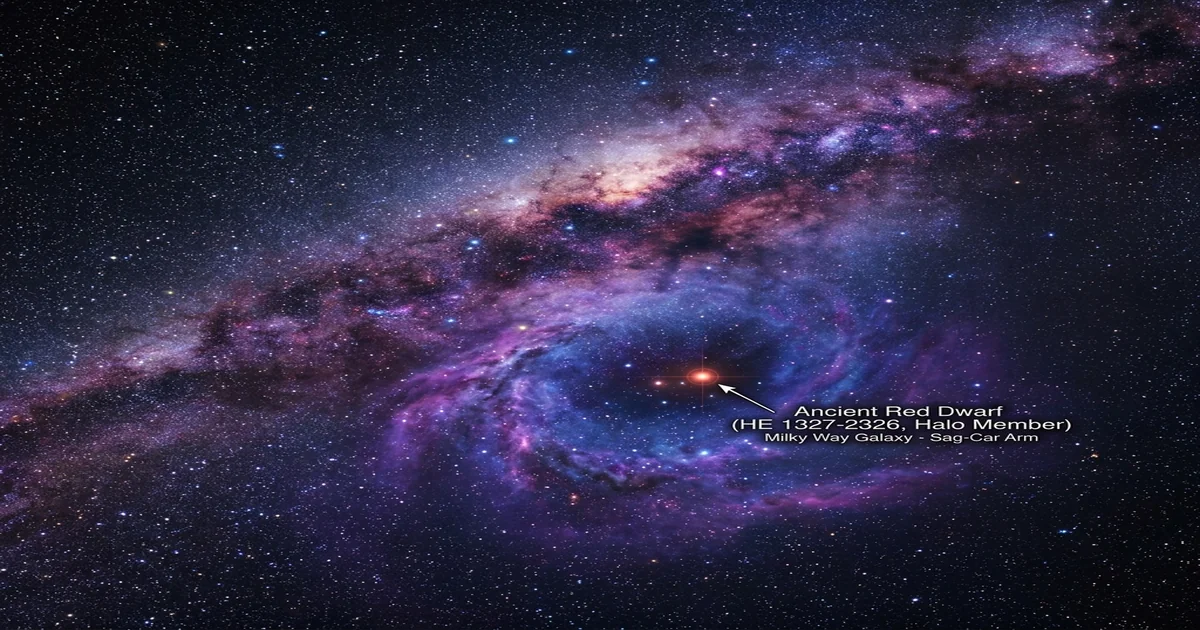
The new maps of the COSMOS field also help to catalog thousands of red dwarf stars and low-luminosity stellar systems at the periphery of our galaxy. These cold and ancient objects are priority targets for astronomers looking for small rocky planets in the habitable zone. The immense amount of optical data collected by Rubin will allow tracking the proper motion of these stars in a much more precise way than before.
Dark energy, the mysterious force that accelerates the expansion of the universe, is another central mystery that benefits enormously from the observations of the COSMOS field. By measuring the redshift of hundreds of thousands of mapped galaxies, physicists can determine if dark energy varies over cosmic eras. This detailed study will provide essential statistical data to answer if the universe will continue to expand indefinitely or if it will collapse in a future catastrophic event.
| Parameter of Comparison |
Vera Rubin Observatory |
Hubble Space Telescope |
James Webb Telescope |
Euclid Space Telescope |
| Mirror Aperture |
8.4 meters (Ground) |
2.4 meters (Space) |
6.5 meters (Space) |
1.2 meters (Space) |
| Field of View |
9.6 square degrees |
0.05 square degrees |
0.003 square degrees |
0.54 square degrees |
| Camera Resolution |
3.2 Gigapixels |
0.016 Gigapixels |
0.040 Gigapixels |
0.60 Gigapixels |
| Primary Research Focus |
Dynamic mapping and large-scale celestial transients. |
Visible, UV light and deep high-resolution imaging. |
Infrared light and deep details of early galaxies. |
Geometry of the dark universe and dark matter. |
| Data Generation Rate |
20 Terabytes per night |
80 Gigabytes per day |
50 Gigabytes per day |
100 Gigabytes per day |
| Cataloged Galaxies in Field |
Over 650,000 (Rubin Mapping) |
Around 50,000 (Hubble Deep Field) |
Around 100,000 (JWST Deep Survey) |
Around 300,000 (Euclid Wide Field) |
As the Vera Rubin Observatory advances in its regular operations, the spatial coverage and depth of the images will continue to increase significantly. The project plans to perform a complete scan of the southern sky every few nights, accumulating petabytes of raw images. This gigantic, open-access database will serve as the primary scientific foundation for global astronomical research for the next generations of students.