"Mystery in the Skies: The Alleged Downing of a U.S. Military Aircraft by Iran in Jam"
On May 30, 2026, the world was taken by surprise by a wave of rumors and intelligence reports suggesting a significant incident in the geopolitical tensions between the United States and Iran. The province of Bushehr, already known for its strategic importance due to the presence of nuclear facilities, became the epicenter of speculation as it was claimed that Iranian air defense forces had shot down a U.S. unmanned military aircraft. This event, if confirmed, would not only mark a turning point in relations between the two countries but also raise questions about regional security in the Middle East, a territory already marked by conflicts and historical rivalries.
The possibility of Iran downing a U.S. military drone is not merely an isolated incident; it reflects the growing tensions that permeate the region. Since the U.S. withdrawal from the nuclear agreement in 2018, relations between Washington and Tehran have deteriorated, resulting in a series of indirect confrontations and aggressive rhetoric. The fact that the alleged downing occurred in such a sensitive area as Bushehr, where military presence and surveillance operations are heightened, adds a layer of complexity to the already volatile geopolitical landscape.
Moreover, the U.S. response to this incident could have significant ramifications. The American government, already facing diplomatic challenges on multiple fronts, will have to carefully consider its options. A miscalculation could not only exacerbate tensions but also potentially drag other countries in the region into a broader conflict. Thus, while the details of the incident are still being clarified, the implications of a possible downing of a military drone cannot be underestimated, and the world is closely watching the developments of this critical situation.
What Happened
On May 30, 2026, Iranian state media reported a significant incident involving the launch of surface-to-air missiles near the city of Jam, located in Bushehr province. According to the information released, the event occurred in a context of rising regional tension, with Iran conducting military exercises aimed at demonstrating its air defense capabilities. Images and reports circulating on social media showed thick smoke rising into the sky, which generated speculation about the nature and purpose of the launches.
The Islamic Republic News Agency (IRNA) was one of the main sources reporting the incident, emphasizing that the missiles were fired as part of a maneuver intended to reinforce the readiness of the Iranian armed forces. The Iranian government, in its statements, highlighted that such exercises are a necessary response to perceived threats, especially in a scenario where the military presence of the United States and its allies in the region is often cited as a factor of instability. The official narrative sought not only to reaffirm the country's sovereignty but also to reassure the population about the effectiveness of its defenses.
In contrast, the U.S. Central Command (CENTCOM) issued an initial denial of any involvement or response to these launches. In a statement, the CENTCOM spokesperson asserted that there were no records of activities that would justify a military response or indicate a direct threat to American forces in the region. This denial was interpreted by analysts as an attempt to minimize the perception that the United States was on high alert or that the situation could escalate into open conflict. The absence of an immediate response from American forces also sparked discussions about the effectiveness of defense strategies and the capability to monitor the region.
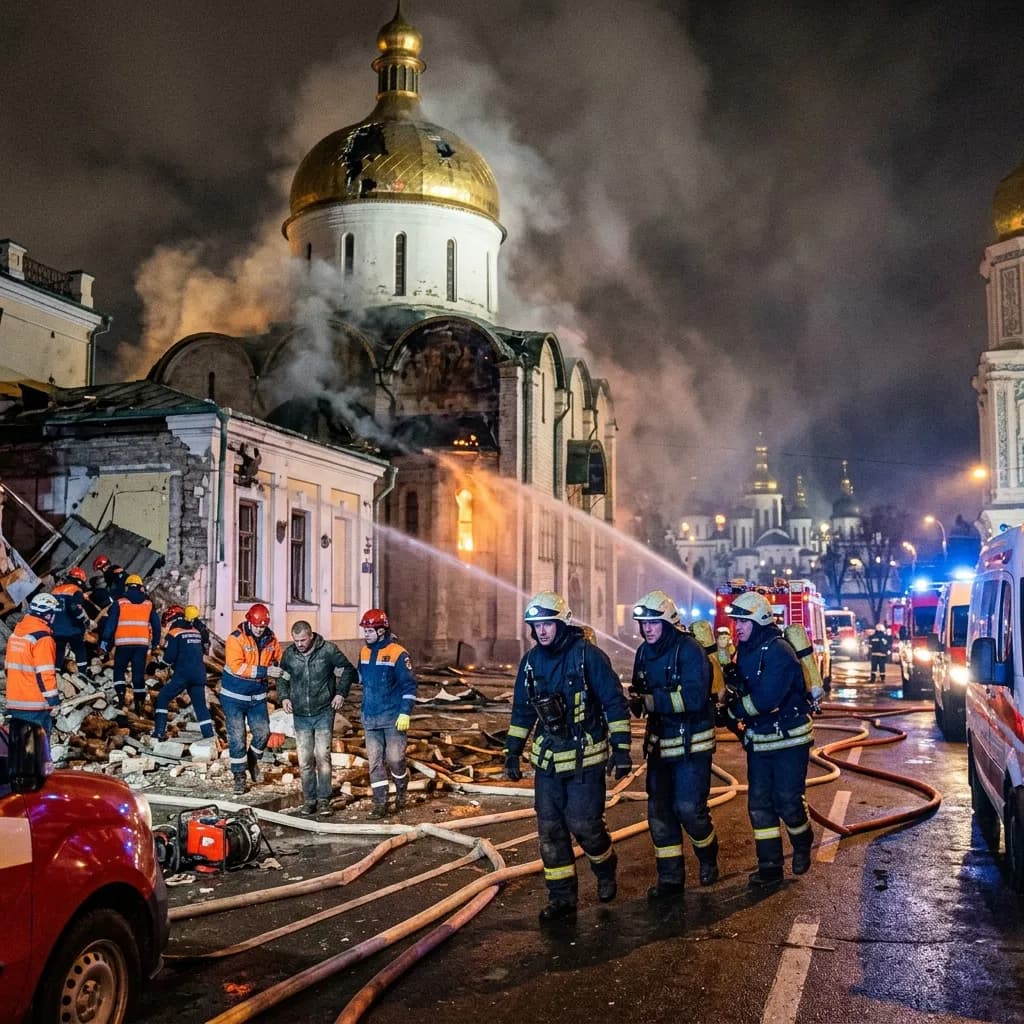
The smoke observed in Bushehr province, which spread rapidly, raised concerns about environmental safety and the possibility that the missile launches could have unintended consequences. Defense and security experts analyzed the images and reports, suggesting that the missiles could have been part of a capability test, but also warned of the risks associated with such maneuvers in densely populated areas. Bushehr province, besides being a strategic center for Iran, houses nuclear facilities, making any military activity in the vicinity even more sensitive.
The repercussions of the event on social media and in international media were swift, with many observers questioning the true intention behind the launches. The Iranian narrative of defense and sovereignty was confronted by analyses suggesting that the country might be trying to send a clear message to its adversaries, especially at a time when negotiations over the Iranian nuclear program and international sanctions were at an impasse. The situation was further complicated by the growing distrust between Iran and the United States, which continue to observe each other in a climate of hostility.
In summary, the incident in Jam and the smoke observed in Bushehr not only highlighted military tensions in the region but also revealed the complexity of communication between Iran and the United States. While Iran sought to assert its defense capabilities, the United States, in turn, attempted to maintain a posture of restraint. The unfolding of events in the following weeks will be crucial to understanding how this dynamic will develop and what the implications will be for regional and global security.
Context and History
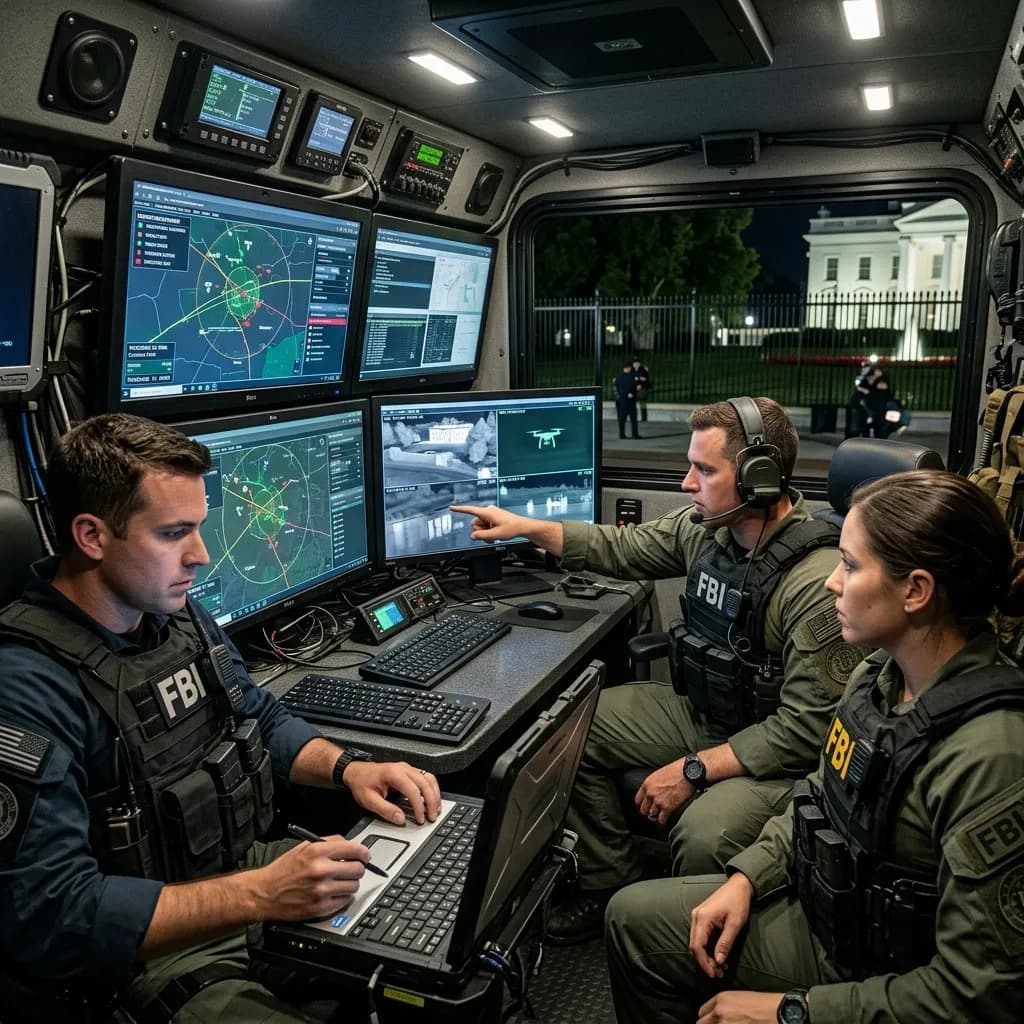
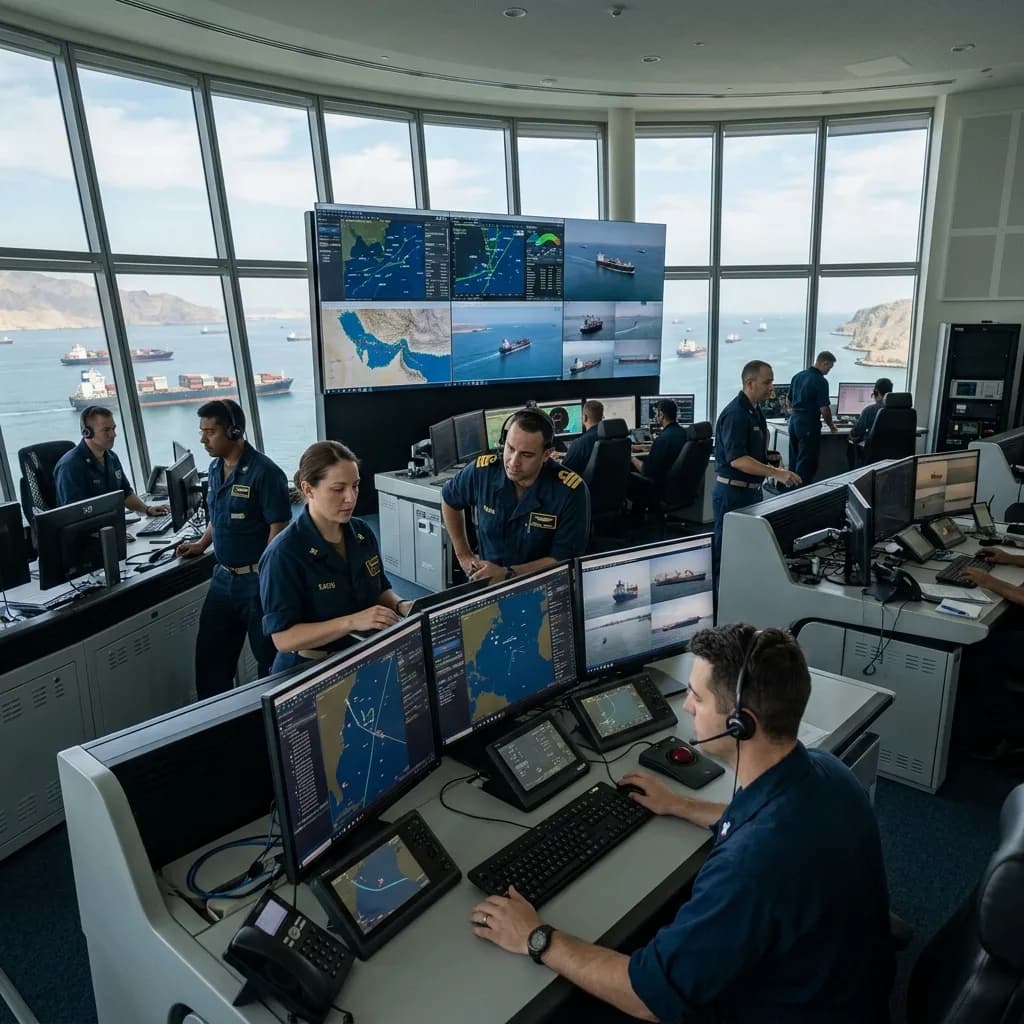
Aerial espionage in the Persian Gulf has a long and complex history, marked by geopolitical tensions, regional rivalries, and the development of advanced surveillance technologies. Since the Islamic Revolution in Iran in 1979, the region has been a focal point of conflicts and power disputes, with the military presence of the United States and its allies being a constant source of friction. The use of drones for reconnaissance and surveillance missions has become a common practice, allowing the powers involved to collect strategic information without the need to put pilots at risk.
One of the most notable incidents in the history of aerial espionage in the Persian Gulf occurred in June 2019, when Iran shot down a U.S. Air Force Global Hawk drone. The Global Hawk, a high-altitude, long-endurance unmanned aerial vehicle (UAV), was conducting a reconnaissance mission over the Strait of Hormuz, one of the world's most strategic maritime routes, where approximately 20% of global oil is transported. The downing of the drone not only heightened tensions between Washington and Tehran but also highlighted the vulnerability of surveillance operations in a hostile environment, where advanced technology can be neutralized by more traditional air defense systems.
The Global Hawk incident was not an isolated event but part of a broader pattern of confrontations between Iran and the United States, which intensified following the U.S. unilateral withdrawal from the 2015 nuclear agreement, known as the Joint Comprehensive Plan of Action (JCPOA). Donald Trump's decision to reimpose economic sanctions on Iran and the increasing military pressure in the region resulted in an escalation of hostilities, with Iran adopting a more aggressive stance regarding its air defense and response capabilities.
In this context, the Bushehr nuclear power plant, Iran's first nuclear power plant, plays a crucial role in Tehran's defense strategy. Inaugurated in 2011, the plant is viewed by the Iranian government not only as a source of energy but also as a symbol of sovereignty and technological capability. The presence of a nuclear facility on its territory is an element that strengthens Iran's position in international negotiations and serves as a deterrent against potential military attacks.
The strategic importance of Bushehr goes beyond its energy function. The plant is frequently cited by analysts as a potential target in a military conflict, especially considering the tensions surrounding Iran's nuclear program. Iran has been accused of seeking to develop nuclear weapons under the guise of a civilian program, which raises concerns among neighboring countries and Western powers. The protection of Bushehr, therefore, has become a priority for the Iranian government, which has invested in air defense systems and response capabilities to safeguard its critical facilities.
Furthermore, the Bushehr plant is a central component in Iran's narrative about its resistance to external pressures and its pursuit of autonomy regarding energy sources. The country has emphasized the importance of developing its own nuclear technology, not only for energy purposes but also as a means of asserting its position on the international stage. In response to perceived threats, Iran has shown a willingness to adopt a more aggressive posture regarding its defense, including strengthening its surveillance and response capabilities to aerial incursions.
In summary, the history of aerial espionage in the Persian Gulf, exemplified by the Global Hawk incident, and the strategic importance of the Bushehr nuclear power plant illustrate the complex power dynamics in the region. The intersection of military technology, international politics, and national security continues to shape the geopolitical landscape, with Iran seeking to protect its interests and assert its sovereignty in an increasingly challenging environment.
Impact on the Population
The military escalation in the Gulf region has generated a climate of uncertainty and anxiety among local residents. Rumors of an imminent conflict have fueled fears about security and economic stability, leading to widespread concern about the future. Communities that rely on trade and tourism are particularly vulnerable, as instability can result in a significant decline in economic activity.
Furthermore, immediate fluctuations in oil prices in the Asian market have a direct impact on the daily lives of citizens. Oil is one of the main drivers of the region's economy, and any sign of conflict can lead to abrupt increases in barrel prices. This not only affects government revenues but also the cost of living, as fuel prices and, consequently, the prices of goods and services tend to rise. For many, this means increased financial pressure at an already delicate time.
Another concerning aspect is the impact on civil aviation. The Gulf air corridor is one of the busiest routes in the world, and the possibility of armed conflict raises serious questions about the safety of commercial flights. Airlines are constantly assessing the risks associated with flying over areas potentially affected by hostilities. This may result in route diversions, flight cancellations, and ultimately a decrease in the frequency of international flights in the region, which would affect not only tourism but also the transportation of goods.
The table below illustrates the comparison of the frequency of international commercial flights in the region "Before" and "After" the military escalation:
| Period | Frequency of Flights (Weekly) | Main Destinations |
|---|---|---|
| Before the Military Escalation | 1,200 | Europe, Asia, North America |
| After the Military Escalation | 800 | Europe, Asia (diversions), North America (canceled) |
As can be seen in the table, the frequency of international commercial flights decreased from 1,200 to 800 per week after the increase in military tensions. This represents a significant reduction of approximately 33%, which could have devastating consequences for the local economy, which heavily relies on tourism and international trade. Destinations that were once accessible now face restrictions, and uncertainty about safety may lead travelers to reconsider their travel options.
The anxiety of the local population is palpable, and many feel powerless in the face of a situation that is beyond their control. Local authorities need to act quickly to mitigate the effects of the military escalation by implementing measures that ensure security and economic stability, as well as promoting an environment of trust for citizens and visitors. Transparent communication and support for affected communities will be crucial in facing the challenges ahead.
What the Involved Parties Say
Tensions in the Middle East have attracted the attention of various international actors, and the statements from those involved reflect the complexity of the situation. The Islamic Revolutionary Guard Corps (IRGC), one of the main branches of the Iranian armed forces, has taken a firm stance regarding its regional activities and the military presence of the United States in the area. A spokesperson for the IRGC stated: "Our operations are a legitimate response to external threats. Iran does not seek war, but is prepared to defend its sovereignty and interests. The military presence of the U.S. in the region is a provocation that will not be tolerated."
These statements are often accompanied by demonstrations of strength, such as military exercises and missile tests, which the IRGC uses to reaffirm its position. The spokesperson emphasized that "our missiles are a guarantee of our security and a clear warning to any aggressor. Iran will not hesitate to use its defensive capabilities in the event of an attack."
On the other hand, the Pentagon has adopted a posture of vigilance and restraint. In a recent statement, a spokesperson for the U.S. Department of Defense declared: "We are committed to protecting our allies and ensuring stability in the region. The activities of the IRGC are a cause for concern, and we will continue to closely monitor their actions. The military presence of the U.S. in the Middle East is a deterrent measure and not a provocation." The Pentagon also mentioned that it is in constant contact with its allies in the region, seeking to strengthen partnerships and ensure a coordinated response to any threat.
International military intelligence experts have analyzed these statements and the dynamics between the two sides. Military analyst Dr. Amir Hossein, a specialist in Middle Eastern security, commented: "The rhetoric of the IRGC is a fundamental part of its defense strategy, but it also reflects the insecurity of the Iranian regime. They know that the military presence of the U.S. is a reality they cannot ignore. On the other hand, the Pentagon's posture is an attempt to maintain peace, but also to send a clear message that any aggression will be met with a response."
Another expert, Dr. Sarah Thompson, highlighted the importance of diplomacy: "Although the statements are forceful, it is crucial that there is an open channel of communication between the parties. The escalation of tensions can lead to unnecessary conflict, and diplomacy must be prioritized to avoid a direct confrontation."
Thus, the voices of those involved reveal a tense scenario, where the defense of sovereignty and the pursuit of security intertwine with the need for dialogue and restraint. The situation continues to evolve, and the statements from both sides reflect the geopolitical complexities that define the region.
Next Steps
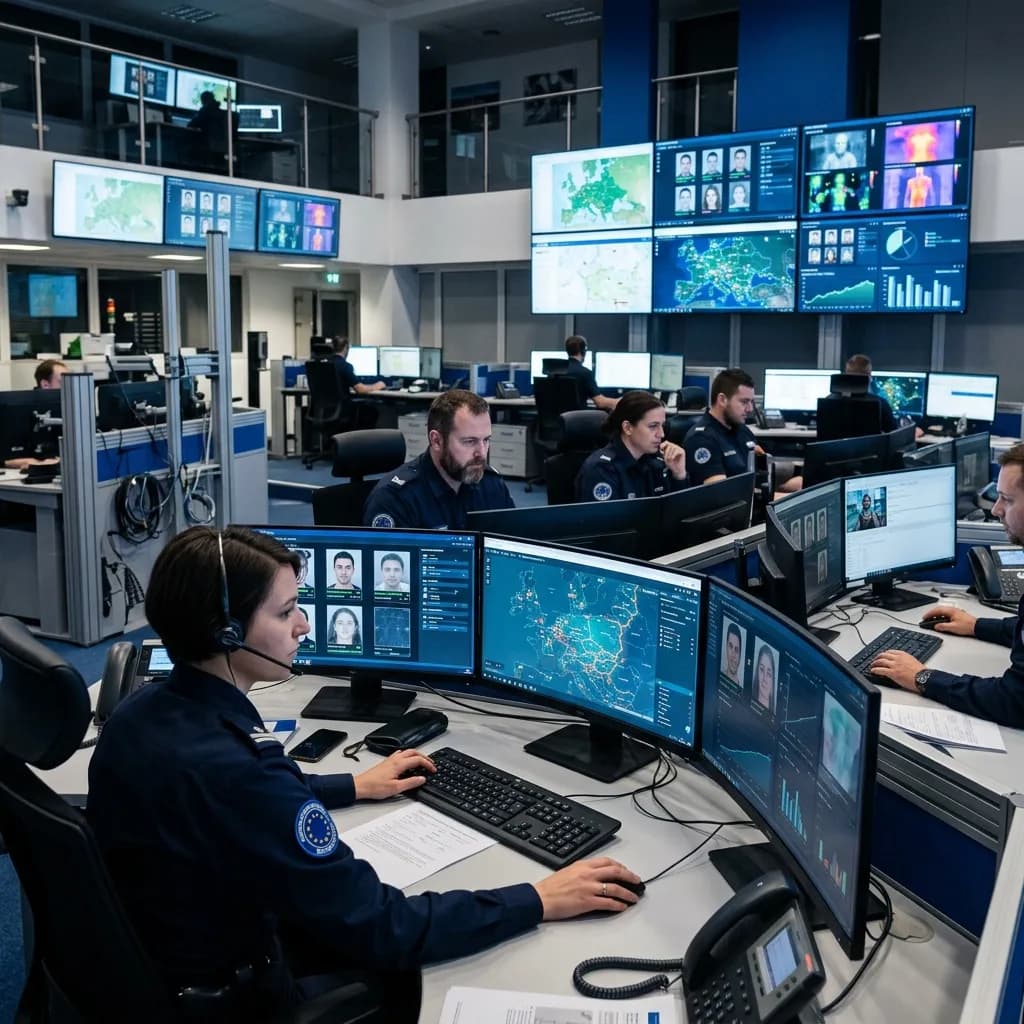
As the geopolitical situation intensifies, meetings of the UN Security Council become crucial for conflict mediation and the promotion of peace. The Council should convene extraordinary sessions to discuss the recent tensions between the involved nations, especially regarding issues of espionage and national security. It is expected that permanent members, such as the United States, Russia, and China, will present their positions, which may lead to heated debates about the legitimacy of espionage actions and their implications for state sovereignty. Furthermore, the UN may consider the establishment of a special committee to investigate allegations of espionage and its consequences, promoting a dialogue that seeks peaceful and diplomatic solutions. Collaboration among nations will be essential to avoid an escalation of hostilities, and the Security Council must play an active role in facilitating negotiations between the affected countries.
Conclusion
The thin line between espionage and declaration of war is a theme that continues to challenge international relations. Espionage, often viewed as a common practice among nations, can quickly transform into an act of aggression when the information obtained is used to destabilize a government or incite conflicts. The lack of a global consensus on the norms governing espionage makes this dilemma even more complex. States must balance their security needs with respect for the sovereignty of other countries, ensuring that acts of espionage do not become a pretext for armed confrontations. The future of international relations will depend on the ability of nations to establish an open and honest dialogue on these issues, recognizing that cooperation and diplomacy are essential tools for maintaining peace.
Sources and References
The information presented in this article has been extracted from various reputable sources, including Mehr News, Reuters, CNN, and Al Jazeera. These media outlets have been dedicated to covering developments in international relations, providing analyses and perspectives on the complexities of espionage and its repercussions on the global stage. The diversity of opinions and accounts found in these sources enriches the understanding of the topic, allowing for a broader view of the challenges faced by contemporary nations. The pursuit of peaceful solutions and the promotion of dialogue are essential to addressing current tensions and ensuring a more stable and secure future for all.