"The Muscatine Massacre: The Crime that Reopened the Debate on Safety in Rural America"
On June 1, 2026, the quiet town of Muscatine, Iowa, was tragically marked by an event that challenged the essence of its tranquility. Known for its tree-lined streets, its close-knit community, and the hospitality of its residents, Muscatine never imagined it would become the scene of such a devastating tragedy. A shooting, which resulted in the loss of seven lives, shook the foundations of the city and left a trail of pain and desolation that would echo for a long time. The incident occurred in a public place where friends and family gathered, quickly transforming into a nightmare that no one could foresee. The city, which had always been a symbol of safety and peace, now faced an unprecedented challenge, dealing with grief and the search for answers amid the chaos. The victims, ordinary people with dreams and hopes, were tragically ripped from their lives, leaving their families and friends in a state of shock and despair. The impact of the shooting was not limited to the victims' families; it reverberated throughout the community, uniting residents in collective mourning and a cry for justice. As investigations unfolded, the city of Muscatine found itself in the midst of a broader debate about public safety and gun violence in the United States. What happened in Muscatine was not just a local tragedy but a painful reminder of the fragility of life and the urgency to seek solutions to a problem that affects so many communities across the country. As the city strives to recover and heal, the memory of the victims remains alive, driving a movement for change and hope for a safer future.
What Happened
On June 1, 2026, Muscatine, a city located in the state of Iowa, was the scene of a tragic incident that shook the community and prompted a swift and coordinated response from local authorities. The day began like any other, but around 2:30 PM, the tranquility of the city was interrupted by a series of emergency calls reporting gunfire in a busy commercial area. The calls, coming from alarmed witnesses, described a chaotic scene, with people running for cover and screams of panic echoing through the streets.
The first call to the emergency center was received at 2:32 PM, when a citizen, visibly in shock, reported that an armed man was shooting in front of an electronics store. The Muscatine police, already on alert due to a local event, responded quickly, sending several patrol cars to the scene within minutes. By 2:35 PM, the first police unit arrived at the location, where they found a developing crisis situation. Witnesses reported that the shooter, a 32-year-old man, was armed with a semi-automatic rifle and was firing indiscriminately, hitting both the environment and people nearby.
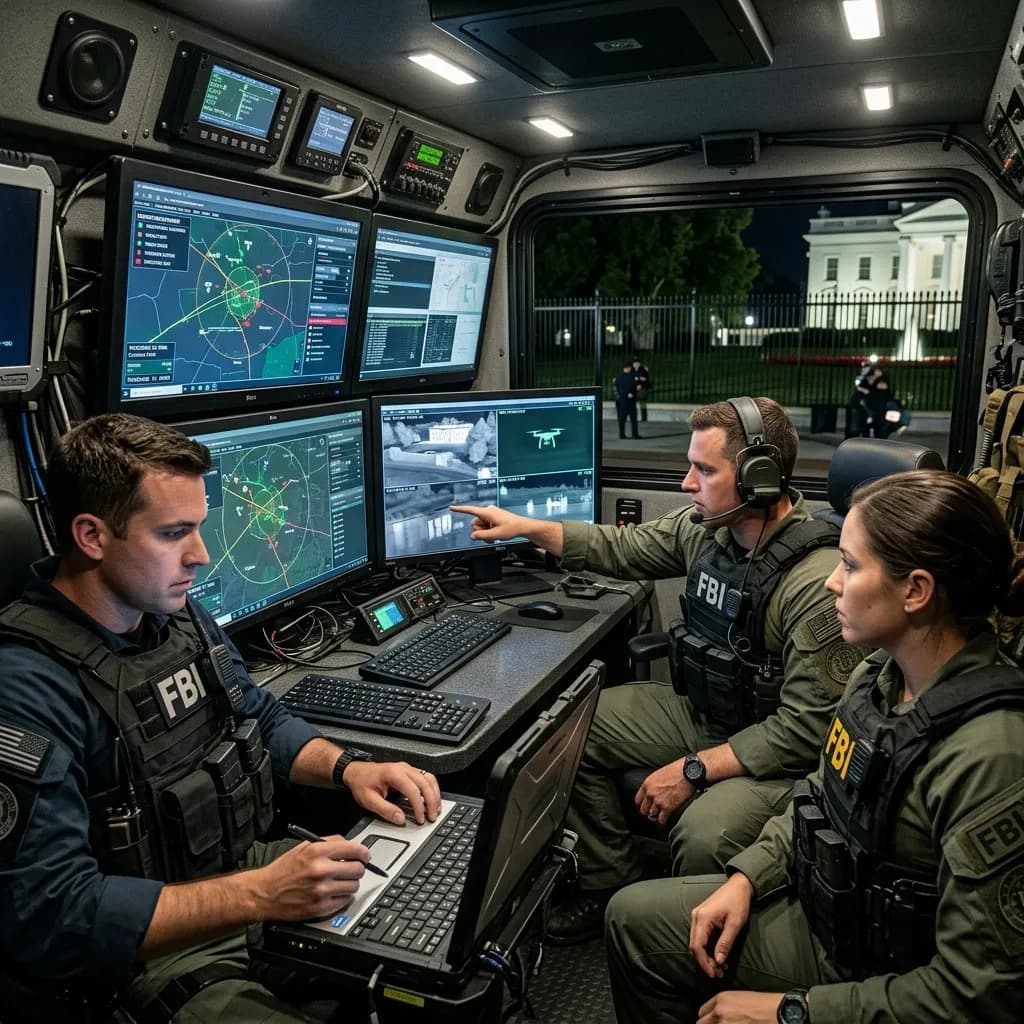
As authorities attempted to assess the situation, communication between the officers and the emergency center intensified. The police immediately established a security perimeter around the area, evacuating civilians and ensuring that emergency services could operate without obstruction. By 2:40 PM, a group of officers trained in active shooter situations was mobilized, and the containment strategy was implemented. The priority was to neutralize the threat and protect the lives of the innocent, while paramedic teams prepared to attend to potential casualties.
The confrontation with the shooter began around 2:50 PM, when the officers, after a quick assessment of the situation, decided that action was necessary. Using risk approach tactics, the police positioned themselves in strategic locations around the shooter, who continued to fire. Communication among team members was crucial, allowing them to coordinate their actions without further exposing civilians to danger. After a series of verbal commands for the shooter to surrender, and in light of his refusal to lay down his weapons, the officers made the decision to advance.
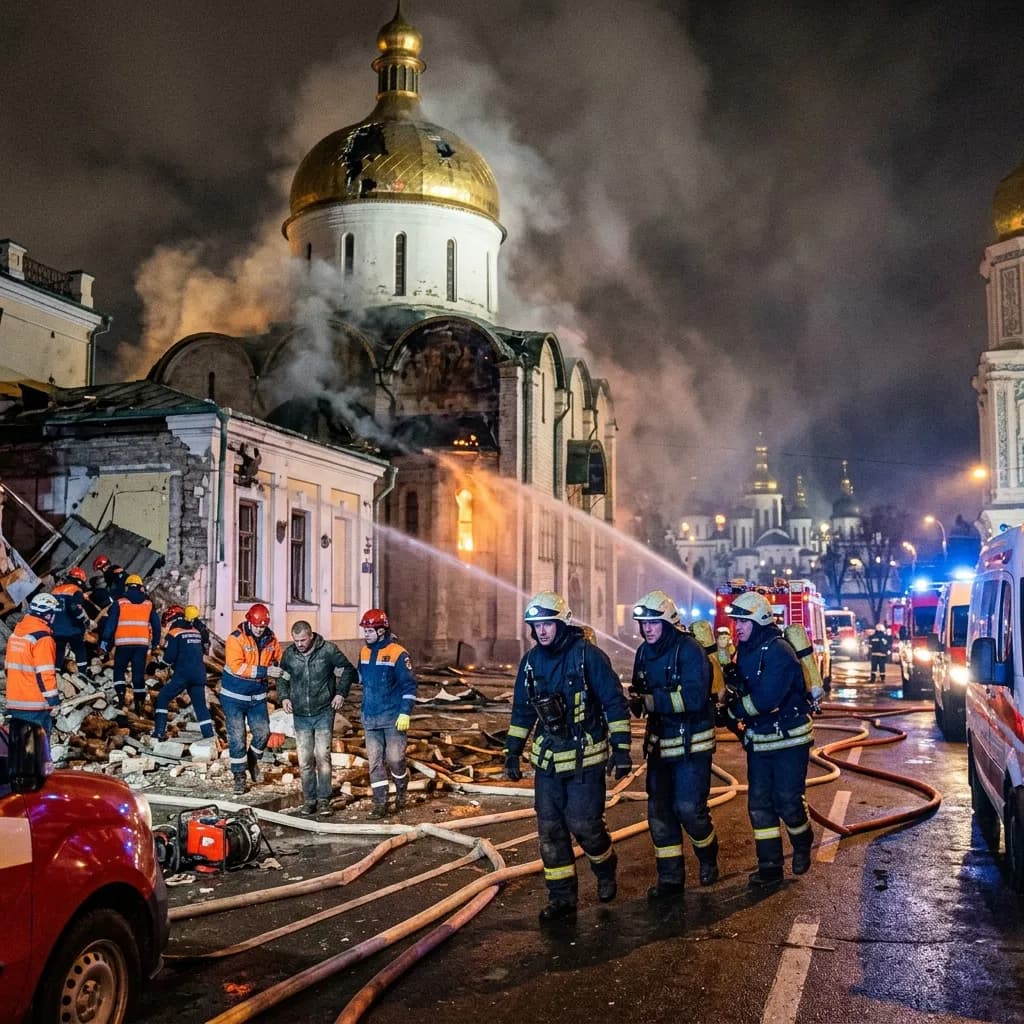
The confrontation culminated in a shooting at 2:55 PM, when the police, fearing for the lives of civilians still in the area, fired at the shooter, who was neutralized. The incident resulted in an atmosphere of tension and despair, but the swift and decisive action of the police was key to preventing an even greater disaster. After the threat was neutralized, emergency teams sprang into action, providing aid to the injured and beginning the triage of victims. By the end of the day, the city of Muscatine had faced an event that would leave deep scars, but it also demonstrated the effectiveness and courage of its security agents.
The response of local authorities was widely praised, and an investigation was opened to analyze all aspects of the incident. The community, although devastated, came together in solidarity, and vigils were organized to honor the victims and support their families. The event served as a grim reminder of the reality of gun violence, but it also highlighted the importance of preparedness and rapid response in crisis situations. The city of Muscatine, which had always prided itself on its safety and tranquility, now faces the challenge of healing and rebuilding, while seeking to understand the reasons behind such an act of violence.
Context and History
The phenomenon of mass shootings in the United States is a topic that has generated increasing concern and debate, especially in a country that prides itself on its culture of freedom and individual rights. This phenomenon, which has intensified in recent decades, is not limited to large urban centers but also manifests in small towns and rural communities, where the expectation of safety and tranquility is generally higher. The contradiction between the peaceful image of these localities and the reality of episodes of extreme violence is an aspect that deserves a deeper analysis.
Historically, mass shootings in the United States have complex roots, involving social, economic, and cultural factors. Since the 1960s, the country has seen an increase in the frequency and lethality of these events. Although mass shootings can occur anywhere, the perception that they are more common in urban areas is a myth. Small towns, which are often seen as havens of safety, have also been the scene of tragedies, such as the school shooting in Sandy Hook, Connecticut, in 2012, and the attack on a church in Sutherland Springs, Texas, in 2017. These events shocked the nation and exposed the vulnerability of communities that, at first glance, seem distant from urban violence.
In Iowa, a state known for its tranquility and predominantly rural population, the issue of gun violence and mass shootings is not an unfamiliar concern. Although the crime rate in Iowa is generally lower than the national average, the state is not immune to incidents of gun violence. Gun legislation in Iowa reflects a culture that values the right to bear arms, an aspect that is often defended as part of American identity. State legislation allows for firearm possession with a relatively accessible licensing process, and the approval of laws that facilitate concealed carry has been a recurring theme in local political discussions.
In recent years, Iowa has seen an increase in discussions about the need for stricter legislation regarding gun control, especially following incidents of gun violence that have shaken the state. However, resistance to changes in legislation is strong, fueled by a deep-seated belief in the protection of gun owners' rights. This dilemma is emblematic of a broader national debate, where the defense of the right to bear arms often collides with the need to ensure public safety.
The contrast between the expected tranquility in small towns and the reality of mass shootings can be attributed to a series of factors. The disintegration of community ties, the rise of political and social polarization, and the increasing accessibility of firearms are just a few of the issues contributing to this dissonance. Furthermore, media coverage of these events tends to amplify fear and anxiety, creating a perception that violence is more prevalent than it actually is.
The response to these tragic events often involves a cycle of mourning and reflection, followed by a clamor for changes in legislation. However, cultural resistance to gun regulation in states like Iowa often hinders the implementation of measures that could potentially save lives. The challenge lies in finding a balance between protecting individual rights and ensuring collective safety.
In summary, the phenomenon of mass shootings in the United States, especially in small towns, reveals a complexity that goes beyond the simple issue of gun ownership. It is a reflection of deeper social tensions and a culture that, while valuing individual freedom, faces the tragic consequences of gun violence. The search for effective solutions requires an open and honest dialogue that takes into account the diverse perspectives and experiences of the affected communities.
Impact on the Population
The shooting in Muscatine had a profound and lasting impact on the community, which remains in a state of shock and mourning. The pain of losing innocent lives reverberated throughout the city, uniting residents in a collective grief that transcends age, race, and social class barriers. The families of the victims face not only the sorrow of loss but also the daily struggle to find new meaning in their lives, as the community attempts to recover from such a traumatic event.
Safety in public places and schools in the region has become a central concern following the incident. Before the shooting, many Muscatine residents believed that their schools and public spaces were safe. However, the tragedy exposed the fragility of that perception and generated a clamor for change. Parents, worried about their children's safety, began to question existing security measures and demand more effective actions to prevent future incidents.
In response to this demand, local and state authorities initiated a series of discussions regarding the implementation of new security policies. Schools, which were once seen as refuges, are now being reevaluated for their ability to protect students. This includes the installation of security cameras, the presence of police officers in schools, and the conducting of more frequent emergency drills. The community has also begun to promote mental health awareness programs, recognizing that the prevention of gun violence must include psychological and emotional support for young people.
The national repercussions of the Muscatine case were significant. The shooting not only attracted media attention but also sparked a broader debate about gun violence in the United States. Human rights organizations and gun control advocacy groups used the incident as an example of the urgent need for reforms in gun laws. The case became a focal point in discussions about public safety, leading to demonstrations and campaigns in various cities across the country, where citizens demand legislative changes that could prevent future shootings.
The following table illustrates the changes in recommended community security measures before and after the shooting in Muscatine:
| Security Measures | Before the Shooting | After the Shooting |
|---|---|---|
| Police presence in schools | Limited to special events | Constant presence during school hours |
| Security cameras | Few or none | Installation at all entrances and hallways |
| Emergency training | Conducted annually | Conducted quarterly with practical simulations |
| Mental health programs | Not available | Implementation of psychological support programs in schools |
| Communication with the community | Sporadic information | Regular meetings and open communication channels |
| Gun access policies | Basic regulation | Review and strengthening of gun control laws |
These changes reflect a collective effort to restore a sense of safety and trust in the community, while also seeking to prevent similar tragedies from occurring again. Grief and pain are still present, but the hope for a safer future is an important step toward the recovery of Muscatine.
What Those Involved Are Saying
The reactions surrounding the tragic incident in Muscatine have been intense and emotional, reflecting the pain and outrage of the community. The Muscatine Police Chief, Captain James Anderson, made a statement to the press, emphasizing the importance of a thorough investigation. "We are committed to uncovering the truth behind this devastating event. Our teams are working tirelessly to gather evidence and ensure that all those responsible are brought to justice. The safety of our community is our priority, and we will do everything in our power to restore the public's trust," Anderson stated.
Iowa Governor Kim Reynolds also spoke about the incident at a press conference. "It is with great sadness that I receive the news of what happened in Muscatine. My condolences go out to the families of the victims and to all those affected by this tragedy. In times like this, we must come together as a state and support one another. We are mobilizing resources to assist the community and ensure that everyone involved receives the necessary support," the governor declared, highlighting the importance of solidarity in difficult times.
Family members of the victims expressed their pain and outrage in emotional interviews. Maria Silva, the mother of one of the victims, said, "It is impossible to describe the pain we feel. My son was a person full of life and dreams. No one deserves to go through this. We need answers and justice. I hope that the authorities do what is right and that this does not happen to anyone else." Another family member, who preferred to remain anonymous, added, "We are devastated. The loss is unbearable, and we want people to know that they were not just numbers. They were children, siblings, friends. We need the community to come together so that this does not happen again."
Furthermore, local activists also spoke out in response to the incident. A group of human rights advocates organized a vigil in memory of the victims, where activist Sarah Thompson delivered a poignant speech. "We are here to remember those we have lost and to demand change. We can no longer accept violence as part of our reality. It is time to demand policies that protect our communities and ensure that everyone can live without fear," Thompson stated, receiving applause and support from those present.
These statements reflect not only the pain and loss but also the community's determination to seek justice and meaningful change. The unification of voices from different sectors of society is a clear sign that Muscatine is willing to face challenges and fight for a safer and fairer future for all.
Next Steps
With the recent reopening of roads and the revitalization of public spaces, the city has been committed to creating a safer and more welcoming environment for all citizens. The reopening of roads not only facilitates traffic but also promotes social interaction and strengthens the community. Furthermore, the implementation of mental health services is a fundamental priority. The city is investing in programs that offer psychological and psychiatric support, with a special focus on vulnerable populations facing emotional and behavioral challenges. These services are essential for addressing the roots of violence and providing ongoing support for those in need. Collaboration between governmental and non-governmental organizations will be crucial to ensure that these services are accessible and effective, fostering a healthier and safer environment for all.
Conclusion
The search for solutions to violence is a complex challenge that requires the collaboration of the entire community. It is essential that local authorities, community organizations, and citizens work together to identify and implement effective strategies. Education and awareness about violence, as well as the promotion of prevention programs, are important steps in this process. Furthermore, the creation of safe spaces and the promotion of community activities can help strengthen social ties and reduce crime. The city must continue to invest in initiatives that address not only the symptoms of violence but also its underlying causes, such as poverty, lack of opportunities, and limited access to mental health services. Only through a joint and continuous effort will it be possible to build a safer and more resilient community.
Sources and References
In the preparation of this article, various sources were consulted that provide valuable information about the current situation and ongoing initiatives. The Des Moines Register provided comprehensive coverage on the reopenings and mental health services. Iowa Public Radio highlighted community voices and concerns regarding public safety. AP News brought relevant data and statistics about violence in the region, while CNN offered a broader perspective on violence trends across the country. These sources are essential for understanding the context and importance of the actions being implemented to address these challenges.