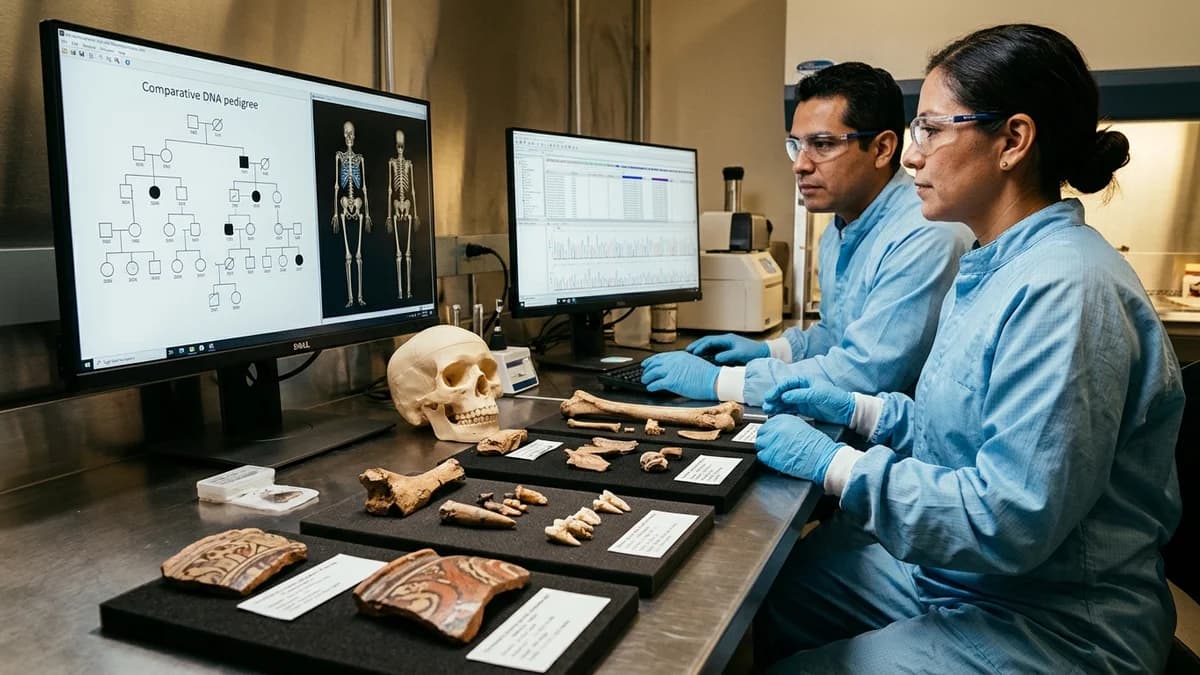
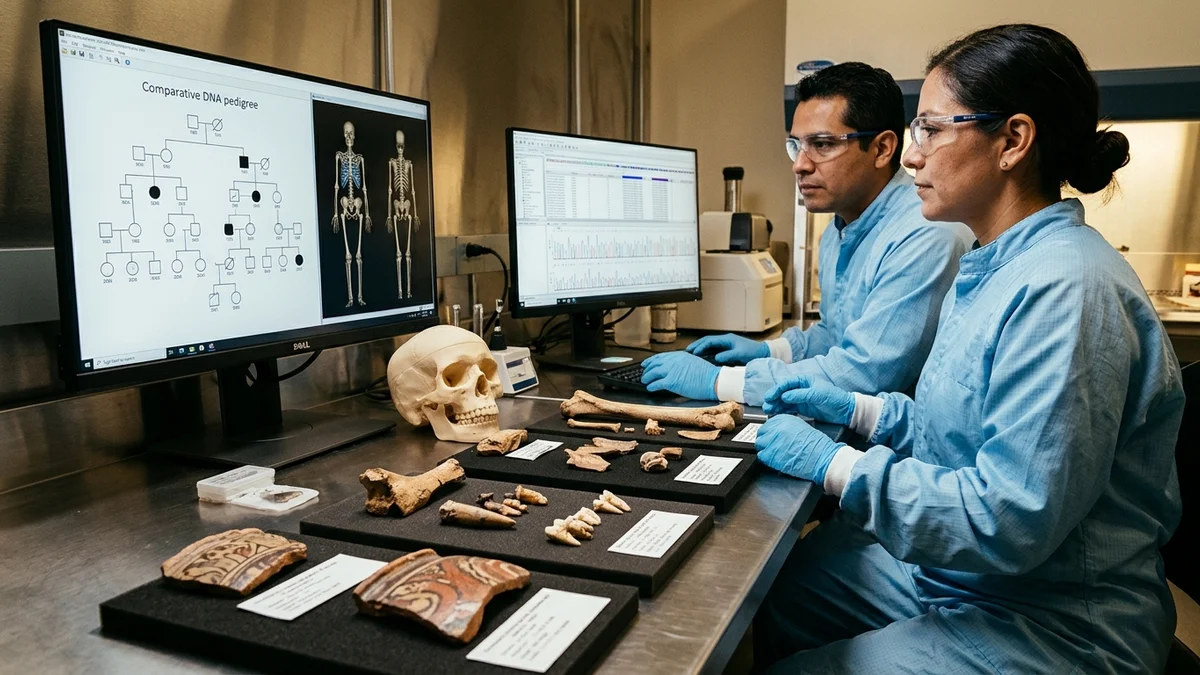
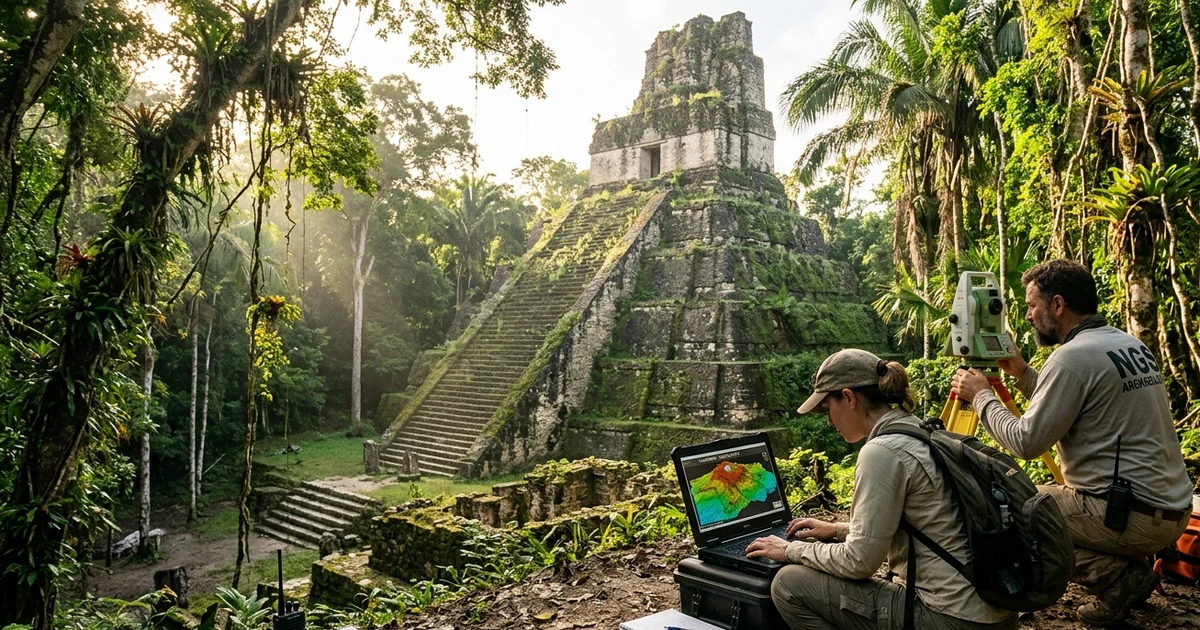
DNA of 64 Maya Children in Chichén Itzá Reveals Boy and Sacred Twin Sacrifices in Nature — High-Fidelity Artistic Illustration created by artificial intelligence based on scientific research.
⚡
Quick Summary
A landmark ancient DNA study published in Nature sequences 64 skeletons from a subterranean chamber, dismantling the long-standing myth of sacrificed virgins. Full-genome sequencing of 64 child skeletons discovered in a subterranean chamber at Chichén Itzá has overturned a century-old archaeological myth by proving that every sacrificed individual was male, including brothers and identical twins.
Key Takeaways:
📌For well over a century, western popular imagination and tour guide narratives across Mexico's Yucatán Peninsula were captivated by dramatic tales of Maya human sacrifice.
🔬The definitive resolution to the Chichén Itzá mystery became achievable only through cutting-edge protocols in ancient DNA (aDNA) enrichment and high-throughput sequencing.
💡The most profound biological revelation uncovered by whole-genome sequencing was not merely the exclusively male demographic, but the extraordinary prevalence of close kinship ties among the sacrificed children.
Full-genome sequencing of 64 child skeletons discovered in a subterranean chamber at Chichén Itzá has overturned a century-old archaeological myth by proving that every sacrificed individual was male, including brothers and identical twins. The groundbreaking paleogenomics investigation, led by geneticist Dr. Rodrigo Barquera from the Max Planck Institute for Evolutionary Anthropology (MPI-EVA) in close collaboration with the National Institute of Anthropology and History of Mexico (INAH) and published in the peer-reviewed journal Nature, analyzed biological remains dated between 500 and 1000 CE. Molecular and isotopic data revealed that ancient Maya religious rites targeted young male children carefully chosen to reenact the sacred creation epic of the Hero Twins from the mythological codex Popol Vuh.
📌Century-Old Myth Dispelled: One hundred percent of the child skeletons analyzed via ancient DNA were biologically male, conclusively debunking romantic claims that only young virgins were cast into Chichén Itzá's sacred waters.
🔬Identical Twins and Genetic Kinship: Researchers identified close familial ties among 25 percent of the interred children, including brothers and two extraordinary pairs of identical monozygotic twins sacrificed together in homage to the Popol Vuh.
💡Living Immunological Legacy: Genomic comparisons with present-day Maya communities revealed enduring genetic continuity alongside adaptive HLA-DRB1 mutations that protected survivors against colonial Salmonella epidemics in the sixteenth century.
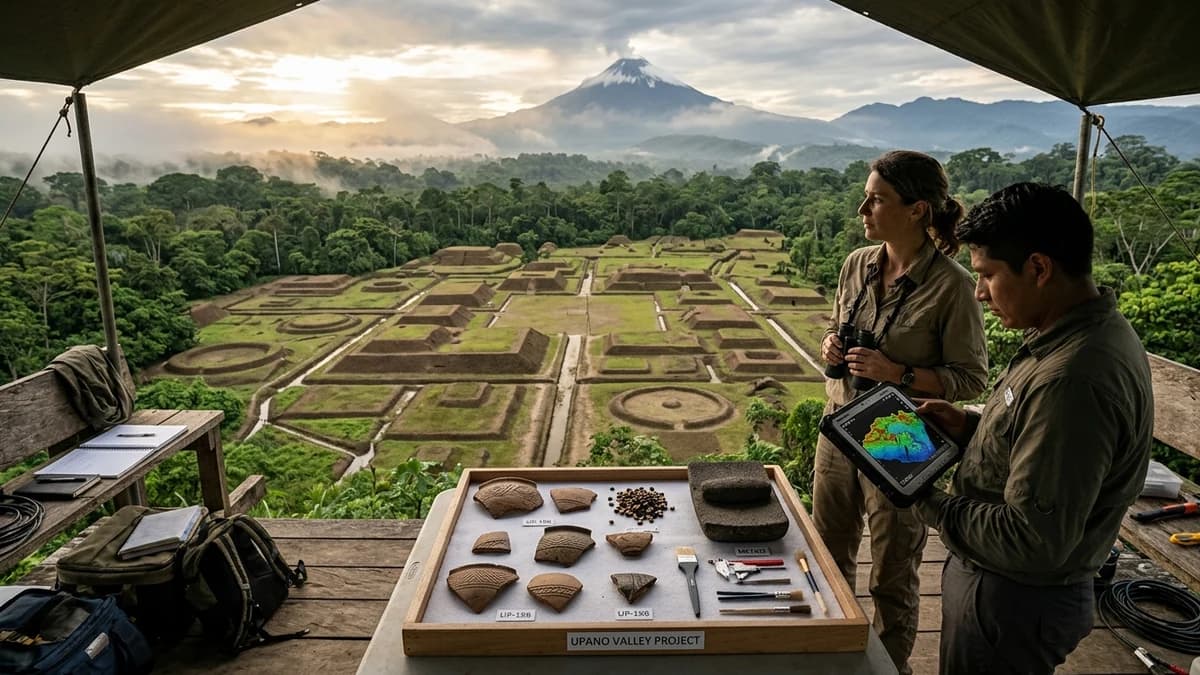
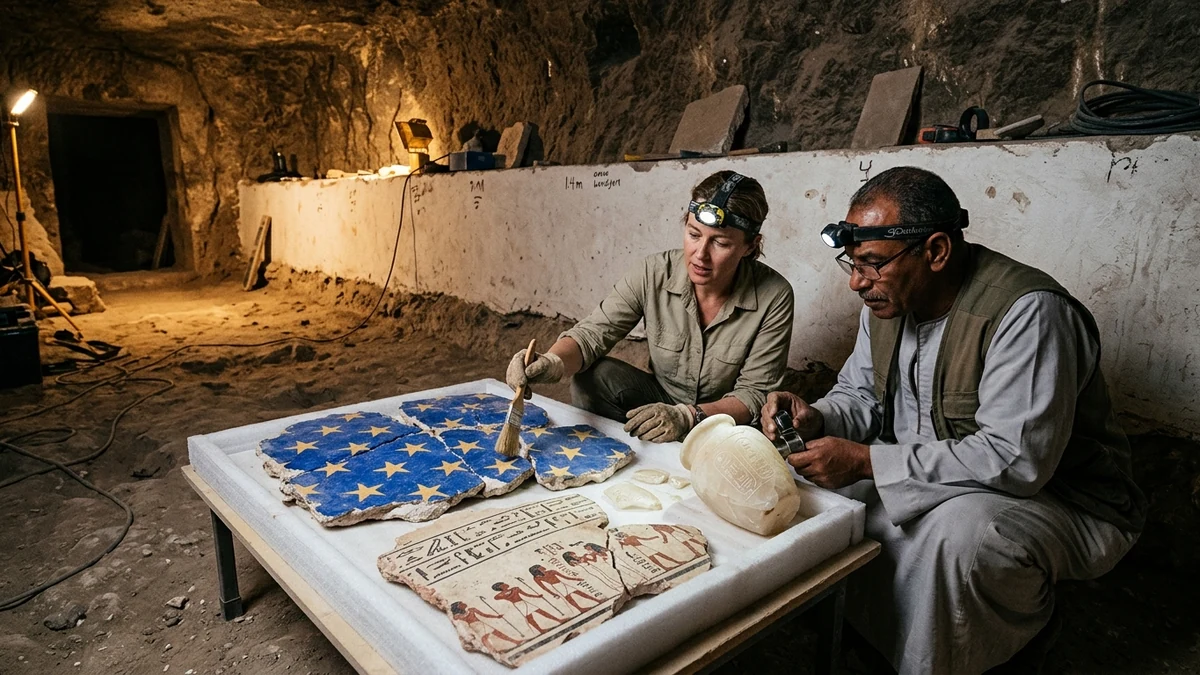
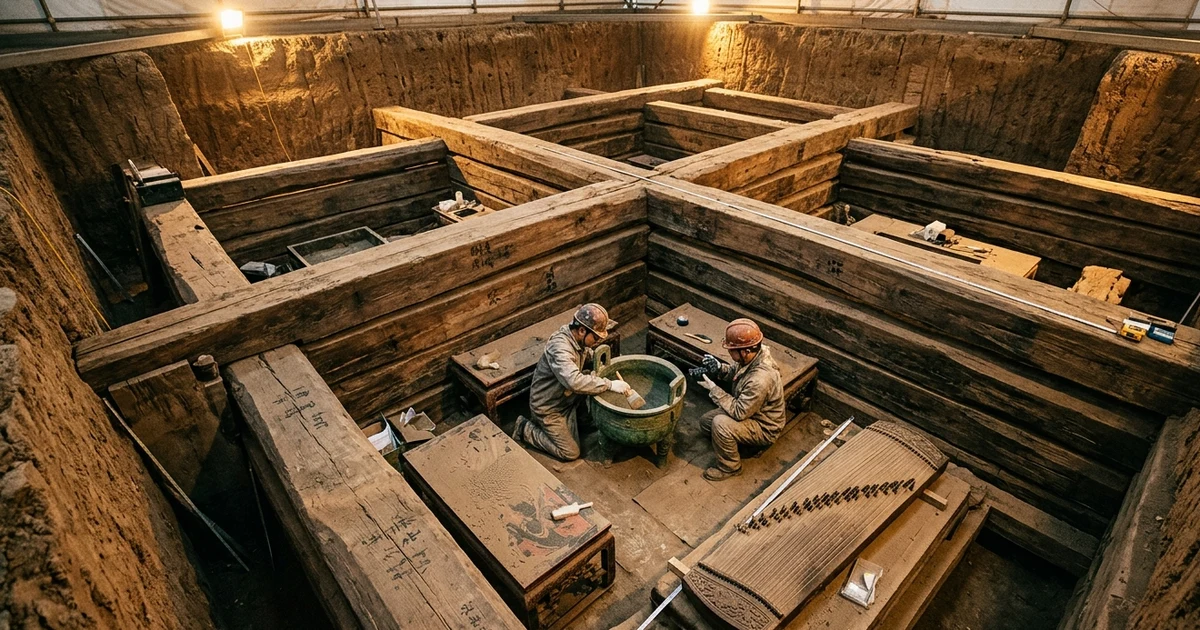
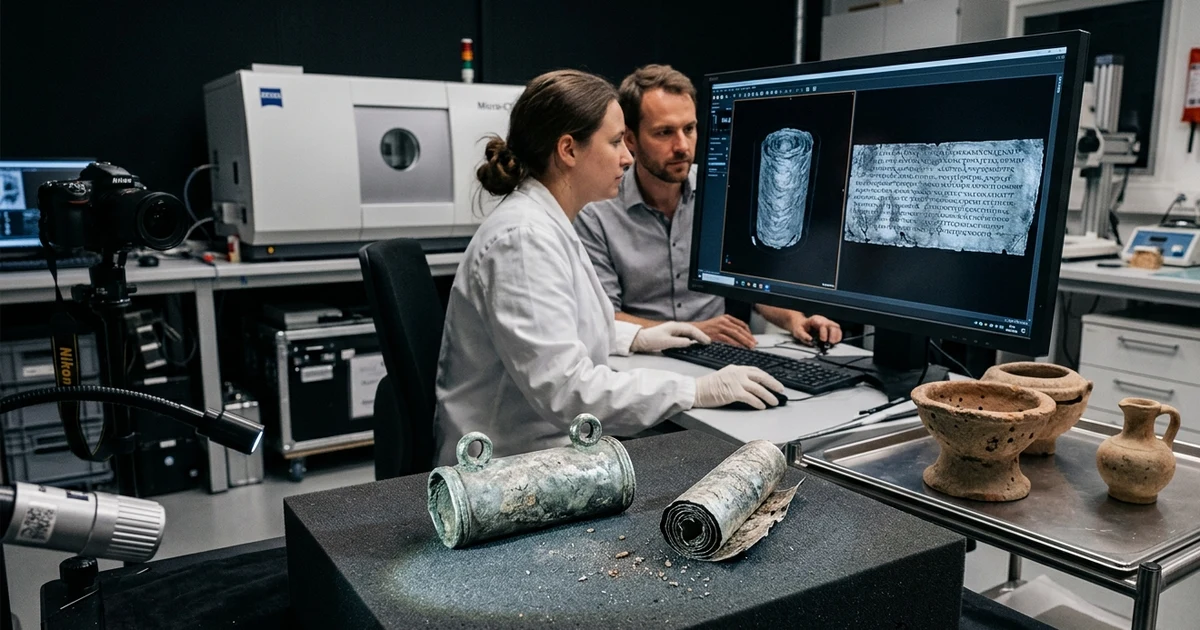
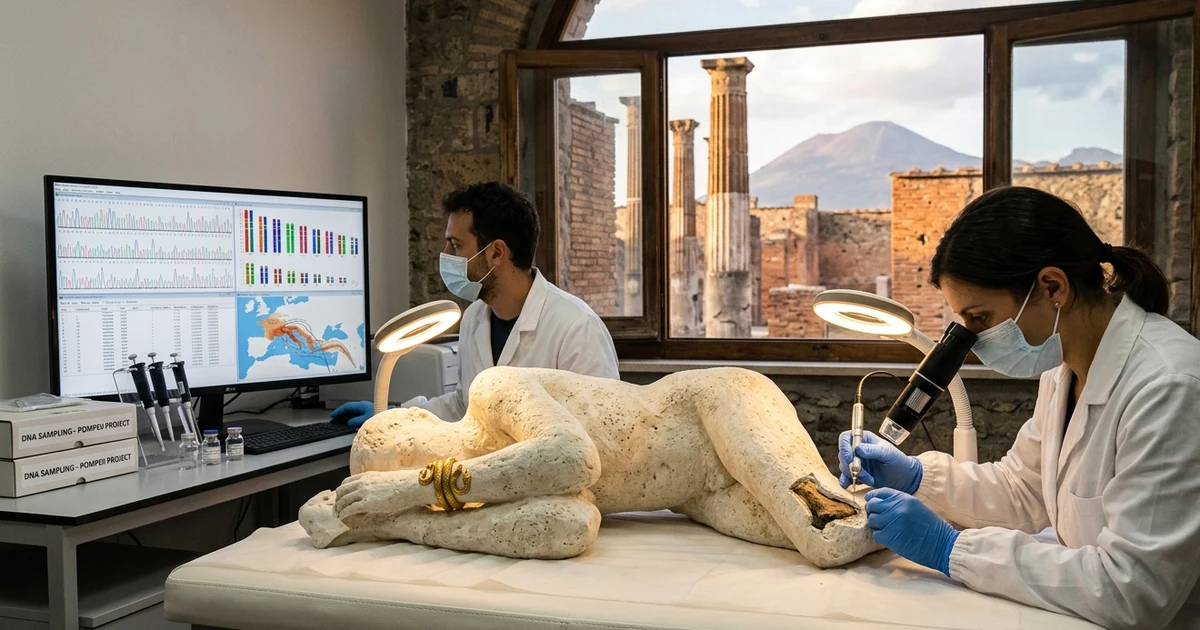
High-fidelity artistic illustration: forensic reconstruction of the international archaeogenetics investigation inside the subterranean chultún and paleogenomics cleanroom that decoded Chichén Itzá's rituals. Created by Artificial Intelligence.
For well over a century, western popular imagination and tour guide narratives across Mexico's Yucatán Peninsula were captivated by dramatic tales of Maya human sacrifice. The prevailing myth asserted that unblemished young maidens, draped in pristine white cotton garments and adorned with glittering jade beads and golden filigree, were thrown into the jade-green depths of Chichén Itzá's Sacred Cenote to appease Chaac, the fearsome deity of rain and thunder. This romanticized depiction gained global prominence in the early twentieth century through American diplomat and amateur explorer Edward Herbert Thompson, who dredged tons of underwater muck from the massive sinkhole between 1904 and 1911.
Publicidade
While historical dredging operations retrieved thousands of precious gold, copper, and carved wood artifacts, anatomical osteology during that era was rudimentary and incapable of establishing biological sex from juvenile skeletal remains. The morphological impossibility of reliably sexing pre-pubescent skeletons from fragmented pelvic girdles or cranial sutures allowed sensationalist virgin sacrifice tales to dominate popular journalism and Hollywood cinema. This lurid Victorian trope satisfied public appetites for dramatic exoticism while obscuring the profound cosmological and theological realities of ancient Mesoamerican offerings.
The first critical crack in this romantic legend surfaced in 1967 during airport runway expansion work adjacent to Chichén Itzá's central ceremonial zone. Heavy construction equipment accidentally punched through the ceiling of an ancient subterranean chamber known as a chultún, a bottle-shaped cistern hand-carved into porous limestone bedrock designed to capture rainwater. To the archaeologists' astonishment, this specific cistern had been converted into an enclosed mortuary crypt connected by an underground fissure directly into a flooded subterranean cave system.
Inside the dark limestone cavity, INAH excavators uncovered more than one hundred disarticulated skeletal remains layered within centuries of fine sedimentary silt. More than seventy percent of the bones belonged to young children who showed no signs of blunt force perimortem trauma or crude decapitation cuts from non-existent metal blades. For nearly six decades, these bones remained preserved in academic repositories without modern molecular science being able to answer who these children were, where their families lived, or why they had been laid to rest in such a secluded underground sanctuary.
The definitive resolution to the Chichén Itzá mystery became achievable only through cutting-edge protocols in ancient DNA (aDNA) enrichment and high-throughput sequencing. In hot and humid tropical climates like the Yucatán lowlands, DNA survival is notoriously precarious, as elevated ambient temperatures and moisture accelerate enzymatic hydrolysis and cytosine deamination, breaking molecular strands into microscopic fragments. To overcome this environmental hurdle, the international research team directed by Dr. Rodrigo Barquera and bioarchaeologist Christina Warinner focused their extraction on the petrous pyramid of the temporal bone, the densest skeletal structure in mammals.
Working within dedicated positive-pressure cleanrooms equipped with strict biocontainment barriers at the Max Planck Institute in Leipzig, researchers successfully extracted and sequenced authentic ancient genomes from 64 juvenile individuals interred within the chultún. Direct accelerator mass spectrometry (AMS) radiocarbon dating revealed that mortuary deposits spanned from the sixth century to the eleventh century CE, peaking sharply between 800 and 1000 CE. This chronological window precisely matches the golden age when Chichén Itzá consolidated its regional hegemony as the supreme political, religious, and economic capital of northern Yucatán.
Bioinformatics sex determination yielded an astonishing and unanimous result: every single one of the 64 individuals with conclusive molecular data was biologically male. Not a single young girl or virgin maiden was present in this sacred subterranean deposit. Biological age assessments at death concentrated tightly between three and six years old, a developmental childhood threshold extensively associated in colonial ethnohistoric sources with ritual weaning and initial cultural socialization within traditional Maya households.
High-precision forensic geochemical analyses also measured strontium, oxygen, carbon, and nitrogen isotope ratios from preserved tooth enamel and bone collagen. Strontium isotope signatures ($^{87}\text{Sr}/^{86}\text{Sr}$) demonstrated that all children had consumed drinking water and regional foodstuffs originating entirely within the immediate local karstic geology of Chichén Itzá and nearby northern settlements. None were foreign war captives abducted from distant volcanic highlands, proving they were cherished native sons belonging to local civic communities.
The most profound biological revelation uncovered by whole-genome sequencing was not merely the exclusively male demographic, but the extraordinary prevalence of close kinship ties among the sacrificed children. By utilizing advanced identity-by-descent (IBD) algorithms to identify shared chromosomal segments, genomic bioinformaticians discovered that 25 percent of the children shared first- or second-degree biological relationships with other interred individuals. These familial pairings included several sets of full biological brothers and, most remarkably, two confirmed pairs of identical monozygotic twins.
Identical monozygotic twinning is an exceptionally rare and biologically stable biological occurrence across all human populations, accounting for less than 0.4 percent of spontaneous live births (roughly one in every 250 pregnancies). Discovering two pairs of identical twins within a localized archaeological sample of only 64 individuals represents an extraordinary statistical anomaly that cannot be dismissed as random coincidence. This empirical finding demonstrates that ancient Maya priests deliberately sought out and selected biological brothers and rare identical twins to be consecrated together in singular ritual ceremonies.
This molecular evidence creates a direct, tangible bridge between physical skeletal remains and the sacred mythological traditions codified in the K'iche' Maya epic Popol Vuh. In Mesoamerican cosmological lore, the supreme heroes of creation are the divine Hero Twins Hunahpu and Xbalanque, sons of the primary maize progenitor Hun Hunahpu, who descend into the dark underworld realm of Xibalba to challenge the underworld lords of pestilence and death. Subjugated to deadly supernatural trials, the mythical twins are sacrificed through ritual decapitation before resurrecting triumphant as the sun and moon, guaranteeing the cyclical rebirth of maize crops and human civilization.
The underground architecture of the Chichén Itzá chultún physically manifested the symbolic threshold into Xibalba. To the ancient Maya, limestone caves, deep sinkholes, and subterranean cisterns functioned as liminal portals connecting the earthly domain to the aquatic underworld. By depositing pairs of identical twin boys into the dark depths of the earth, the sacerdotal leadership of Chichén Itzá was not executing arbitrary violence, but performing a sacred reenactment of the Hero Twins' primordial journey, offering their most precious divine mirrors to ensure rainfall, agricultural abundance, and cosmic equilibrium.
To synthesize the vast wealth of multi-disciplinary scientific metrics gathered by the collaboration between the Max Planck Institute, INAH, and UNAM, the following technical table outlines the key parameters that permanently reshaped Maya archaeology:
Investigation Parameter
Observed Empirical Data / Metric
Methodological and Archaeological Significance
Total Biological Sampling
64 juvenile individuals genome-sequenced
Largest ancient genomic cohort in ancient Maya history
Chromosomal Sex Assignment
100% male (64 out of 64 individuals)
Definitive refutation of the cenote virgin sacrifice myth
Predominant Age Range
3 to 6 years of age at death
Childhood stage tied to ritual weaning and social integration
AMS Chronological Span
500 CE to 1000 CE (peak usage 800–1000 CE)
Matches Chichén Itzá's political and demographic apogee
Kinship Rate (IBD Analysis)
25% of chamber shared 1st- or 2nd-degree kinship
Deliberate ritual targeting of related family bloodlines
Monozygotic Twin Pairs
2 confirmed identical twin pairs
Extraordinary frequency directly linked to the Popol Vuh
Children were native local residents, not foreign war captives
Dietary Profile ($\delta^{13}\text{C}$ and $\delta^{15}\text{N}$)
High maize consumption and plant-based proteins
Homogeneous communal diet reflecting high nutritional care
Burial Deposition Context
Subterranean chultún linked to flooded cave
Funerary architecture representing the watery underworld (Xibalba)
Living Maya Immune Alleles
HLA-DRB1 resistance variants (Salmonella)
Adaptive evolutionary legacy selected during colonial epidemics
Stable carbon ($\delta^{13}\text{C}$) and nitrogen ($\delta^{15}\text{N}$) isotopic data from preserved bone collagen revealed remarkable dietary uniformity across the cohort. The children consumed a nutritious, agricultural diet centered on limestone-treated maize (the traditional nixtamalization process) complemented by beans, squash, and supplemental local game such as white-tailed deer and ocellated turkey. Skeletal remains exhibited no macroscopic indicators of severe chronic malnutrition or systemic metabolic stress, confirming that these children received exceptional communal care prior to their ceremonial dedication.
Taphonomic evaluations further demonstrated that human depositions occurred in recurrent ceremonial pulses over several centuries rather than in a single mass casualty event. Associated Terminal Classic ceramics, including Balancán Fine Orange vessels and effigy censers honoring Chaac, attest that the chultún functioned as an enduring lineage shrine for over two hundred years. Local Maya families revisited the sacred portal across generations, honoring ancestral bonds and participating in cyclical ceremonies that reinforced collective religious identity.
One of the most biologically significant breakthroughs presented in the Nature study was tracing the living genetic continuum linking ancient sacrificed children to modern Maya communities. Researchers partnered with indigenous residents from the nearby municipality of Tixcacaltcupul, located just an hour's drive from Chichén Itzá, collecting voluntary biological samples following informed consent protocols. Genomic matching confirmed deep biological continuity across more than one thousand years, proving that contemporary Maya are the direct biological descendants of the builders and inhabitants of Chichén Itzá.
However, this unbroken biological descent bears the profound evolutionary scars of European contact. Genome-wide scans targeting signatures of rapid natural selection identified a dramatic statistical spike in allele frequency divergence on chromosome 6 within the major histocompatibility complex (MHC), specifically in the HLA-DRB1 gene. In living Yucatec Maya populations, the frequency of a specific protective variant in this immune locus is significantly higher than in the pre-contact genomes of the Chichén Itzá children.
This accelerated evolutionary adaptation corresponds directly to catastrophic post-contact epidemics that ravaged sixteenth-century Mexico. The deadliest of these outbreaks, recorded in Nahuatl and Maya colonial chronicles as the devastating cocoliztli epidemic of 1545 to 1548, wiped out between 70 and 80 percent of the indigenous Mesoamerican population in less than a decade. Recent paleogenomic analyses of colonial mass graves identified molecular traces of Salmonella enterica Paratyphi C in victim dental pulp, establishing enteric typhoid fever as a primary microbial driver of the catastrophe.
Indigenous individuals who carried the protective HLA-DRB1 allele were far better equipped to present Salmonella surface antigens to specialized immune T cells, significantly reducing fatal intestinal perforation and systemic sepsis. As surviving carriers reproduced, they passed these life-saving alleles to subsequent generations, permanently altering the demographic gene pool. The Chichén Itzá study thus demonstrates that modern Maya biology preserves both the spiritual heritage of ancient temple builders and the molecular resilience forged in survival against historic plagues.
Achieving this scientific breakthrough required years of cross-border diplomacy, cultural sensitivity, and ethical collaboration between Mexican and German researchers. Lead author Dr. Rodrigo Barquera, a Mexican native specializing in human immunogenetics at the Max Planck Institute, consistently emphasized at international conferences that the project prioritized decolonizing bioarchaeological methodology. The scientific team actively engaged with indigenous Maya elders and community leaders across Yucatán, presenting research findings and cosmological interpretations directly to local assemblies prior to global publication.
Historically, archaeological research on indigenous biological remains was frequently conducted by foreign institutions without reciprocal benefit or engagement with descendant communities. In contrast, the Chichén Itzá initiative established a new benchmark for ethical science by actively involving Mexican graduate students and researchers from INAH and UNAM throughout curation and laboratory phases, ensuring all physical skeletal material remains under Mexico's national heritage protection. Educational workshops were held to explain ancient DNA technology and underscore how molecular genetics honors the cultural resilience of first nations.
Future analytical phases are already underway in advanced paleogenomics facilities. Scientists plan to expand comparative genomic sequencing to skeletal collections retrieved from other sacred aquatic contexts across the Maya region, including historical remains from the Sacred Cenote itself and subterranean caves in northern Guatemala. By constructing expansive regional genealogical pedigrees, researchers hope to map migration networks during the Classic Maya transition and ascertain whether twin offerings were practiced across sister metropolises like Tikal, Palenque, and Calakmul. Cutting-edge biomolecular archaeology continues to prove that humanity's real history is far richer, more sophisticated, and more captivating than any fiction.
Compartilhe com seus amigos e nos conte o que você achou nos comentários!
❓Frequently Asked Questions
For more than a century, popular narratives and tour guide legends claimed that ancient Maya sacrifices at sacred sinkholes involved almost exclusively young maidens and virgins dressed in white ceremonial robes. However, high-resolution paleogenomic sequencing of 64 skeletons recovered from a subterranean limestone chultún proved unequivocally that 100 percent of the individuals were young boys, mostly between three and six years old. This definitive molecular finding dispels romantic twentieth-century fabrications and restores the authentic cosmological and ritual framework of classical Maya society.
Genetic kinship analyses detected an extraordinary proportion of close biological relationships within the subterranean burial chamber, including multiple pairs of brothers and two confirmed pairs of identical monozygotic twin boys selected for the same ceremony. In traditional Maya cosmology recorded in the sacred Popol Vuh, the creator figures and patrons of agriculture and the subterranean underworld of Xibalba are the Hero Twins Hunahpu and Xbalanque, who endured continuous cycles of ritual sacrifice, decapitation, and rebirth. The deliberate selection of identical twin boys closely mirrored this foundational mythological narrative on Earth to fertilize the soil and appease the rain deities.
By comparing the ancient children's DNA with the genetic profiles of contemporary Maya residents living in the nearby community of Tixcacaltcupul, scientists demonstrated unbroken biological continuity spanning over one thousand years in the Yucatán Peninsula. The comparative analysis revealed positive natural selection in protective variants within the human leukocyte antigen complex (HLA-DRB1), which confers heightened immune resistance against Salmonella enterica infections. This crucial defensive mutation was driven by devastating mortality during the 1545 colonial cocoliztli outbreak, proving how past biological trauma shaped the immune resilience of living Maya populations in the twenty-first century.
Receba novidades!
Cadastre seu email e receba as melhores curiosidades toda semana.