"Surgical Strike: US Bombs Drone Bases in Iran and Oil Prices Rise Again"
On June 6, 2026, the world awoke to a new geopolitical reality when the United States conducted an airstrike on strategic positions in Iran, focusing particularly on drone hangars that were used for military operations in the region. This attack, which was widely interpreted as retaliation for a series of Iranian provocations, not only heightened tensions between the two countries but also had significant repercussions across the global oil market. With Iran being one of the world's major oil exporters, the escalation of the conflict raised concerns about the security of supply routes and the stability of the energy market. The immediate response from investors was swift and intense, resulting in a sharp increase in oil prices. The uncertainty surrounding the future consequences of the attack and the possibility of a broader military escalation became central topics in economic and political discussions. As analysts attempted to assess the long-term impact of the bombing, it became clear that the dynamics of the oil market were about to change, reflecting the fragility of international relations and the interconnectedness of security and economy. The attack not only redefined U.S. military strategy in the region but also triggered a wave of political and economic reactions that reverberated around the world, highlighting the importance of the Middle East in the contemporary global landscape. Thus, June 6, 2026, became a landmark in recent history, symbolizing the complexity of international relations and the critical role that oil plays in modern geopolitics.
What Happened
On the night of June 6, 2026, a large-scale military operation was conducted by the armed forces of the United States, resulting in precision bombings along the southern coast of Iran. The action, aimed at dismantling the country's military infrastructure, specifically targeted drone launch bases that, according to information from U.S. Central Command (CENTCOM), were being used for hostile operations in the Persian Gulf region. The attacks were meticulously planned and executed, utilizing cutting-edge technology to minimize collateral damage and maximize mission effectiveness.
The selected targets for the bombings included several military facilities located in strategic areas along the coast of Iran. Among the sites hit were ammunition depots, command and control centers, and drone launch platforms. The U.S. armed forces, in an official statement, asserted that the operation was crucial to neutralizing Iran's ability to conduct air strikes and carry out surveillance operations that threatened the security of allies in the region. The choice of targets was based on intelligence from multiple sources, indicating an increase in hostile activities by Iranian forces.
CENTCOM emphasized that the operation was conducted in response to a series of recent incidents that heightened tensions between the U.S. and Iran. In the months leading up to the bombings, there was a significant increase in Iranian drone activities, which were used to conduct reconnaissance and attacks on commercial vessels in the Persian Gulf. U.S. authorities expressed concern that these operations were escalating, leading to the decision to act preventively. The stated objective was to protect not only U.S. interests but also to ensure the safety of international trade routes traversing the region.
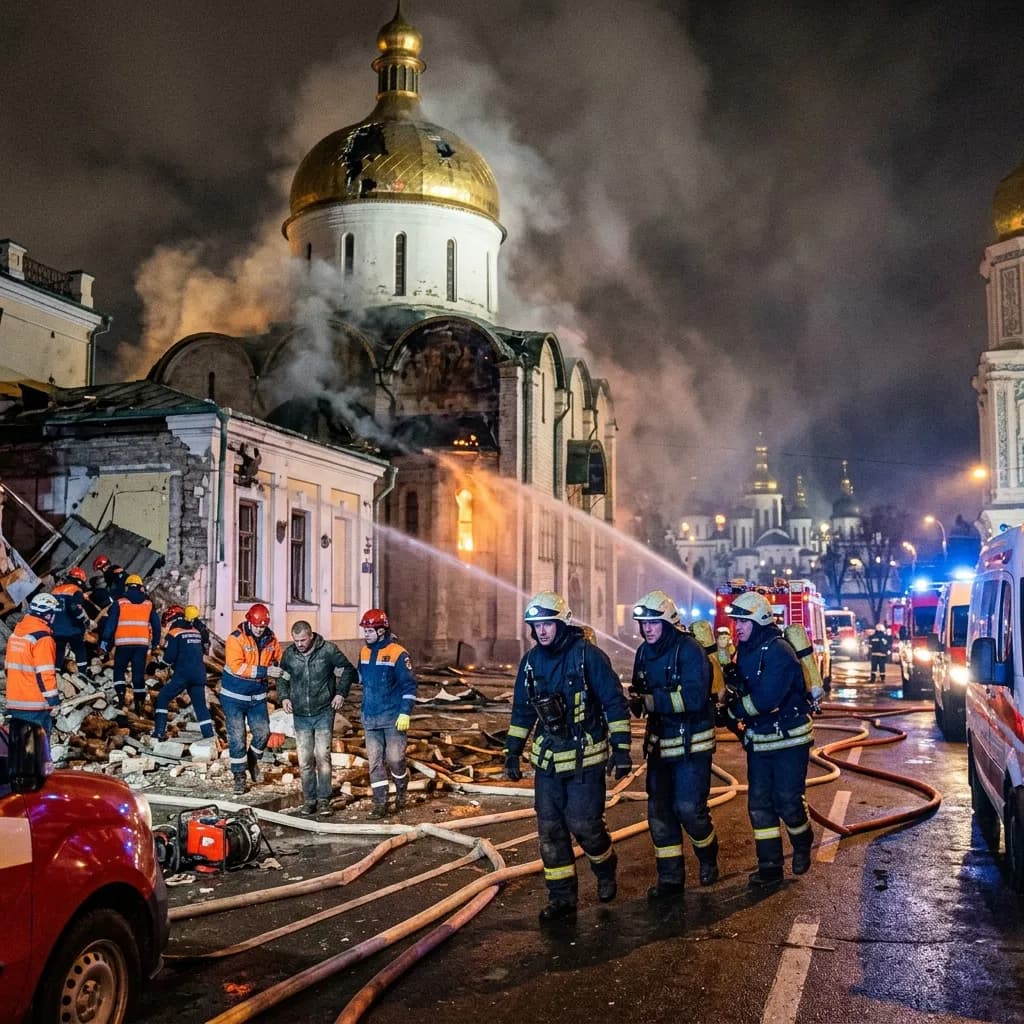
Images captured during and after the bombings showed significant destruction at the targeted facilities. Reports from local witnesses indicated that powerful explosions were heard in several coastal cities, and smoke could be seen rising on the horizon. The impact of the attacks was felt not only in terms of physical destruction but also in an increase in geopolitical tensions. The Iranian government condemned the bombings, labeling them a violation of national sovereignty and promising to retaliate forcefully. Iranian officials stated that the response would be "proportional" and that the country would not hesitate to defend its interests.
In response to international criticism and concerns regarding the escalation of the conflict, U.S. Central Command reiterated that the operation was conducted in accordance with international law and that the attacks were directed exclusively at military targets. CENTCOM emphasized that the action aimed to destabilize Iran's ability to conduct aggressive operations and that civilian safety was a priority during the mission's planning. Furthermore, U.S. authorities stated that they would continue to monitor the situation and were prepared to act again, if necessary, to protect U.S. interests and allies in the region.
The repercussions of the bombings on June 6, 2026, were immediate and far-reaching, with reactions ranging from support to condemnation in different parts of the world. While some U.S. allies expressed solidarity with the action, other countries, including members of the European Union, called for restraint and dialogue. The situation in the Persian Gulf became even more volatile, with analysts predicting that the events of that night could trigger a new wave of hostilities in the region, raising concerns about the possibility of a broader military conflict between the U.S. and Iran.
Context and History
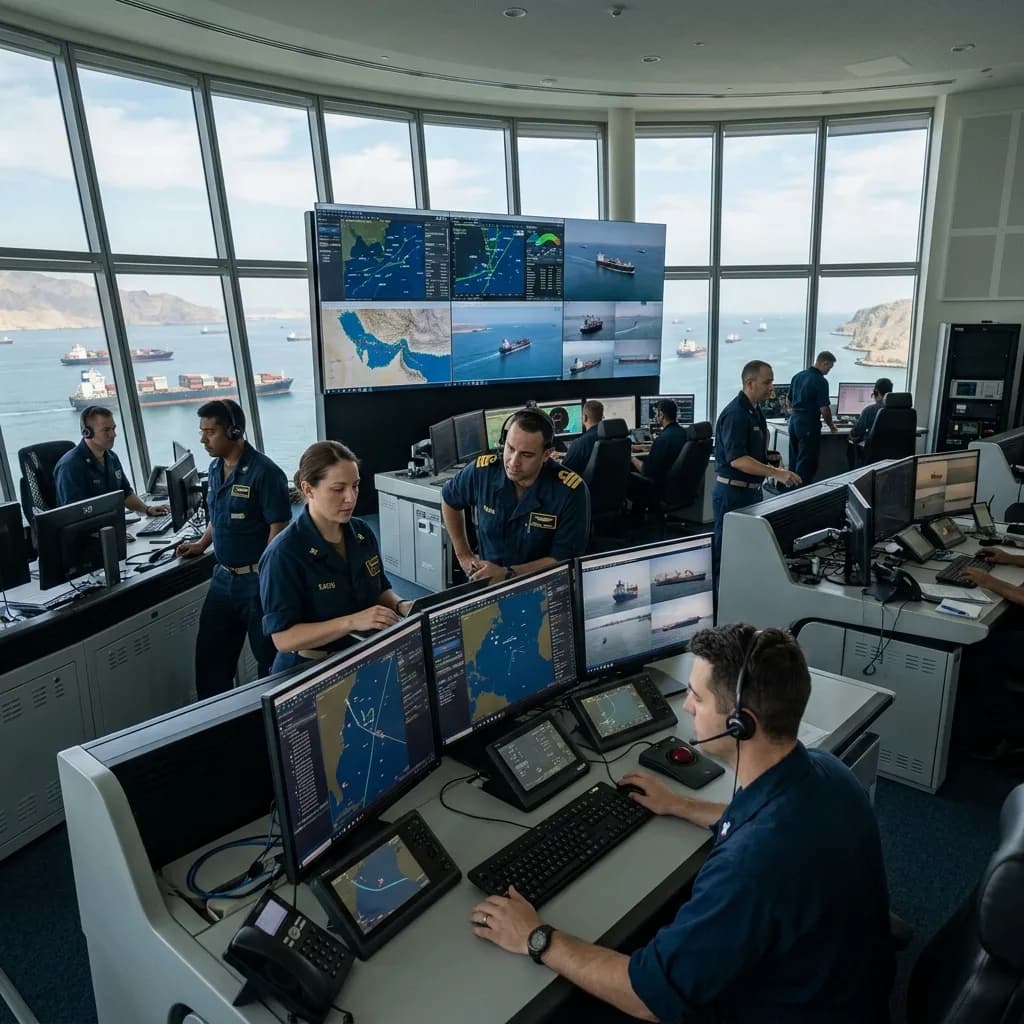
The Strait of Hormuz, one of the most strategic maritime routes in the world, has been the stage for increasing geopolitical tensions, especially in recent months. This strait, which connects the Persian Gulf to the Gulf of Oman, is vital for oil transportation, with approximately 20% of the world's oil passing through its waters. The rise in drone attacks against commercial routes in the region has raised significant concerns about maritime security and global economic stability.
In recent months, reports of attacks on merchant ships and oil platforms have become increasingly frequent. These attacks, often attributed to armed groups supported by rival states, target not only cargo vessels but also critical infrastructures, such as pipelines and port terminals. The use of drones, which allow for precision attacks with lower risk to the attackers, has proven to be an effective and increasingly common tactic. The ability to conduct operations from safe distances and at relatively low costs makes drones an attractive tool for groups seeking to destabilize the region.
Diplomatic warnings issued by Western powers, particularly by the United States, have intensified in response to this escalation of violence. Washington has warned about the global implications of the attacks, emphasizing that security in the Strait of Hormuz is a matter of international interest. On several occasions, American officials have highlighted that freedom of navigation in the region is crucial not only for countries that depend on Middle Eastern oil but also for the global economy as a whole. The warnings include the possibility of additional sanctions against those responsible for the attacks, as well as a promise of military support to allies in the region, such as the United Arab Emirates and Saudi Arabia.
The U.S. military strategy of containment has focused on increasing naval presence in the region and conducting joint operations with allies. The U.S. Navy has intensified its patrols in the Strait of Hormuz, aiming to deter attacks and ensure the security of trade routes. Additionally, the U.S. has sought to strengthen partnerships with other nations, promoting joint military exercises and intelligence sharing. This approach aims not only to protect American interests but also to ensure that allies in the region feel secure and supported in the face of growing threats.
However, the situation is complex and multifaceted. Tensions between Iran and the United States, exacerbated by years of sanctions and hostilities, create a conducive environment for the escalation of conflicts. Iran, in turn, has used the rhetoric of resistance and the assertion of its sovereignty over the Strait of Hormuz as justification for its actions, arguing that it is defending its national interests against what it considers an invasive military presence from the U.S. and its allies. This dynamic has generated a cycle of provocation and retaliation, where each act of aggression is followed by a response that can further intensify the crisis.
Furthermore, the increasing use of drones is not limited to offensive actions. Iran has also invested in defense technologies, seeking to develop its capabilities to intercept and neutralize aerial threats. This creates a scenario where drone warfare becomes a central part of the conflict, with each side attempting to outdo the other in terms of technology and strategy.
In summary, the rise in drone attacks in the Strait of Hormuz reflects a complex interaction between geopolitical interests, military strategies, and the pursuit of security in a volatile environment. Diplomatic warnings and the U.S. containment strategy are responses to this growing threat, but the escalation of tensions continues to challenge stability in the region and the security of trade routes that are crucial for the global economy. The future of the Strait of Hormuz and the security of its trade routes remain uncertain as regional and global powers navigate this delicate balance of power.
Impact on the Population
The recent escalation in geopolitical conflicts, especially in regions strategic for the supply of oil and gas, has resulted in an immediate rise in fuel prices at gas stations worldwide. This situation not only directly affects consumers' wallets but also generates a series of concerns that go beyond the mere increase in prices at the pumps. The insecurity in electrical supply and the security risks in maritime transport emerge as direct consequences of this scenario.
With the rise in fuel prices, families face a significant increase in transportation costs, which directly impacts the price of goods and services. The increase in fuel prices is not limited to vehicle refueling but extends throughout the supply chain, as the transportation of goods becomes more expensive. This creates a cascading effect that can lead to inflation, making essential products, such as food and medicine, more expensive and inaccessible to the general population.
Furthermore, concerns about electrical supply intensify, especially in countries that rely on fossil fuels for energy generation. Price instability in oil can lead to power outages and rationing, affecting people's daily lives. Industries, which also depend on stable and affordable energy, may be forced to reduce production, resulting in layoffs and increased unemployment.
Another critical aspect to consider is the security of maritime transport. With the intensification of conflicts, the transportation of oil and gas by sea becomes riskier. The possibility of attacks on tankers and other vessels transporting fuels increases, leading to higher maritime insurance costs. This, in turn, is reflected in the final prices of fuels, creating a vicious cycle that further harms the population.
The table below illustrates the comparison of average shipping and maritime insurance costs in the Gulf, before and after the recent surgical attack that impacted security in the region.
| Aspect | Before the Attack | After the Attack |
|---|---|---|
| Average shipping cost (USD) | 1,500 | 2,200 |
| Average insurance cost (USD) | 300 | 600 |
As we can see in the table, the average shipping cost increased from 1,500 USD to 2,200 USD, representing a 46.67% increase. The average insurance cost also rose from 300 USD to 600 USD, doubling the amount. These significant increases reflect the growing insecurity in maritime transport and the risks associated with fuel supply.
In summary, the immediate rise in fuel prices, concerns about electrical supply, and security risks in maritime transport form a complex scenario that directly impacts the population. The combination of these factors not only raises the cost of living but also generates uncertainties that can affect the economic stability of entire countries. The need for sustainable solutions and alternative energy sources becomes increasingly urgent as the dependence on fossil fuels turns into a matter of security and survival.
What Those Involved Are Saying
The geopolitical tensions involving the United States and Iran have generated intense reactions and official statements that reflect the positions of both sides. The White House, in a recent statement, emphasized the need to maintain security and stability in the Middle East. A spokesperson for the Biden administration stated, "We are committed to protecting our allies and ensuring that Iran does not gain access to nuclear weapons. Diplomacy remains our priority, but we will not hesitate to take decisive action to defend our interests and those of our partners in the region."
In contrast, the Iranian Ministry of Foreign Affairs responded vehemently to the White House's statements, accusing the United States of interference and fostering instability. The ministry's spokesperson, Saeed Khatibzadeh, declared, "The threats and sanctions from the U.S. will not intimidate the Iranian people. Iran is prepared to face any challenge and defend its sovereignty. The U.S. maximum pressure policy has failed, and they must understand that respectful dialogue is the only viable path to peace."
The reactions are not limited to governments but also include analyses from experts in global energy economics, who are attentive to the implications of these tensions for the global oil market. Energy analyst Dr. Emily Thompson commented, "Instability in the Middle East has always had a significant impact on oil prices. If tensions continue to escalate, we can expect sharp volatility in the markets, which may affect not only producing countries but also economies that depend on imported oil."
Another expert, economist and energy consultant Dr. Rajiv Patel, added, "The current situation is a reminder of how geopolitics can influence the global economy. Iran has significant oil reserves, and any disruption in its production could lead to an increase in barrel prices, affecting inflation in various parts of the world. Countries need to be prepared for the potential ripple effects that an escalation of conflicts may cause."
These statements and analyses highlight the complexity of the situation, where security concerns intertwine with global economic dynamics. As the two countries continue to exchange barbs, the world watches closely, aware that the consequences may extend far beyond the borders of the Middle East. The search for a peaceful and diplomatic solution remains, but the voices from both sides indicate that the path ahead will be fraught with challenges.
Next Steps
In light of the growing geopolitical tension in the Middle East region, particularly in areas strategic for oil supply, the United States is considering the deployment of new aircraft carriers to the region. This movement aims not only to reinforce military presence but also to send a clear message regarding the American commitment to ensuring the stability and security of energy transportation routes. The presence of aircraft carriers can act as a deterrent against hostile actions that may threaten the flow of oil, which is crucial for the global economy.
Furthermore, the Organization of the Petroleum Exporting Countries (OPEC) is convening emergency meetings to discuss the implications of geopolitical volatility on the energy market. The possibility of supply disruptions due to conflicts or sanctions could lead to an increase in oil prices, affecting not only producing countries but also economies dependent on imports. OPEC meetings will be essential for member countries to coordinate their production policies and thus stabilize the market, avoiding excessive fluctuations that could harm the global economic recovery.
Conclusion
The geopolitical volatility at the center of energy supply continues to be a growing concern for governments and investors worldwide. The interdependence between energy security and political stability is more evident than ever, with recent events demonstrating how tensions in one region can quickly translate into fluctuations in oil and gas prices. As global powers seek to secure their strategic interests, the dynamics of the energy market become increasingly complex.
The future of energy supply will depend not only on political decisions but also on the ability of countries to cooperate in an environment of rising rivalry. The pursuit of energy alternatives and the transition to renewable sources will also play a crucial role in mitigating the risks associated with geopolitical volatility. Therefore, continuous vigilance over emerging situations and the adaptation of energy strategies will be essential to ensuring economic stability and energy security in the global landscape.
Sources and References
- Bloomberg
- Reuters
- Financial Times
- CENTCOM Press Releases
These sources provide a comprehensive and up-to-date analysis of geopolitical developments and their implications for the energy market, allowing for a deeper understanding of the challenges and opportunities that arise in this dynamic context.