Rock Art in the Northeast: The Record of Ancient Supernovas
Date: July 18, 2026
Reading time: 12 minutes
Emoji: 🌌
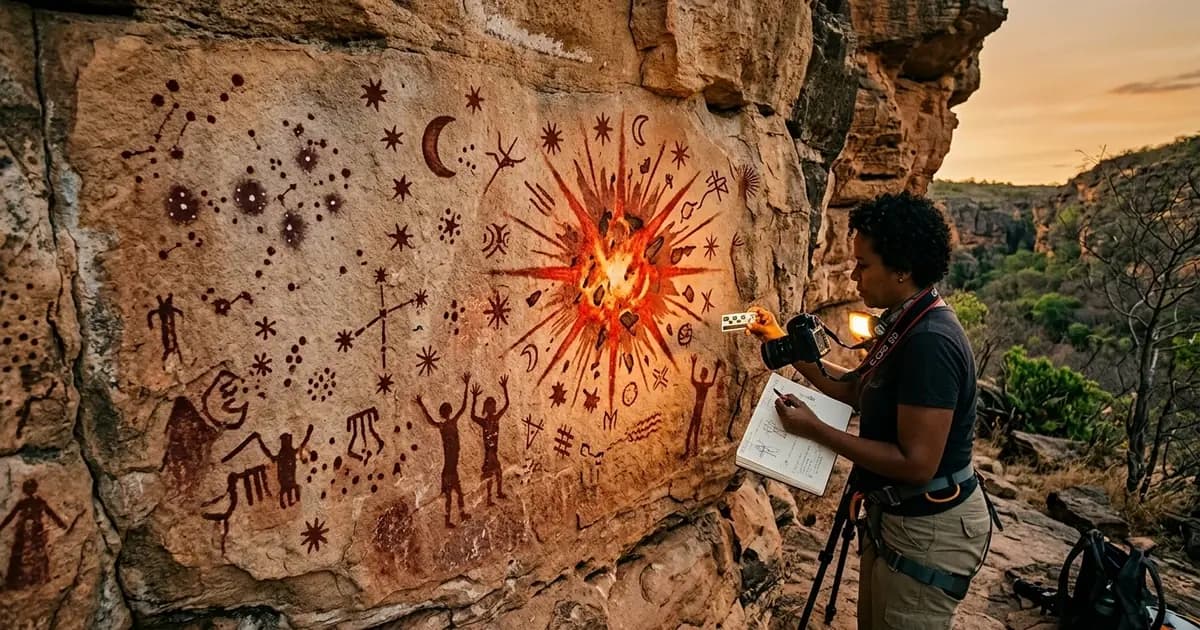
The Brazilian semi-arid region holds secrets and mysteries that go far beyond its rich biodiversity and uniquely exuberant natural beauty. On the imposing rock walls of the country's Northeast, ancient cave paintings reveal that the prehistoric inhabitants of the region were extremely attentive and meticulous observers of the cosmos. Researchers in the field of archaeoastronomy have recently identified impressive graphic records that seem to document, with great precision, supernova explosions that occurred thousands of years ago.
This fantastic revelation places Brazil at the center of global scientific discussions regarding the history and evolution of prehistoric observational astronomy. The coordinated research indicates that ancestral indigenous populations possessed complex and structured systems to measure the passage of time and map constellations. Their artistic inscriptions recorded violent cosmic cataclysms that temporarily altered the configuration of the night sky visible in the Southern Hemisphere.
What is Archaeoastronomy and its Relevance in Brazil
Archaeoastronomy is a fascinating scientific discipline dedicated to understanding how ancient civilizations and cultures interpreted celestial phenomena. In Brazilian territory, this science has gained enormous prominence by investigating enigmatic graphics engraved at archaeological sites in states such as Piauí, Paraíba, and Rio Grande do Norte. Far from being mere casual aesthetic expressions, many of these paintings represent complex stellar maps and agricultural calendars perfectly adapted to the local climate.
Modern astronomers utilize high-performance computers to recalculate the positions of stars and planets, retroactively tracing thousands of years into the past. This meticulous process of digital and mathematical reconstruction allows aligning rock art drawings with real physical phenomena documented in history. Consequently, contemporary science is able to validate the impressive accuracy with which those past communities cataloged the fluctuations and mysteries of the universe.

The Record of Supernovas on Northeast Rocks
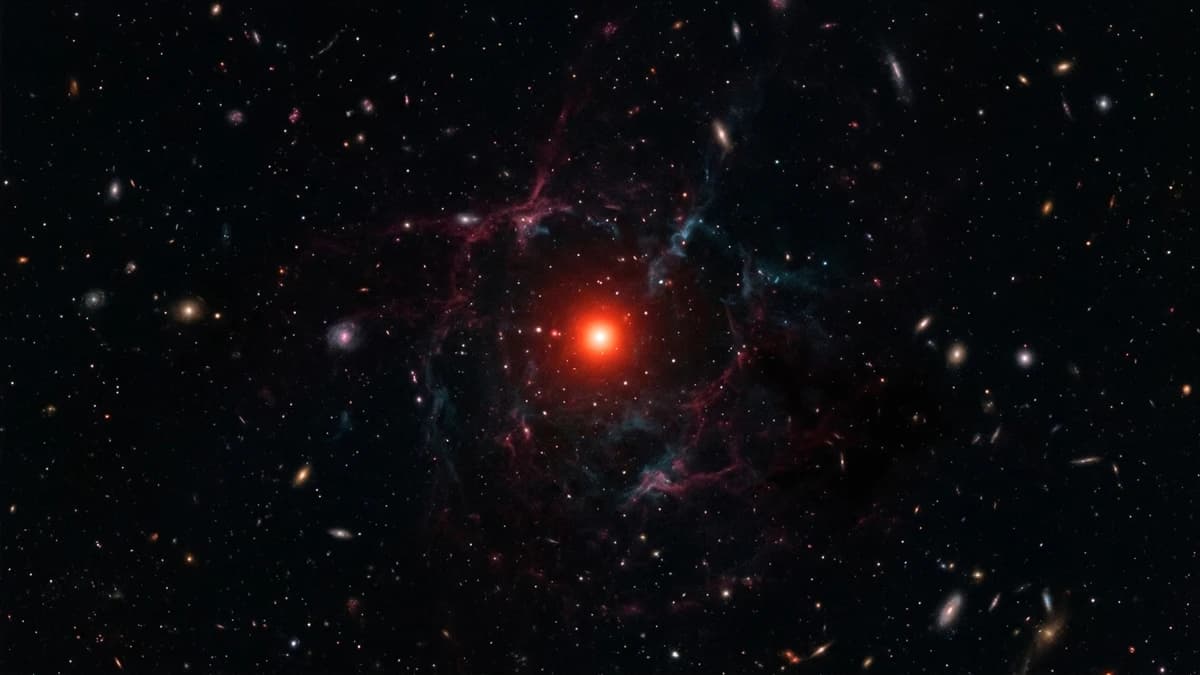
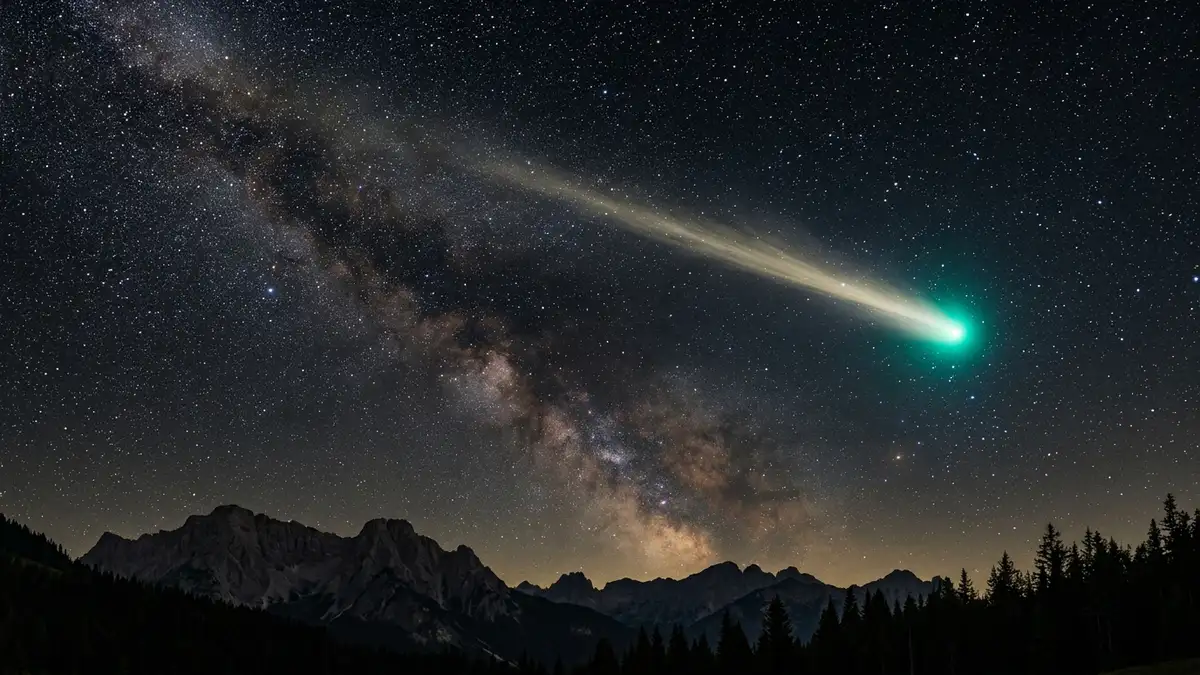
A supernova represents the catastrophic death of a massive star, resulting in a monumental explosion that releases colossal amounts of energy and light into space. When this type of event occurs relatively close to our Solar System, the brightness of the dying star increases so drastically that it becomes visible even during the day. For the prehistoric human groups inhabiting the northeastern territory, seeing a brilliant new light source arise in the sky must have been an unforgettable experience.
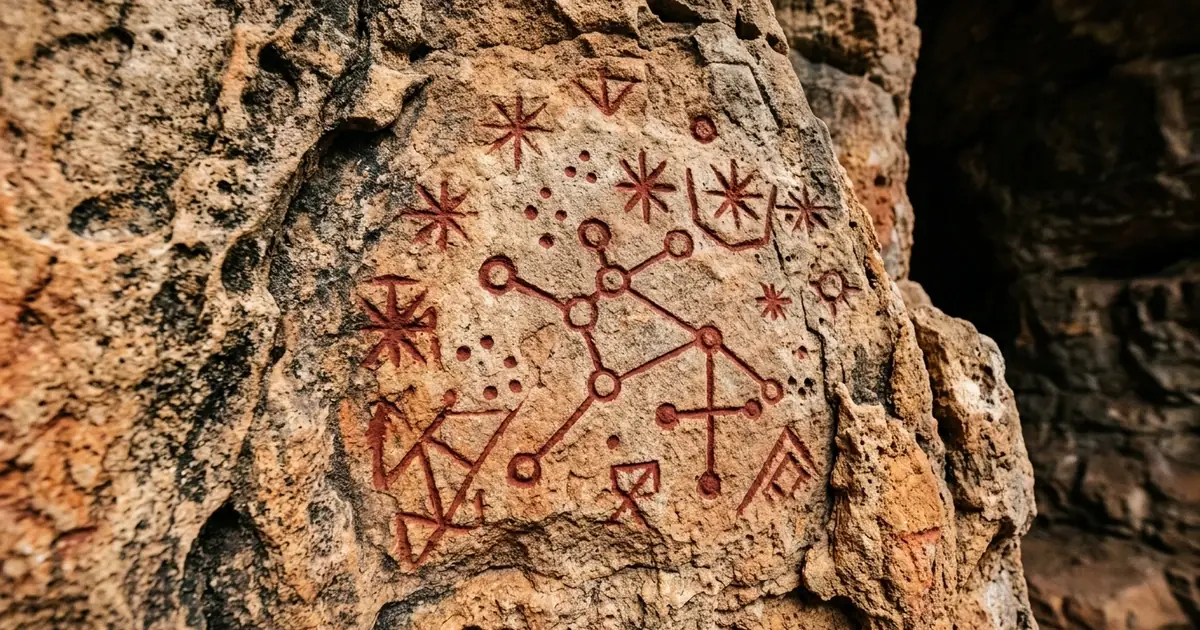
Detailed investigations at archaeological sites in Piauí have revealed paintings in shades of red and yellow depicting concentric circles and light beams that differ from common stars. The proximity and relationship of these drawings to lunar symbols suggest that ancient artists attempted to record the exact position of the explosion relative to the Moon. These geometric records align surprisingly well with the physical locations of nebulae and supernova remnants known to modern science.
One of the most fascinating examples of this correlation is the potential record of the famous supernova SN 1006, whose exceptional brightness was sighted in the year 1006. Widely documented by medieval Arab, Chinese, and European scribes, this monumental explosion also appears to have left its indelible mark on the rocks of the Brazilian semi-arid region. Researchers argue that the placement of these engravings relative to the stars of the Lupus constellation confirms the careful observations made by native astronomers.
Modern Technology Validating Ancestral Wisdom
To prove the scientific validity of the hypotheses raised by archaeologists, teams of modern astrophysicists utilized specialized software for three-dimensional sky mapping. These digital tools allowed them to recreate with absolute precision the celestial dome visible over the Brazilian hinterland at the estimated time of the paintings' creation. The resulting analyses showed a perfect alignment between the most prominent drawings and the celestial coordinates where the supernova shone with maximum intensity.
This empirical validation demonstrates that the relationship and practical knowledge native populations maintained with the sky were much deeper than traditional archaeology assumed. The orbital dynamics and physical transformations of our planetary system show that the celestial dome is in constant and perceptible modification. Proof of this is that scientists reveal the moon is moving away from earth faster than previously thought, which requires complex calculations to adjust ancient celestial maps.
In addition to computer simulations, the application of chemical spectroscopy on iron oxide pigments helps date the creation period of these artworks more accurately. The convergence between chemical data of rock weathering and the estimated dates of known supernovas offers a robust and irrefutable scientific argument. In this way, archaeoastronomy establishes itself in Brazil as an indispensable channel for uncovering the history of scientific thought in the Americas long before colonization.
Comparison of Astronomical Records in Rock Art
To contextualize the scientific value of these Brazilian discoveries, researchers conducted systematic comparisons with rock art records in other parts of the world. Although each prehistoric culture developed distinct symbolic and artistic languages, the urgent need to record extraordinary cosmic phenomena remains a universal human trait. This global comparison allows isolating the technical characteristics of each archaeological site while documenting the universality of human curiosity toward the night sky.
| Site Name | Region | Estimated Age | Depicted Phenomenon | Astronomical Agreement |
|---|---|---|---|---|
| Lajedo de Soledade | Rio Grande do Norte, Brazil | ~3,000 to 5,000 years | Ancient supernova / Comet | High correspondence with the southern hemisphere sky |
| Chaco Canyon | New Mexico, USA | ~1,000 years (SN 1054) | Crab Supernova | Alignment with the crescent Moon of the exact date |
| Serra da Capivara | Piauí, Brazil | ~8,000 to 10,000 years | Planetary alignments / Supernovas | High geometric correlation with the local gradient |
| Lascaux Caves | Dordogne, France | ~17,000 years | Pleiades / Taurus (Constellations) | Excellent compliance with ancient star maps |
| Val Camonica | Lombardy, Italy | ~5,000 years | Solar eclipses / Stars | Medium correlation with historical solar events |
The collected data indicate that the sophistication of astronomical observations carried out in Brazil is fully comparable to that of the most renowned sites in Europe and North America. The peoples who frequented Serra da Capivara and Lajedo de Soledade created geometric representation codes of high scientific fidelity. This finding reshapes the classical understanding of the history of science, proving that empirical and observational thinking flourished long before the invention of writing.
The Scientific and Cultural Impact of the Discoveries
These extraordinary discoveries in the field of archaeoastronomy also bring to light the critical need for conservation and protection of Brazil's archaeological heritage. Many of these globally important rock art sites are currently exposed to accelerated weathering and vandalism due to a lack of security and preservation infrastructure. Understanding and translating these ancient graphics serves not only to enrich scientific knowledge but also to preserve and honor the cultural memory of these ancestral populations.
Furthermore, analyzing the records of these ancient stellar explosions provides valuable information that helps scientists predict the behavior of other high-energy cosmic phenomena. Monitoring the activity of neighboring stars and understanding cosmic radiation dynamics is essential for the development and protection of our current technological systems. Recently, studies have warned that a solar super-flare threatens global communication networks, highlighting that celestial events continue to exert a real impact on our civilization.
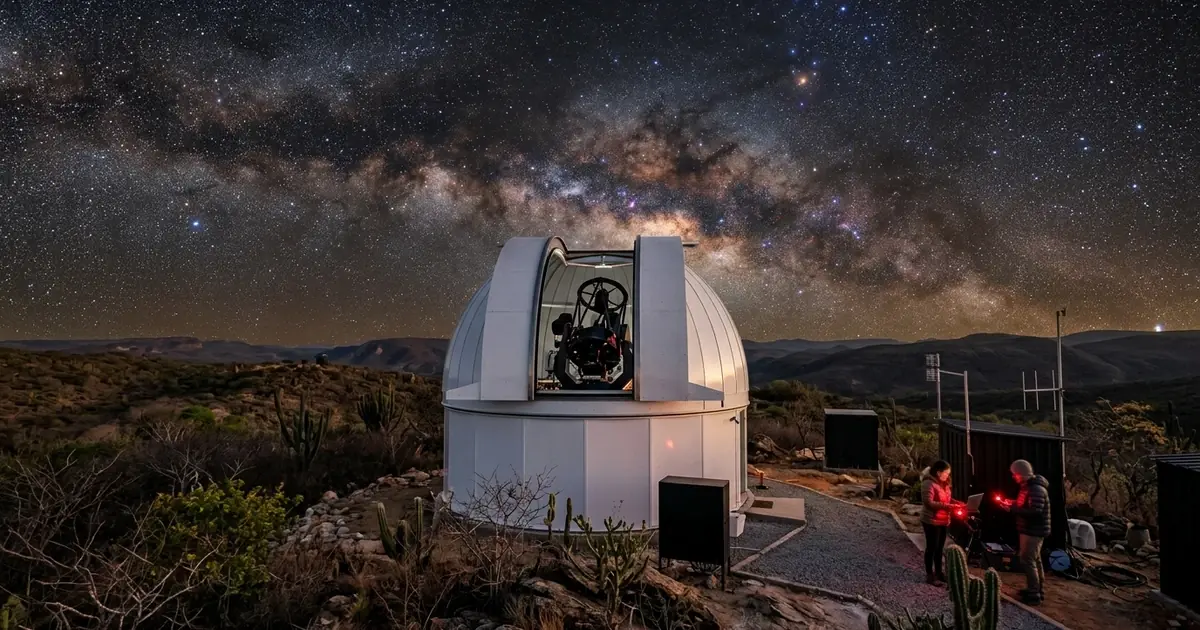
Ongoing excavation and analysis work in these rock art areas of Piauí and Rio Grande do Norte reveal new panels annually. In cooperation with foreign institutions, Brazilian researchers utilize high-definition laser scanners to digitally preserve these panels in three dimensions before natural erosion destroys them. These collaborative efforts serve as an essential bridge connecting the brilliant intuition of the past with the advanced tools of modern scientific research.
Conclusion: The Legacy Written in the Rocks
The fascinating legacy of the rock paintings in the Brazilian Northeast proves that the night sky has always acted as a unifying element for humanity. The confirmation that ancient peoples recorded phenomena such as supernovas demonstrates that the desire to document nature is an inherent characteristic of our species. Studying these painted walls in the hinterland means reconnecting with the very first steps taken by our civilization to document and decipher the celestial immensity.
The strengthening of archaeoastronomy in Brazil opens new and promising frontiers for research in sites that remain largely unexplored by the academic community. Recognizing this valuable pre-colonial knowledge rescues and elevates the historical memory of the indigenous peoples who first inhabited and understood these lands. This eternal record engraved in stone and light continues to inspire and enchant all those who seek to decipher the history of the universe from a Brazilian perspective.