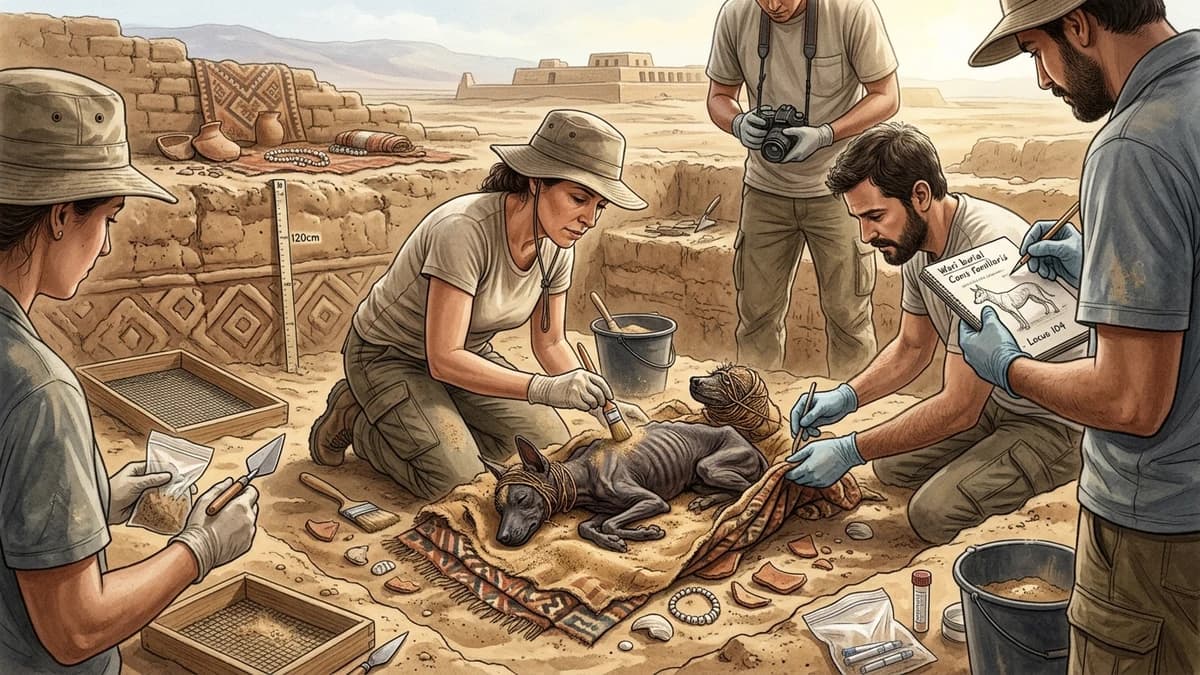
The incredible archaeological revelation also immediately raises numerous incredibly intriguing questions and academic debates of paramount importance about the dense and ancient commercial networks of exchange and also about the extremely rich cultural exchange in complex pre-Columbian America. The notable, quite widespread presence and the enormous historical cultural relevance of unusual hairless dogs in several strongly distinct and distant Andean cultures strongly suggest that these valuable animals were systematically and profitably traded on ancient routes. The spatial study and meticulous review of the complex geographic distribution of similar ancient finds could, in due time, illuminate long ancient commercial land routes and remarkable and forgotten intercultural connections throughout the wonderful Andes.
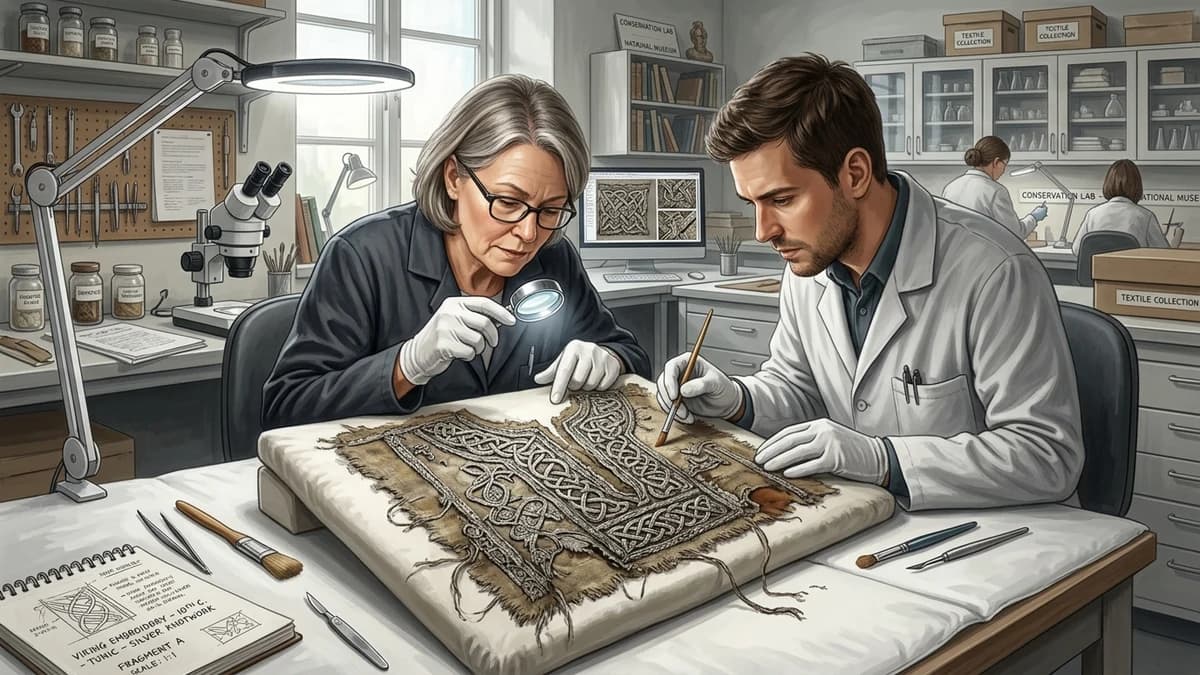
Laboratory experts are equally focused on analyzing the extremely delicate garments and colorful ceremonial textiles that wrapped the dog, which incredibly survived admirably the rigorous passage of hundreds of cruel centuries. These beautiful funerary textiles present beautifully executed intricate artisanal patterns and exceptionally vibrant and lively natural tones that undoubtedly reflect and attest to the incredible sophistication and enormous artistic value of the highly advanced and detailed pre-Inca Andean weaving techniques. The profound study and scrutiny of the varied botanical materials and dyes applied provide much information and extremely rich and important data about the specific religious culture and the mysterious and sophisticated community that affectionately honored and sheltered the small dog for its well-deserved rest.
The meticulous preservation of the fragile find, along with the scientific scrutiny of this important and formidable natural fossil find, clearly represents a colossal, complex, and highly significant and honorable challenge for current trained modern museological conservation teams. A highly monitored, perfectly isolated, and strictly computer-controlled museological environment will indeed become absolutely essential and necessary at the present moment in order to firmly guarantee that the impressive and unique mummy remains completely intact and inviolate for decades to come so that generations of future researchers can know and study it with due praise. Minimal modifications in the level of relative humidity or minuscule fluctuations in local temperature could rapidly degrade and destroy the rich dry organic matter of the ancient animal in an irreversible and regrettable way.
The engaged and patriotic contemporary Peruvian government and the illustrious dedicated members and experts of the honorable Ministry of Culture proudly and seriously assume together a vital and crucial leadership in the difficult protection and ardent promotion of the numerous treasures recently discovered in the vast Peruvian territory. Severe, very rigid, and imposing official laws stipulate in a strong and peremptory manner that valuable assets mandatorily remain within the extensive borders and thus properly submitted and open to complete and open evaluations, which effectively strengthens the advance and development of national research, and consequently of notable Peruvian patriotic identities. The adored and popular small Peruvian dog mummy will honorably fulfill, from today on, the beautiful and sublime function and the glorious civic role of a splendid mute and millenarian ambassador of the glorious glories, majestic conquests, and mysterious charms of the vibrant and prosperous civilizations of the beloved local antiquity of the Andean country.
The substantial, magnificent, and undeniable immediate impact of this entire unique invaluable exploration has provided in the fertile general imagination a colossal and immense notable wave of strong empathy, pure respect, and warm and universal consideration for a pre-Columbian period that shines wonderfully and enchants brilliant minds at all times. It, in a sensitive way, re-evaluates the paradigms of the oldest and most elementary affections by telling us, with much subtle grace, that love for faithful pet friends was already something absolutely natural and common to the valiant precursors. Cradled in genuine tenderness, vast publications and admirable reports across the globe brilliantly capture the enthusiastic mind of the curious audience, always awakening in the most moved and sensitive observers profound correlations and evident and fraternal similarities of their own routine existences.
This valuable noble and dazzling strand of fascinating archaeology continues and wonderfully insists on tirelessly amazing, confusing, and enchanting all of us in the most beautiful way possible, incessantly exhuming varied very sacred mysteries previously swallowed by the brutal immense sands. The simple and delicate mummy of this wonderful dog is a formidable landmark and spectacular eloquent reminder about the immeasurable and infinite monumental complexity of the old and dynamic immemorial Andean structures that gracefully subsisted there in the once brilliant past. The admirable perennial devotion to these notable small precious conquests perfectly and immensely helps in the continuous complex mapping of the lost routes of the imposing nations of yesteryear strongly spread across the magnificent land of the glorious and beloved free wonderful America.