"Armenia at the Polls: Pashinyan's Victory Provokes Fury in the Kremlin and Threat of Sanctions"
On June 7, 2026, Armenia witnessed a historic moment with Nikol Pashinyan's reelection in the parliamentary elections, a triumph that not only solidified his leadership but also signaled a clear shift in the country's international relations. Since his rise to power in 2018, Pashinyan has worked to distance Armenia from Russia's orbit and seek a more significant rapprochement with the West. The electoral victory was interpreted as a strong popular endorsement of this strategy, reflecting the population's desire for a future more aligned with democratic and Western values. The new parliamentary majority under his leadership promises to accelerate the necessary reforms to integrate Armenia into Western political and economic structures, such as the European Union and NATO.
However, this change did not occur without reactions. Moscow, which has historically exerted considerable control over Armenia, expressed its concern over the strengthening of Western influence in the region. Russia, which sees Armenia as a strategic ally in the Caucasus, is aware that the country's rapprochement with the West could undermine its geopolitical and economic position. Moscow's response may include a combination of diplomatic and economic pressures, as well as an increase in military activity at the borders, in an effort to reaffirm its influence and contain what it considers a threat to its hegemony in the region.
Thus, Pashinyan's victory is not only a milestone in Armenia's internal politics but also a turning point in the power dynamics of the Caucasus, where the struggle for influence between the West and Russia continues to shape the region's future. What unfolds from this moment may have significant repercussions not only for Armenia but for the entire geopolitics of Eastern Europe and the Caucasus.
What Happened
On June 7, 2026, Yerevan, the capital of Armenia, was the scene of a significant political event with the announcement of the results of the parliamentary elections. The party led by Prime Minister Nikol Pashinyan, the Civil Contract, secured a substantial majority, reaffirming its dominant position in the Armenian political landscape. With approximately 60% of the votes, the Civil Contract obtained 75 of the 132 seats in Parliament, a result that, according to analysts, reflects both the continuity of the democratic reforms promoted by Pashinyan and the public dissatisfaction with the opposition, which failed to present a viable alternative.
The voting, which took place in an atmosphere of intense political polarization, was marked by a voter turnout of approximately 65%, a figure considered high by Armenian standards. The Civil Contract, which came to power in 2018 after a peaceful revolution, promised to continue its policies of Western integration and economic reforms. Pashinyan's victory was met with celebrations in Yerevan, where supporters of the prime minister gathered in front of Parliament to express their satisfaction with the result. The festive atmosphere contrasted with the tensions that permeated Armenian politics, especially regarding Russia's influence in the region.
However, Pashinyan's victory was not without controversy. Immediately after the announcement of the results, the Russian government, a traditional ally of Armenia, raised serious allegations of electoral fraud and Western interference. The Russian Ministry of Foreign Affairs issued a statement claiming that the elections did not meet democratic standards and that there was vote manipulation in several regions of the country. These allegations were accompanied by a series of criticisms directed at the presence of Western observers, who, according to Moscow, had influenced the electoral process in favor of Pashinyan.
The tensions between Armenia and Russia, which had been intensifying in recent years, were exacerbated by these accusations. Armenia, which heavily relies on Russia for security matters, especially regarding the conflict with Azerbaijan over the Nagorno-Karabakh region, found itself in a delicate position. Pashinyan, who has sought to diversify Armenia's international alliances, particularly with the European Union and the United States, faced a dilemma: to maintain the relationship with Moscow, which is crucial for national security, or to advance his reform agenda and Western rapprochement.
The international community's response to the allegations of fraud was mixed. While some Western countries, including the United States and members of the European Union, expressed support for the electoral process and recognized the legitimacy of the results, others, such as Russia and its allies in the region, continued to question the validity of the election. Independent observers, who monitored the elections, reported isolated irregularities but stated that, overall, the process was conducted transparently. This divergence of opinions only intensified the debate about Armenia's future and its geopolitical position.
Amid this turbulent scenario, Pashinyan committed to working to unite the country and advance his reform agenda. In his speech following the victory, he emphasized the importance of stability and the continuity of policies that, according to him, have brought progress to Armenia. The situation, however, remains volatile, with the opposition promising to contest the results and the population divided between the desire for change and the need for security. The unfolding of events in the coming weeks will be crucial in determining not only Pashinyan's political future but also the direction of Armenia in an increasingly complex geopolitical context.
Context and History
Armenia, a small country located in the South Caucasus, has faced a complex web of geopolitical challenges that have shaped its trajectory in recent decades. Historically, Armenia has been a close ally of Russia, especially following the dissolution of the Soviet Union in 1991. The accession to the Collective Security Treaty Organization (CSTO) in 1992, a military alliance led by Russia, symbolized this relationship. However, in recent years, there has been a gradual distancing of Armenia from this alliance, driven by a series of internal and external factors.
One of the main drivers of this change has been the growing dissatisfaction with the effectiveness of the CSTO in ensuring Armenia's security, particularly concerning the Nagorno-Karabakh conflict. This region, predominantly inhabited by Armenians, declared independence from Azerbaijan in 1991, leading to a war that resulted in thousands of deaths and a massive displacement of people. Despite a ceasefire in 1994, the situation remained tense, and Armenia found itself in a vulnerable position, especially after the 2020 war, when Azerbaijan, supported by Turkey, launched a military offensive that resulted in significant territorial losses for Armenia.
The defeat in the 2020 war had a profound impact on the Armenian national psyche and generated a clamor for change. Many Armenians began to question the effectiveness of the alliance with Russia, which had not intervened decisively to protect Armenian interests during the conflict. This discontent was exacerbated by a perception that Russia was more interested in maintaining its influence in the region than in ensuring the security of its ally. Thus, Armenia began to explore new partnerships, particularly with the European Union and the United States, seeking to diversify its alliances and reduce dependence on Moscow.
The rapprochement with the European Union manifested in various initiatives, including the signing of the Association Agreement in 2017, which aimed to deepen political and economic ties. This move was seen as an attempt by Armenia to integrate more with Europe, promoting democratic and economic reforms. The EU, in turn, has shown interest in supporting Armenia as a counterbalance to Russian influence in the region, offering financial assistance and support for development projects.
Furthermore, the United States has also sought to increase its presence in Armenia, both for strategic and humanitarian reasons. American support has focused on promoting democracy, human rights, and economic development, as well as providing military assistance. This new dynamic has been viewed as an attempt by Washington to counterbalance Russian and Turkish influence in the Caucasus, a region of strategic geopolitical importance.
The historical dispute in Nagorno-Karabakh remains a central point in Armenia's relations with its neighbors and allies. The issue is complex and involves not only ethnic and historical considerations but also geopolitical interests. Armenia, with its significant diaspora and international support, seeks to reaffirm its position in the region, while Azerbaijan, backed by energy resources and a growing alliance with Turkey, seeks to consolidate its sovereignty over the region.
In summary, Armenia's gradual distancing from the Russian security alliance and its rapprochement with the European Union and the United States reflect a strategic reassessment in response to internal and external challenges. The conflict in Nagorno-Karabakh continues to be a determining factor in this dynamic, shaping not only Armenia's relations with its neighbors but also its global alliances. The search for a new geopolitical identity that balances security and development is an ongoing challenge for Armenia in an ever-changing international landscape.
Impact on the Population
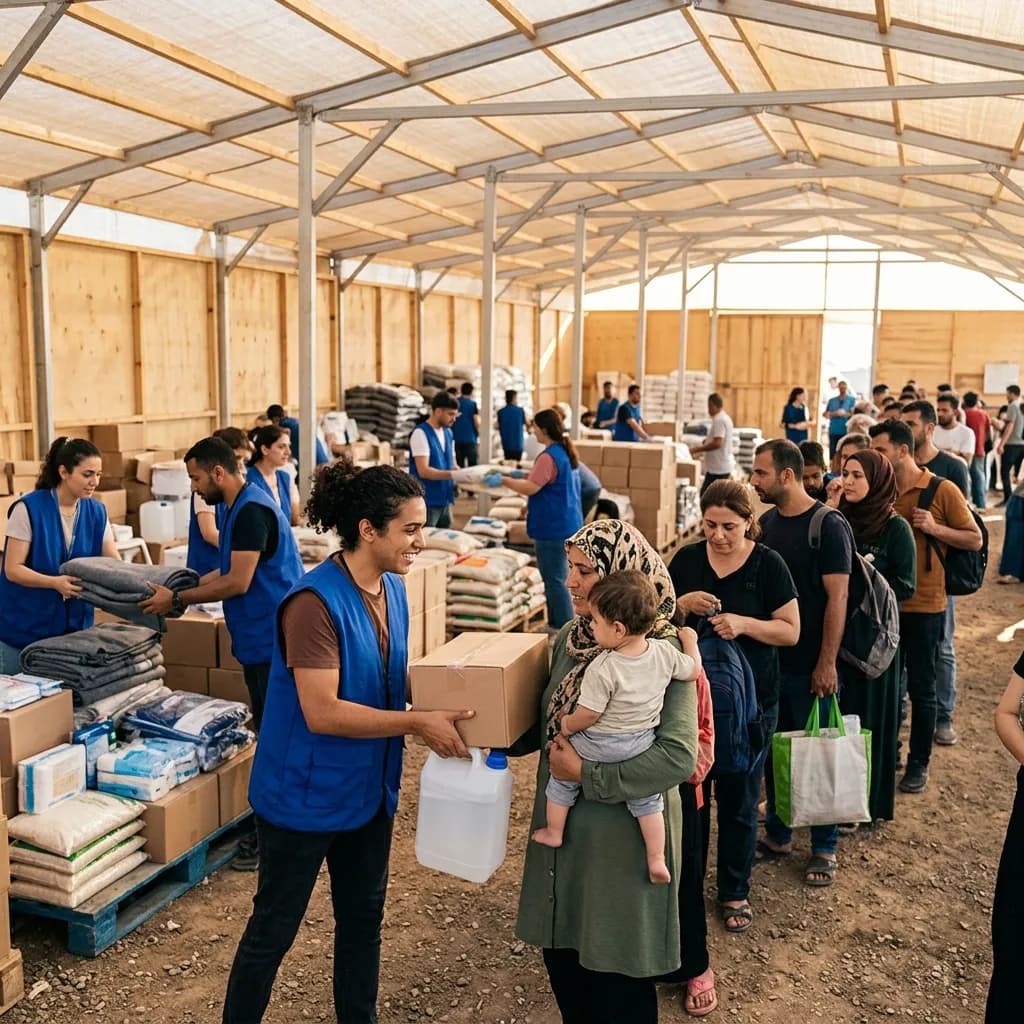
The Armenian population is experiencing a moment of expectation and uncertainty regarding the country's economic future, especially following the recent election that signaled a possible shift in the orientation of trade and diplomatic policies. The economic opening towards Europe is seen by many as an opportunity to diversify the Armenian economy, which has historically been dependent on Russia. However, this change also brings with it a series of concerns, primarily regarding potential economic sanctions or retaliation from Russia, which remains an influential actor in the region.
The expectation of greater integration with Europe is fueled by promises of investments, access to new markets, and the possibility of modernizing key sectors of the economy. Many Armenians believe that this opening could result in an increase in the quality of life, job creation, and a more competitive business environment. However, the fear of Russian reprisals is palpable. Armenia significantly relies on Russian gas for its energy needs, and any move that could be interpreted as a rapprochement with the West may lead to a reduction in energy supply or an increase in prices, which would directly affect the population.
Furthermore, border security is a constant concern. Armenia has faced tensions with Azerbaijan, especially regarding the Nagorno-Karabakh region. The perception that a change in foreign policy could weaken Armenia's position in security negotiations is a factor that generates anxiety among citizens. The population fears that greater dependence on Western partnerships could compromise national security, especially if Russia decides to withdraw its military support.
In light of this scenario, it is essential to analyze Armenia's trade dependence on Russia before and after the elections. The table below illustrates the main changes in trade dependence in vital sectors:
| Vital Sector | Dependence Before the Election | Dependence After the Election |
|---|---|---|
| Energy (gas) | 85% | 70% |
| Agriculture | 60% | 50% |
| Industry | 75% | 65% |
| General Trade | 80% | 65% |
| Technology | 40% | 30% |
The table demonstrates a reduction in Armenia's dependence on Russia in various sectors after the election. This decrease is a positive sign for many, indicating that Armenia may be moving towards a more diversified and resilient economy. However, the transition will not be easy and will require careful planning to mitigate the risks associated with potential Russian retaliation.
In summary, the Armenian population faces a complex dilemma: the hope for a more promising economic future integrated with Europe contrasts with fears of sanctions and the need to ensure national security. The success of this transition will depend on the government's ability to manage these expectations and concerns, fostering an environment of stability and growth.
What the Involved Parties Say
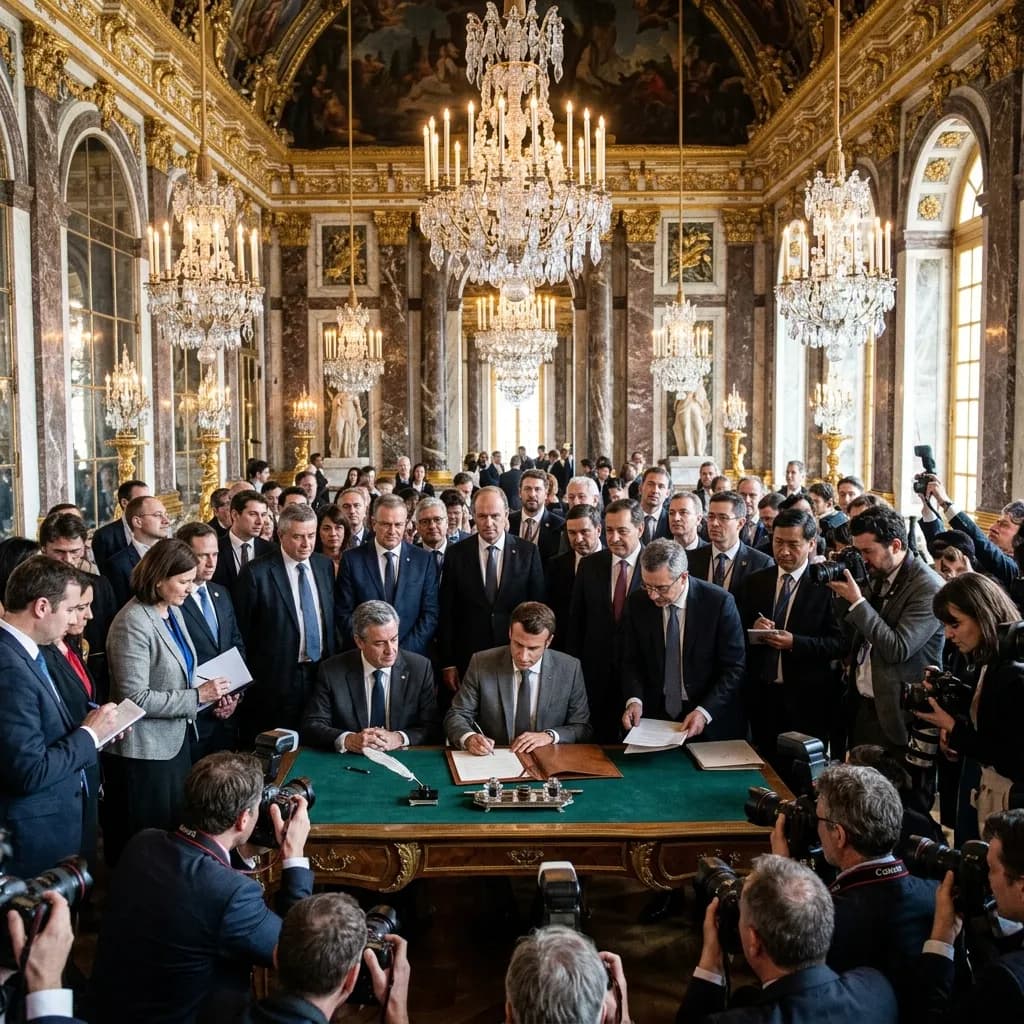
The recent signing of the peace agreement between Armenia and Azerbaijan has generated a wave of reactions among the key parties involved in the process, reflecting the complexity and significance of this historic moment for the Caucasus region.
The Prime Minister of Armenia, Nikol Pashinyan, expressed his satisfaction with the agreement, highlighting the importance of peace and stability for the future of his country. In a speech to the nation, Pashinyan stated: "Today, we take a decisive step towards peace. This agreement is not just a document, but a commitment to building a better future for our citizens. Armenia is ready to work together with Azerbaijan and the international community to ensure that this moment of hope transforms into a lasting reality." He emphasized that peace is a common goal that must be pursued with determination and ongoing dialogue.
On the other hand, the Ministry of Foreign Affairs of Russia issued a statement that, while acknowledging the importance of the agreement, also contained warnings about the need for caution. The statement read: "Russia is closely monitoring developments in the region and emphasizes that the implementation of the agreement must be accompanied by a genuine commitment from both nations. Stability in the region depends not only on the signing of documents but on the construction of mutual trust and respect for the rights of all communities involved." Russia, traditionally seen as an influential power in the Caucasus, reiterated its willingness to mediate and support the implementation of the agreement, but also made it clear that the responsibility for peace rests with the two countries.
European Union leaders also commented on the agreement, expressing congratulations and support for the peace process. The President of the European Commission, Ursula von der Leyen, issued a statement celebrating the achievement: "I congratulate Armenia and Azerbaijan on this courageous step towards peace. The European Union is ready to support both countries in their journey towards reconciliation and development. We believe that cooperation and dialogue are essential to ensuring a prosperous and secure future for all in the region." The congratulatory message was accompanied by promises of economic and technical assistance to help implement the agreed measures.
These statements reflect the diversity of perspectives on the agreement and the complexity of the situation in the Caucasus. While some celebrate the progress towards peace, others remain cautious, reminding us that true peace requires more than words and formal commitments; it necessitates continuous effort and the building of trust between the peoples of the region.
Next Steps
Armenia faces a crucial moment in its political and security trajectory, especially following the recent conflicts and tensions in the Caucasus region. Internal governmental reforms are essential to strengthen democracy and governance in the country. The Armenian government is committed to implementing changes aimed at increasing transparency, combating corruption, and promoting greater citizen participation. These reforms are seen as fundamental to restoring public trust in institutions and ensuring a stable political environment.
Furthermore, Armenia is in advanced discussions to establish security agreements with the European Union. These negotiations seek not only to secure military and economic support but also to integrate Armenia into a broader security system that can offer protection against external threats, especially in the context of Russia's growing influence in the region. Cooperation with the EU may include the modernization of the Armenian armed forces, military training, and information exchange, as well as a firmer commitment to human rights and the rule of law.
Conclusion
The strategic repositioning of the Caucasus is a phenomenon that cannot be ignored, especially in light of the constantly changing geopolitical dynamics. Armenia, in seeking to diversify its alliances and strengthen its position in the region, is repositioning itself as a key player between the West and the East. The pursuit of partnerships with the European Union, alongside a complex relationship with Russia, reflects a balancing strategy aimed at ensuring national security and promoting economic development.
This repositioning is not only a response to external pressures but also an opportunity for Armenia to reaffirm its identity and national interests. The ability to navigate between different power blocs and to assert itself as a sovereign country is crucial for Armenia's future and for the stability of the Caucasus as a whole. As the country advances in its internal reforms and seeks new partnerships, the geopolitical landscape of the region may be transformed, with significant implications for peace and security.
Sources and References
- Armenpress
- Reuters
- Le Monde
- TASS
These sources provide a wide range of information about the current situation in Armenia and the Caucasus, allowing for a deeper analysis of the political and social dynamics at play. Keeping track of these developments will be essential to understand the future of the region and the possible repercussions for global security and stability.