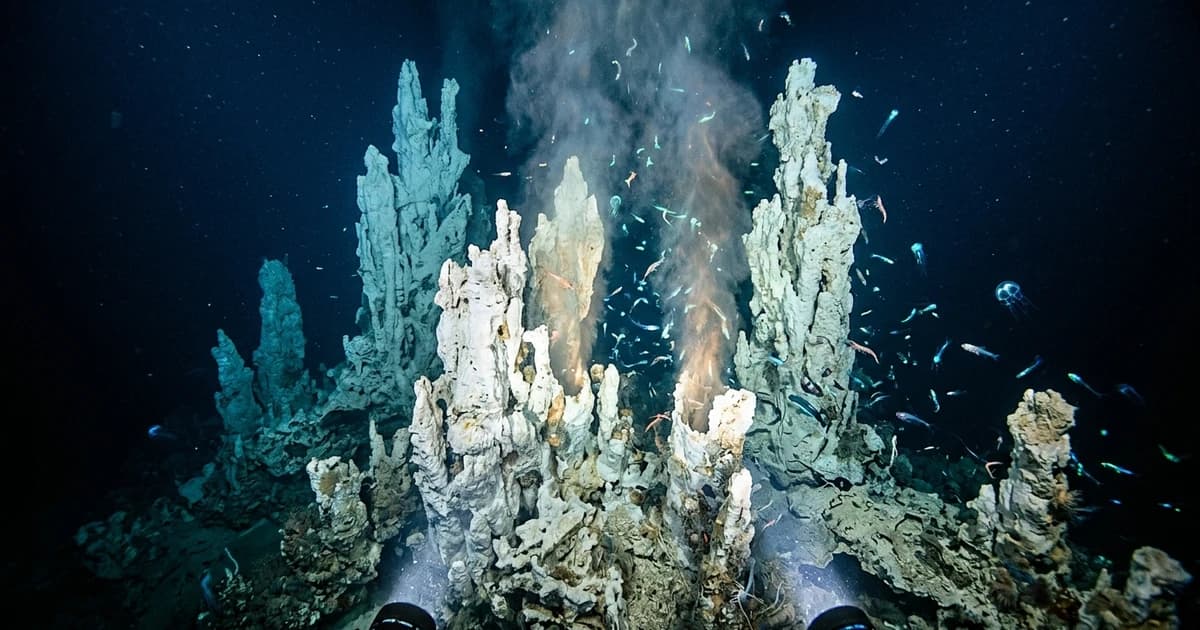
As cold, oxygenated water descends over five kilometers beneath the seafloor, it is heated by residual thermal energy from Earth's depths. During this subterranean journey, high pressure and temperatures force the fluid to dissolve deep minerals and accumulate essential gases. When the enriched alkaline fluid finally returns to the seafloor, it meets freezing ocean water, precipitating the carbonates that build the chimneys.
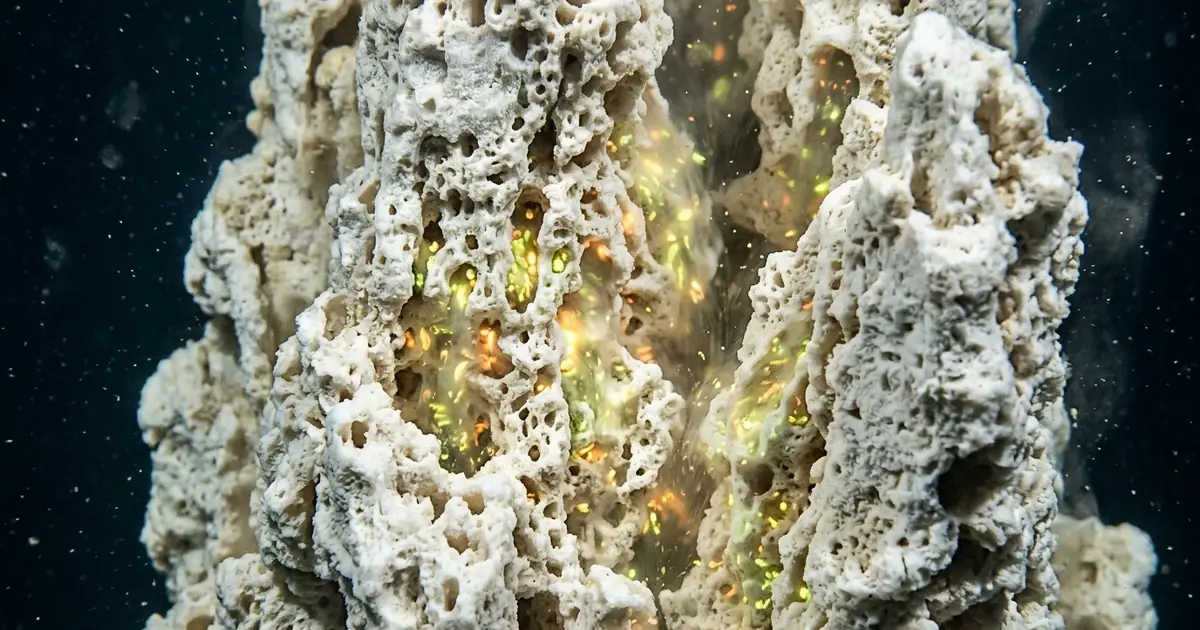
This discovery profoundly alters how oceanographers calculate thermal and chemical exchanges between Earth's interior and global oceans. Until recently, serpentinization was believed to occur only in isolated pockets directly beneath the active chimneys. Now, mapping this hidden plumbing reveals that the seawater-mantle interaction is a massive regional process far more active than previously predicted.
To illustrate the unique characteristics of this newly mapped alkaline system, researchers compiled comparative data from major deep hydrothermal sites. The table below outlines the physical and biological diversity characterizing these abyssal ecosystems, highlighting the unique position of Lost City globally.
| Hydrothermal Vent Field Name |
Oceanic Location |
Depth Range |
Main Chimney Composition |
Discovered Organisms |
| Lost City |
Central Atlantic |
700 - 800 m |
Calcium carbonate |
Methanogenic microbes, anaerobic archaea, and small crustaceans |
| Rainbow |
North Atlantic |
2270 - 2320 m |
Iron and copper sulfides |
Blind shrimp and extremophilic chemotrophic bacteria |
| Endeavour |
Northeast Pacific |
2190 - 2250 m |
Metal sulfides and silica |
Giant tube worms and abyssal glass sponges |
| Ashadze |
Central Atlantic |
4100 - 4200 m |
Iron oxides and silicate |
Giant anemones and high-pressure crabs |
| Kairei |
Indian Ocean |
2400 - 2500 m |
Complex metal sulfides |
Scaly-foot gastropods with iron armor plates |
The data demonstrates that while most hydrothermal vents are deep, acidic, and dominated by toxic metal sulfides, Lost City stands out for its moderate depth and carbonate chemistry. This relative chemical mildness makes the field ideal for studying the primordial processes sustaining life without sunlight. The hidden thermal plumbing system extends this favorable habitat to deep underground levels never before imagined by science.
At the heart of the Lost City system lies a fascinating chemical process known as serpentinization. This phenomenon occurs when seawater contacts olivine, an iron- and magnesium-rich mineral abundant in the mantle's peridotite rocks. The resulting chemical reaction transforms olivine into a greenish mineral called serpentine, releasing vast amounts of molecular hydrogen and methane.
This chemical process is highly exothermic, meaning it generates its own heat autonomously without needing local volcanic magma. The hydrogen and methane produced by underground serpentinization serve as primary sources of chemical energy for deep-sea microbial communities. These simple molecules support entire food webs, acting as ecological substitutes for the sunlight that powers photosynthesis on the surface.
The discovery of the extensive underground plumbing system in 2026 shows that active serpentinization occurs on a much larger scale. Consequently, the global production of geological methane and hydrogen is likely a major driver for sustaining deep subsurface life. Understanding these reactions helps explain how complex ecosystems thrive in conditions previously considered entirely sterile.
Exploring the ocean floor hundreds of meters down requires advanced engineering tools capable of withstanding crushing pressures. The discovery and mapping of the Lost City thermal plumbing were only possible using next-generation remotely operated vehicles (ROVs). These highly sophisticated robots function as the eyes and hands of scientists in this hostile, inaccessible environment.
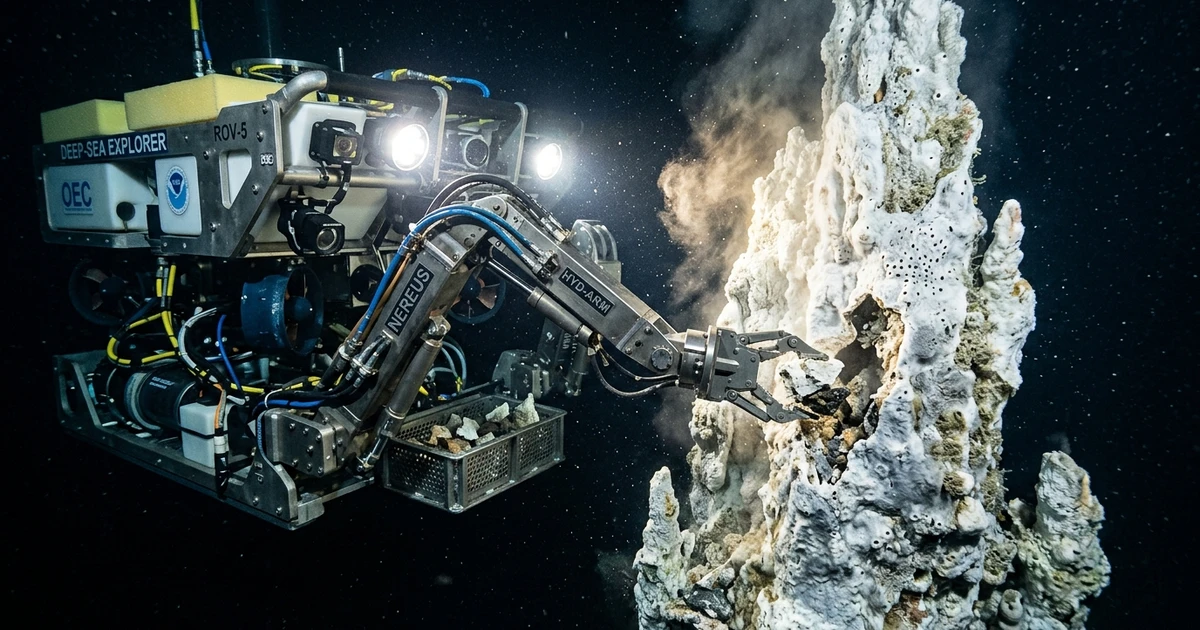
Equipped with robotic arms and ultra-high-definition cameras, ROVs descended the slopes of the Atlantis Massif to sample fluids from rock fissures. These vehicles successfully measured alkaline fluid flows and mapped local geology with centimeter precision using advanced sonar sensors. The data revealed that subterranean currents flow continuously, connecting fissures separated by vast geographical distances.
The precision of this abyssal data greatly enriches our knowledge of untouched submarine ecosystems. This collection of biological and geological data also helps consolidate new hypotheses about marine life diversity, such as the recently recorded new giant jellyfish species off the Brazilian coast. Each successful ROV dive proves that modern engineering is expanding the frontiers of ocean exploration.
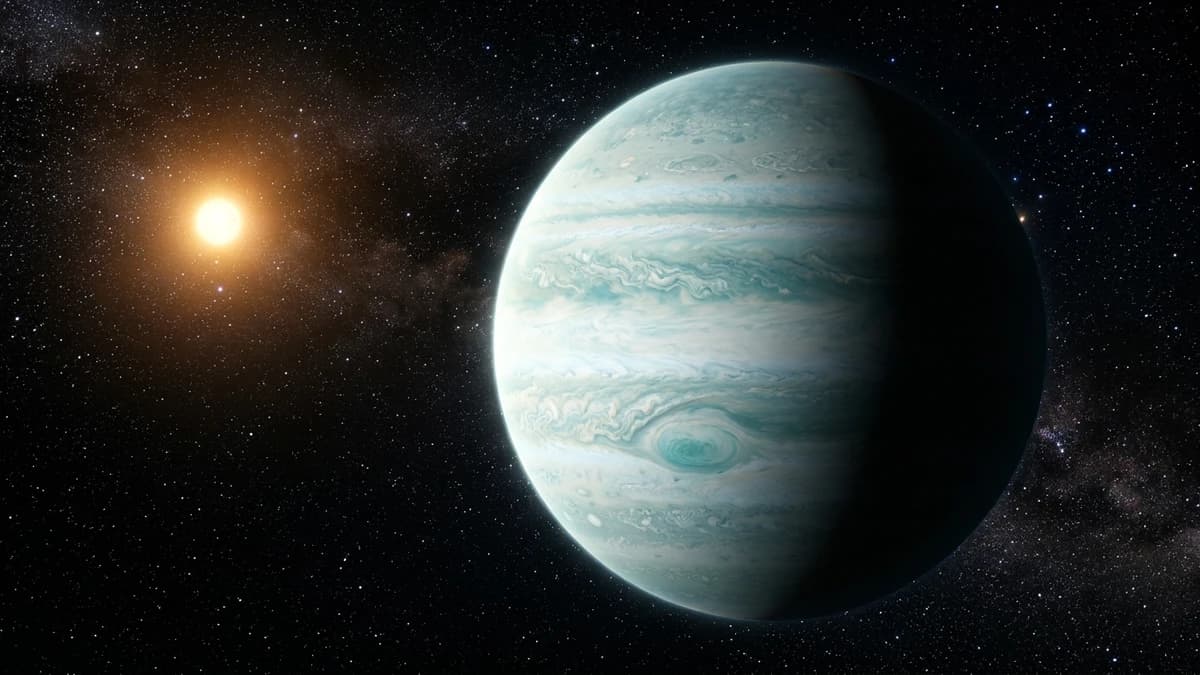
The impacts of discovering this underground plumbing system go far beyond terrestrial oceanography, sparking interest in astrobiology. Icy moons orbiting giant planets, such as Jupiter's Europa and Saturn's Enceladus, harbor global liquid oceans beneath thick ice crusts. The absence of sunlight and the presence of rocky seafloors make Lost City the ideal model for understanding how life could exist there.
If serpentinization sustained by subterranean plumbing can occur on Earth without volcanic activity, similar processes might happen on these frozen moons. The presence of active fluid circulation within their rocky mantles would provide the chemical energy needed to sustain extraterrestrial microbial colonies for billions of years. This perspective shifts the search for life beyond Earth away from sunlight and toward water-rock interactions.
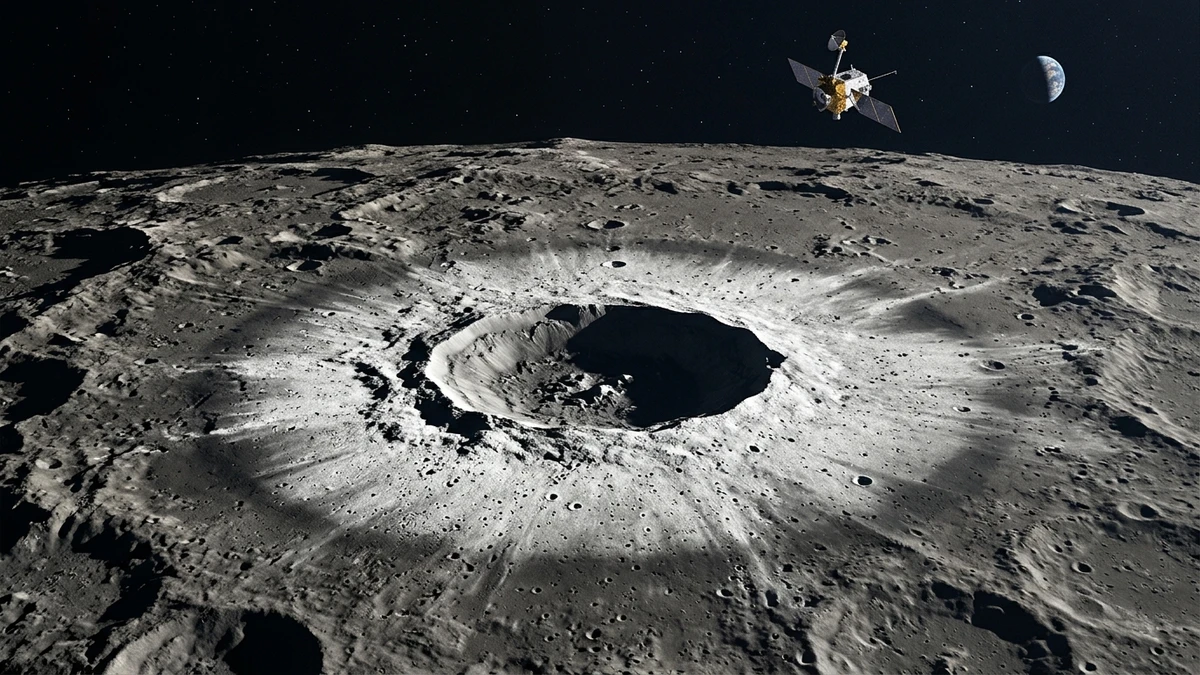
As we prepare for space missions to explore Enceladus's vapor plumes and Europa's frozen surface, Lost City serves as our primary laboratory. Understanding the complexity of fluid circulation and subsurface microbial distribution on Earth helps designers build sensors to detect hidden extraterrestrial biospheres. The discovery of this Atlantic plumbing shows that life finds surprising underground pathways to flourish in the deep abyss.