Extreme Heatwave in Europe: The July 2026 Temperature Record
Date: July 10, 2026
Reading time: 15 minutes
Emoji: 🌡️

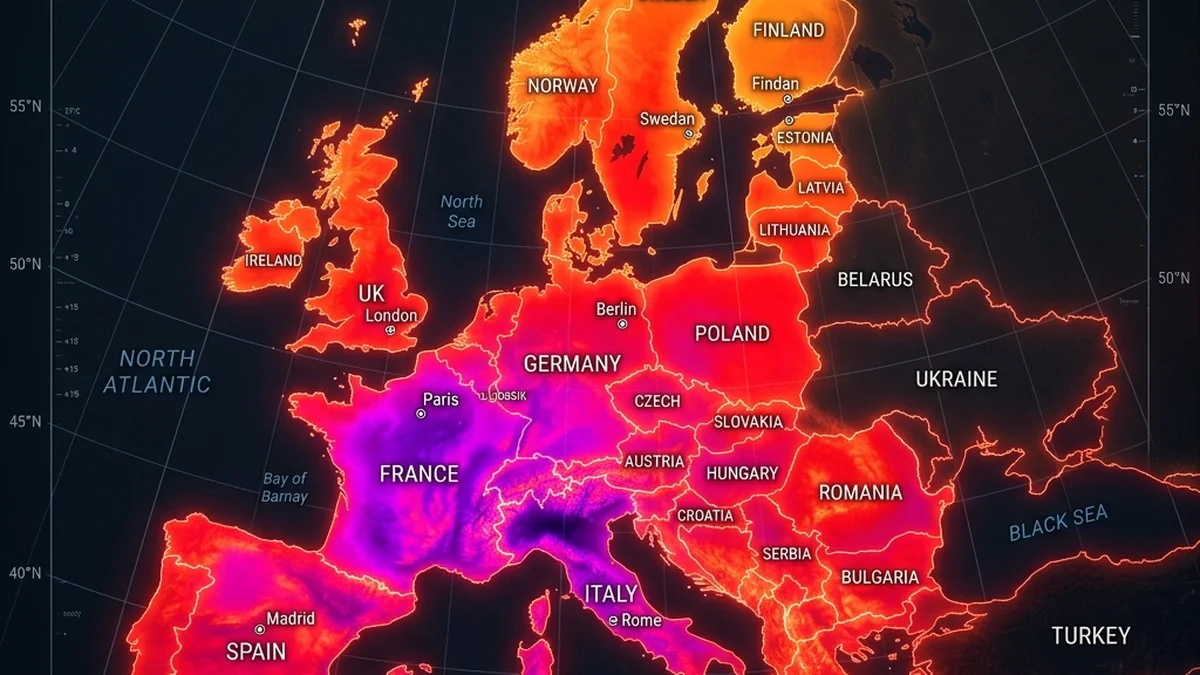
In July 2026, the European continent faced one of the most severe and destructive climate crises in its modern history, characterized by temperatures that shattered long-standing historical records. Cities throughout Spain, France, and Italy registered temperatures exceeding 45°C, triggering an unprecedented humanitarian and environmental emergency that overwhelmed local emergency response teams. This extreme meteorological event highlighted the profound vulnerability of European urban infrastructure to the rapidly accelerating reality of global warming.
Leading climate scientists and meteorologists classified this specific heatwave as a massive thermal anomaly, amplified by rising ocean temperatures and persistent atmospheric blocks. The impacts were felt immediately across various sectors, affecting public health systems, nuclear power plant cooling operations, and regional agricultural production. This investigative report analyzes the complex meteorological factors behind the disaster, the immediate socio-economic damage, and the long-term lessons for continental adaptation.
The Anatomy of the Omega Block: The Engine of Extreme Heat
The primary weather mechanism responsible for this unbearable summer heat was the establishment of a powerful omega blocking system over the central European continent. This stationary high-pressure weather system behaves like a giant atmospheric barrier, effectively diverting incoming cold fronts and rain-bearing clouds around the affected area. Consequently, clear skies and dry ground allowed solar radiation to heat the land surface continuously without any relief.
Under the center of this high-pressure system, a dynamic process known as atmospheric subsidence forced upper-level warm air to sink toward the earth's surface. As this air descended, it underwent adiabatic compression, which increased the temperature of the air masses even further. This physical process trapped the extreme heat under a massive, localized thermal dome that prevented any natural cooling.
The persistent nature of these stationary weather patterns is what makes them exceptionally dangerous for regional ecosystems and human populations. To fully comprehend these phenomena, it is essential to analyze how atmospheric blocks affect weather patterns on a global scale. In this particular instance, the omega block remained completely stationary for over three weeks, accumulating thermal energy on a daily basis.
The complete lack of wind significantly worsened the heat index in urban areas, turning concrete buildings and asphalt roads into heat islands. Saharan dust blown northward by high-altitude winds created a dense haze that trapped infrared radiation near the ground. Meteorologists noted that the sheer intensity and duration of this block surpassed almost all historical forecasting models.
Ocean Surfaces on Fire and the Influence of El Niño
The surface temperatures of the North Atlantic Ocean played a critical role in sustaining and strengthening this persistent atmospheric block. The North Atlantic recorded historic thermal anomalies throughout the spring of 2026, with waters up to 3°C warmer than the long-term averages. This marine warming weakened the polar jet stream, allowing subtropical warm air to travel northward into Europe.
The global El Niño cycle also acted as a powerful driver of this extreme event by releasing massive amounts of heat into the atmosphere. The extra energy warmed the global troposphere, providing the baseline heat that fueled the European continent's extreme temperatures. The combination of warm oceans and atmospheric blocking created a perfect storm for this catastrophic heatwave.
This dangerous feedback loop between warm oceans and a stagnant atmosphere is one of the clearest indicators of global warming. As oceans continue to absorb the vast majority of excess heat from greenhouse gas emissions, such events will become more frequent. Climate scientists warn that critical safety thresholds are being crossed much faster than previously estimated.
The Direct Impact on the Population
The human toll of this relentless heatwave was devastating, causing an unprecedented rise in hospital admissions and excess deaths. Nighttime temperatures remained above 28°C in major capitals, depriving residents of the necessary cooling to recover from daily heat. This continuous thermal stress proved especially fatal for senior citizens, infants, and those with pre-existing cardiovascular conditions.
Health authorities reported that excess deaths reached tens of thousands during the first two weeks of July alone. Most of these casualties resulted from severe heatstroke, acute dehydration, and multi-organ failure caused by prolonged exposure to high temperatures. Municipalities were forced to open air-conditioned cooling centers in public spaces to help vulnerable citizens.

Historical data indicates that the intensity and frequency of European heatwaves have increased dramatically over the last few decades. The table below compares the July 2026 event with previous major heatwaves that have impacted the continent. The clear trend shows a dangerous escalation in both maximum temperatures and related mortality rates.
| Year | Maximum Temperature | Excess Deaths | Primary Cause | Regions Affected |
|---|---|---|---|---|
| 2003 | 47.3 °C | ~70,000 | Severe atmospheric blocking | Western and Central Europe |
| 2010 | 44.0 °C | ~56,000 | Stationary omega block | Russia and Eastern Europe |
| 2019 | 46.0 °C | ~2,500 | Intense Saharan air mass | France, Spain, and Benelux |
| 2022 | 47.0 °C | ~60,000 | Heat dome and extreme drought | Southern and Western Europe |
| 2026 | 48.9 °C | ~80,000 (estimated) | Omega block and marine heatwave | Western, Central, and Mediterranean Europe |
The compiled data demonstrates that the 2026 event was far more persistent and geographically widespread than past heatwaves. The heat affected a vast area stretching from the Iberian Peninsula all the way to Eastern European nations. Public health experts emphasize that cities must immediately adopt climate-resilient urban planning to prevent future disasters.
Infrastructure Under Pressure: Energy and Nuclear Plants
European infrastructure faced critical failures under the continuous thermal pressure and high demand for cooling. Power generation was severely impacted in France, a country that relies heavily on its fleet of nuclear power plants. Several reactors located along the Rhône and Meuse rivers had to reduce output or shut down completely.
Nuclear plants rely on river water to cool their reactors before returning the warmed water back to the river. However, river temperatures rose so high that returning warmer water would have killed the remaining fish and plants. This ecological constraint forced operators to limit power generation during periods of peak electricity demand.
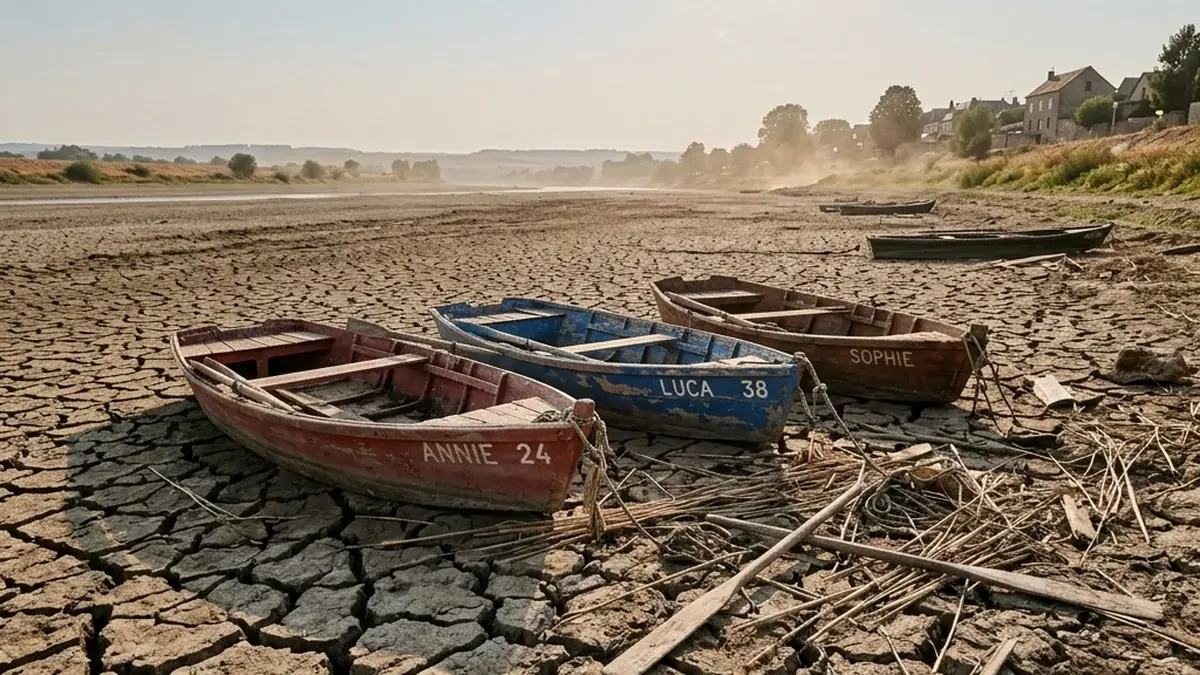
The drought also lowered river levels, preventing transport barges from carrying industrial coal and other essential goods. Meanwhile, electricity demand surged as millions of citizens ran air conditioning systems to cope with the extreme heat. The power grid operated at its absolute limit, requiring emergency energy imports from neighboring countries.
Ecosystems in Ashes: The Forest Fires of 2026
The intense heat and lack of rainfall turned forests into highly flammable dry zones across southern Europe. Massive wildfires broke out in Spain and France, destroying thousands of hectares of native forest and brushland. Strong winds and dry air made it extremely difficult for firefighters to control the advancing flames.
Andalusia and Catalonia experienced the worst of the fires, with record areas of forest completely destroyed. In France, the pine forests of Landes suffered immense ecological damage, forcing the evacuation of entire communities. Smoke from these fires traveled long distances, significantly reducing air quality in capital cities.
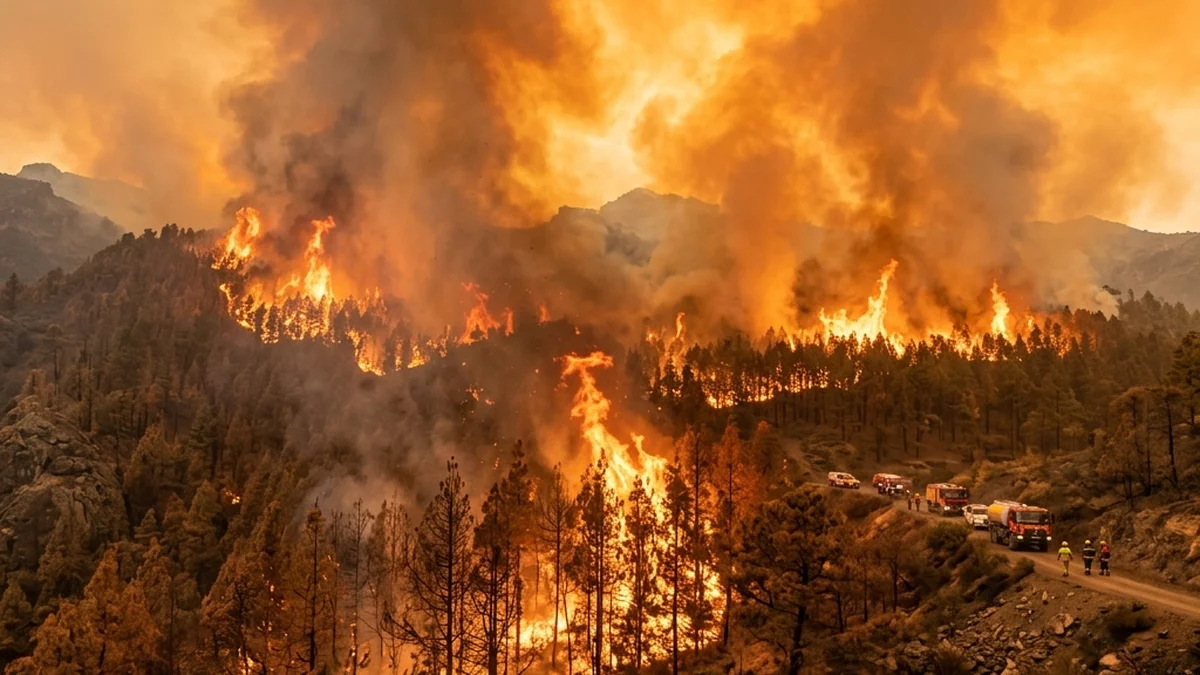
The loss of forest cover threatened native wildlife species and disrupted fragile local ecosystems. It also reduced the soil's capacity to absorb moisture, which accelerates the threat of desertification in southern regions. Restoring these destroyed areas will require substantial public funding and decades of active forest management.
The Future of the European Climate
The events of 2026 highlight the rapid pace of climate change and the inadequacy of current mitigation efforts. Although models predicted warmer summers, the sheer intensity of this heatwave caught many atmospheric scientists by surprise. Understanding the future consequences of global warming is essential for developing effective continental adaptation plans.
Europe must now adapt by redesigning cities, greening urban spaces, and diversifying its energy sources. The costs of political inaction are already evident in lost lives, destroyed ecosystems, and damaged infrastructure. The summer of 2026 will remain a major turning point in global climate awareness and policy.