Vera C. Rubin Observatory: World's Largest Camera Begins Cosmic Mapping
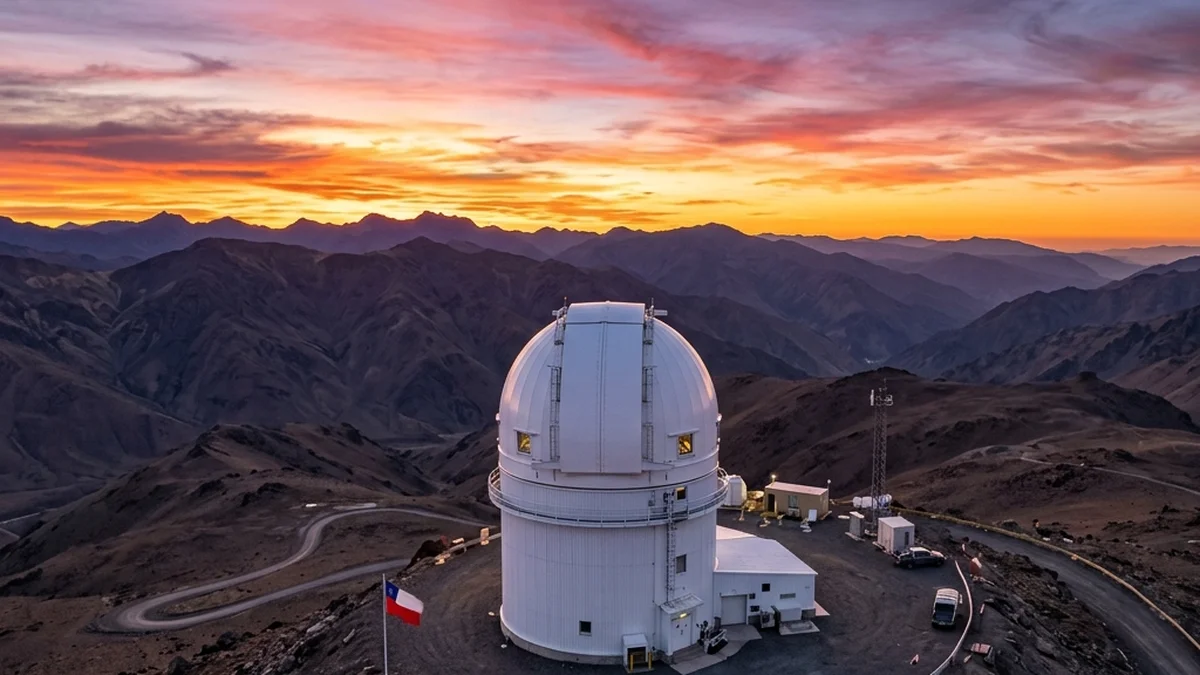
On July 13, 2026, global astronomy achieved a monumental milestone with the start of operations at the Vera C. Rubin Observatory atop Cerro Pachón in Chile. Situated at an altitude of 2,647 meters, the state-of-the-art facility has embarked on the most ambitious cosmic mapping campaign in human history. This revolutionary project, the Legacy Survey of Space and Time (LSST), will photograph the visible sky of the Southern Hemisphere over a ten-year period.
Thanks to its wide-field design and rapid scheduling, the telescope will routinely capture transient cosmic events that change brightness within hours. The strategic selection of this high Andean peak ensures dry, clear nights that are perfect for conducting deep optical observations. Scientists predict that this survey will generate more discoveries than all previous observatories combined in astronomical history.

The Colossal Engineering of the LSST Camera
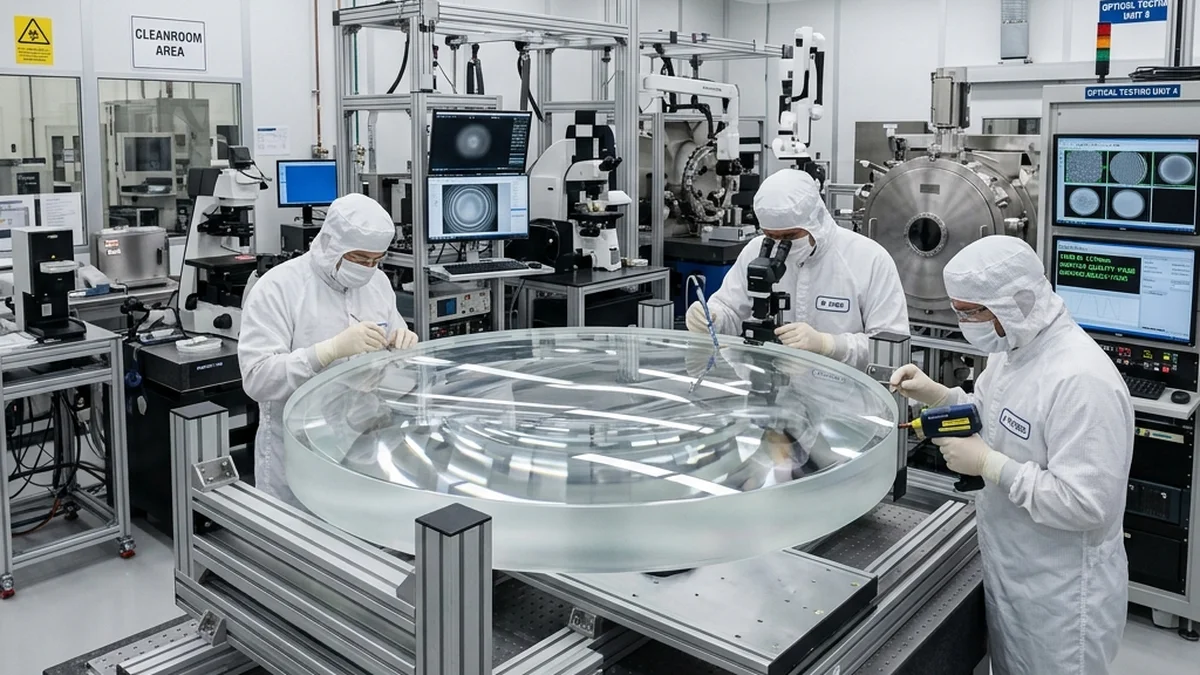
At the core of the observatory sits the gargantuan LSST Camera, recognized by Guinness World Records as the largest digital camera ever built. This extraordinary machine weighs nearly 3 tons, is about the size of a compact car, and was completed at the SLAC National Accelerator Laboratory. Its front lens, measuring 1.57 meters in diameter, is the largest high-performance optical lens on Earth.
The camera's internal mechanism houses a specialized filter changer that allows researchers to analyze incoming starlight across multiple wavelengths. Each of the six filters isolates specific bands of light, enabling astronomers to study starlight composition from ultraviolet to infrared. This mechanical changer operates with extreme precision, swapping massive filters in seconds despite sub-zero temperatures.
To support this massive optical assembly, engineers designed a highly specialized steel support structure that prevents micro-flexing during telescope movement. This rigid framework keeps the lenses and sensors perfectly aligned down to the nanometer level. Without such advanced mechanical engineering, the extreme resolutions required for this cosmic survey would be impossible.
The Technology Behind 3,200 Megapixels
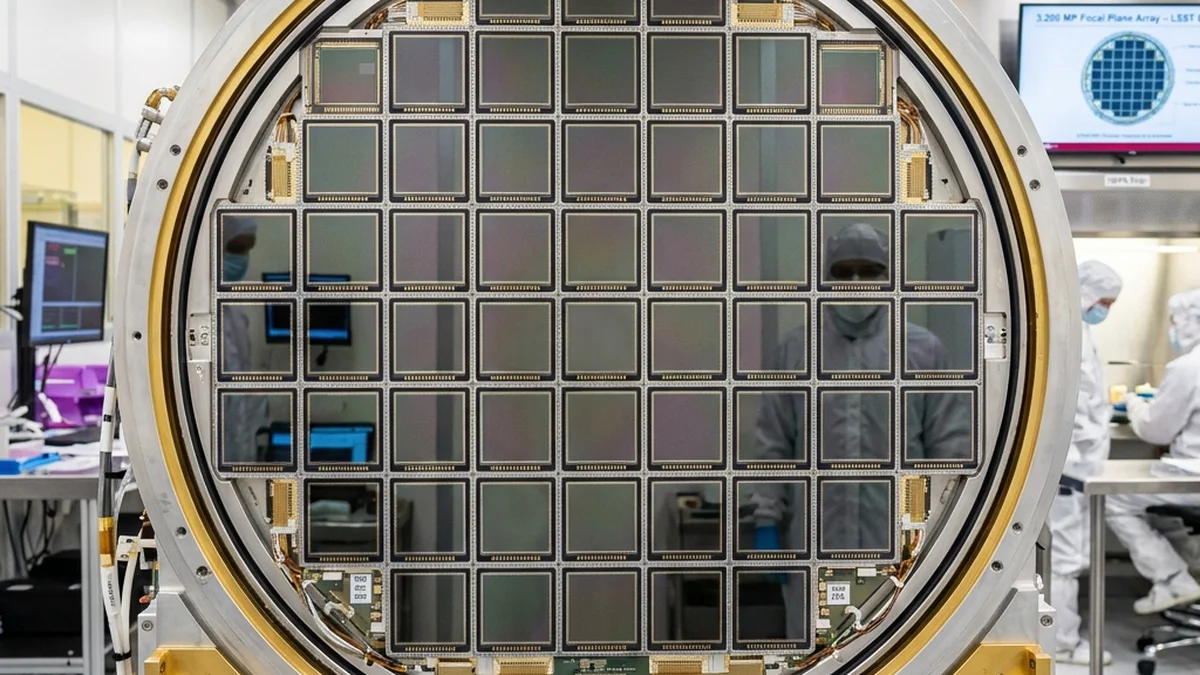
The images are captured on an ultra-advanced focal plane boasting an unprecedented resolution of 3,200 megapixels. This massive sensor array is constructed from a custom mosaic of 189 highly sensitive CCD sensors organized in modular rafts. To eliminate thermal noise that could obscure faint cosmic structures, the focal plane operates in a cryogenic vacuum cooled to -100 °C.
A single exposure taken by this camera covers a sky area equivalent to forty full moons, offering incredible efficiency. Displaying one raw image at its native resolution would require more than 370 ultra-high-definition 4K televisions in a grid. This unprecedented flood of visual data is poised to revolutionize the fields of observational astronomy and computational astrophysics.
The design of the CCDs allows for rapid readout times, meaning the telescope can take consecutive images with minimal delay. This high throughput ensures that the observatory maximizes its time under the dark Chilean skies every night. The resulting stream of digital images will feed directly into an automated data pipeline for immediate analysis.
Mapping the Cosmic Web and the Dark Universe
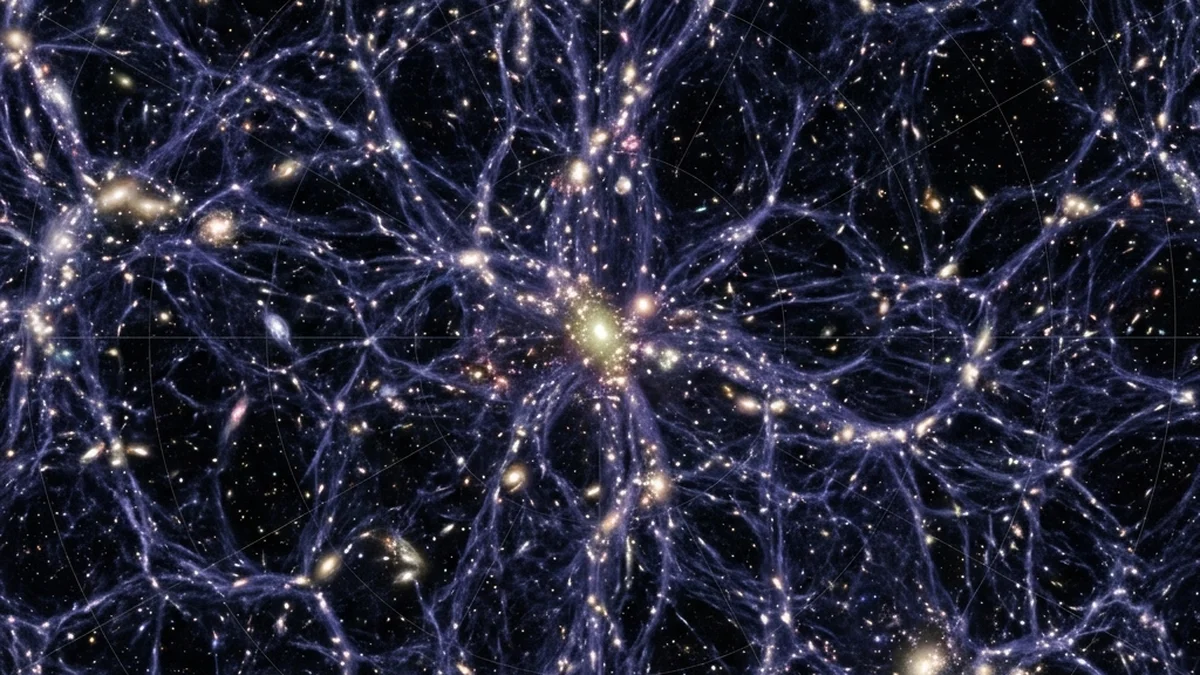
The primary scientific objective of the LSST survey is to map dark matter distribution and investigate dark energy. Together, these two invisible cosmic components constitute approximately 95% of the universe, yet they remain unexplained by current models. By measuring the shapes of billions of distant galaxies, the telescope will clarify the gravitational forces shaping the cosmos.
This ground-based endeavor will work in close coordination with space missions like the Euclid space telescope to verify predictions regarding cosmic expansion. By comparing ground-based observations with space data, scientists can eliminate errors and study the mysteries of dark energy. Additionally, this continuous monitoring will construct a comprehensive catalog of Solar System objects, tracking over five million asteroids.
This vast planetary inventory will include near-Earth objects, main-belt asteroids, and distant icy bodies in the Kuiper Belt. Understanding their orbits and compositions will offer deep insights into the early formation of our planetary system. Furthermore, it will help identify potential interstellar visitors passing through our neighborhood.
Impact on Society and Technology
The benefits of the Vera C. Rubin Observatory extend far beyond astrophysics, driving technological progress in everyday society. Processing the staggering 20 terabytes of raw data generated nightly has forced the development of highly advanced artificial intelligence algorithms. These machine learning systems, originally designed to classify faint galaxies, are already improving automated medical imaging.
Moreover, the constant monitoring of space coordinates will dramatically strengthen global planetary defense networks. By detecting potentially hazardous asteroids decades before a possible collision, the observatory gives humanity time to plan deflection missions. The observatory therefore serves as a vital cosmic sentinel, safeguarding our civilization from devastating space impacts.
To appreciate the unique technical specifications of this project, consider how it compares to other leading astronomical observatories operating today:
| Observatory/Telescope Name | Primary Mirror Diameter (m) | Camera Resolution (Megapixels) | Location / Altitude | Operational Start Year | Primary Scientific Mission |
|---|---|---|---|---|---|
| Vera C. Rubin Observatory | 8.4 | 3,200 | Cerro Pachón, Chile (2,647 m) | 2026 | Legacy Survey of Space and Time (LSST) to study dark matter and dark energy. |
| James Webb Space Telescope | 6.5 | ~40 | Lagrange Point L2 (Space) | 2022 | Infrared observations of exoplanets, first galaxies, and cosmic origins. |
| Euclid Space Telescope | 1.2 | 600 | Lagrange Point L2 (Space) | 2023 | Mapping the dark universe, galaxy distribution, and dark energy. |
| Keck I and II Telescopes | 10.0 | ~200 (multiple instruments) | Mauna Kea, Hawaii (4,148 m) | 1993 / 1996 | High-resolution spectroscopy, stellar astrophysics, and deep galactic exploration. |
| Subaru Telescope (HSC) | 8.2 | 870 | Mauna Kea, Hawaii (4,139 m) | 1999 (HSC in 2013) | Wide-field survey of gravitational lensing and galaxy evolution. |
This comparison illustrates that while the Rubin Observatory does not possess the largest mirror, it compensates with an unparalleled digital resolution. This unique combination makes it the fastest and most productive astronomical survey instrument active on Earth. The synergy of an optimized 8.4-mirror design and gigapixel CCD sensors marks a new era for observational physics.
Voices from the Project
The project's scientific director, Dr. Amanda Andrews, expressed immense pride upon receiving the first high-quality calibration images. She remarked that the exceptional level of detail captured by the sensors easily exceeded the engineering team's original design targets. Dr. Andrews emphasized that the open-access database will provide valuable research opportunities for future generations of astrophysicists.
Systems engineer Thomas Miller recalled the complex challenges the team overcame during the camera's assembly at the SLAC laboratory. He admitted that integrating a cryogenic sensor array of this scale was the most demanding task of their careers. Meanwhile, Chilean astronomers highlighted that this achievement reinforces their country's status as the world's premier gateway for cosmic exploration.
Next Steps of the Decade-Long Survey
The LSST project will run for precisely ten years, accumulating an unprecedented volume of continuous nocturnal data. The captured images will be transmitted in real-time to computing centers in the United States and Chile for automated calibration. The complete dataset will be shared openly with the international scientific community, democratizing access to space science.
Over its decade of operation, the observatory is expected to catalog billions of stars and detect millions of transient events. The automated pipeline is programmed to trigger immediate alerts within sixty seconds of detecting any changes in the sky. This real-time alert system will allow other telescopes around the world to quickly focus on transient events.
As the years progress, this systematic accumulation of sky maps will create a high-definition cosmic time-lapse of our galaxy. Cosmologists plan to use these extensive maps to test the limits of Einstein's general relativity and explore gravity theories. The vast repository of astronomical data is set to shape the landscape of physics research for decades.
Conclusion
The commencement of operations at the Vera C. Rubin Observatory represents an irreplaceable milestone in the history of human exploration. Peering into the depths of the universe with a 3,200-megapixel camera is a testament to our species' enduring curiosity. This digital map of the sky will surely unlock the most profound physical secrets of our cosmos in the coming years.
The ten-year survey will provide the missing pieces needed to understand the intricate mechanics of the cosmic web. Investigating dark forces and searching for the limits of the observable universe demonstrates the incredible power of collaborative science. Through this magnificent camera, humanity is poised to write an entirely new chapter in its understanding of the cosmos.