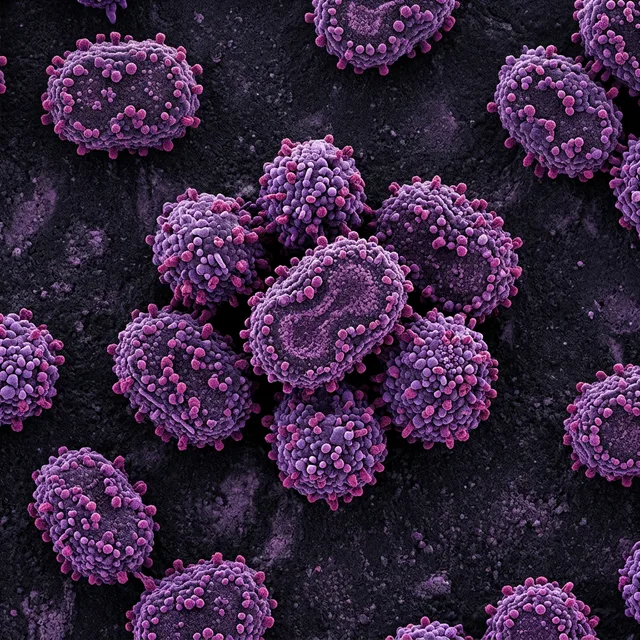
Brazil recorded 90 laboratory-confirmed cases of Mpox during the first two months of 2026, prompting the Ministry of Health to place eight federal states under maximum epidemiological surveillance. Concurrently, international genomic surveillance networks identified a newly emerging global viral lineage exhibiting elevated human cellular affinity. The state of São Paulo concentrates the largest volume of domestic infections, followed by Rio de Janeiro, Minas Gerais, and southern metropolitan hubs. While case counts remain substantially lower than the 1,079 infections and two fatalities documented during the identical window in 2025, continuous domestic transmission demonstrates that the virus has established endemic footholds across urban population centers.
The public health landscape reflects both progress and vigilance. Coordinated public information campaigns, rapid PCR diagnostic availability through central state laboratories (LACENs), and targeted immunization protocols have curtailed the explosive transmission spikes seen during the 2022–2023 international emergency. However, virologists caution that viral mutations altering surface proteins, coupled with waning population immunity against orthopoxviruses, demand persistent clinical readiness to prevent localized clusters from escalating into widespread community transmission.
Understanding transmission vectors, clinical progression phases, and differential diagnostic markers is critical for both medical practitioners and the public. Health authorities are urging individuals presenting unexplained dermatological lesions, especially when accompanied by swollen lymph nodes and acute fever, to seek diagnostic screening promptly while maintaining strict personal barrier precautions.
Virological Classification: Orthopoxvirus Clades and Molecular Mutagenesis
Mpox is an enveloped, double-stranded DNA virus belonging to the Poxviridae family and the Orthopoxvirus genus, sharing structural morphology with variola, cowpox, and vaccinia viruses. Initially isolated in 1958 among cynomolgus monkeys housed at a research facility in Copenhagen, Denmark, the pathogen's natural animal reservoirs are small mammals, particularly arboreal and terrestrial rodents native to central and western African rainforests.
The global viral population is divided into two primary evolutionary clades with contrasting epidemiological and clinical profiles:
| Viral Clade / Lineage | Geographic Origin | Case-Fatality Rate | Primary Outbreak History | Clinical Characteristics |
|---|---|---|---|---|
| Clade I (Congo Basin) | Central Africa | 3% to 10% | Endemic in DRC; 2024 regional expansion | Severe systemic disease; high pediatric mortality |
| Subclade Ib | Eastern DRC & Great Lakes | ~4% to 5% | 2024–2025 cross-border transmission | Enhanced sustained human-to-human transmission |
| Clade II (West African) | West Africa | Less than 1% | 2022–2023 international multicountry outbreak | Mild-to-moderate illness; sexual network spread |
| 2026 Emerging Variant | Global (mutated Clade II) | Less than 1% | Confirmed across 15+ countries worldwide | Shorter incubation; higher receptor binding affinity |
The 2026 emerging lineage derives from Clade IIb, incorporating specific amino acid substitutions within its viral surface glycoproteins. Preliminary genomic analyses indicate these mutations enhance electrostatic binding to human glycosaminoglycans on mucosal membranes. Despite these adaptations, clinical severity remains comparable to previous Clade II strains, with no observed increase in hospitalization rates among immunocompetent patients.
Epidemiological Landscape in Brazil: Regional Distribution and Surveillance
During January and February 2026, epidemiological bulletins compiled by the Health Surveillance Secretariat revealed a controlled yet persistent distribution of cases across central and southern Brazil. Zero fatalities were registered across the 90 confirmed cases, though more than 180 suspected infections remained under active laboratory investigation.
The metropolitan region of São Paulo accounts for approximately 52 percent of all domestic diagnoses, driven by high population density, active nightlife networks, and extensive international travel transit. Rio de Janeiro represents the second largest cluster, followed by urban corridors in Belo Horizonte, Curitiba, and Porto Alegre.
The Ministry of Health's "maximum attention" classification activates centralized contact-tracing protocols and ensures that tertiary hospitals maintain isolated triage rooms for presenting patients. Local health secretariats have streamlined sample transport pipelines, enabling municipal health clinics to ship lesion swabs directly to regional reference laboratories with turnaround times under 48 hours.
Clinical Progression: The Two Distinct Phases of Infection
Mpox exhibits an incubation period spanning 5 to 21 days, during which the patient remains entirely asymptomatic and non-contagious. Following incubation, the disease progresses through two distinct clinical phases:
Phase 1: The Prodromal Invasion Period (Days 0 to 5)
The onset of illness is marked by acute systemic symptoms that mimic severe influenza:
- High fever rapidly climbing above 38.5 degrees Celsius
- Severe frontal and retro-orbital headaches
- Intense backache and generalized musculoskeletal myalgia
- Severe asthenia and physical exhaustion
- Diagnostic Lymphadenopathy: Painful enlargement of submandibular, cervical, axillary, or inguinal lymph nodes. This swelling is the primary physical symptom distinguishing Mpox from chickenpox (varicella) and measles.
Phase 2: The Cutaneous Eruptive Phase (Days 1 to 3 Post-Fever)
Within 24 to 72 hours following fever onset, characteristic dermatological lesions appear, typically beginning on the face, oral mucosa, and genital regions before spreading centrifugally to the palms, soles, and extremities. The lesions progress synchronously through five morphological stages:
- Macule Stage: Flat, circumscribed erythematous areas measuring 2 to 5 millimeters across.
- Papule Stage: Elevated, firm lesions with distinct borders measuring 3 to 8 millimeters.
- Vesicle Stage: Raised lesions filled with clear, infectious serous fluid measuring 5 to 10 millimeters.
- Pustule Stage: Tense, deeply seated lesions filled with opaque, yellowish purulent exudate, often displaying a central depression (umbilication).
- Crust Stage: Lesions dry, desiccate, and form dark crusts that detach naturally over seven to fourteen days, leaving behind hypopigmented or pitted scars.
The infected individual remains contagious until every single crust has detached and fresh epithelial tissue has formed beneath, a process that typically requires two to four weeks.
Transmission Dynamics and Preventative Protocols
Transmission of the Monkeypox virus occurs predominantly through close, personal, direct physical contact with infectious rash lesions, body fluids, or respiratory mucosal droplets during prolonged face-to-face interactions. Sexual contact represents the primary transmission route observed in the 2026 urban clusters, though indirect transmission via contaminated fomites (such as bedsheets, towels, and clothing) remains an established secondary vector.
To minimize transmission risks, public health agencies recommend the following baseline precautions:
- Avoid skin-to-skin or sexual contact with anyone displaying active blisters, sores, or unexplained rashes.
- Practice rigorous hand hygiene using soap and water or 70% alcohol-based sanitizers after navigating crowded public spaces or healthcare facilities.
- Prohibit the sharing of unwashed clothing, bedding, eating utensils, or bath towels with symptomatic individuals.
- In clinical settings, healthcare workers must utilize full personal protective equipment (PPE), including N95/FFP2 respirators, eye shields, fluid-resistant gowns, and medical gloves.
Immunization Strategy: The JYNNEOS Vaccine Framework
Active immunization against Mpox in Brazil utilizes the third-generation modified vaccinia Ankara vaccine, commercially known as JYNNEOS (or Imvanex). This non-replicating viral vector vaccine cannot reproduce in human cells, making it safe for administration to immunocompromised individuals, including people living with HIV/AIDS.
The vaccine is administered subcutaneously in a two-dose series separated by a minimum interval of 28 days. Clinical efficacy studies confirm that the complete two-dose regimen confers approximately 85 percent protection against symptomatic infection and reduces the risk of severe complications or hospitalization by over 95 percent.
Given limited global vaccine inventories, the Ministry of Health maintains a targeted risk-stratified distribution model. Priority access is granted to:
- High-risk populations with documented immunodeficiencies, particularly individuals with CD4 counts below 200 cells/mm³.
- Frontline medical personnel and laboratory technicians directly handling live viral specimens.
- Post-exposure prophylaxis (PEP) recipients who experienced high-risk exposure to a confirmed case within the preceding four to fourteen days.
Clinical Management and Supportive Therapeutics
For the majority of immunocompetent patients, Mpox is a self-limiting illness requiring supportive outpatient care. Standard clinical protocols focus on managing discomfort and preventing secondary bacterial skin infections:
- Oral analgesics and antipyretics (acetaminophen, ibuprofen) to control febrile episodes and relieve intense neuropathic lesion pain.
- Warm sitz baths and topical soothing agents for painful perineal and genital ulcers.
- Meticulous lesion hygiene with saline irrigation to prevent secondary staphylococcal or streptococcal superinfections.
- Strict isolation in a private, well-ventilated bedroom until full re-epithelialization is confirmed.
For severe, complicated cases involving mucosal ulceration, encephalitis, or deep visceral dissemination, clinicians may administer the oral antiviral agent tecovirimat (TPOXX) under compassionate-use regulatory frameworks. Tecovirimat inhibits the orthopoxvirus VP37 envelope protein, preventing viral particles from egressing infected cells.
Public Health Communication and Destigmatization
Epidemiologists and civil rights advocates emphasize that public health communication must remain grounded in objective clinical science. Infectious pathogens do not discriminate by sexual orientation, gender identity, or nationality. Associating Mpox exclusively with specific communities fosters social stigma, prompting individuals to conceal symptoms and avoid diagnostic facilities, which undermines containment efforts.
Transparent, science-based health messaging empowers communities to recognize symptoms early, access diagnostic testing without fear of marginalization, and practice effective preventive behaviors. Through sustained epidemiological surveillance, accessible healthcare networks, and proactive public education, health authorities are working to maintain containment throughout 2026.
Official Public Health References and Epidemiological Sources
- World Health Organization (WHO) — Mpox Global Surveillance, Clinical Management, and Outbreak Response Bulletins.
- Brazilian Ministry of Health (Ministério da Saúde) — National Epidemiological Bulletin on Mpox and Viral Surveillance Protocols.
- Centers for Disease Control and Prevention (CDC) — Clinical Guidance for Mpox Identification, Vaccination, and Infection Control.
- Pan American Health Organization (PAHO) — Regional Guidelines on Orthopoxvirus Diagnostics and Public Health Preparedness.