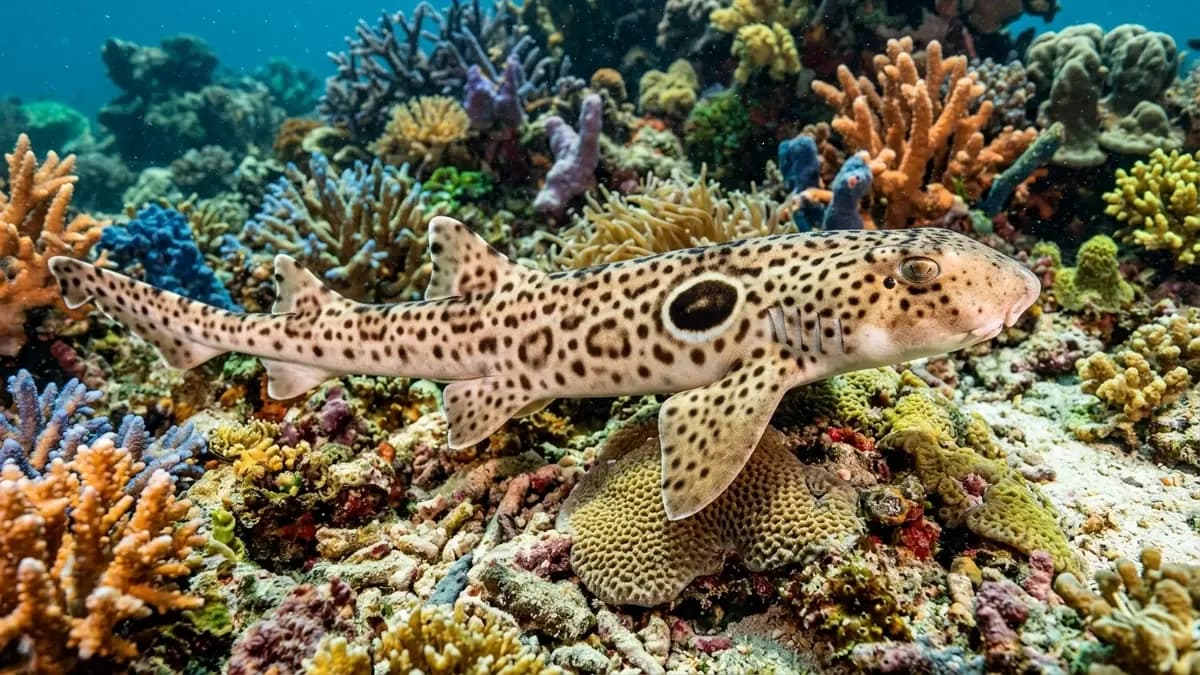
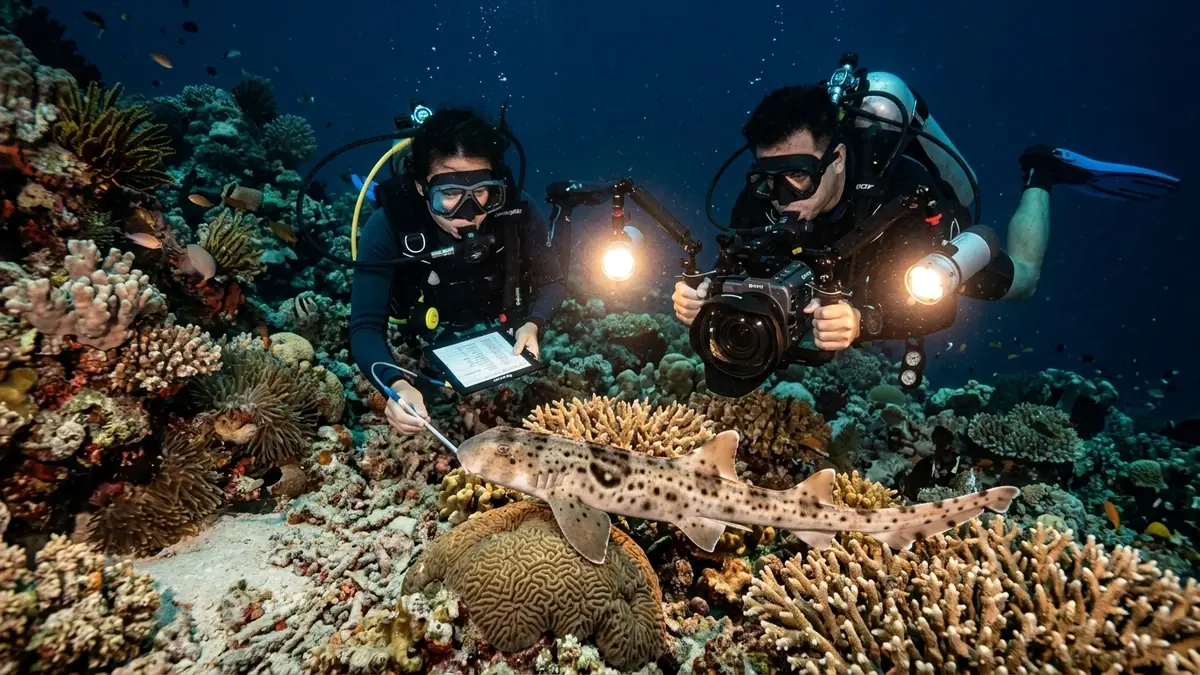
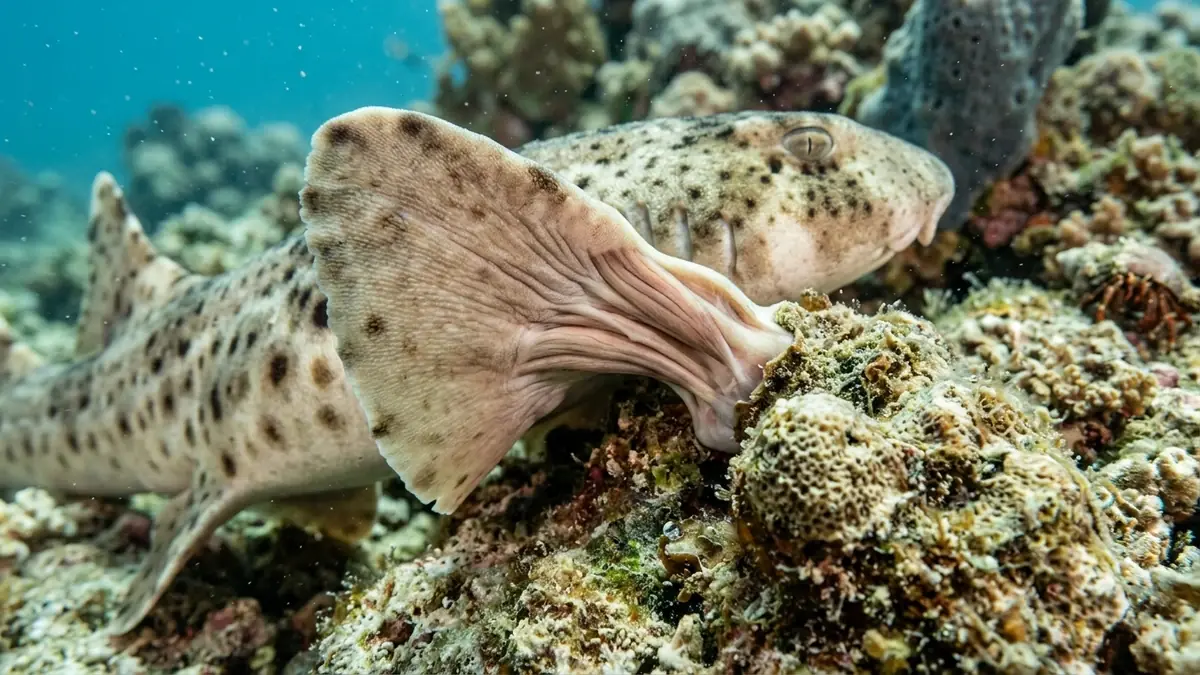
Furthermore, the study helps design new models of flexible underwater robots that mimic the shark's movement. The robotics industry studies the animal's locomotion to develop probes capable of walking on sandy and rocky terrains on other planets.
The table below details the practical impact that the study of this new species brings to the global community:
| Scientific Field |
Previous Paradigm |
New Discovery (2026 Study) |
Practical Application and Benefit |
| Evolutionary Biology |
Land-water transition seen only through ancient fossil records. |
Sharks show recent evolution of active terrestrial locomotion. |
Mathematical modeling of members evolution. |
| Robotics and Engineering |
Marine probes limited to propeller or wheel propulsion. |
Muscular fins offer a stable model of locomotion. |
Development of amphibious robots for space exploration. |
| Astrobiology |
Life on ocean planets considered purely swimming. |
Adaptation to walk under variable gravity and tides. |
Expansion of criteria for biosignatures search. |
| Reef Ecology |
Coral reefs viewed as static marine barriers. |
Corals act as land bridges for amphibious species. |
Creation of protected coastal marine sanctuaries. |
Understanding the ecology of this species is essential to predicting how tidal changes will influence coastal survival. Researchers hope to use these data to map contingency plans against sea level rise on ocean islands.
Protecting the walking shark's habitat will also boost sustainable scientific tourism in the region. Local communities in Papua New Guinea can benefit from the creation of preservation areas that attract divers and biologists from all over the world.
Biologists believe that the study of yesterday's geologically active Venus, like the scientific article of the neighboring planet that detailed the subterranean volcanic activity of Venus, shares the same importance in the search for new frontiers of knowledge. Knowing terrestrial life in depth is the first step to understanding the dynamics of other worlds.
Despite its recent discovery, the walking shark already faces serious risks that threaten its long-term existence. Global warming and the phenomenon of coral bleaching directly destroy the shallow reefs that form its only home.
In addition to climate change, dynamite fishing and plastic pollution on beaches pose immediate dangers to coastal populations. Because of its benthic habits, the accumulation of debris on the seabed hinders its locomotion and contaminates its prey.
The International Union for Conservation of Nature (IUCN) has initiated field studies to classify the conservation status of the species. Scientists propose the creation of a protected marine corridor linking the main reefs of Papua New Guinea.
The conservation of the walking shark depends on a joint effort between local governments, international NGOs, and scientists. Ensuring that shallow waters remain clean and protected is the only way to keep this wonder of natural evolution alive.
With coordinated efforts, the region hopes to secure international funding to establish permanent research stations. These facilities will help gather continuous ecological data to improve local wildlife conservation policies. Implementing local environmental education programs will also ensure that future generations understand the value of their unique coastal biodiversity.