Mariana Trench Microbiome Degrades Plastics in Cold Waters
In 2026, oceanographers and molecular microbiologists from the Japan Agency for Marine-Earth Science and Technology (JAMSTEC) and the Woods Hole Oceanographic Institution (WHOI) achieved a major environmental milestone: they successfully isolated novel strains of extremophilic hadal bacteria from the depths of the Mariana Trench that produce highly potent, cold-active PETase enzymes. Capable of depolymerizing polyethylene terephthalate (PET) plastic at water temperatures between 4°C and 20°C under standard atmospheric pressures, these newly identified enzymes eliminate the historic requirement for energy-intensive industrial heating, paving the way for bio-recycling reactors that reduce electrical operating costs by up to 80%.
The multidisciplinary investigation, published in The ISME Journal, confirms that microorganisms dwelling within the hadopelagic zone have evolved accelerated metabolic pathways to break down anthropogenic synthetic debris accumulating on the deepest ocean floors. The discovery provides environmental bioengineers with a catalytic tool to address the global plastic waste crisis and mitigate microplastic contamination throughout freshwater and marine biomes.

Abyssal Sampling and Isolation of Hadal Bacterial Strains
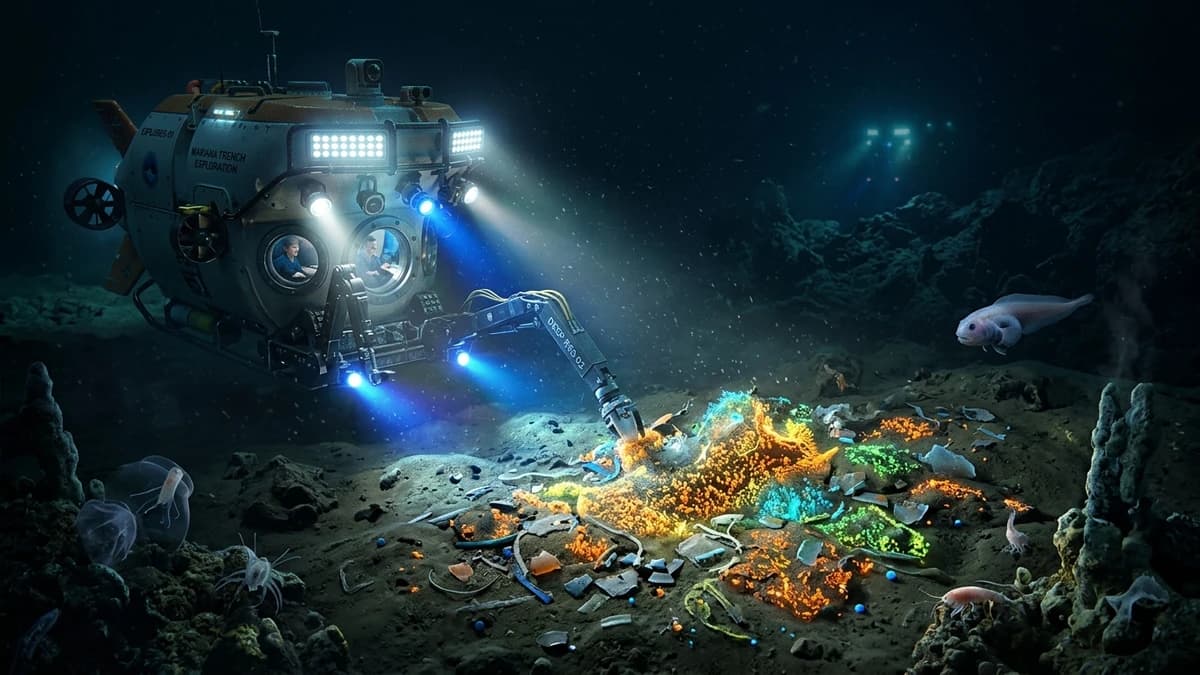
The biological samples were harvested during an oceanographic cruise targeting the Challenger Deep—the lowest geological depression on Earth's crust, descending to 10,928 meters below the surface of the western Pacific Ocean. Utilizing the deep-diving remotely operated vehicle (ROV) Kaiko, equipped with specialized titanium pressure-retaining sediment corers, researchers extracted undisturbed hadal pelagic silt cores subjected to in situ hydrostatic pressures exceeding 1,100 atmospheres.