
Who has the greatest military structure on the planet? In a world where conflicts on multiple fronts — Ukraine, the Middle East, the South China Sea, Venezuela — redefine geopolitics daily, understanding each nation's military power isn't just academic curiosity: it's a question of global survival. The 2026 Global Firepower Index evaluates 145 countries across over 60 criteria to answer this question. The results may surprise you.
This article presents the complete ranking of the 10 greatest military powers, with detailed comparative tables of personnel, equipment, nuclear arsenal, budget, and technology. We've divided it by categories so you can see exactly where each country excels — and where it's vulnerable.
The Overall Ranking: Global Firepower Index 2026
The Global Firepower Index (GFP) evaluates each nation across over 60 factors, including manpower, equipment, financial capacity, logistical efficiency, and geographical advantage. A lower PowerIndex means greater military strength.
| Position | Country | PowerIndex | Defense Budget (USD) | Active Personnel |
|---|---|---|---|---|
| 🥇 1st | United States | 0.0741 | $968 billion | 1,390,000 |
| 🥈 2nd | Russia | 0.0791 | $109 billion | 1,320,000 |
| 🥉 3rd | China | 0.0919 | $296 billion | 2,035,000 |
| 4th | India | 0.1346 | $75 billion | 1,455,550 |
| 5th | South Korea | 0.1642 | $47 billion | 555,000 |
| 6th | France | 0.1798 | $62 billion | 205,000 |
| 7th | Japan | 0.1876 | $53 billion | 247,000 |
| 8th | United Kingdom | 0.1881 | $68 billion | 148,500 |
| 9th | Türkiye | 0.1975 | $25 billion | 355,200 |
| 10th | Italy | 0.2211 | $32 billion | 165,500 |
🔴 Note: The PowerIndex does NOT consider nuclear weapons. If it did, the top 3 classification could be different.
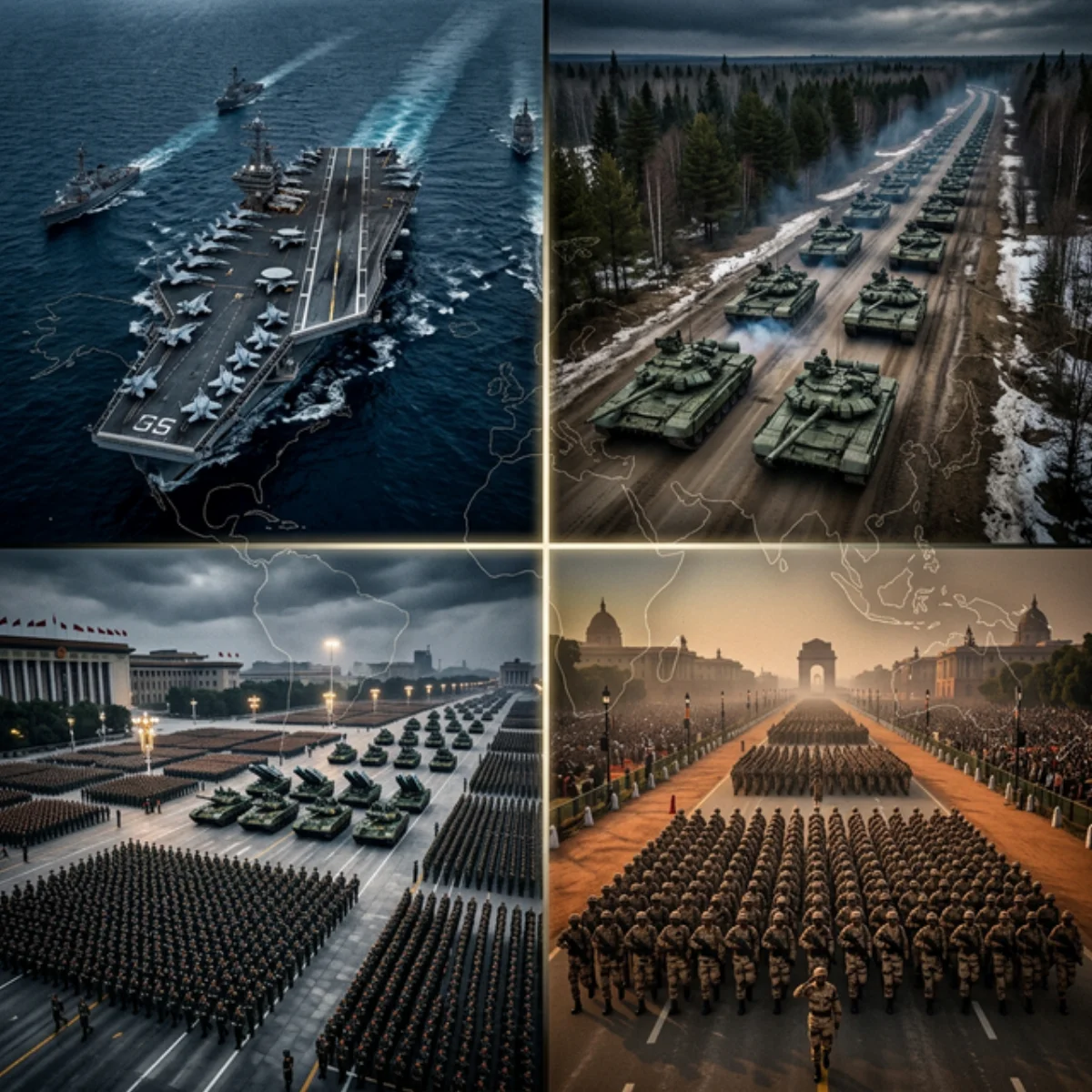
Comparison by Category: Who Leads Where?
🪖 Military Personnel (Active + Reserves)
| Country | Active Personnel | Reservists | Total Available | % of Population |
|---|---|---|---|---|
| China | 2,035,000 | 510,000 | 2,545,000 | 0.18% |
| India | 1,455,550 | 1,155,000 | 2,610,550 | 0.18% |
| USA | 1,390,000 | 845,000 | 2,235,000 | 0.66% |
| Russia | 1,320,000 | 2,000,000 | 3,320,000 | 2.30% |
| South Korea | 555,000 | 3,100,000 | 3,655,000 | 7.06% |
| Türkiye | 355,200 | 378,700 | 733,900 | 0.85% |
| Japan | 247,000 | 56,000 | 303,000 | 0.24% |
| France | 205,000 | 35,000 | 240,000 | 0.35% |
| Italy | 165,500 | 18,300 | 183,800 | 0.31% |
| UK | 148,500 | 37,000 | 185,500 | 0.27% |
🛡️ Land Power: Tanks, Armored Vehicles, and Artillery
| Country | Tanks | Armored Vehicles | Self-Prop. Artillery | Multiple Launchers |
|---|---|---|---|---|
| Russia | 14,777 | 77,500 | 6,574 | 3,391 |
| USA | 5,500 | 45,193 | 1,498 | 1,366 |
| China | 5,000 | 35,000 | 4,120 | 3,160 |
| India | 4,614 | 12,000 | 1,500 | 374 |
| Türkiye | 3,022 | 11,630 | 1,063 | 450 |
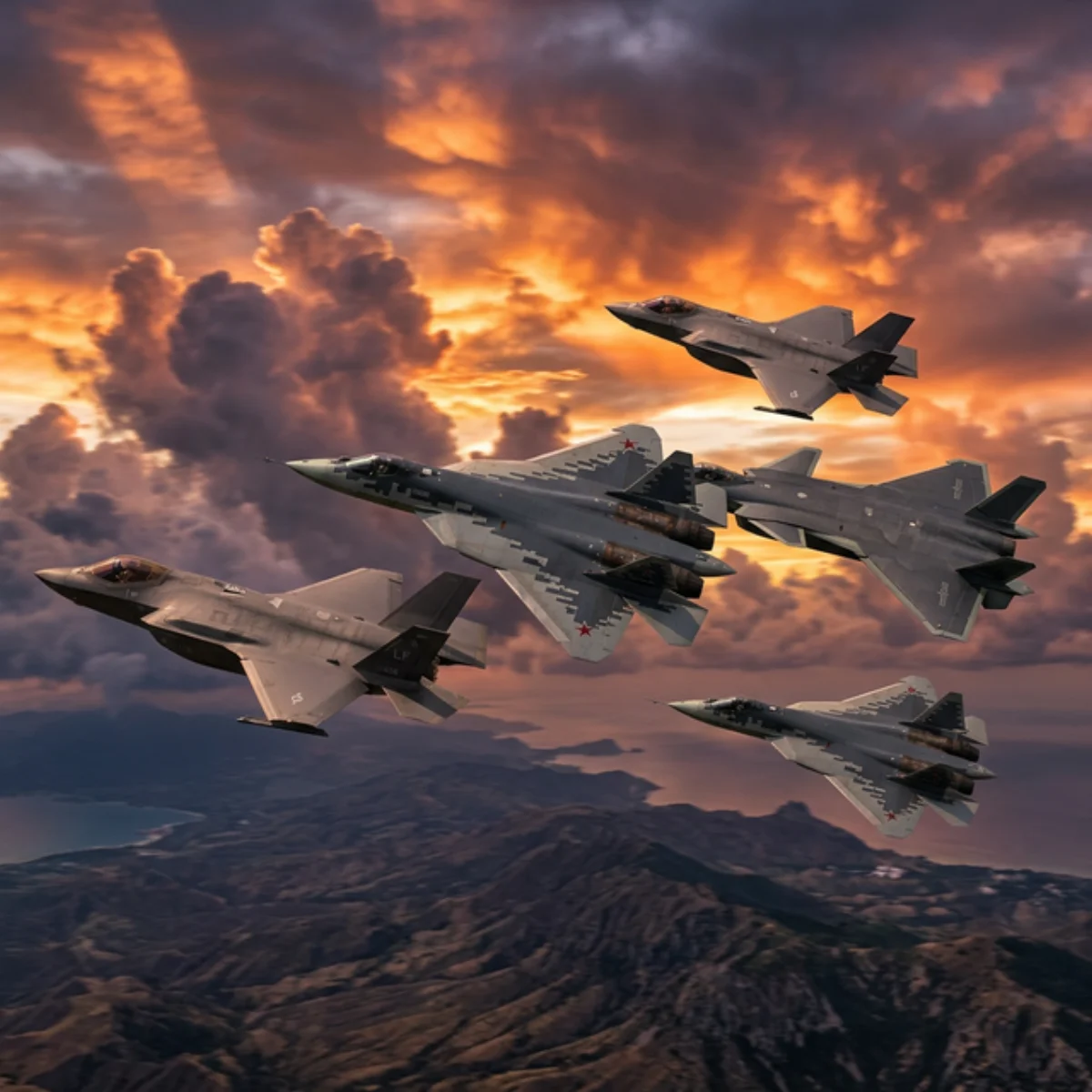
✈️ Air Power: Fighters, Bombers, and Helicopters
| Country | Total Aircraft | Fighters | Attack Helicopters | Strategic Bombers |
|---|---|---|---|---|
| USA | 13,209 | 1,854 | 910 | 141 |
| Russia | 4,255 | 773 | 544 | 162 |
| China | 3,285 | 1,207 | 281 | 232 |
| India | 2,296 | 564 | 70 | 0 |
| South Korea | 1,595 | 402 | 112 | 0 |
Highlight: The USA absolutely dominates the air with over 13,000 aircraft — more than the next 4 countries combined.
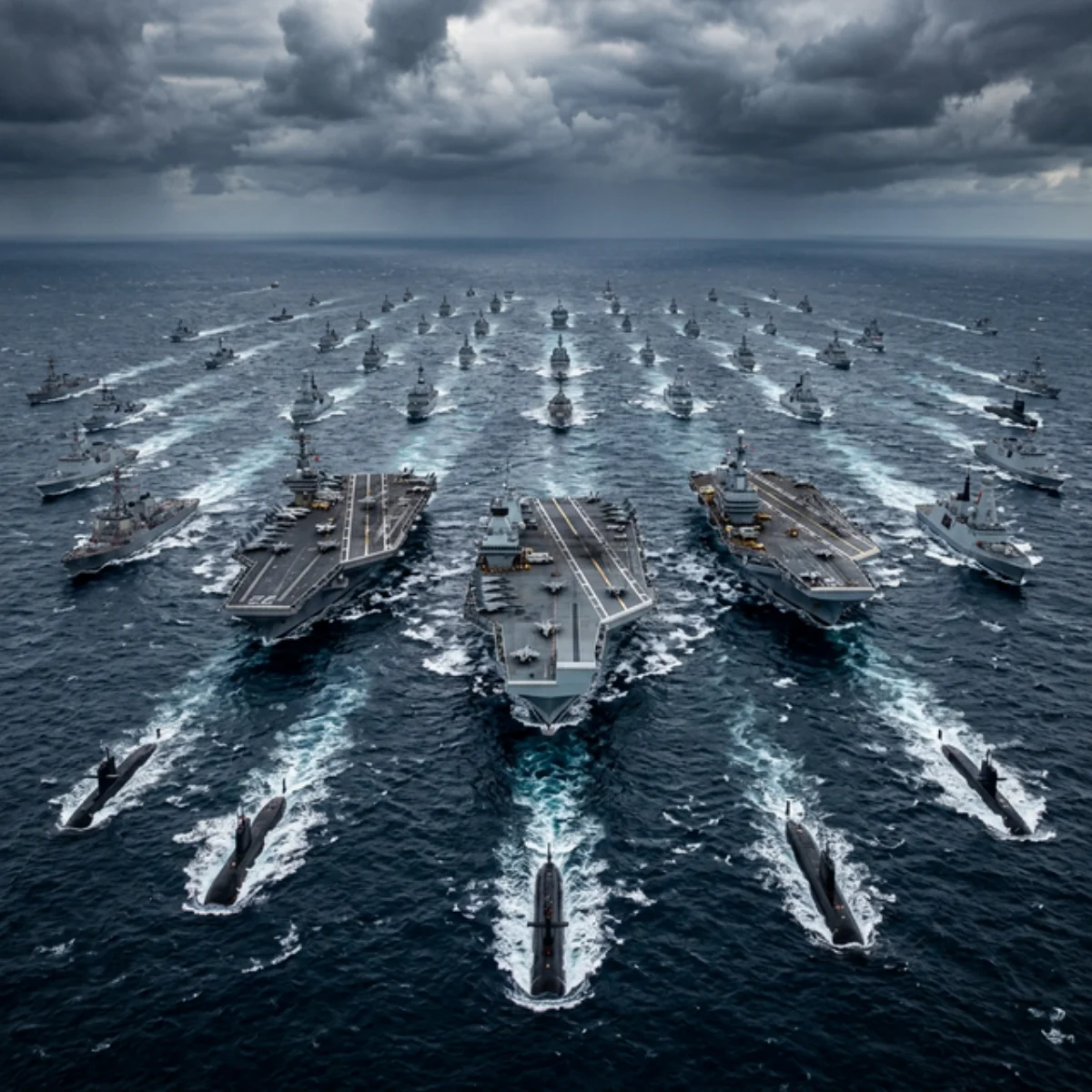
⚓ Naval Power: Warships, Submarines, and Aircraft Carriers
| Country | Total Ships | Aircraft Carriers | Submarines | Destroyers | Frigates |
|---|---|---|---|---|---|
| China | 730 | 3 | 78 | 42 | 64 |
| USA | 472 | 11 | 68 | 72 | 22 |
| Russia | 605 | 1 | 64 | 15 | 11 |
| India | 295 | 1 | 18 | 11 | 14 |
| South Korea | 234 | 0 | 22 | 12 | 18 |
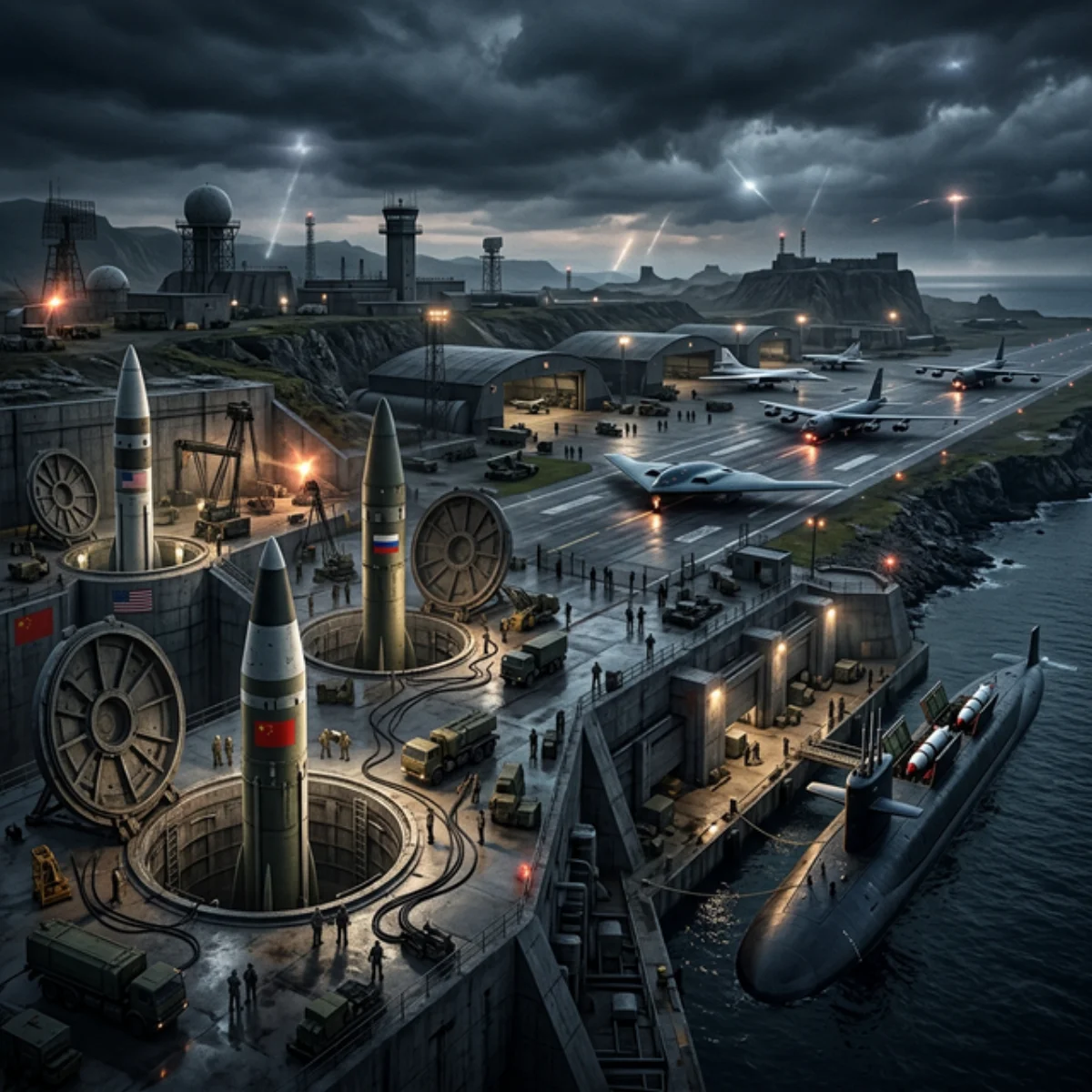
Nuclear Arsenal: The Power of Absolute Destruction
| Country | Total Warheads | Strategic | Tactical | Status |
|---|---|---|---|---|
| Russia | ~5,580 | ~1,674 | ~1,558 | Modernizing |
| USA | ~5,044 | ~1,670 | ~200 (in Europe) | $1.7T modernization planned |
| China | ~500 | ~350 | ~150 | Rapid expansion |
| France | ~290 | ~280 | ~10 | Stable |
| UK | ~225 | ~120 | ~0 | Increase planned |
| Pakistan | ~170 | ~50 | ~120 | Slow growth |
| India | ~172 | ~100 | ~72 | Moderate expansion |
| Israel | ~90* | ~50 | ~40 | Officially unconfirmed |
| North Korea | ~50 | ~20-30 | ~20 | Active program |
Nuclear Triad: Who Can Strike from Where?
| Component | USA | Russia | China | France | UK |
|---|---|---|---|---|---|
| ICBMs (Land) | ✅ Minuteman III | ✅ RS-28 Sarmat | ✅ DF-41 | ❌ | ❌ |
| SLBMs (Sea) | ✅ Trident II | ✅ Bulava | ✅ JL-3 | ✅ M51 | ✅ Trident II |
| Bombers (Air) | ✅ B-2, B-52 | ✅ Tu-160 | ✅ H-6K | ✅ Rafale | ❌ |
| Full Triad | ✅ | ✅ | ✅ | ⚠️ Partial | ⚠️ Partial |
Cutting-Edge Military Technology
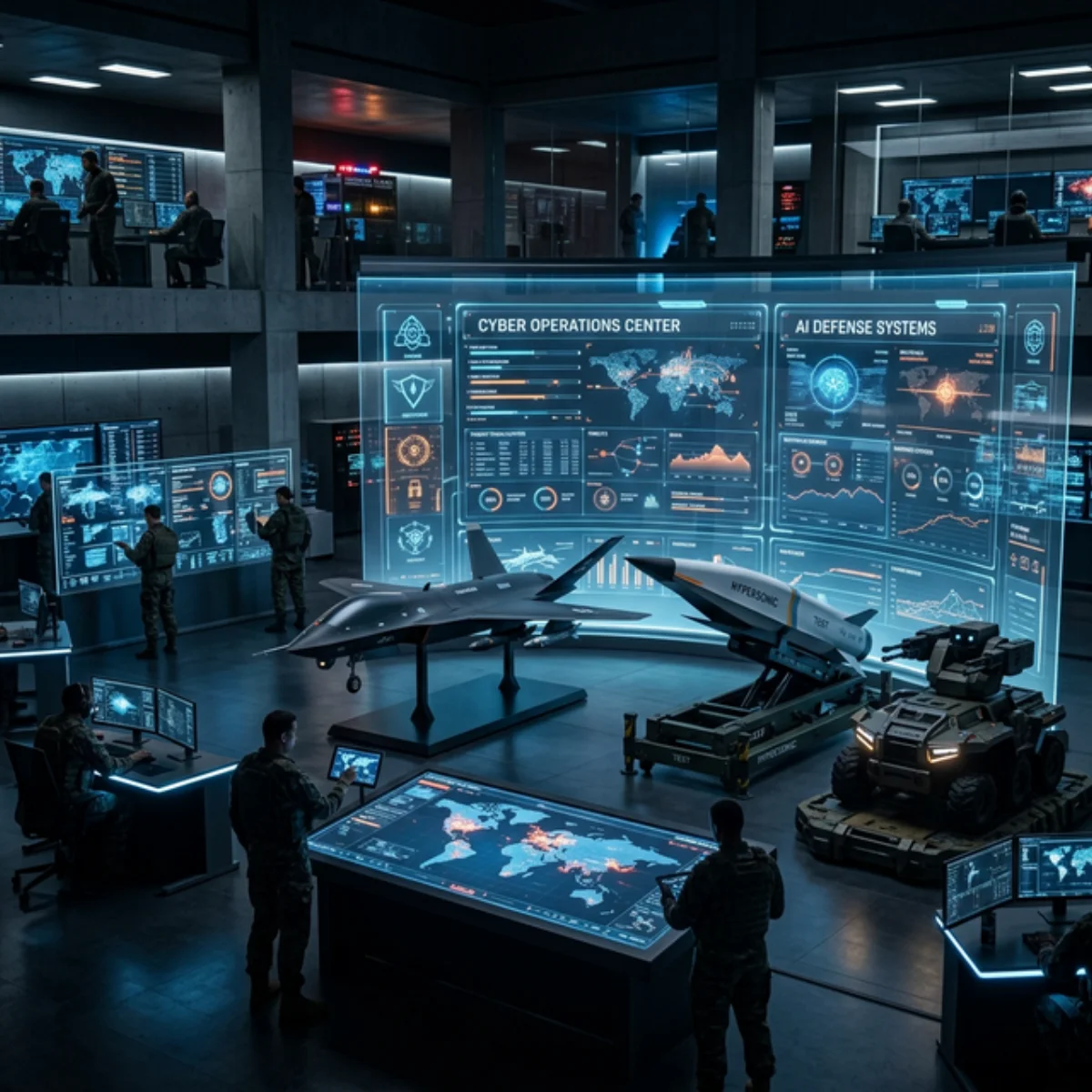
🚀 Hypersonic Missiles
| Country | Weapon | Speed | Status |
|---|---|---|---|
| Russia | Avangard | Mach 20-27 | Operational since 2019 |
| Russia | Kinzhal | Mach 10 | Used in Ukraine |
| China | DF-ZF | Mach 5-10 | Operational |
| USA | LRHW Dark Eagle | Mach 5+ | In testing |
🤖 Drones and AI
| Country | Highlight | Capability |
|---|---|---|
| USA | MQ-9 Reaper, XQ-58 Valkyrie | AI for autonomous decisions, drone swarms |
| Türkiye | Bayraktar TB2, Akıncı | Largest combat drone exporter |
| China | Wing Loong II, GJ-11 | Stealth drones with AI, mass export |
| Israel | Harop, Hermes 900 | Kamikaze drones, AI for missile defense |
Defense Budget: Who Spends the Most?
| Country | Budget 2026 (USD) | % of GDP | Per Capita |
|---|---|---|---|
| USA | $968 billion | 3.5% | $2,838 |
| China | $296 billion* | 1.6% | $207 |
| Russia | $109 billion | 6.7% | $754 |
| India | $75 billion | 2.4% | $52 |
| UK | $68 billion | 2.3% | $993 |
Most impressive fact: The USA spends more on defense than the next 9 countries combined.
Projections 2026-2030
| Trend | Country | Reason |
|---|---|---|
| ⬆️ Rising | China | Massive modernization + nuclear growth |
| ⬆️ Rising | Japan | 2x defense budget increase |
| ⬆️ Rising | India | Investment in domestic technology |
| ➡️ Stable | USA | Absolute leader, but stretched |
| ⬇️ Falling | Russia | Ukraine attrition, sanctions |
Conclusion: The Military Chessboard in 2026
Global military power in 2026 is defined by an inconvenient truth: the United States dominates, but it's stretched too thin. With active operations in the Middle East, tensions in the Pacific, commitments in Europe, and intervention in Venezuela, the American superpower faces the challenge of maintaining supremacy across all theaters simultaneously.
The military world of 2026 is more dangerous, more fragmented, and more technological than any moment since the Cold War.
Read Also
- Trump: The President Who Changed the World
- Arsenal of the Apocalypse: Weapons of the Ukraine War
- Middle East War Escalation 2026


