Endangered Animals That Can Still Be Saved
In 2025, the IUCN Red List recorded more than 44,000 species threatened with extinction. But here's the fact most people don't know: for every species that disappears, there are dozens teetering on the edge that can still be pulled back.
The difference between an extinct animal and a saved one often comes down to a single human decision. A breeding program. A protected reserve. A law that arrives in time.
This article is about the animals still within that window. The ones that still have a chance, if we act now.
How the Risk Classification Works
The IUCN (International Union for Conservation of Nature) classifies species into risk categories:
| Category | Abbreviation | Meaning | Example |
|---|---|---|---|
| Least Concern | LC | Stable population | Rock pigeon |
| Near Threatened | NT | Decline detected | Great white shark |
| Vulnerable | VU | Moderate risk | Polar bear |
| Endangered | EN | High risk | Mountain gorilla |
| Critically Endangered | CR | Extreme risk | Sumatran rhinoceros |
| Extinct in the Wild | EW | Only exists in captivity | Spix's macaw |
| Extinct | EX | Disappeared | Dodo |
The animals in this article fall between VU and CR — the zone where human intervention still makes a difference.
1. Sumatran Rhinoceros
IUCN Status: Critically Endangered
Estimated population: Fewer than 80 individuals
Where it lives: Indonesia (Sumatra and Borneo)
The smallest rhinoceros in the world is also the most threatened. With fewer than 80 individuals remaining, every birth is an event celebrated globally.
Why it's disappearing:
- Deforestation for palm oil plantations
- Poaching (horn is worth more than gold on the black market)
- Populations so small that males and females can't find each other
What is being done:
- Captive breeding program at the Way Kambas Sanctuary
- In vitro fertilization being developed (first embryo created in 2019)
- Anti-poaching patrols using drones and thermal cameras
Chance of survival: 50/50, depends on the success of assisted reproduction.
2. Vaquita
IUCN Status: Critically Endangered
Estimated population: Fewer than 10 individuals
Where it lives: Gulf of California, Mexico
The vaquita is the rarest marine mammal in the world. Discovered only in 1958, it may disappear before most people even know it exists.
Why it's disappearing:
- Illegal fishing nets used to catch totoaba
- Extremely small habitat area
What is being done:
- Zero-tolerance zone for fishing in the vaquita's habitat
- Mexican Navy patrols the area
- Alternative nets that don't capture vaquitas
Chance of survival: Critical — it could be the next marine mammal to go extinct.
3. Sumatran Orangutan
IUCN Status: Critically Endangered
Estimated population: 14,000 individuals
Where it lives: Northern Sumatra, Indonesia
We share 97% of our DNA with orangutans. They use tools, teach skills to their young, and demonstrate empathy.
Why it's disappearing:
- Loss of 80% of habitat in 20 years
- Palm oil: the main cause of deforestation
- Trafficking of babies as pets
- Females only have 1 offspring every 8–9 years
What is being done:
- Rehabilitation centers (Bukit Lawang, Ketambe)
- RSPO certification for sustainable palm oil
- Reintroduction of rescued orangutans into the wild
4. Amur Leopard
IUCN Status: Critically Endangered
Estimated population: 120 individuals in the wild
Where it lives: Far eastern Russia and northeastern China
The rarest big cat on the planet. In 2007, only 30 remained. Today there are 120 — one of the greatest recent conservation success stories.
What is being done:
- Land of the Leopard National Park (Russia), established in 2012
- Camera traps monitor every individual
- Captive breeding program with 200+ leopards in zoos
Chance of survival: Good — population has quadrupled in 15 years.
5. Mountain Gorilla
IUCN Status: Endangered (improved from Critically Endangered)
Estimated population: 1,063 individuals
Where it lives: Rwanda, Uganda, and the Democratic Republic of the Congo
In 1981, only 254 mountain gorillas remained. Today there are more than 1,000, thanks to conservation tourism and rigorous protection.
What is being done:
- Gorilla tourism (US$1,500/person in Rwanda) funds protection
- Veterinarians monitor the health of each family group
- 24-hour anti-poaching patrols
6. Tiger
IUCN Status: Endangered
Estimated population: 4,500 in the wild (was 100,000 in 1900)
Where it lives: India, Russia, Southeast Asia
The largest big cat in the world lost 97% of its population in a century. But for the first time in decades, the numbers are rising.
What is being done:
- India's Project Tiger: 53 protected reserves
- India is home to 75% of the world's wild tigers
- Global TX2 goal partially achieved
7. Leatherback Sea Turtle
IUCN Status: Vulnerable
Estimated population: 34,000–36,000 nesting females
Where it lives: Tropical and temperate oceans
The largest turtle in the world (up to 2 meters and 700 kg) survived the dinosaurs but may not survive plastic.
Why it's disappearing:
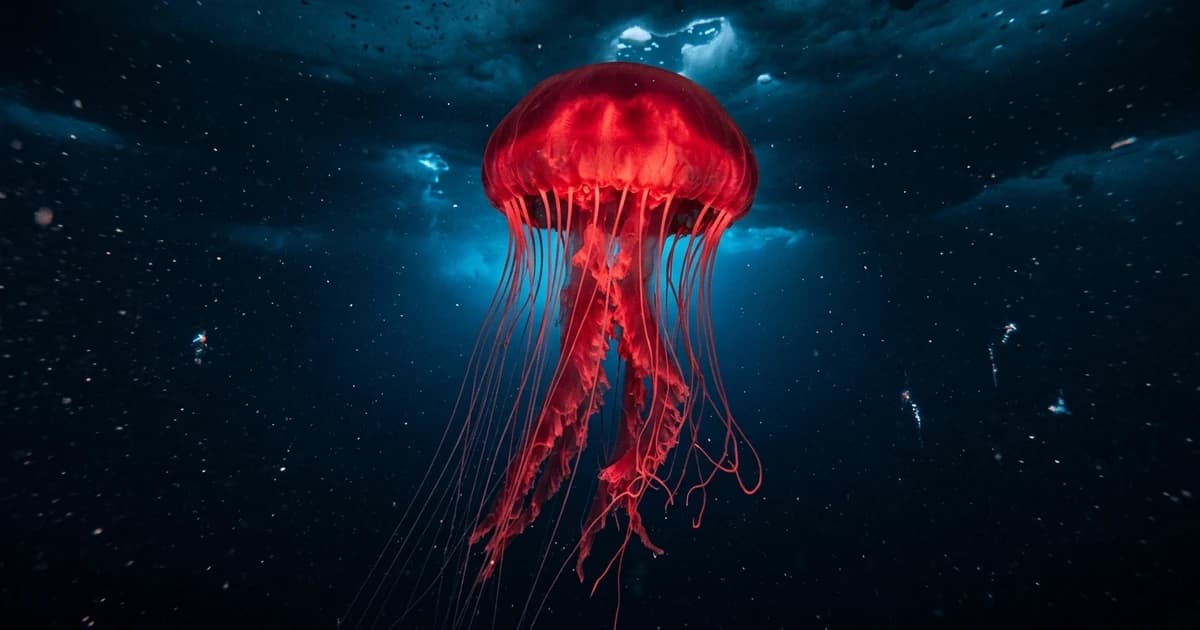
- Confuses plastic bags with jellyfish
- Accidental capture in fishing nets
- Artificial lighting on beaches disorients hatchlings
- Global warming alters sex ratios
8. Spix's Macaw
IUCN Status: Extinct in the Wild (exists in captivity)
Estimated population: 180 in captivity, reintroduction underway
Where it lives: Caatinga, Bahia, Brazil
The bird that inspired the movie "Rio" was declared extinct in the wild in 2000. But an ambitious program is trying to bring it back.
What is being done:
- Captive breeding program (Germany and Brazil)
- First Spix's macaws reintroduced in Bahia in 2022
- 20 birds already live in monitored freedom in Curaçá, Bahia
9. Giant Panda
IUCN Status: Vulnerable (improved from Endangered in 2016)
Estimated population: 1,864 in the wild
Where it lives: South-central China
The global symbol of conservation is also one of the greatest success stories. In 1980, fewer than 1,000 remained. Today there are nearly 2,000.
What worked:
- 67 nature reserves protect 66% of the population
- Breeding success rate rose from 30% to 90%
- China invested US$1 billion in panda conservation
10. Sumatran Elephant
IUCN Status: Critically Endangered
Estimated population: 2,400–2,800
Where it lives: Sumatra, Indonesia
It lost half its population in a single generation. Deforestation for palm oil is the main culprit.
Warning Signs, Meanings, and Actions
| Sign | What It Means | What You Can Do |
|---|---|---|
| Product with palm oil without RSPO seal | Contributes to deforestation | Choose certified products |
| Single-use plastic in the ocean | Kills turtles and birds | Reduce plastic use |
| Products made from wild animal parts | Funds poaching | Never buy them, report it |
| Wild animals kept as pets | Wildlife trafficking | Report to authorities |
| Illegal deforestation | Habitat destruction | Support conservation NGOs |
| Irresponsible animal tourism | Exploitation and stress | Choose ethical tourism |
Checklist: How to Help Endangered Animals
- Check if products contain sustainable palm oil (RSPO seal)
- Reduce single-use plastic consumption
- Never buy products made from wild animal parts
- Support zoos that participate in breeding programs
- Donate to conservation NGOs (WWF, WCS, Panthera)
- Report wildlife trafficking to authorities
- Choose ethical wildlife observation tourism
- Share information about threatened species
- Vote for politicians who support environmental laws
- Plant native trees in your region
Quick Test in 60 Seconds
1. How many species are threatened with extinction worldwide?
More than 44,000, according to the IUCN Red List.
2. What is the main cause of extinction today?
Habitat loss (deforestation, urbanization).
3. Which animal in this article had the greatest recovery?
The mountain gorilla, from 254 to more than 1,000 in 40 years.
4. What does "Extinct in the Wild" mean?
The species only exists in captivity. Example: Spix's macaw.
5. How much is a rhinoceros horn worth on the black market?
Up to US$60,000 per kilogram — more expensive than gold.
Frequently Asked Questions
Q: How many species go extinct per day?
A: Estimates range from 24 to 150 species per day, but most are insects and plants that haven't been cataloged yet.
Q: Is it possible to bring extinct species back?
A: "De-extinction" is being researched for the woolly mammoth and dodo using CRISPR, but it's still experimental.
Q: Do zoos help or harm conservation?
A: Modern accredited zoos are essential for captive breeding programs. Without them, species like the California condor would have already disappeared.
Q: Does global warming affect extinction?
A: Yes. Climate change alters habitats, reproductive cycles, and food availability.
Q: Which country has the most threatened species?
A: Indonesia, followed by Brazil, Madagascar, and India.
Q: Will the Spix's macaw return to the wild?
A: The reintroduction program in Bahia has been underway since 2022, with 20 birds already in monitored freedom. Results are promising.
Q: How much does it cost to save a species?
A: It varies enormously. The panda program cost US$1 billion over 30 years. Smaller programs operate on US$1–10 million per year.
Read also: