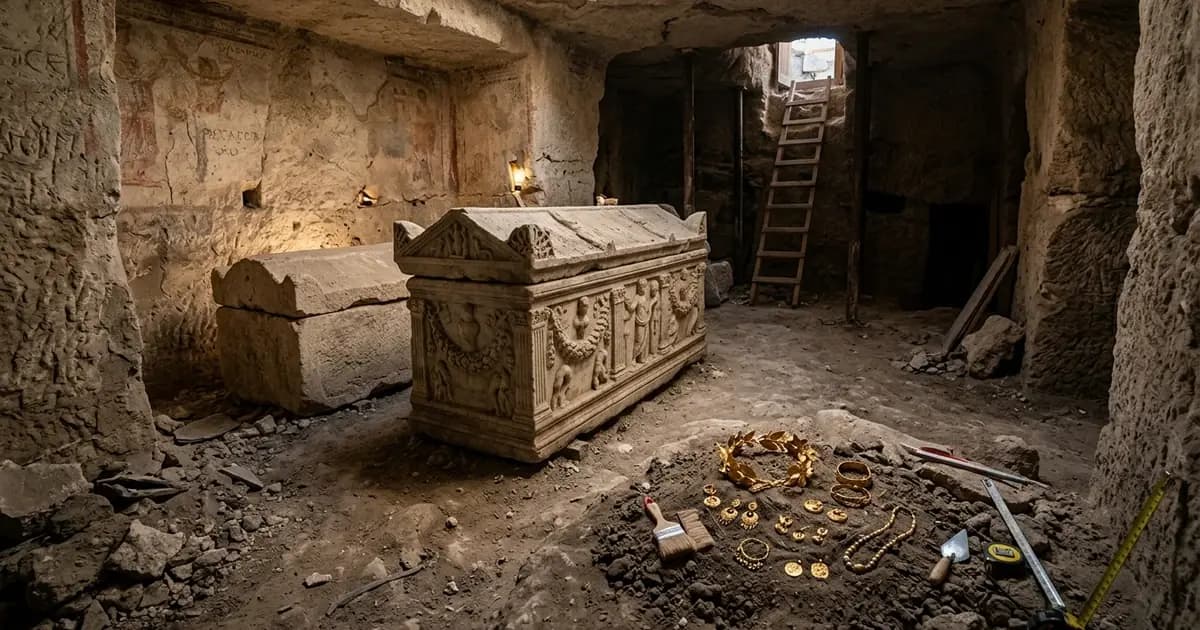
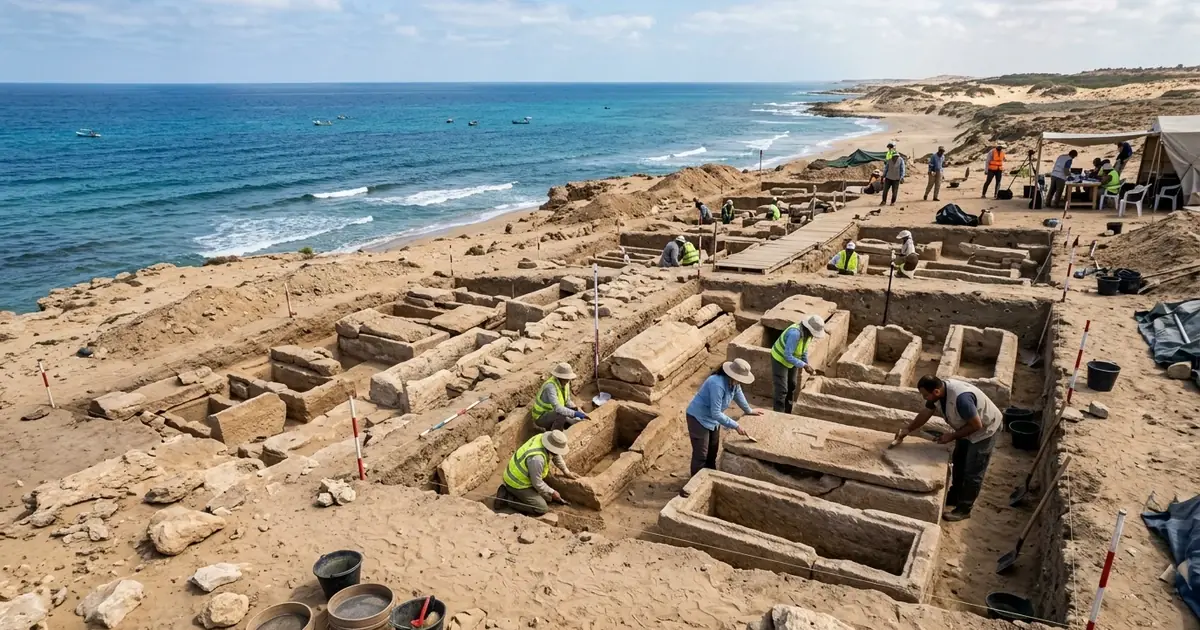
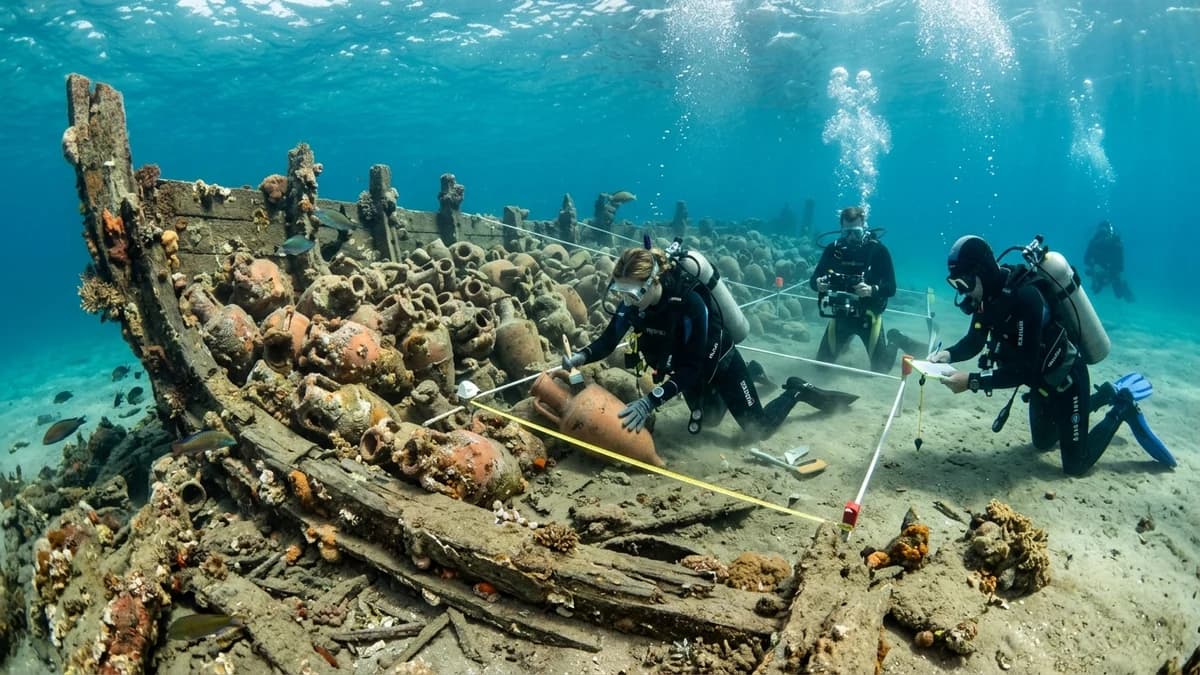
To understand how Marina Alamein fits into Egypt's broader landscape, scientists compiled a comparative analysis of contemporary sites. The table below outlines the architectural differences, key artifacts, and estimated eras of these excavations. This comparison highlights regional variations in funerary customs during the Greco-Roman period.
| Site Name |
Discovery Region |
Tomb Types |
Key Artifacts |
Estimated Era |
| Marina Alamein (Leukaspis) |
Northwest Mediterranean Coast |
Hypogea and surface limestone tombs |
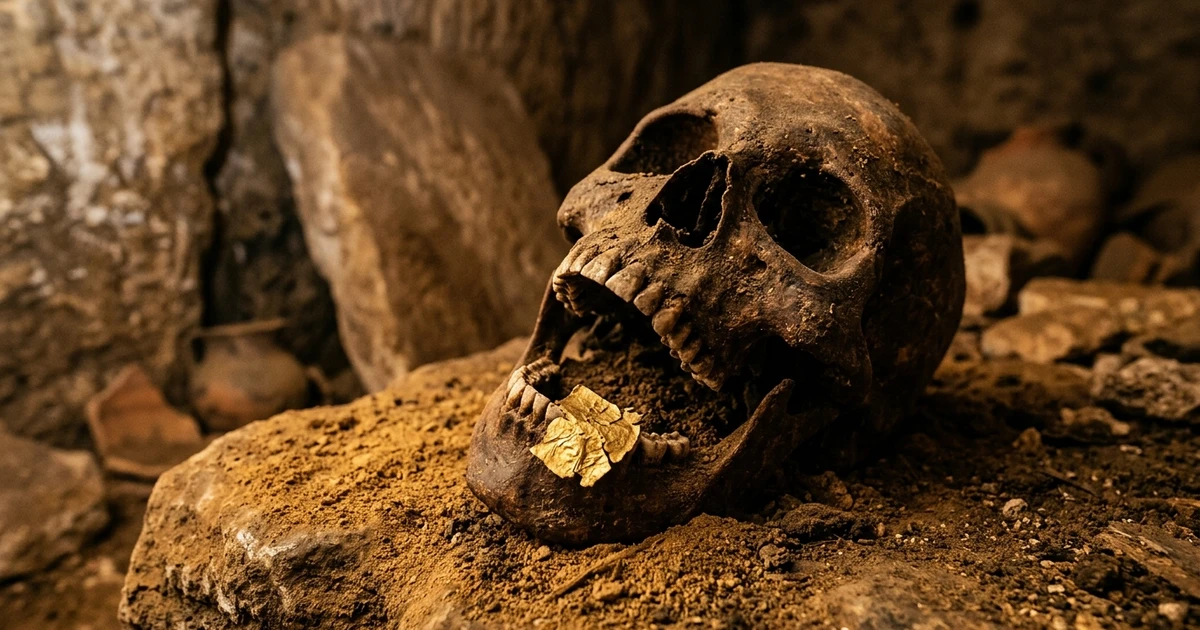
Gold tongues, Aphrodite statue, altars |
Ptolemaic to Roman (2nd Century B.C. - 4th Century A.D.) |
| Catacombs of Kom El Shoqafa |
Alexandria (Central Delta) |
Multi-level vertical catacombs |
Syncretic relief statues, decorated sarcophagi |
Imperial Roman (2nd Century A.D. - 4th Century A.D.) |
| Taposiris Magna |
Lake Mariout (West of Alexandria) |
Rock-cut shaft tombs and temples |
Mummies with gold tongues, Cleopatra coins |
Ptolemaic (3rd Century B.C. - 1st Century B.C.) |
| Oxyrhynchus Necropolis |
Minya Province (Middle Egypt) |
Stone tombs and shafts |
Literary papyri, gold amulets, mummies |
Greco-Roman and Byzantine (3rd Century B.C. - 7th Century A.D.) |
Dr. Mostafa Waziri, Secretary-General of Egypt's Supreme Council of Antiquities, stated that this season's campaign exceeded all expectations. According to the mission director, the undisturbed chambers offer an unprecedented window into the daily lives of maritime merchants. He noted that the golden tongues represent the elite's efforts to secure spiritual immortality.
Historians from the University of Warsaw pointed out that the unfinished Aphrodite statue suggests local workshops specialized in classical sculpture. This indicates that the city produced its own prestige items using imported raw materials. Such artistic autonomy highlights the substantial economic power and independence enjoyed by the citizens of Leukaspis.
This artistic and funerary syncretism can be compared to archaeological breakthroughs in other regions. The same methodological approach is applied to the archaeological discovery in Parintins and its 3,000-year-old remains in the Amazon. Both studies demonstrate that ancient civilizations built networks and religious rites far more complex than traditional models suggest.

The next phase of fieldwork will focus on laboratory analysis of all skeletal remains retrieved from the hypogea. Researchers will use radiocarbon dating and ancient DNA sequencing to trace the genetic ancestry of the residents. These tests will help map human migration patterns across the Roman Mediterranean during this era.
Concurrently, specialists will work on the structural consolidation of limestone tombs threatened by humidity and salty sea winds. An open-air museum project is underway to protect the fragile ruins while allowing controlled visitor access. Finally, digital three-dimensional cataloging of all artifacts will facilitate research in virtual repositories.
In addition to physical restoration, researchers are using advanced spectral imaging to read faded inscriptions on the tomb walls. These high-resolution scans can reveal names, dates, and prayers that are completely invisible to the naked human eye. Scholars hope that these digital records will prevent any permanent loss of data as the site slowly deteriorates.
Ultimately, the unveiling of the golden mouths of Leukaspis reminds us of human anxieties regarding mortality. Placing gold in the mouths of loved ones was an act of devotion to ensure their voices echoed eternally. In this fusion of cultures, eternity belonged to those who carried the correct words to appease the gods.
Excavations at the coastal necropolis of Marina el-Alamein — an ancient maritime trade hub located west of Alexandria — illustrate how Ptolemaic and early Roman elites fused Greek eschatological beliefs with traditional Egyptian mummification rites. While classical Greek custom placed a silver obol coin beneath the tongue of the deceased as fare for the ferryman Charon across the River Styx, Graeco-Egyptian workshops adapted this practice by fashioning thin, hammered gold-foil tongues and amulets designed to restore the deceased's faculty of speech before Osiris in the afterlife judgment hall.
Non-destructive portable X-ray fluorescence (pXRF) analysis of the gold foils recovered from the rock-cut hypogea chambers indicates high-purity alluvial gold alloyed with trace silver, accompanied by imported Eastern Sigillata ceramics and Alexandrian blown-glass unguentaria dating from the late first century BCE to the first century CE.