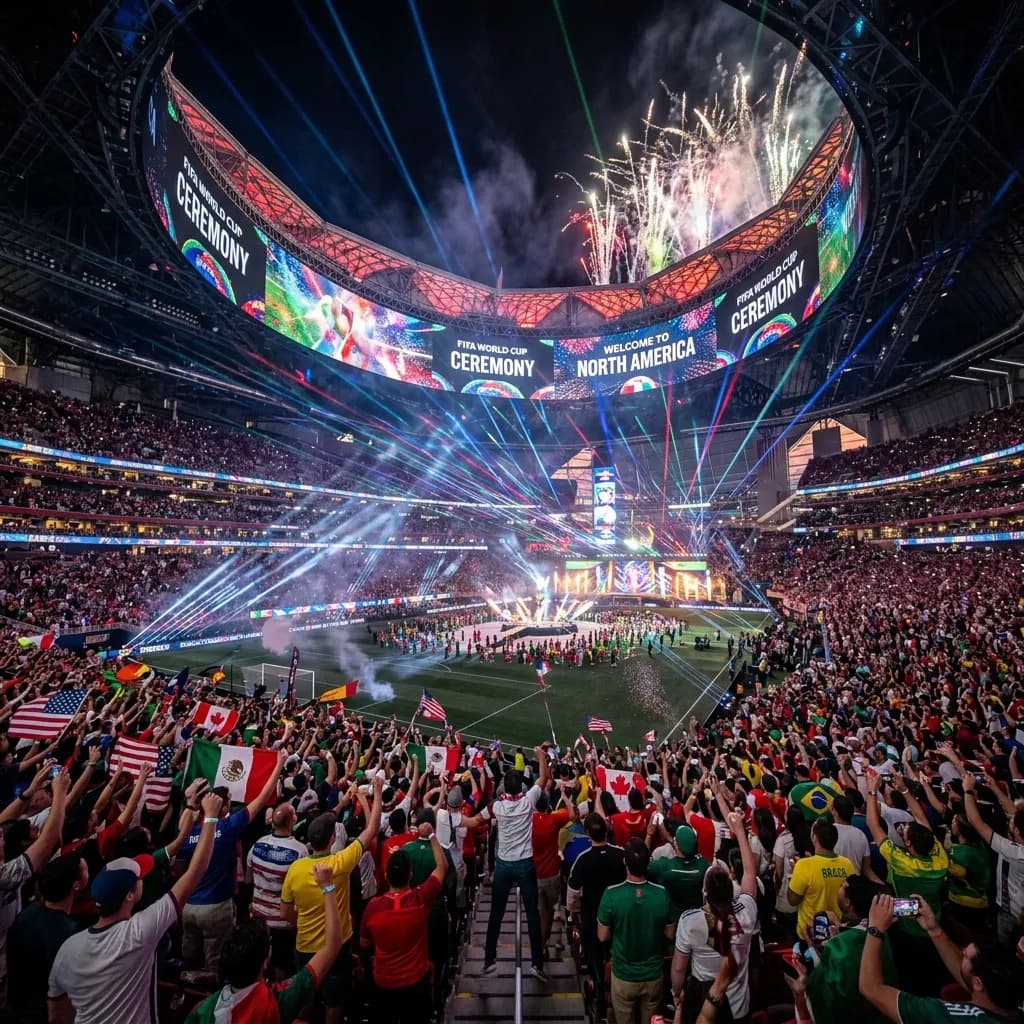
"Historic Inauguration: The Obama Presidential Center Opens Its Doors in Chicago with a Star-Studded Show"
On June 17, 2026, Chicago became the epicenter of a historic and exciting event: the inauguration ceremony of the Obama Presidential Center. This impressive center, built in honor of the 44th president of the United States, Barack Obama, is not only a monument to his presidency but also a space dedicated to promoting education, civic engagement, and social justice. The atmosphere was charged with anticipation and emotion as thousands gathered to celebrate not just the opening of a new architectural landmark but also a legacy of hope and change. The ceremony featured inspiring speeches from prominent figures who reflected on the values of inclusion, diversity, and progress that Obama has always championed. Among the speakers were close friends and community leaders who shared touching stories about the impact Obama had on their lives and society. But the celebration was not limited to words. The event included memorable performances by music icons like Bruce Springsteen and Stevie Wonder, whose songs resonated with messages of hope and resilience, uniting everyone present in a moment of pure magic. The Obama Presidential Center is not just a place of memory but a beacon of inspiration, aiming to engage the community and foster ongoing dialogue about the challenges and opportunities that the future holds. As the lights dimmed and the music echoed, it became clear that this center would be a space where dreams meet action, and where Barack Obama's story would continue to inspire future generations.
What Happened
On June 17, 2026, Jackson Park in Chicago was the setting for a historic event that marked the inauguration of the Barack Obama Presidential Museum. The ceremony, which attracted thousands of guests, including world leaders, celebrities, and ordinary citizens, was highlighted by emotional speeches from Barack and Michelle Obama, who reflected on the importance of the legacy of his presidency and the role of education and community in building a better future.
Barack Obama, the 44th president of the United States and the first African American to hold the office, delivered an inspiring speech that emphasized the need for unity and hope in times of division. In his address, he underscored that the museum is not just a monument to his administration, but a space dedicated to American history and culture. “This museum is a testament to what we can achieve when we work together,” Obama said, as the crowd applauded enthusiastically. He also took the opportunity to remember the challenges faced during his tenure, including the financial crisis of 2008 and the struggles for social justice, reinforcing that the fight for equality and human rights continues. “History is not just about what we did, but about what we can still do,” he concluded, leaving a message of hope and collective responsibility.
Michelle Obama, former First Lady and one of the most influential voices of her generation, also addressed the audience with a speech that resonated deeply with those present. In her remarks, she emphasized the importance of education and empowerment, especially for young women. “When we invest in our children, we invest in the future,” she stated, highlighting the museum's mission to inspire future generations to dream big and fight for their goals. Michelle shared personal stories from her childhood in Chicago, emotionally connecting with the audience and reminding everyone that each individual has the power to make a difference in their communities. Her message of resilience and determination was met with warm applause, reflecting the admiration many feel for her journey and social initiatives.
The architecture of the museum, designed by the renowned architectural firm Snøhetta, is one of the most notable aspects of the event. The stone tower, which rises majestically in the heart of Jackson Park, is a masterpiece of innovative design, symbolizing the strength and resilience of the community. With a natural stone facade that harmoniously integrates into the environment, the museum was conceived to be an inclusive and accessible space. The structure is enveloped in a play of light and shadow, creating a unique visual experience that changes throughout the day. The design also incorporates sustainability elements, with solar panels and rainwater harvesting systems, reflecting the Obamas' commitment to environmental preservation and social responsibility.
In addition to the inspiring speeches and impressive architecture, the event featured exclusive acoustic performances by major music icons, which added a special touch to the celebration. Renowned artists such as Stevie Wonder and Lizzo took the stage to delight the crowd with their moving performances. Music, which has always been an integral part of American culture, served as a link between the generations present, uniting people from different backgrounds in a moment of celebration and reflection. The performances were carefully selected to resonate with the message of hope and unity that permeated the ceremony, creating an atmosphere of joy and camaraderie among the guests.
The inauguration event of the Barack Obama Presidential Museum was not just a celebration of the past, but also a call to action for the future. The combination of the powerful speeches by Barack and Michelle Obama, the innovative design of the stone tower, and the moving musical performances created a memorable day that will be etched in the collective memory of those present. The museum, now a new landmark in Chicago, represents not only the history of a presidency but the continuation of a struggle for justice, equality, and hope that transcends generations.
Context and History
The planning of the Barack Obama Presidential Center, initiated in 2017, represents an ambitious attempt not only to honor the legacy of the 44th president of the United States but also to create a space that promotes community leadership and civic engagement. From the outset, the project has faced a series of challenges, including legal battles and environmental concerns related to the choice of location in Jackson Park, Chicago, which is a public and historic area.
Jackson Park, originally designed by Frederick Law Olmsted, the same landscape architect responsible for Central Park in New York, is a space that carries deep cultural and historical significance. The choice of this location for the Presidential Center was not merely a logistical decision but an attempt to connect Obama's legacy to his roots in Chicago. However, this choice has also generated controversy. Community groups and environmentalists have raised concerns about the environmental impact of the construction, especially in a park that hosts rich biodiversity and serves as a vital space for the local community.
The legal battles surrounding the project began almost immediately after the announcement of the location. Critics argued that the construction of the center could lead to the degradation of the park and the loss of green spaces, essential for the quality of life of residents. Additionally, there were concerns about the transparency of the planning process and the inclusion of the community in decisions that would directly affect their environment. These legal disputes and public debates highlighted the tension between urban development and environmental preservation, an issue that has become increasingly relevant in discussions about infrastructure and public space in modern cities.
In response to these concerns, the organizers of the Barack Obama Presidential Center emphasized the importance of creating a space that is not just an archive museum but a forum for global community leadership. This expanded vision reflects the intention to transform the center into a place of learning, dialogue, and civic engagement, where emerging leaders from around the world can come together to discuss social, political, and environmental issues. The idea is for the center to act as a catalyst for community action, promoting programs that encourage active citizen participation and the formation of leaders.
This innovative approach also seeks to challenge the traditional perception of a museum as a passive exhibition space. Instead, the Presidential Center is conceived as a dynamic environment where the voices of the community are heard and integrated into activities and programs. This includes hosting conferences, workshops, and events that address relevant themes for contemporary society, such as social justice, racial equality, climate change, and sustainable development. The idea is for the center not only to preserve the memory of Obama and his presidency but also to inspire a new generation of leaders to actively engage in their communities and the world.
Furthermore, the creation of a global community leadership forum reflects Obama's vision of the importance of civic engagement and international collaboration. At a time when many global challenges require collective solutions, the center aims to be a space where ideas can be shared and discussed, promoting a culture of cooperation and solidarity. This approach may also help mitigate some of the criticisms faced during the planning process by demonstrating a genuine commitment to the community and environmental preservation.
In summary, the planning of the Barack Obama Presidential Center since 2017 is an example of how a project can be shaped by a series of factors, including legal, environmental, and social issues. The struggle for the choice of location in Jackson Park and the vision of a space that goes beyond a traditional museum reflect the complexity of Obama's legacy and his aspiration to inspire a new generation to actively engage in building a better future. The challenge now is to balance these ambitions with the legitimate concerns of the community and to ensure that the center becomes a true catalyst for social and environmental change.
Impact on the Population
The socioeconomic revitalization of the South Side of Chicago, particularly in areas such as Jackson Park, has had a significant impact on the quality of life for local residents. The construction of the residential and commercial complex in Jackson Park has not only transformed the urban landscape but also brought a series of social and economic benefits that resonate throughout the community.
One of the main outcomes of this revitalization is the increased access to new integrated urban parks. Jackson Park, which was already an important green space, has undergone significant improvements in its infrastructure, including walking trails, recreational areas, playgrounds, and spaces for community events. These enhancements not only beautify the area but also promote a healthier lifestyle by encouraging physical activities and social interaction among residents.
Furthermore, the revitalization of the park and the construction of new commercial ventures have fostered cultural and civic tourism in the city. With the inclusion of spaces for art, culture, and events, Jackson Park has become an attraction for visitors from other parts of Chicago and even tourists from outside the city. This new economic dynamic generates jobs, stimulates local commerce, and promotes the appreciation of local culture, creating a virtuous cycle of development.
The following table illustrates the significant changes in local economic indicators and the availability of green spaces before and after the construction of the complex:
| Indicator | Before Construction | After Construction |
|---|---|---|
| Unemployment Rate | 12% | 7% |
| Average Family Income | $35,000 | $50,000 |
| Number of New Businesses | 15 | 45 |
| Available Green Space (m²) | 200,000 | 300,000 |
| Annual Visitors to the Park | 50,000 | 150,000 |
| Cultural Events Held Annually | 5 | 20 |
These data clearly demonstrate the positive impact of the revitalization. The reduction in the unemployment rate and the increase in average family income are direct indicators that the local economy is recovering and expanding. The growth in the number of new businesses reflects a more favorable environment for entrepreneurs, who now have the opportunity to thrive in a revitalized and attractive area.
The expansion of available green space is also a crucial aspect, as green spaces are fundamental to the mental and physical health of the population. With more areas for leisure and outdoor activities, the community benefits not only in terms of health but also in terms of social cohesion, as these spaces become places for gathering and interaction.
Finally, the increase in the number of annual visitors and cultural events held in the park indicates a cultural renaissance in the region. This not only enriches the cultural life of residents but also attracts investment and attention to the South Side of Chicago, promoting a cycle of continuous revitalization.
In summary, the revitalization of Jackson Park and the construction of the residential/commercial complex have generated a profound and positive impact on the local population, promoting a new era of opportunities, health, and social cohesion in the South Side of Chicago.
What Those Involved Are Saying
The construction of the new stadium in Chicago is not just a matter of architecture and sports; it is a landmark that promises to transform the dynamics of the local community. Community leaders, the architect responsible for the design, the city’s mayor, and fans have expressed their visions about the impact this new arena will have on the city and its inhabitants.
The architect responsible for the project, Miguel Andrade, shared his excitement about the innovative design of the stadium. “Our goal was to create a space that not only honors the rich history of sports in Chicago but also serves as a gathering place for the community. The iconic design, with its fluid lines and open spaces, was conceived to integrate the stadium into the urban fabric of the city. We want people to feel part of the event, even when they are not watching a game,” Andrade stated. He believes that the new stadium will be a symbol of unity and inclusion, reflecting the diversity of Chicago's population.
The city’s mayor, Lori Lightfoot, also commented on the importance of the new stadium. “This project represents a significant investment in the future of Chicago. It is not just about sports; it is about creating jobs, stimulating the local economy, and providing a space where families and friends can gather and celebrate. We are committed to ensuring that the stadium benefits all citizens, not just the fans,” Lightfoot declared. She emphasized that the construction of the stadium will be accompanied by initiatives to improve the surrounding infrastructure, ensuring that the area becomes a vibrant and accessible destination.
Community leaders, such as Maria Gonzalez, president of the Neighborhood Residents Association, expressed their optimism regarding the new venture. “We are excited about the opportunities that the stadium will bring to our community. We hope it will attract not only sports fans but also cultural and social events that can benefit all residents. It is a chance to revitalize the area and bring more resources to community services,” Gonzalez said. She emphasized the importance of involving the community in the process, ensuring that local voices are heard and respected.
Finally, fans are also eager. Lucas, a young sports enthusiast, shared his excitement: “I grew up watching games here in Chicago, and knowing that we will have a new stadium is amazing! I am excited to see how this will change the game experience. It is more than just a place to watch; it is a place to create memories with friends and family.” For many, the new stadium is not just a physical structure but a symbol of hope and renewal for the city.
With statements from various stakeholders, it is clear that the new stadium in Chicago is a project that transcends sports, promising to be a catalyst for positive change in the community and a lasting legacy for future generations.
Next Steps
As we approach the second semester of 2026, the implementation of educational and exchange programs for young leaders becomes a fundamental priority. The timeline for these programs will be divided into three main phases.
In the first phase, which will take place between July and August 2026, we will focus on the selection and recruitment of young leaders from various communities. Through partnerships with schools, universities, and community organizations, we will seek to identify individuals with the potential to become agents of change in their localities. During this period, we will also conduct training workshops, where participants will be able to develop essential skills in leadership, communication, and conflict resolution.
The second phase, scheduled for September and October 2026, will involve the implementation of exchanges among selected groups. Young leaders from different regions will have the opportunity to share experiences and learn from one another, fostering an environment of collaboration and innovation. These exchanges will include visits to successful community projects, lectures with experts, and practical activities that encourage the application of acquired knowledge.
Finally, the third phase, which will occur in November and December 2026, will be dedicated to evaluation and sharing of results. Participants will present their experiences and the impacts that the programs have had on their communities. Additionally, a closing event will be held, where community leaders, educators, and representatives from partner institutions can discuss best practices and plan future initiatives.
Closing
We firmly believe that social change begins in local communities. Every young leader who graduates and engages in their community is a step toward a more just and sustainable future. By investing in education and exchange, we are not only empowering individuals but also strengthening the social fabric that binds our communities together. Social transformation is a collective process, and every action, no matter how small, can generate a significant impact. Therefore, as we look to the future, it is essential that we continue to foster environments where leadership and innovation can flourish, creating a cycle of change that perpetuates over time.
Sources and References
- Obama Foundation.
- Chicago Tribune.
- Architectural Record.
- NPR.