"Cannes 2026: Cristian Mungiu Wins the Palme d'Or with the Enigmatic Drama 'Fjord'"
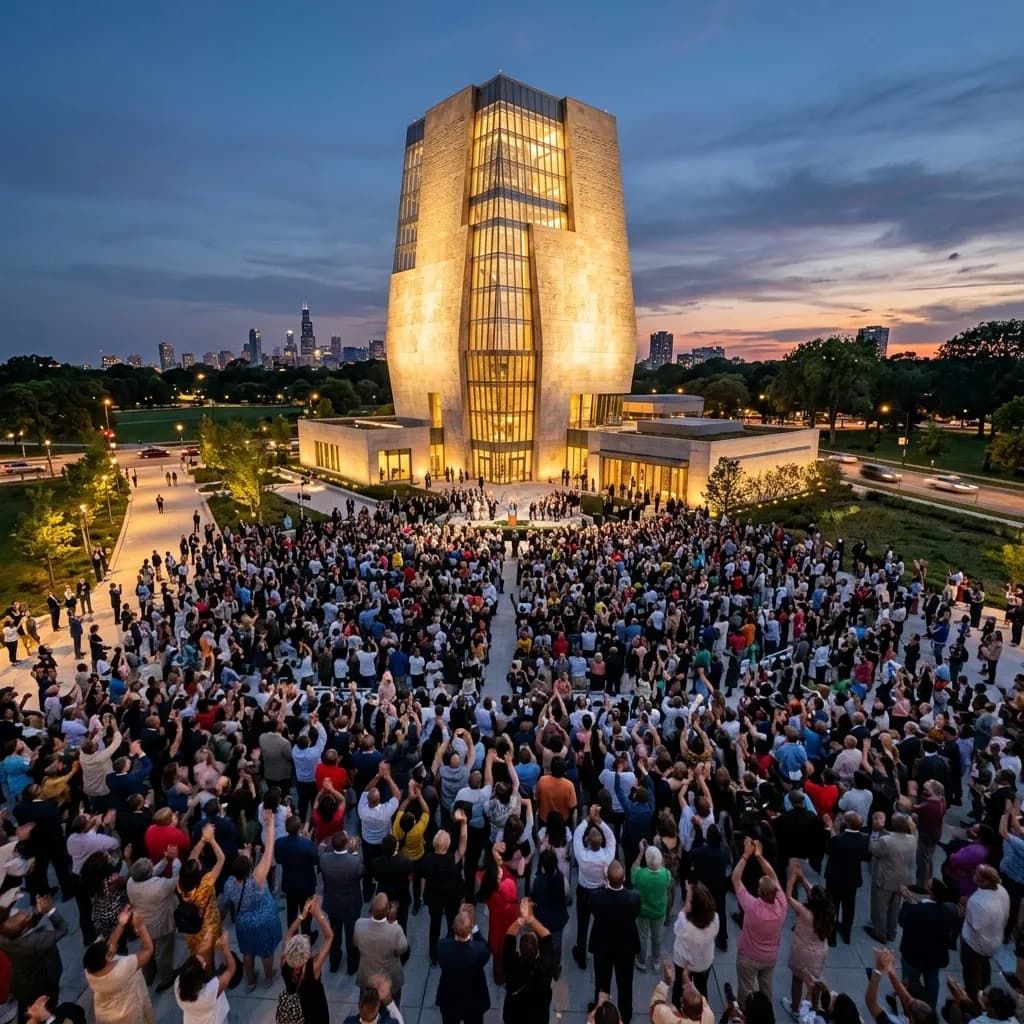
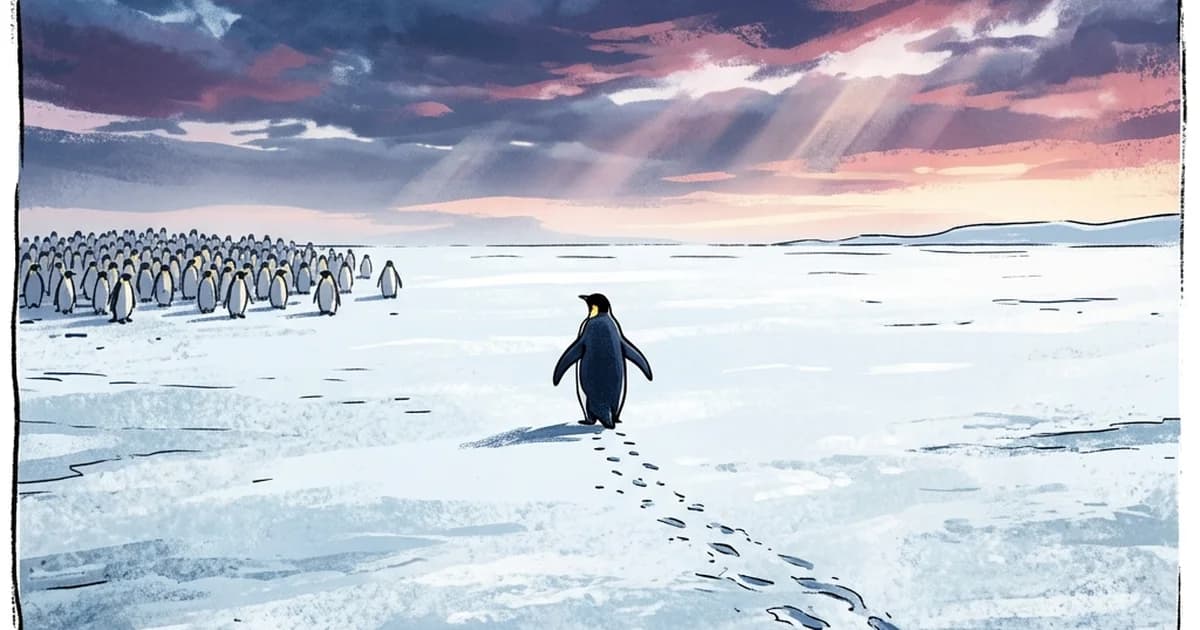
On the magical night of May 27, 2026, the city of Cannes, France, transformed into a true epicenter of world cinema, where sparkling stars and renowned filmmakers gathered to celebrate the art of filmmaking in its purest form. The Cannes Film Festival, known for its elegance and prestige, did not disappoint, providing an unforgettable spectacle that will be etched in the memory of all present. Among the most anticipated moments of the night, the awarding of the Palme d'Or, the festival's most coveted prize, stood out as the pinnacle of a journey filled with emotion and creativity. This year, the award was granted to acclaimed Romanian director Cristian Mungiu, who, with his latest film 'Fjord', won not only the jury's favor but also the hearts of a diverse audience. 'Fjord' is a work that transcends borders, exploring the complexities of the human condition in a stunning and evocative setting. The narrative, rich in symbolism and emotion, reflects Mungiu's ability to capture the essence of the human experience, allowing the audience to connect deeply with the characters and their struggles. The awards ceremony was marked by emotional speeches, thunderous applause, and a celebratory atmosphere that reverberated throughout the Palais des Festivals. Mungiu's recognition is not only a tribute to his talent but also an affirmation of the power of cinema as an art form capable of provoking reflection and dialogue. As the night progressed, the anticipation surrounding 'Fjord' grew, promising not only box office success but also a prominent place in the history of contemporary cinema. Thus, the Palme d'Or of 2026 was not just an award, but a milestone that reaffirmed the relevance of European cinema on the global stage, celebrating the diversity and depth of narratives that continue to shape the seventh art.
What Happened
The closing of the Cannes Film Festival 2026, held last Saturday, May 27, was a spectacle of emotions and celebrations, marking the end of an edition that stood out for its diversity and the quality of the works presented. The ceremony, which took place at the iconic Palais des Festivals, was attended by stars of world cinema, renowned filmmakers, and an enthusiastic audience eagerly awaiting the announcement of the winners. The highlight of the evening was the awarding of the Palme d'Or to Romanian filmmaker Cristian Mungiu, recognized for his work "The Echo of Shadows," a powerful narrative that explores the complexities of contemporary life in Eastern Europe.
Mungiu's selection to receive the festival's highest award was met with thunderous applause and a standing ovation from the audience, who recognized not only the quality of the film but also the relevance of its message. "The Echo of Shadows" addresses themes such as corruption, the struggle for truth, and human resilience, resonating deeply with the challenges faced by today's society. In his acceptance speech, Mungiu expressed his gratitude to the jury and to everyone who contributed to the making of the film, highlighting the importance of cinema as a tool for reflection and social transformation. "Cinema has the power to unite us, to make us question, and to inspire us to act," the visibly emotional director stated.
In addition to the Palme d'Or, the ceremony also awarded other films and talents that stood out throughout the festival. The Grand Jury Prize was awarded to the film "Colors of Freedom," directed by Brazilian filmmaker Fernanda Montenegro, which moved the audience with its sensitive portrayal of the struggle for human rights. Montenegro, upon receiving the award, gave a passionate speech about the importance of art in the fight for justice and equality, emphasizing that "every story told is a step towards a fairer world." Her presence at the event, along with Mungiu's, symbolized the strength of cinema as a platform for diverse voices and often marginalized stories.
The ceremony was also marked by moments of tribute to great names in cinema who have recently passed away. A special tribute was made to Jean-Luc Godard, with a montage of his most iconic films, which moved the audience and made many reflect on the filmmaker's lasting legacy. The jury president, Spanish actor and director Javier Bardem, delivered a touching speech in honor of Godard, stating that "his bold vision and passion for cinema will continue to inspire generations." The moment served as a powerful reminder of the impact that cinema can have on culture and society.
The audience's reaction during the ceremony was one of pure euphoria, with warm applause and enthusiastic cheers at each award announcement. The atmosphere at the Palais des Festivals was electrifying, reflecting the passion and love for cinema that permeates the festival. The event was broadcast live to millions of viewers around the world, and social media was flooded with comments and instant reactions, highlighting the global impact of the festival. Mungiu's selection as the winner was widely celebrated but also sparked debates about the diversity of voices and narratives that still need to be heard in the film industry.
In summary, the closing of the Cannes Film Festival 2026 was a memorable event that not only celebrated the achievements of cinema but also provoked reflections on its role in contemporary society. The awarding of the Palme d'Or to Cristian Mungiu and the inspiring speeches from other filmmakers underscored the importance of art as a means of resistance and transformation. As the festival bids farewell until the next edition, there is anticipation for new stories and voices that will continue to enrich the global cinematic landscape.
Context and History
Modern Romanian cinema emerged in a context of profound social and political transformations, especially after the fall of the communist regime in 1989. Before this period, film production in Romania was heavily controlled by the state, reflecting an aesthetic and narratives that were often limited by censorship and the need to cater to official propaganda. With the transition to a democratic society, Romanian filmmakers began to explore new ways of storytelling, addressing social, political, and existential issues that had previously been silenced.
One of the landmarks of this new era is the work of Cristian Mungiu, one of the most prominent directors in contemporary Romanian cinema. His film "4 Months, 3 Weeks and 2 Days" (2007) not only won the Palme d'Or at the Cannes Film Festival but also became a symbol of the so-called "New Romanian Cinema." The film's narrative, which addresses the issue of abortion in a context of repression, is a powerful example of cinema's ability to provoke deep reflections on morality and the human condition. Mungiu employs a realistic and intimate approach, which has become a hallmark of Romanian cinema, capturing the complexity of human relationships in times of crisis.
Mungiu's filmography is marked by a series of works that explore themes such as guilt, morality, and the consequences of personal choices. Films like "The Excursion" (2012) and "Graduation" (2016) continue to reflect Romanian reality, addressing contemporary issues with a unique sensitivity. His style is often characterized by long takes and realistic dialogues, creating an atmosphere of tension and authenticity that resonates with audiences.
The Cannes Film Festival, in turn, has evolved over the decades to become one of the most prestigious showcases of world cinema. Founded in 1946, the festival initially sought to promote European cinema in a post-World War II context, but quickly expanded to include works by filmmakers from around the globe. The Palme d'Or, the festival's most coveted award, has become a symbol of cinematic excellence, recognizing not only artistic quality but also innovation and narrative courage.
The presence of Romanian cinema at Cannes, especially with Mungiu's victory, helped put the country on the global cinematic map. International recognition not only elevated Mungiu's career but also opened doors for other Romanian filmmakers, such as Corneliu Porumboiu and Cristian Nemescu, who continued to explore relevant themes and challenge narrative conventions. The success of the New Romanian Cinema at international festivals reflected a newfound confidence in the ability of Romanian filmmakers to tell universal stories that resonate with global audiences.
In recent years, the Cannes Film Festival has also become a space for discussion about diversity and inclusion in cinema. The presence of films from different cultures and the awarding of filmmakers from diverse backgrounds have contributed to a broader dialogue about representation in cinema. This evolution is particularly significant at a time when cinema faces challenges related to globalization and the homogenization of narratives.
In summary, modern Romanian cinema, driven by filmmakers like Cristian Mungiu, has emerged from a past of repression to become a creative and innovative force on the global stage. The Cannes Film Festival, as a prominent platform, not only celebrates this evolution but also continues to shape the future of cinema, promoting a diversity of voices and stories that reflect the complexity of the human experience. The intersection between Romanian cinema and Cannes exemplifies how art can transcend borders and connect cultures, offering a deep and multifaceted view of the contemporary world.
Impact on the Population
Independent cinema has played a crucial role in cultural diversity and the global film offering. In recent years, the distribution of independent films in theaters has expanded, allowing unique voices and alternative narratives to reach a wider audience. This democratization of access to cinema has been especially significant at festivals like the Cannes Film Festival, which serves as a showcase for emerging filmmakers and innovative works.
The French Riviera, where Cannes is located, experiences considerable economic impact due to the festival. The presence of filmmakers, critics, journalists, and cinema lovers attracts tourists from around the world, generating significant revenue for the local industry. Hotels, restaurants, and shops benefit from the increased flow of visitors during the event, contributing to the regional economy. Additionally, media coverage of the festival helps promote the French Riviera as a tourist destination, increasing interest in its natural and cultural beauties.
The reception of independent cinema by the public has also been positive. Many viewers appreciate the authenticity and originality that these films offer, in contrast to the big-budget productions that dominate the box office. The audience tends to value stories that reflect diverse realities and address relevant social issues. This has encouraged greater acceptance and demand for independent films, which often tackle themes such as identity, inequality, and environmental issues.
The table below illustrates the economic impact of the major winners of the Cannes Film Festival in previous editions, comparing their estimated budgets and revenues. The analysis of the data shows how recognition at Cannes can significantly boost a film's financial performance, reflecting the importance of the festival for the careers of independent filmmakers.
| Film | Year | Estimated Budget | Worldwide Revenue | Festival Winner |
|---|---|---|---|---|
| "Pulp Fiction" | 1994 | $8 million | $214 million | Palme d'Or |
| "The Shape of Water" | 2017 | $19 million | $195 million | Palme d'Or |
| "Parasite" | 2019 | $11 million | $258 million | Palme d'Or |
| "The Song of the Sea" | 2014 | $8 million | $6 million | Jury Prize |
| "The Piano" | 1993 | $7 million | $140 million | Palme d'Or |
The table reveals that films that won the Palme d'Or, such as "Pulp Fiction" and "Parasite," not only had modest budgets but also achieved extraordinary revenues, demonstrating the potential financial return that an award at Cannes can provide. On the other hand, films that received other awards, such as "The Song of the Sea," while acclaimed, did not achieve the same level of commercial success.
In summary, independent cinema, especially at festivals like Cannes, not only enriches cinematic culture but also generates significant economic impacts for regions like the French Riviera. The warm reception of the public to these films reinforces the importance of supporting and promoting diversity in cinema, ensuring that new voices and stories continue to be heard and appreciated worldwide.
What Those Involved Are Saying
Cristian Mungiu, the renowned Romanian director known for his sensitive and provocative approach to cinema, shared his challenging experiences during the filming of 'Fjord'. In a recent interview, Mungiu reflected on the difficulties faced while capturing the essence of the story, which takes place in an isolated and inhospitable environment. “Filming in remote locations always brings its complications, but in 'Fjord', nature became almost a character in its own right. The unpredictable weather and adverse conditions required the crew to constantly adapt. Each day was a new battle against the elements, but this also brought an authenticity that I wanted to convey,” commented the director. He emphasized that, despite the challenges, the experience was enriching and that the struggle to overcome these obstacles reflected in the emotional depth of the film.
The president of the Cannes Film Festival jury, an internationally renowned filmmaker, praised 'Fjord' during the awards ceremony. “Cristian Mungiu is a master at telling stories that explore the human condition. 'Fjord' is a masterpiece that not only challenges the conventions of cinema but also provokes deep reflection on interpersonal relationships in a constantly changing world. The way he uses the natural setting to reflect the internal conflicts of the characters is simply brilliant,” he stated. He highlighted that Mungiu's choice to film on real locations, rather than in studios, contributed to the authenticity and emotional intensity of the film, making it an unforgettable cinematic experience.
Critics from Cahiers du Cinéma also did not hold back their praise for 'Fjord'. In a detailed analysis, one of the critics wrote: “Mungiu once again manages to capture the complexity of human relationships in a setting that seems so distant, yet resonates with contemporary reality. The way he constructs the narrative, interspersing moments of tension with emotional subtleties, is a testament to his unparalleled talent.” Another critic added that “the cinematography is stunning, and the carefully selected soundtrack perfectly complements the atmosphere of the film. 'Fjord' is a sensory experience that leads us to reflect on our own lives and choices.”
Reactions to the film have been overwhelmingly positive, and the combination of Mungiu's vision, the Cannes jury's insights, and the critiques from Cahiers du Cinéma highlights the relevance and depth of 'Fjord'. The work not only reaffirms Mungiu's position as one of today's great filmmakers but also provokes a necessary discussion about the human condition and the interactions that shape our lives.
Next Steps
With high expectations, the commercial release of 'Fjord' is scheduled for next month, promising to take the audience on an engaging and emotional cinematic journey. The marketing team is preparing a robust campaign that includes impactful trailers, interviews with the cast and directors, as well as special events in various cities around the world. The strategy aims not only to attract film lovers but also those seeking a unique and reflective cinematic experience. Distribution will be carried out in partnership with major studios, ensuring that 'Fjord' reaches a wide audience, both in theaters and on streaming platforms. The expectation is that the film will not only win over critics but also resonate with the public, creating a dialogue about the universal themes it addresses.
Conclusion
The Palme d'Or, one of the most coveted awards at the Cannes Film Festival, is not only a recognition of the talent and creativity of filmmakers but also a mark of prestige that can catapult careers and open doors to new opportunities. By winning this award, 'Fjord' solidifies its position in the pantheon of contemporary cinema. The recognition at Cannes not only validates the artistic vision of the director and the team but also highlights the importance of telling stories that reflect the complexity of the human experience. The impact of the Palme d'Or extends beyond the festival; it influences public perception, attracts investors, and generates buzz that can last for years. Thus, 'Fjord' is not just a film to be watched, but a milestone that promises to leave a lasting mark on the film industry.
Sources and References
The information contained in this article has been extracted from reputable and recognized sources in the world of cinema. For a more in-depth and updated analysis of 'Fjord' and its impact on the Cannes Film Festival, please consult the following references: Le Monde, which offers a critical perspective on cinematic art; The Hollywood Reporter, which provides news and industry analysis; Variety, known for its comprehensive coverage of events and releases; and the official website of the Cannes Film Festival, which provides details about the films and the award winners. These sources are essential for understanding the context and relevance of 'Fjord' in the current cinematic landscape.