The War Became a Meme: How the Internet Transformed the US-Iran Conflict into a Joke — And Why This Is Scary
On April 5, 2026, while American F-35s flew over Iran and Iranian missiles were intercepted over the Persian Gulf, the most shared post on X (formerly Twitter) was not a geopolitical analysis or a humanitarian plea. It was a montage showing Trump dressed as Buzz Lightyear saying, "To Hormuz, and beyond!" with the caption: "When the president discovers that a strait is different from a road." Half a million likes in 4 hours.
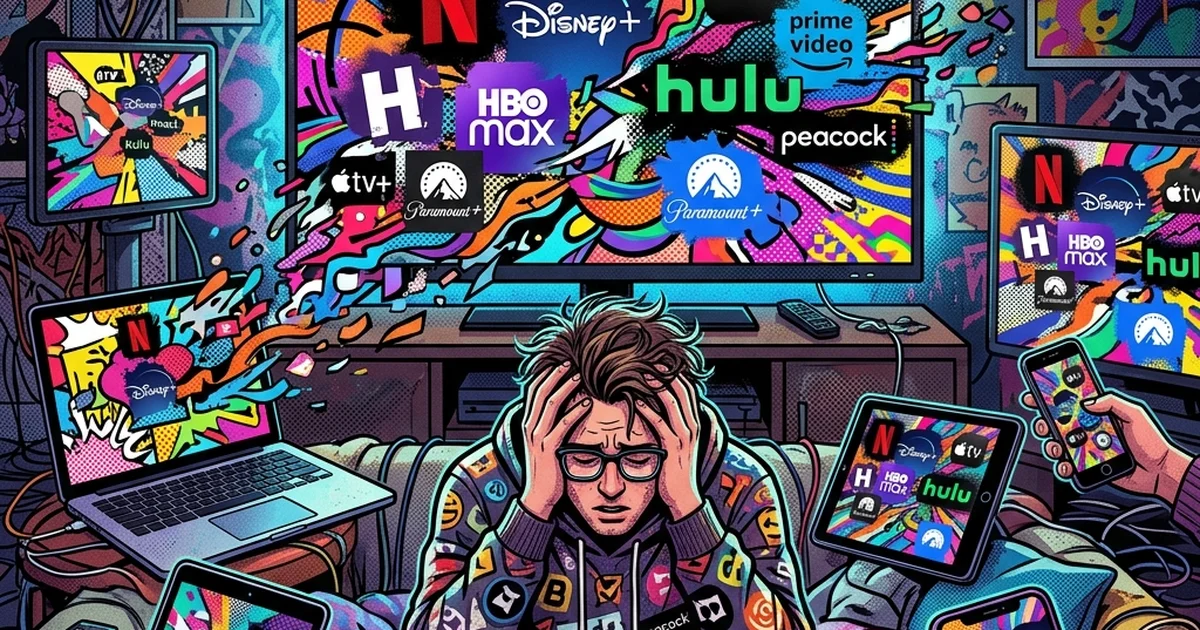
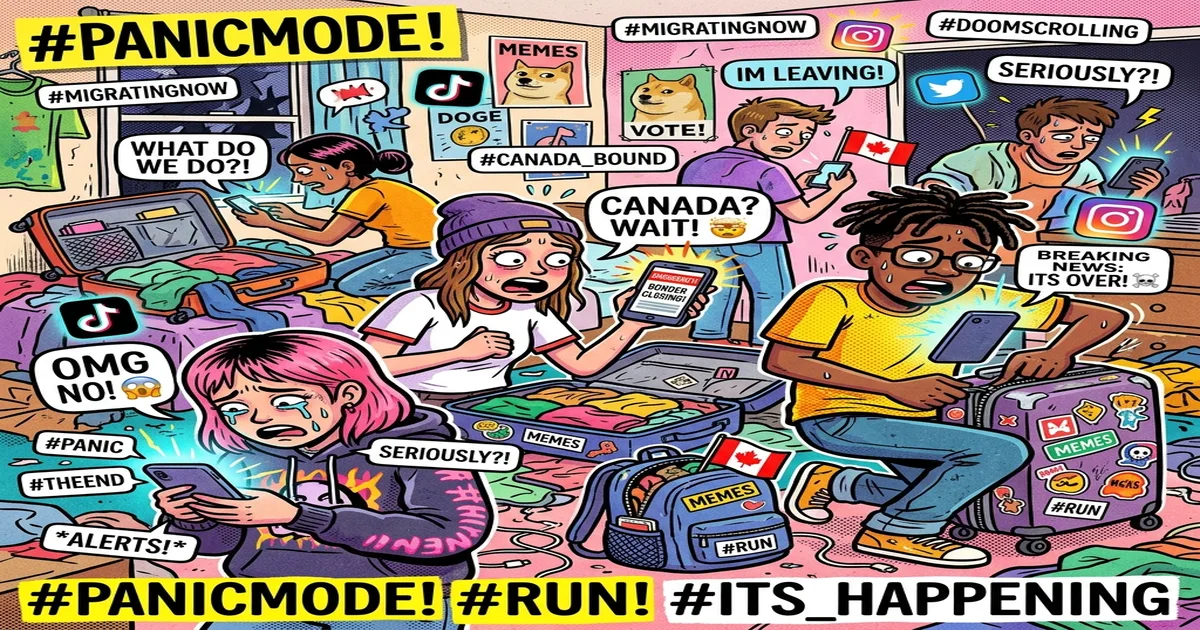
Welcome to the first war that is simultaneously an armed conflict and a meme championship. A war where governments produce propaganda with video game aesthetics, where Iran responds with Lego animations, and where Generation Z processes the existential terror of a possible Third World War through dark humor in 280 characters. This is the insane state of information in 2026 — and it deserves to be documented, analyzed, and yes, lightly satirized.
The Context of the Joke: A Not-So-Funny War
Before diving into the memes, a sober summary of what’s at stake: since February 28, 2026, the US and Israel have been conducting coordinated attacks against Iran. Supreme Leader Ali Khamenei has been killed. Over 40 high-ranking officials have been eliminated. The Strait of Hormuz is partially blocked. Oil has surpassed $105 a barrel. UN peacekeepers have been killed in Lebanon. An American pilot was dramatically rescued behind enemy lines in Iran.
This is the reality. And the internet decided that the best way to deal with all this is... to create memes. Lots of memes.
The Best War Memes (And What Each Reveals)
Meme 1: "POV: You Get the Breaking News Notification at 3 AM"
The format is simple: a person lying in bed looking at their phone with red eyes from not sleeping for days, followed by the phone screen showing notification after notification — "Trump threatens Iran," "Hormuz blocked," "Oil skyrockets," "Pope calls for peace," "Drone intercepted." The caption: "Wasn't it supposed to be just another Sunday?"
What it reveals: The informational fatigue of a generation that wakes up every day to a new crisis. The humor is pure defense mechanism — transforming existential anxiety into something shareable and therefore bearable. Psychologists call this phenomenon "coping humor," and studies from Stanford University published in 2024 confirmed that creating or sharing memes about stressful events effectively reduces cortisol levels by up to 15%.
Meme 2: "Tutorial: How to Dig a Bunker in Your Backyard — Easy Level"
A satirical video in the format of a "DIY TikTok tutorial" showing a person digging a hole in the backyard with a garden shovel, putting an inflatable mattress inside, and stocking it with soda bottles and instant noodle packs. The "host" speaks with an influencer's excited voice: "And here’s the nuclear survival bunker for under R$ 50! Don’t forget to like and subscribe for the video on how to filter radiation with a kitchen strainer!"
What it reveals: The perception that the civilian population has absolutely no control over the collective fate. When you can’t do anything about ballistic missiles and maritime blockades, absurdity becomes the logical response to helplessness. It’s also a veiled critique of influencer culture that turns anything into "content" — even the apocalypse.
Meme 3: "Call of Duty vs. Reality — Spot the Difference"
Images of official US military propaganda (with cinematic aesthetics of drone-filmed airstrikes) placed side by side with screenshots from the video game Call of Duty. The caption: "One is a $70 game and the other is government propaganda. Which is which?" The meme circulated massively after critics pointed out that the White House used real attack videos mixed with pop culture aesthetics (references to Top Gun, epic soundtracks) to generate domestic support for the military operation.
What it reveals: The "disturbing gamification" of war, where real violent events are repackaged in entertainment aesthetics. The journalist from the Inquirer who coined the term "troubling gamification" argues that this approach normalizes violence by making it visually indistinguishable from fiction, preventing the public from processing the real consequences of the attacks.
Meme 4: "UN Emergency Meeting — Meme Version"
A montage in the "boardroom suggestion" format (the classic boardroom meeting meme): in the first scene, diplomats suggesting "Impose sanctions!", "Issue a note of condemnation!", and "Call a special session!". In the last scene, the diplomat suggesting "Why don’t we... stop the war?" is thrown out the window. The caption: "The UN for 80 years."
What it reveals: The deep cynicism of Generation Z and millennials towards the effectiveness of multilateral institutions. After decades of "notes of deep concern" that didn’t prevent genocides (Rwanda, Syria, Myanmar) or wars (Ukraine), the public has turned the UN into a permanent joke. The meme is cruel, but the question is legitimate: what are resolutions for if no one follows them?
Meme 5: "Iran Made a Lego Meme"
Perhaps the most bizarre phenomenon of the "memetic war": Iran itself (through regime-affiliated accounts) produced Lego-style animations showing American and Israeli leaders in ridiculous situations — Trump as a Lego figure being chased by drones, Netanyahu tripping over missiles. The videos, ironic and absurd, went viral globally.
What it reveals: That government propaganda in 2026 abandoned pamphlets and adopted the meme format. Iran understood that it cannot compete militarily, but it can compete narratively. A Lego video shared 10 million times generates more international sympathy than a diplomatic statement read by 500 people. It’s the democratization (or degradation) of war propaganda.
Why Did This Go Viral?
The "memetic war" of 2026 went viral for three converging reasons identified by digital communication experts:
1. Speed of the news cycle. Every hour a new development emerges — drone shot down, missile intercepted, soldier rescued, ultimatum issued. The human brain was not designed to process this density of information. The meme condenses a complex situation into an image+text consumable in 3 seconds, allowing the brain to "archive" the information without cognitive collapse.
2. Collective helplessness. No one scrolling on their phone can stop a war. The meme returns a micro sense of agency: "I can’t stop the bombing, but I can make 50,000 people laugh at the absurdity of the situation." It’s symbolic participation in an event over which one has zero real control.
3. AI as a content factory. For the first time in a global-scale conflict, artificial intelligence is being massively used by both sides to generate images, texts, and propaganda videos. Deepfakes of political leaders saying things they never said, AI-generated images of destroyed cities that don’t exist — and memes, lots of memes, produced by bots trained to maximize engagement. Separating human content from synthetic content has become practically impossible.
What Does This Say About Us?
Philosopher Guy Debord wrote in 1967, 'The Society of the Spectacle' — the thesis that modern life has become an accumulation of spectacles, where the representation of things has replaced the experience of things. In 2026, we are living the most disturbing confirmation of this thesis: war as a shareable spectacle, where the real suffering of millions is processed, compressed, and redistributed as 15 seconds of entertainment.
This doesn’t mean that creating memes about war is wrong — it’s probably an inevitable psychological response and, in many cases, a healthy one. Dark humor is as old as war; soldiers in the trenches of World War I made macabre jokes to survive mentally. The difference in 2026 is that this humor is amplified by algorithms, weaponized by governments, and consumed by billions.
The real risk is not the humor itself — it’s when the meme replaces reflection. When we laugh at "WW3 memes" and keep scrolling without stopping to ask: who is dying while I laugh? Who profits from my engagement? And who designed this meme to make me laugh instead of think?
The generation that turns wars into memes is not insensitive. It is overwhelmed. And insensitivity is the price we pay when the world demands that we process more tragedies than any human brain was evolutionarily designed to handle.
FAQ - Frequently Asked Questions
Do governments really use memes as war propaganda?
Yes, in a documented and deliberate way. Since the beginning of the US-Iran conflict in 2026, both sides have used stylized content for social media as a propaganda tool. The White House has published videos of airstrikes with cinematic aesthetics and references to entertainment franchises like Top Gun. Iran responded with globally viral Lego animations showing Western leaders in ridiculous situations. According to the Inquirer and YouTube analyses on digital warfare, this "gamification of war" is a conscious strategy to shape public perception.
Is making memes about war a lack of sensitivity?
Contemporary psychology distinguishes between "hostile humor" (which dehumanizes victims) and "coping humor" (which helps individuals process traumatic situations). Most memes about the 2026 conflict fall into the second category — they are expressions of anxiety, helplessness, and informational overload, not insensitivity. Studies from Stanford University (2024) demonstrated that creating and sharing memes about stressful events reduces cortisol levels by up to 15%. However, when memes normalize violence or dehumanize civilians on either side, they cross the line from insensitivity to active propaganda.
How can I tell if a meme is propaganda or genuine humor?
In 2026, the distinction is practically impossible for the average content consumer. Indicators of propaganda include: professional visual production on "anonymous" accounts, a consistent narrative that explicitly benefits one side, mass distribution by coordinated networks of accounts, and the use of AI to generate realistic images or videos. Experts in digital security recommend treating all viral content about conflicts with skepticism — not sharing without verification, seeking primary sources, and remembering that behind every meme there may be an influence operation.
Is the use of AI in war memes new?
The scale is unprecedented. Previous conflicts (Ukraine 2022-present, Gaza 2023-2024) already had limited use of deepfakes and AI-generated images. However, the 2026 conflict marks the first time AI is being massively used by both sides to generate real-time propaganda content — including fake images of destroyed cities, deepfakes of leaders saying fabricated phrases, and memes produced by bots trained to maximize emotional engagement. The speed of production exceeds human verification capacity, creating an environment where fiction and reality are indistinguishable.
Is there censorship of memes about the war?
Platforms like X (Twitter), TikTok, and Instagram apply variable and often inconsistent policies. Content showing real graphic violence is generally removed. However, satirical memes, stylized animations, and propaganda disguised as humor often remain — especially when they generate high engagement, which benefits the platforms' business model. Governments also use their own platforms (like Truth Social in the US and official Telegram channels in Iran) where no external moderation is applied.
The Involuntary Glossary of the Memetic War of 2026
The speed at which new terms emerged to describe the phenomenon of the memetic war in 2026 is, in itself, a cultural milestone. Linguists and digital communication researchers have compiled an emerging vocabulary that captures the fusion between armed conflict and internet culture that defines our historical moment.
War doomscrolling. The compulsive act of consuming negative news about the conflict in an endless loop on a phone, unable to stop despite rising anxiety. In March 2026, Apple’s Screen Time app recorded a 340 percent increase in average time spent on news apps among American users under 30. Doomscrolling is the functional opposite of the meme — it’s the passive consumption that the meme tries to interrupt with a pause for humor.
Milimeme. A contraction of "military meme" — memes produced or sponsored by state military apparatuses. The innovation of 2026 is that milimemes do not look like propaganda: they are aesthetically indistinguishable from organic memes, using the same templates, the same formats, and often are funnier than the originals — because they are produced by professional communication teams with unlimited budgets and access to real intelligence material.
Lobomeme. A Brazilian neologism for memes that deliberately mix misinformation with humor, creating false memories in those who consume them. The term emerged on X (Twitter Brazil) in March 2026 when a montage satirizing the Hormuz blockade included a false statistic ("93 percent of the world’s oil passes through Hormuz") that was cited on television programs as if it were factual. The real figure is approximately 20 percent.
Updated couch warrior. The evolution of the old "keyboard warrior" — now includes the ability to create and distribute high-quality audiovisual content using free AI tools. A teenager with a laptop and Claude or ChatGPT can produce in 20 minutes a propaganda video more sophisticated than entire psychological warfare departments produced during the Cold War.
Meme fatigue. The point at which excessive consumption of memes about a traumatic event ceases to be cathartic and becomes anesthetizing. Researchers at the University of Michigan identified this threshold at approximately 72 hours of exposure — after 3 days of memes on the same topic, the emotional engagement of the consumer drops dramatically, even if the topic remains relevant. It’s the moment when humor loses its therapeutic function and becomes noise.
The future of war memes
If the US-Iran war ended tomorrow — which, on April 5, 2026, does not seem likely — the memes would not disappear. They would be recontextualized, archived, and eventually studied by cultural historians as artifacts of an era when humanity discovered it could simultaneously destroy civilizations with hypersonic missiles and process that destruction with images of cats. The contradiction is not a bug in the system — it is the system itself. And we are both the programmers and the programmed.
Sources and References
- Inquirer — Gamification of War in 2026
- YouTube — Digital Warfare Analysis
- Jerusalem Post — Iranian AI Propaganda
- Tribune Pakistan — WW3 Memes Analysis
- Stanford University — Coping Humor Study 2024
- Guy Debord — The Society of the Spectacle (1967)