This philosophy culminated in the introduction of the Cybercab, a purpose-built two-passenger robotaxi featuring butterfly doors and no manual steering controls. Designed without steering wheels, foot pedals, or rear windows, the Cybercab is built to deliver low-cost autonomous transportation at rates lower than municipal transit. The vehicle eliminates manual charging ports entirely, relying on resonant inductive wireless charging pads embedded in roadway infrastructure.
The navigation system of the Cybercab relies completely on Tesla's vision-based end-to-end neural network architecture. By processing live video feeds from external cameras through onboard artificial intelligence supercomputers, the vehicle navigates without pre-mapped LiDAR data. Tesla's primary engineering thesis asserts that eliminating human driving errors will resolve urban surface congestion far more reliably than three-dimensional flight.
Despite his skepticism toward traditional flying cars, Musk introduced an unexpected aerospace-derived option for the next-generation Tesla Roadster. The vehicle offers an available "SpaceX Package," which replaces the rear passenger seating with ultra-high-pressure composite overwrapped pressure vessels (COPV). These tanks store compressed cold gas to power ten miniature reaction thrusters integrated seamlessly around the exterior bodywork.
This pneumatic thruster system works in concert with the vehicle's tri-motor electric all-wheel-drive powertrain. The cold gas jets provide instantaneous thrust vectors during aggressive maneuvers, propelling the hypercar from zero to sixty miles per hour in less than one second. The thrusters also deliver dynamic lateral stability against crosswinds and rapid track braking assistance.
In public commentary, Musk suggested that the thruster package would allow the Roadster to perform controlled short hops and hover momentarily above the asphalt. While not a conventional aircraft designed for intercity travel, the system introduces rocket propulsion concepts to passenger car engineering. This intersection demonstrates how aerospace technology continues to reshape hypercar design and dynamic performance boundaries.
The following comparative table details the engineering specifications, propulsion types, and regulatory clearances of the leading mobility platforms:
| Model / Manufacturer |
Vehicle Classification |
Propulsion Architecture |
Range (Flight / Ground) |
Max Air Speed |
Target Price (USD) |
Regulatory Certification Status |
| Alef Model A (Alef Aeronautics) |
Street-legal roadable eVTOL car |
8 enclosed rotors + 4 in-wheel hub motors |
110 mi (air) / 200 mi (ground) |
110 mph |
~$299,999 |
FAA Special Airworthiness Certificate; active testing |
| Land Aircraft Carrier (XPeng AeroHT) |
Modular 6x6 mothership + eVTOL aircraft |
6 coaxial electric rotors + 6x6 hybrid generator |
~35 min flight / >620 mi total convoy range |
81 mph |
~$280,000 |
Mass factory under construction; Middle East testing |
| Tesla Cybercab (Tesla) |
Autonomous purpose-built ground robotaxi |
Electric powertrain with wireless inductive pad |
>300 mi (4680 battery pack) |
100 mph (ground) |
<$30,000 (target) |
FSD Unsupervised testing; pending federal DOT/NHTSA rules |
| Tesla Roadster SpaceX (Tesla / SpaceX) |
Thruster-assisted electric hypercar |
Tri-motor EV + 10 cold-gas reaction thrusters (COPV) |
~620 mi (200 kWh battery pack) |
>250 mph (ground) |
~$250,000 |
Prototype in development; road homologation pending |
| Joby S4 (Joby Aviation) |
Commercial passenger air taxi aircraft |
6 tilting low-noise electric rotors |
~150 mi (flight only) |
200 mph |
Commercial fleet model (passenger air taxi) |
FAA Stage 4 Type Certification progression |
These competing engineering approaches reflect distinct structural philosophies for resolving urban transit bottlenecks. Alef prioritizes seamless driveway-to-air transition for private owners. XPeng emphasizes modular recreation and regional transport, while Tesla focuses on lowering transportation costs per passenger mile on existing asphalt roads.
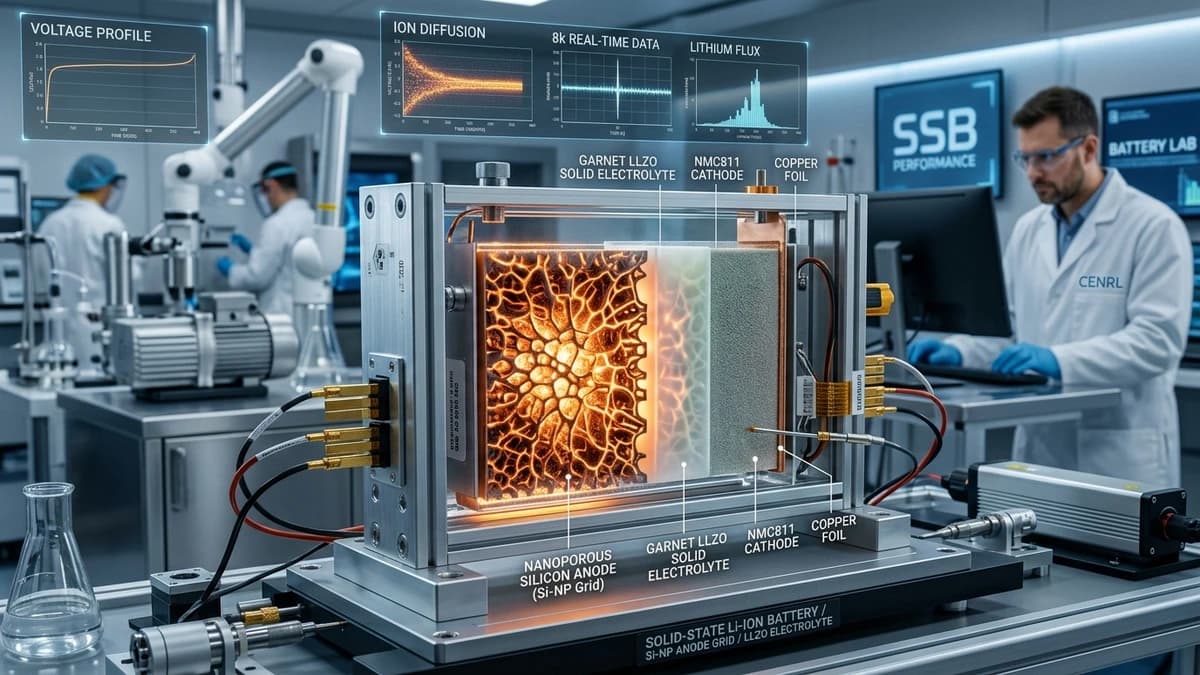
The commercial realization of urban aerial mobility faces fundamental physical constraints that software cannot instantly solve. The primary bottleneck remains battery energy density. While conventional passenger electric cars operate efficiently on battery packs delivering 250 to 270 watt-hours per kilogram, vertical lift requires massive bursts of power that demand solid-state cells exceeding 400 watt-hours per kilogram to maintain safe diversion reserves.
The second engineering challenge centers on urban acoustic signatures. Traditional helicopters generate intense noise levels ranging from 90 to 100 decibels, making routine neighborhood operations unacceptable to local communities. Modern eVTOL platforms mitigate this by using multiple smaller rotors rotating at sub-sonic tip speeds, reducing noise emissions to below 65 decibels at three hundred feet of altitude.
Finally, low-altitude airspace management requires automated artificial intelligence control systems. Operating hundreds of passenger aircraft at altitudes between three hundred and one thousand feet would instantly overwhelm human air traffic controllers. Civil aviation regulators are developing automated Unmanned Traffic Management (UTM) networks that rely on satellite communication and algorithmic conflict resolution to maintain dynamic aircraft separation.
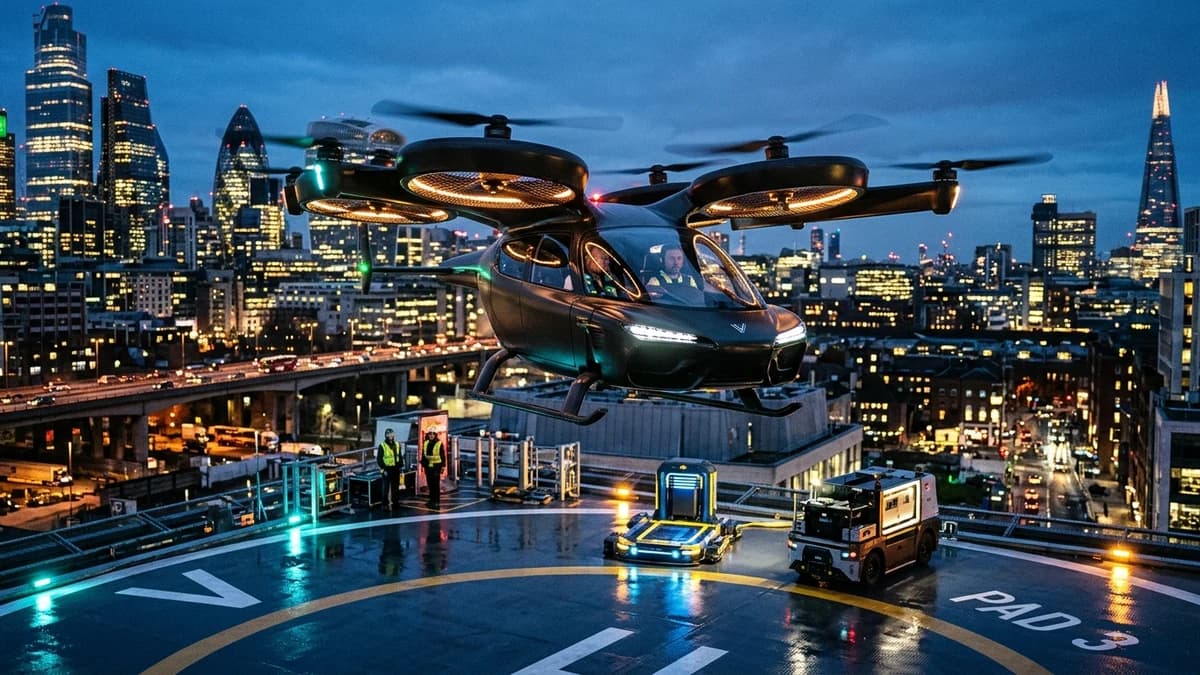
The projected rollout of urban aerial mobility indicates that the market will mature through distinct regulatory phases over the coming years. Aviation industry analysts expect certified commercial air taxi operators to launch passenger flights between established vertiports before individual consumer ownership becomes widespread. This structured deployment enables centralized fleet maintenance and professional pilot supervision.
The eventual transition to private consumer vehicles like the Alef Model A will require updated pilot licensing categories issued by transportation regulators. Simplified computer-assisted flight control interfaces will manage complex aerodynamic adjustments, allowing operators to navigate via touchscreen waypoints. In the event of catastrophic mechanical failure, all emerging passenger platforms integrate ballistic airframe parachutes to safely return the entire vehicle to earth.
The simultaneous maturation of Tesla's autonomous road vehicles and electric vertical takeoff aircraft will produce a multi-tiered urban transportation ecosystem. Autonomous ground robotaxis will handle dense, low-cost short-distance travel through city streets. Simultaneously, personal and commercial eVTOL vehicles will manage rapid intercity travel and medical transit, transforming how humanity navigates urban geography.
For continuous updates on flight clearances, regulatory milestones, and vehicle engineering developments, refer to official agency sources: