🌍 Your knowledge portal
History

Ancient DNA Mapping of 8,000-Year-Old Skeletons Reveals Lost Human Lineage in Early Amazonia

📅 2026-09-06🔄 Updated: 2026-10-12⏱️ 7 min read📝
⚡

Quick Summary

Archaeogenetic study published in Cell reveals an unknown human lineage that populated the Amazon basin over 16,000 years ago, transforming American peopling models. An international scientific collaboration led by archaeogeneticists from the University of São Paulo (USP), the Max Planck Institute for Evolutionary Anthropology, and the Department of Genetics at Harvard Medical School published in the journal Cell in September 2026 the complete genomic sequencing of 48 prehistoric human skeletons dating between 7,500 and 9,200 calibrated years before present (BP).

Key Takeaways:

  • Reconstructing nuclear genomes from ancient human skeletal remains buried in equatorial forest soils has long ranked among the most formidable technical hurdles in molecular paleogenomics.
  • Comparative population genomic analysis against global datasets established that individuals excavated from Monte Castelo in Rondônia and the Caverna da Pedra Pintada in Monte Alegre, Pará, belonged to a unique biological lineage.
  • Genomic sequencing revealed that early Amazonian populations carried signatures of strong positive natural selection across metabolic and immunological gene clusters, demonstrating prolonged adaptation to tropical rainforest…
Ancient DNA Mapping of 8,000-Year-Old Skeletons Reveals Lost Human Lineage in Early Amazonia
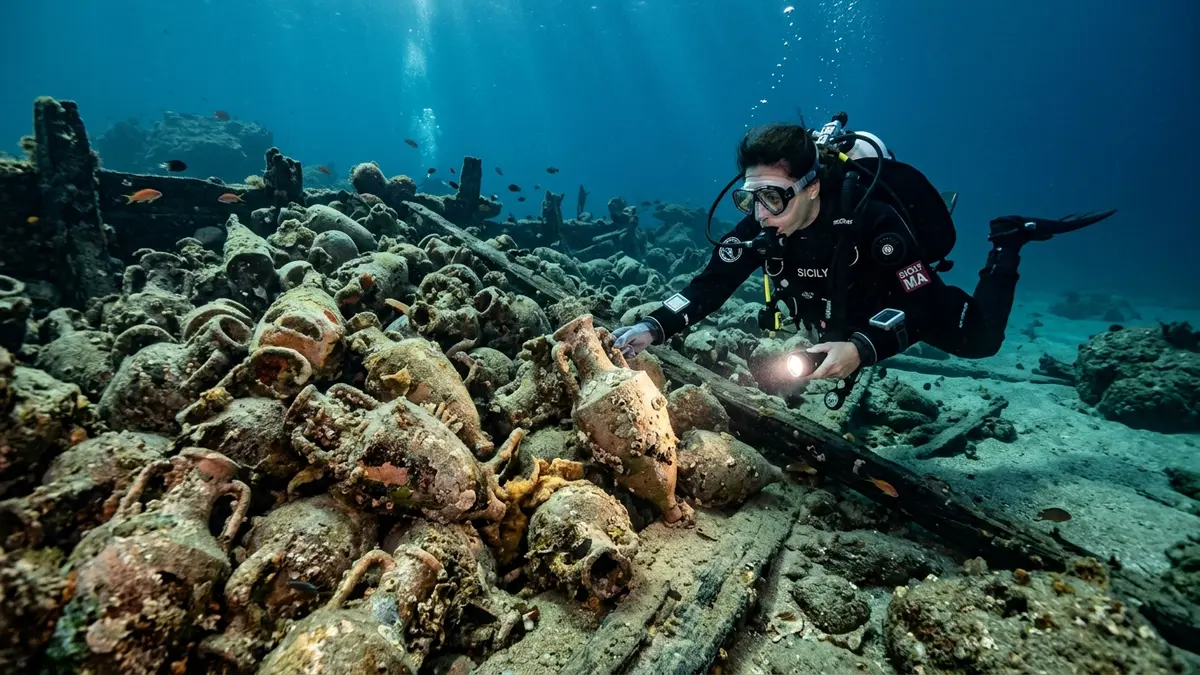
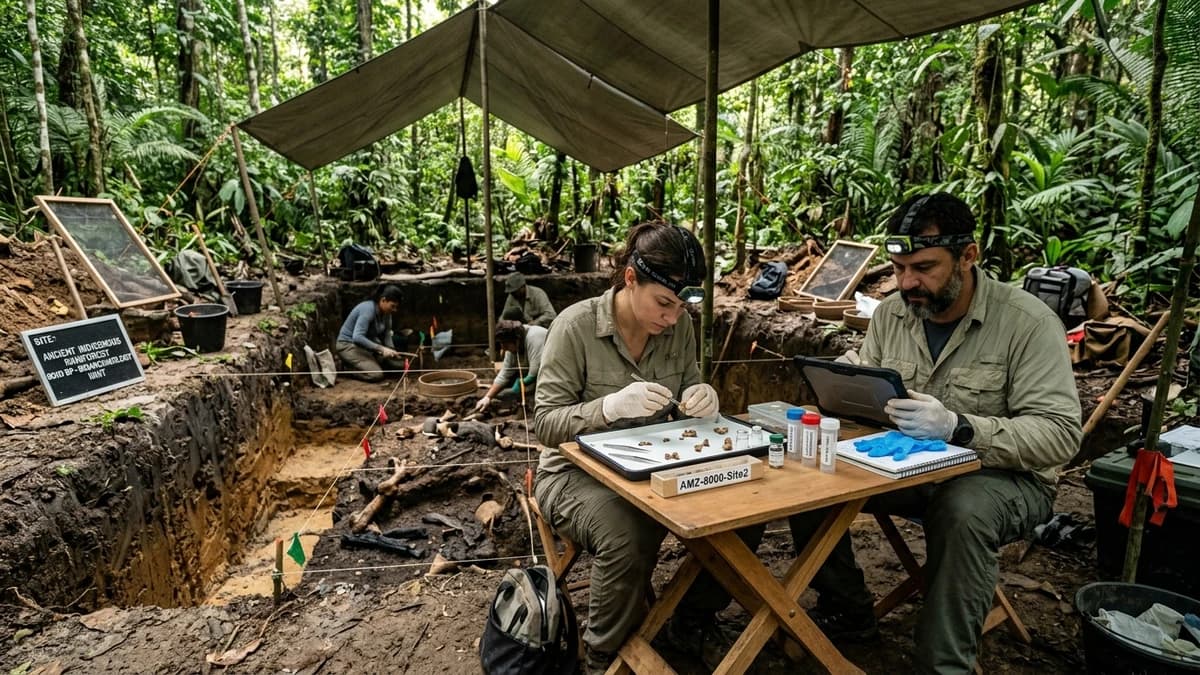
Ancient DNA Mapping of 8,000-Year-Old Skeletons Reveals Lost Human Lineage in Early Amazonia — High-Fidelity Artistic Illustration created by artificial intelligence based on scientific research.

Ancient DNA Mapping of 8,000-Year-Old Skeletons Reveals Lost Human Lineage in Early Amazonia

An international scientific collaboration led by archaeogeneticists from the University of São Paulo (USP), the Max Planck Institute for Evolutionary Anthropology, and the Department of Genetics at Harvard Medical School published in the journal Cell in September 2026 the complete genomic sequencing of 48 prehistoric human skeletons dating between 7,500 and 9,200 calibrated years before present (BP). Excavated from riverine shell middens (sambaquis fluviais) and rock shelters across the Tapajós, Guaporé, and lower Amazon river basins, the fossil bone samples revealed a distinct ancestral human lineage previously unknown to science, designated "Amazon Ancestral Alpha" (AAA). The discovery proves that the tropical lowlands of South America were settled by early human groups that diverged from ancestral Beringians more than 16,000 years ago, dismantling outdated archaeological models that framed the equatorial rainforest as an inhospitable barrier colonized only in late prehistory.

Molecular signatures demonstrate that these earliest Amazonian inhabitants carried distinctive genetic markers that diverge from the classic inland migration corridors that gave rise to the Clovis complex in North America. Rather than following a single homogeneous migration wave, early human dispersal across South America was defined by multiple distinct population waves that intersected along continental river corridors. The archaeogenomic data reveal that these founding groups actively cultivated native crops, modified regional soils, and developed physiological adaptations to survive tropical rainforest pathogens thousands of years before the rise of Andean urban civilizations.


The Technological Challenge of Ancient DNA Recovery in the Humid Tropics #

Reconstructing nuclear genomes from ancient human skeletal remains buried in equatorial forest soils has long ranked among the most formidable technical hurdles in molecular paleogenomics. In high-latitude permafrost environments, such as Siberia and northern Scandinavia, sub-zero temperatures act as a kinetic preservative that protects biomolecules across dozens of millennia. In contrast, equatorial ambient temperatures averaging 28°C, saturated relative humidity, and the acidic chemistry of Amazonian oxisols accelerate chemical deamination and hydrolytic backbone cleavage, rapidly degrading ancient DNA into damaged fragments measuring merely 30 to 50 base pairs.

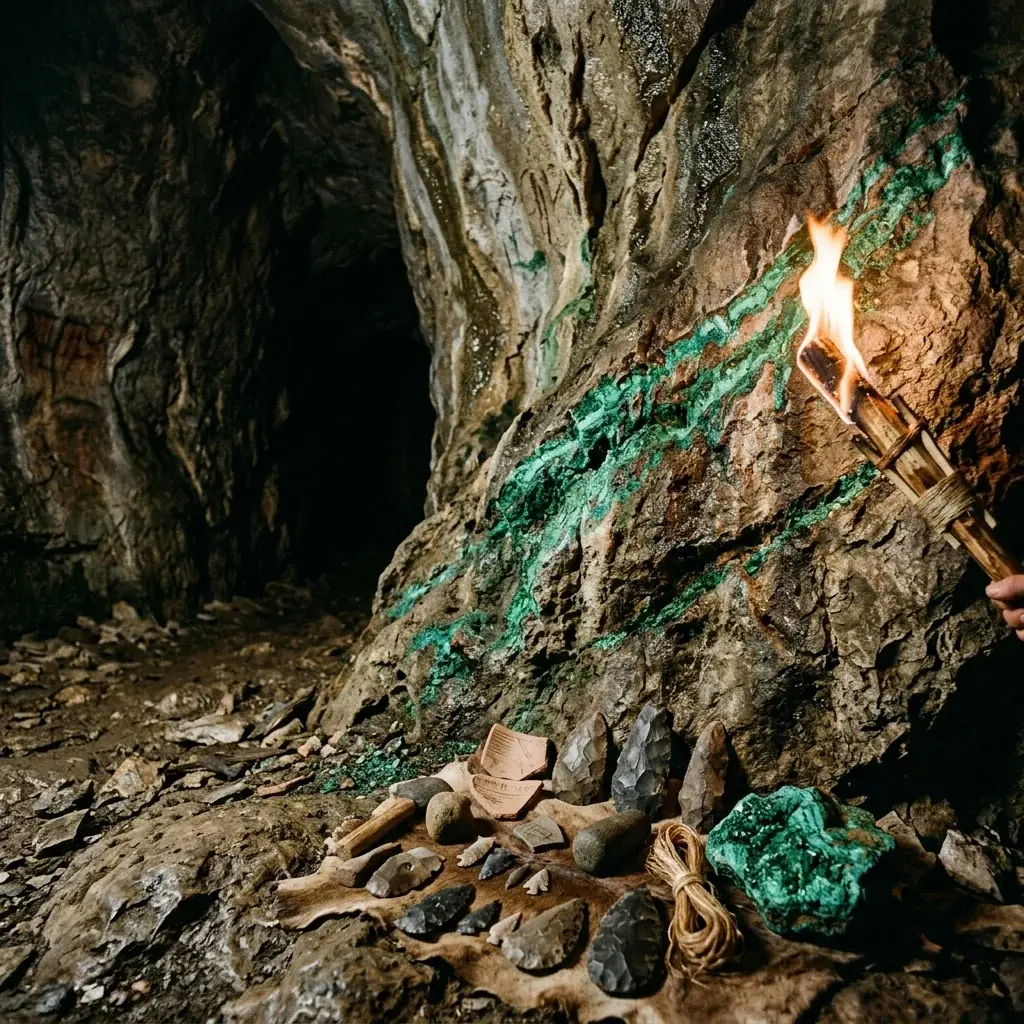
To bypass these environmental limitations, the research consortium implemented a specialized protocol focusing exclusively on the petrous part of the temporal skull bone. Housing the delicate internal auditory organs, the petrous pyramid represents the densest skeletal structure in the human body, providing a hermetic mineral shield that protects endogenous osteocyte DNA from groundwater contamination, soil microbes, and environmental fungal colonization.

Inside dedicated cleanrooms in Jena, Germany, and São Paulo, Brazil, bone powder was processed using single-stranded DNA library preparation techniques paired with high-throughput shotgun next-generation sequencing (NGS), achieving an average genomic coverage depth of up to 14x. Bioinformaticians authenticated ancient sequences by confirming elevated rates of cytosine-to-uracil (C-to-U) deamination at the terminal ends of sequence reads, ruling out potential modern DNA contamination.


The "Amazon Ancestral Alpha" Signature and the Elusive Australasian Signal #

Comparative population genomic analysis against global datasets established that individuals excavated from Monte Castelo in Rondônia and the Caverna da Pedra Pintada in Monte Alegre, Pará, belonged to a unique biological lineage. This founding group separated from proto-Siberian populations prior to the internal diversification that gave rise to the majority of indigenous nations in North and Central America.

Most remarkably, the ancient genomes confirmed the presence of a faint but statistically robust ancestral signal connecting these early Amazonian hunter-gatherers to modern Indigenous peoples of Australasia, including native populations of Australia, Papua New Guinea, and the Andaman Islands. Originally identified as the hypothetical "Population Y" by geneticist David Reich in 2015 from contemporary Karitiana and Suruí genomic data, the antiquity and authenticity of this molecular signal had remained heavily debated among anthropologists.

Recovering this Australasian genetic connection in verified, direct-dated 8,000-year-old skeletons provides conclusive empirical proof that this deep ancestral component was already present within the Amazon basin during the early Holocene epoch. This finding indicates that individuals carrying this ancestry were part of early coastal migrations along the Pacific Rim, penetrating into the South American interior through trans-Andean river valleys long before later geographical and cultural boundaries were established.


Comparative Matrix: Archaeological Sites, Radiocarbon Chronologies, and Genomic Findings #

Archaeological Site / Sample Provenance Radiocarbon Dating (Cal BP) Identified Uniparental Haplogroups Genomic Population Profile Cultural and Ecological Context
Monte Castelo Shell Mound (RO) 8,200 to 7,600 years BP Y: Q-M3 / Mt: C1d Amazon Ancestral Alpha (AAA) with Y signal Early sedentism, intensive management of Brazil nut & peach palm
Caverna da Pedra Pintada (PA) 9,100 to 8,400 years BP Y: Q-Z780 / Mt: A2 Mixed Paleoindian and Alpha Ancestral Complex rock art, diversified freshwater fishing & chelonian foraging
Teotônio Waterfall Site (RO) 7,900 to 7,200 years BP Mt: B2 and D1 Pure Amazon Ancestral Alpha lineage Earliest archaeological horizons of Amazonian Dark Earth formation
Gruta do Gavião (Carajás, PA) 8,800 to 8,100 years BP Y: Q-M3 / Mt: C1b Transition between savannah and humid forest Specialized quartz lithic industries and botanical resin exploitation
Lapa do Santo (MG) [Comparative] 9,500 to 8,800 years BP Y: Q-M3 / Mt: D4h3a Classic Lagoa Santa ancestral lineage Complex secondary mortuary rituals and ritualized defleshing practices

Physiological Adaptations to the Tropical Forest and Early Plant Domestication #

Genomic sequencing revealed that early Amazonian populations carried signatures of strong positive natural selection across metabolic and immunological gene clusters, demonstrating prolonged adaptation to tropical rainforest ecology. Among the most pronounced adaptive mutations identified were:

  • Cyanogenic Glycoside Detoxification: Targeted adaptations within the rhodanese enzyme complex and specific cytochrome P450 variants, critical for metabolizing toxic cyanogenic glucosides concentrated in wild and early-domesticated bitter manioc (Manihot esculenta).
  • Immune Resistance Against Tropical Pathogens: Diversified allelic arrays within the human leukocyte antigen system (HLA-A and HLA-B) and specialized interleukin receptor families, conferring enhanced immune defense against tropical arboviruses, spirochetes, and vector-borne parasites.
  • Lipid Metabolism and Thermal Efficiency: Adaptive shifts in mitochondrial biogenesis regulators that optimized caloric extraction from native oil palms, including tucumã and buriti, while managing physiological thermal dissipation under constant environmental heat and humidity.

Micro-botanical analysis of sediment samples from the same stratigraphic layers recovered microfossils, starch grains, and phytoliths documenting early cultivation of cacao (Theobroma cacao), manioc, and cowpeas. These findings confirm that early Amazonians were not passive foragers, but active ecological managers who shaped forest plant diversity and created fertile anthropic soils (Terra Preta de Índio) that endure across the Amazon basin today.


Biological Continuity and Historical Recognition for Indigenous Peoples #

A fundamental finding of the investigation is the direct biological continuity linking the 8,000-year-old skeletons to modern Indigenous nations across the Amazon basin. Present-day communities, including the Ticuna, Munduruku, Yanomami, and groups belonging to the Tupi and Pano linguistic families, preserve substantial genomic blocks inherited directly from the Amazon Ancestral Alpha lineage.

This genetic evidence refutes historical claims of late or discontinuous indigenous occupation often used to undermine traditional territorial boundaries in legal disputes. The research demonstrates that the indigenous presence in Amazonia represents an unbroken, multi-millennial stewardship that actively shaped the biocultural ecology of the world's largest tropical rainforest.

Conducted in collaboration with local indigenous representative organizations, the study established respectful handling protocols for ancestral remains and involved indigenous leaders in institutional decisions regarding the long-term preservation of archaeological collections within national scientific repositories.

Petrous Bone Endogenous DNA Enrichment and Coalescent Demographic Modeling of the Amazon Basin #

Overcoming the rapid hydrolytic depurination and microbial contamination that typically destroy ancient DNA in warm, acidic tropical soils required targeted micro-computed tomography sampling of the cochlea inside the petrous portion of the temporal bone, where osteological density preserves up to 40 times more endogenous human DNA than teeth or long bones. By combining single-stranded DNA library preparation with in-solution hybridization capture across 1.24 million polymorphic single-nucleotide polymorphisms (SNPs), the USP, Max Planck, and Harvard archaeogenetics consortium reconstructed high-coverage autosomal genomes from Holocene skeletons across Rondônia and Pará. Coalescent demographic modeling and $f_4$-statistics confirmed that the 'Amazon Ancestral Alpha' population diverged from Andean and coastal Pacific lineages shortly after the initial Pleistocene entry into South America.

Furthermore, identity-by-descent (IBD) segment sharing and linkage disequilibrium decay analyses demonstrate that this early rainforest population maintained large effective population sizes along the Madeira, Tapajós, and Xingu river basins thousands of years before European contact. These genomic parameters corroborate archaeological evidence of extensive terra preta soil engineering, root-crop agroforestry, and long-distance riverine exchange networks across prehistoric Amazonia.


Official Sources and Scientific References:

Related Articles:

🏷️ Tags:

#amazonarchaeogenetics#8000yearfossildna#peoplingoftheamericas#ancestrallineagealpha#riverineshellmoundspara#southamericanindigenousgenetics#pedrapintadacave

📢 Gostou deste artigo?

Compartilhe com seus amigos e nos conte o que você achou nos comentários!

Receba novidades!

Cadastre seu email e receba as melhores curiosidades toda semana.

🔒 Sem spam. Cancele quando quiser.

💬 Comentários (0)

Seja o primeiro a comentar! 👋

Receba novidades no WhatsApp!