
Lebanon 2026: The Humanitarian Tragedy the World Is Ignoring
On March 14, 2026, the Lebanese government confirmed what the entire humanitarian community feared: the number of deaths from Israeli strikes against Hezbollah in Lebanon since early March surpassed 820 people — of which approximately 20% are children. The numbers are devastating, but tell only part of the story: 816,700 people — about 14% of the country's population — have been displaced from their homes. Schools were converted into improvised shelters. Hospitals operate without basic medications. The economy, which had already been in collapse since 2019, has literally stopped. Lebanon, which survived a 15-year civil war (1975-1990), the Beirut port explosion in 2020, and the worst economic crisis in its modern history, now faces its most devastating storm — and the world is, largely, looking the other way.
The Numbers: A Catastrophe in Real Time
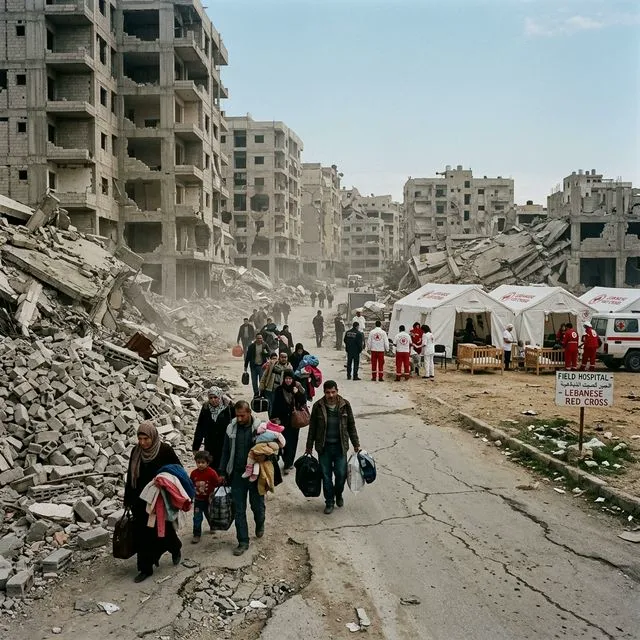
Victims and Displaced
| Indicator | Number | Context |
|---|---|---|
| Deaths (total) | 820+ | Since March 1, 2026 |
| Children killed | ~103 | 20% of total |
| Women killed | ~170 | 21% of total |
| Wounded | 1,586+ | Many with permanent severe injuries |
| Internally displaced | 816,700 | 14% of population |
| Children displaced | 200,000+ | Without access to education |
| Villages under evacuation order | Hundreds | Covering 1,470 km² (14% of territory) |
What's Happening: The Escalation
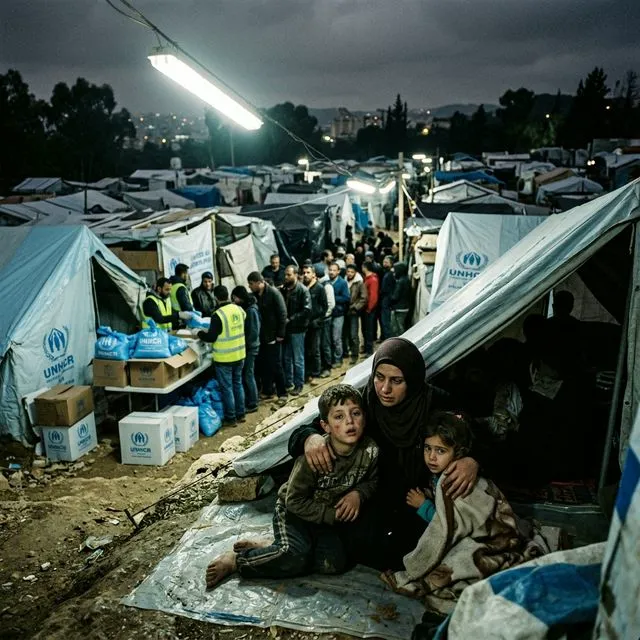
Crisis Chronology
- March 1: Israel intensifies airstrikes against Hezbollah positions in southern Lebanon and Beirut's southern suburbs. At least 40 dead and 246 wounded in the first 48 hours
- March 4: Israeli strikes kill 72 people in a single day — the deadliest since the escalation began
- March 6: Over 100,000 internally displaced. Public schools converted to shelters
- March 12: UN reports 816,700 displaced. Emergency humanitarian appeal of $308 million launched
- March 14: Death toll surpasses 820. WHO releases $2 million for health response
Most Affected Areas
- Southern Lebanon: The border region with Israel, historically controlled by Hezbollah
- Beirut's Southern Suburbs (Dahiyeh): Hezbollah's urban stronghold — a densely populated area home to hundreds of thousands of civilians
- Bekaa Valley: On the eastern border with Syria
The Humanitarian Catastrophe
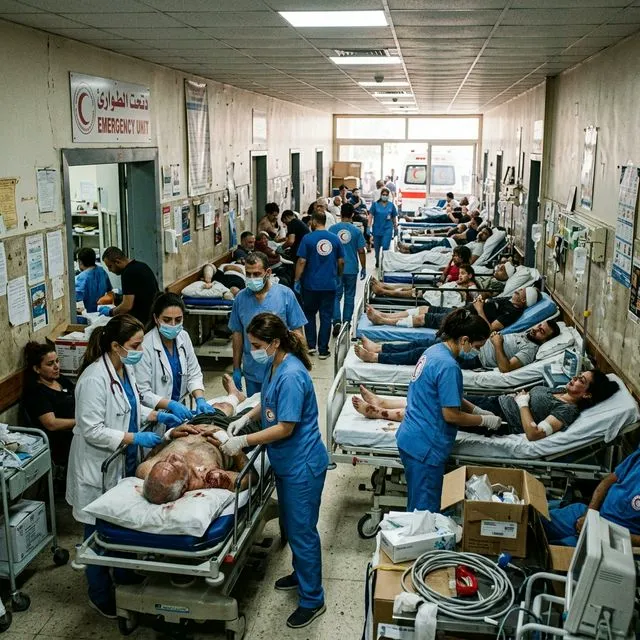
Health: Hospitals Without Resources
- Hospitals in southern Lebanon have been evacuated or operate with minimal staff
- Essential medications (antibiotics, anesthetics, insulin) are in acute shortage
- Displaced pregnant women lack access to prenatal or obstetric care
- Mental health: UNFPA psychologists report "epidemic levels" of PTSD, especially among children
Improvised Shelters: Life in 4 m²
- Overcrowding: Families of 5-8 people share classrooms designed for 25 students
- Sanitation: Insufficient bathrooms — in many shelters, the ratio is 1 bathroom per 50 people
- Gender-based violence: Humanitarian organizations warn of elevated risk in overcrowded environments
- Children without education: 200,000+ displaced children have lost access to school
Economy: A Country That Was Already Broken
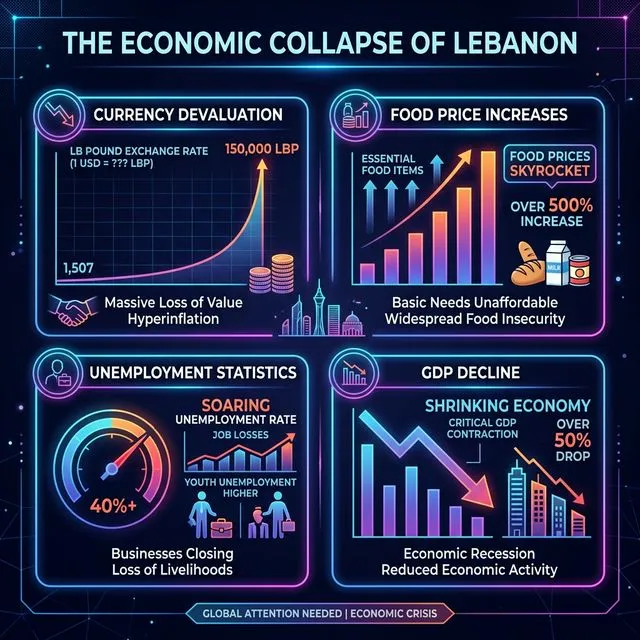
- GDP: Fell from $55 billion (2018) to about $20 billion (2025) — a 63% contraction
- Lebanese pound: Devalued over 95% since 2019
- Accumulated inflation: Over 1,500% between 2019 and 2026
- Poverty: Over 70% of the population was already living in humanitarian need BEFORE the March attacks
Education: A Lost Generation
UNESCO warned that if the crisis extends beyond 3 months, Lebanon will face what experts call a "lost generation" — an entire cohort of children who will have accumulated 3-5 years of educational interruptions.
International Response: What's Being Done — And What Isn't
What IS being done:
- UN: $308 million humanitarian appeal to support up to 1 million people
- WHO: $2 million released for health response
- UNFPA: Mobile teams for reproductive health and psychological support
- IRC: Distribution of dignity kits and clean water in shelters
- Lebanese Red Cross: 24-hour rescue and evacuation operations
What ISN'T being done:
- The $308 million appeal is underfunded — less than 30% raised so far
- No major Western power has formally called for a ceasefire in Lebanon
- The UN Security Council remains paralyzed by cross-vetoes
- Media attention is divided — Lebanon is the "invisible crisis"
Historical Context: A Country of Crises
- 1975-1990: Lebanese Civil War: 15-year conflict that killed over 120,000 people
- 2006: Israel-Hezbollah War: 34 days of conflict killing over 1,200 Lebanese
- 2019-2020: Economic Collapse: Banking system collapses, Lebanese pound loses 95% of value
- 2020: Beirut Port Explosion: 2,750 tons of ammonium nitrate kill 218 people
The combination of all these crises, culminating in the 2026 attacks, created a humanitarian situation that organizations like the IRC describe as "unprecedented in modern Middle Eastern history outside Syria."
The Impossible Position of Civilians
The vast majority of Lebanese civilians have no involvement with Hezbollah. Lebanon is a multi-confessional society with 18 officially recognized religious communities. The war, as always, doesn't distinguish between combatants and innocents.
The Brazil-Lebanon Connection
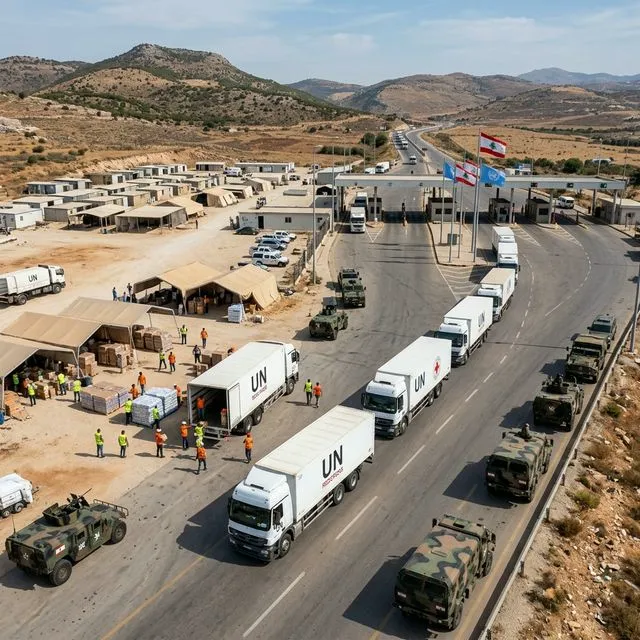
The World's Largest Lebanese Diaspora
Brazil is home to the largest community of Lebanese descendants outside Lebanon — an estimated 7 to 10 million Brazilians have Lebanese ancestry, more than Lebanon's own population. For these millions, the crisis isn't distant news — it's personal.
What You Can Do
- UNHCR: contribute.unhcr.org — donations help provide shelter, water, and food
- Lebanese Red Cross: redcross.org.lb
- UNICEF Lebanon: unicef.org/lebanon
- Doctors Without Borders: msf.org
- Share: Invisibility is the crisis's worst enemy. Speak about Lebanon on social media
Frequently Asked Questions (FAQ)
What's the difference between Hezbollah and the Lebanese government?
Hezbollah is a Shiite political-military organization founded in 1982 with Iranian support. Although it's part of the Lebanese parliament, it's an autonomous entity with its own army, classified as a terrorist organization by Israel, the US, and several European countries. The Lebanese government doesn't control Hezbollah's military actions.
Why can't the UN stop the attacks?
The UN Security Council is the only international body with power to impose a binding ceasefire. However, the United States has veto power and historically protects Israel from condemnatory resolutions, while Russia and China frequently oppose Western interventions.
Is it safe to travel to Lebanon in 2026?
No. Most Western governments have issued maximum-level travel alerts, recommending citizens avoid all travel to Lebanon.
How does the Lebanon crisis affect Brazil economically?
Direct impact is small. However, the broader regional crisis (including the Strait of Hormuz) affects oil and fuels globally, indirectly impacting the Brazilian economy.
How many Brazilians live in Lebanon?
An estimated 18,000-22,000 Brazilian nationals reside in Lebanon. The Brazilian Embassy in Beirut maintains a contingency evacuation plan.
Conclusion
Lebanon is not just collateral damage from a conflict between Israel and Hezbollah — it's a victim of a world that accepts the destruction of an entire country as "collateral damage" of broader geopolitics. The 820 dead, 200,000 displaced children, and 816,700 refugees within their own country are not statistics — they are human beings whose lives were turned upside down in two weeks.
The land of the cedars survived a 15-year civil war, an explosion that destroyed half its capital, and an economic collapse that wiped out an entire generation's savings. But each crisis leaves deeper scars, and any society's resilience has limits.
For Brazil — a country with the world's largest Lebanese diaspora — the crisis in Lebanon is not an abstract question of distant geopolitics. It's a personal, familial, and profoundly human matter.


