🌍 Your knowledge portal
Technology

How AI is Revolutionizing Medicine

📅 2026-01-31⏱️ 11 min read📝

Quick Summary

How artificial intelligence is revolutionizing medicine in 2026. From early diagnosis to drug discovery, explore the AI breakthroughs transforming healthcare today.

How AI Is Revolutionizing Medicine: 10 Advances That Are Saving Lives #

Artificial Intelligence is transforming medicine in ways that seemed like science fiction just a few years ago. From diagnoses more accurate than human doctors to drug discoveries in record time, AI is saving lives and reshaping the future of healthcare.

The AI healthcare market reached $20.9 billion in 2024 (Grand View Research) and is expected to surpass $148 billion by 2029. More important than the numbers: studies published in journals like Nature Medicine and The Lancet prove that AI already outperforms human doctors in specific diagnostic tasks.

Here are 10 impressive advances that are already happening.

1. Cancer Diagnosis More Accurate Than Doctors #

AI already outperforms human doctors in detecting various types of cancer. In studies published in Nature and The Lancet, deep learning systems detected breast cancer in mammograms with 94.5% accuracy (radiologists: 88%). For skin cancer, AI achieved 95% vs. 86% for dermatologists. In lung cancer, AI detected malignant nodules up to 2 years before traditional methods.

Google's LYNA (Lymph Node Assistant) system detects metastatic breast cancer in lymph nodes with 99% accuracy — finding tumors as small as 100 micrometers (smaller than the thickness of a human hair).

How does it work? Convolutional neural networks are trained with millions of labeled medical images by specialists, learning to identify subtle patterns — micro-calcifications in mammograms, asymmetries in skin lesions — that the human eye can miss.

The most impressive data: the combination of AI + radiologist reduces diagnostic errors by up to 85% compared to either one alone (study published in Radiology, 2023). AI finds what the human misses; the human contextualizes what the AI doesn't understand.

2. Accelerated Drug Discovery #

Developing a new drug traditionally takes 10-15 years and costs $2.6 billion. AI is drastically compressing these numbers.

Insilico Medicine used AI to identify a drug candidate for pulmonary fibrosis in just 18 months (normally 4-5 years). Recursion Pharmaceuticals analyzes millions of molecular combinations simultaneously, identifying promising candidates in weeks.

Google DeepMind's AlphaFold predicted the 3D structure of virtually all known proteins (200+ million). This is revolutionary: understanding protein shapes is fundamental to finding drugs that fit them like keys in locks. AlphaFold was considered by many scientists the most impactful discovery of 2022, earning the 2024 Nobel Prize in Chemistry for Demis Hassabis and John Jumper.

MIT researchers used AI to discover halicin, an antibiotic effective against resistant bacteria — including Acinetobacter baumannii, classified by the WHO as one of the greatest threats.

3. AI-Assisted Robotic Surgery #

The Da Vinci robot has already performed more than 12 million surgical procedures globally. Integration with AI is taking surgery to another level entirely.

AI systems assist surgeons in real time: identifying anatomical structures (nerves, blood vessels), alerting about risks, and suggesting optimal angles. In 2023, Johns Hopkins demonstrated autonomous suturing on soft tissue with precision superior to human surgeons.

The results speak for themselves: smaller incisions, 53% less bleeding, faster recovery, and hospital discharge 1-2 days earlier. For patients, this means less pain, fewer complications, and a quicker return to normal life.

4. Epidemic and Outbreak Prediction #

AI detects outbreaks before health authorities even notice, by cross-referencing data from local news, social media, pharmacies (spikes in flu medication sales), hospital records, and even sewage analysis (wastewater epidemiological surveillance).

BlueDot (a Canadian company) detected the COVID-19 outbreak in Wuhan days before the WHO issued its first alert — using natural language processing to analyze reports in Mandarin. In Brazil, AI systems are being tested to predict dengue outbreaks weeks in advance, enabling focused preventive actions in vulnerable areas.

5. Personalized Medicine and Genomics #

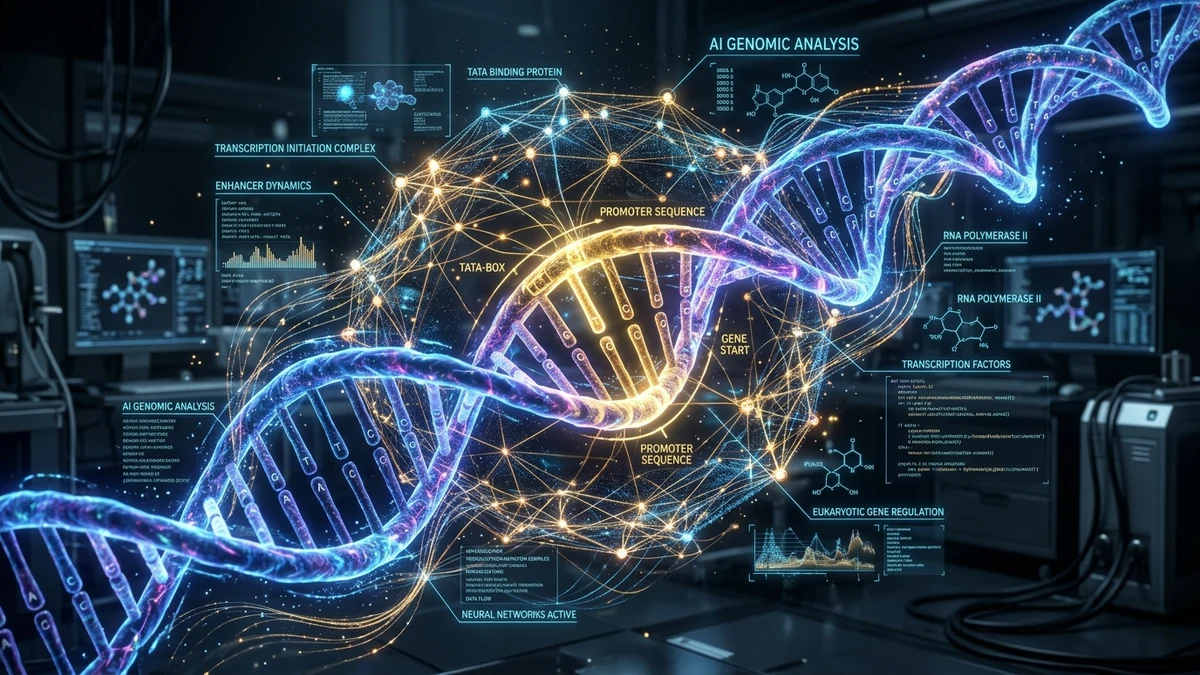
AI makes truly personalized medicine possible, tailored to each patient's genetic profile.

In pharmacogenomics, algorithms analyze the genome to predict how a patient will respond to specific medications — avoiding the trial-and-error approach. For antidepressants, AI predicts the most effective medication with 73% accuracy (compared to ~50% with the traditional approach). The company Tempus (founded by Eric Lefkofsky) has already analyzed the genomic profiles of more than 7 million cancer patients.

In precision oncology, AI identifies specific tumor mutations and recommends the most effective treatment — crucial because two patients with the "same" cancer can have completely different molecular profiles.

6. Remote Patient Monitoring #

Wearables combined with AI monitor patients 24/7, detecting problems before they become emergencies.

The Apple Watch has already detected cardiac arrhythmias (atrial fibrillation) in more than 300,000 users who were unaware of the condition — potentially preventing strokes. AI systems analyze continuous glucose data in diabetics, predicting hypoglycemic crises 30 minutes in advance. Sensors in elderly care homes detect falls and changes in activity patterns.

Impact: remote monitoring reduces hospitalizations by up to 38% and emergency visits by 25% (New England Journal of Medicine, 2023).

7. Mental Health and AI #

AI is helping address the global mental health crisis. Therapeutic chatbots like Woebot and Wysa offer accessible cognitive-behavioral therapy (CBT) 24 hours a day. Studies show a reduction in anxiety and depression symptoms in 30-40% of users. They don't replace therapists, but they fill an enormous gap — in many countries, access to mental health professionals remains severely limited.

AI algorithms also analyze language patterns in texts and social media to detect early signs of depression and suicide risk. Universities in the US already use these systems to identify at-risk students, with a detection rate of approximately 85%.

8. Radiology and Medical Imaging #

Radiology is one of the most transformed areas. In high-volume hospitals, AI automatically prioritizes urgent cases — analyzing hundreds of X-rays in minutes, identifying pneumonias, fractures, and tumors, and placing critical cases at the top of the queue.

The most impressive finding: the combination of AI + radiologist reduces diagnostic errors by up to 85% compared to either one working alone (study published in Radiology, 2023). AI catches what the human misses; the human provides the clinical context that AI lacks.

9. Smart Prosthetics with AI #

AI-controlled prosthetics are restoring mobility to millions. Bionic hands with AI grip objects with calibrated force, prosthetic legs adapt to terrain automatically, and robotic arms respond to the user's thoughts via myoelectric signals.

In 2024, researchers at ETH Zurich demonstrated a prosthetic hand that partially restores the sense of touch, sending electrical signals to the brain. Patients reported feeling textures and temperature for the first time in years. The Swedish startup Integrum developed osseointegrated prosthetics with AI that connect directly to nerves, offering nearly natural control.

10. Rare Disease Research #

There are more than 7,000 rare diseases, affecting 300 million people globally. Patients wait an average of 5-7 years for a correct diagnosis — many doctors have never seen these cases.

Face2Gene analyzes patient photos to identify rare genetic syndromes by facial appearance, with an accuracy rate of ~90% for the 200 most common syndromes. Other systems analyze genomic data to identify causative mutations in hours (previously: months). Rare Cures (Stanford) uses AI to repurpose existing drugs for rare diseases — reducing development costs by up to 90%.

Challenges and Risks of AI in Medicine #

Medical AI is not perfect. There are serious risks that need to be addressed:

Data bias: If the system is trained primarily with data from white patients, it will have lower accuracy for Black patients. A study from the University of Toronto (2023) showed that dermatology algorithms had 30% less accuracy on darker skin tones. The solution: diversified datasets and constant auditing.

Liability gap: If AI makes a diagnostic error, who is responsible — the doctor, the hospital, or the company that created the software? Regulations like the EU AI Act are attempting to resolve this by classifying medical AI as "high risk."

Data privacy: Genomic and medical data are extremely sensitive. Leaking this data can affect employability and insurance. The GDPR (Europe) and similar regulations address this, but implementation remains fragile.

The Future: What Lies Ahead #

Over the next 10 years, AI is expected to transform areas such as medical digital twins (digital replicas of the body to simulate treatments), AI-guided nanotechnology (nanorobots that deliver medication directly to tumors), and bioprinted organs with AI assistance.

But AI will not replace doctors. Empathy, clinical judgment, and the doctor-patient relationship are irreplaceable. As oncologist Eric Topol (Scripps Research) put it: "AI won't replace doctors, but doctors who use AI will replace doctors who don't."

Impact on Society and the Future #

The implications of this technology for society are profound and multifaceted. Experts around the world agree that we are only at the beginning of a transformation that will redefine how we live, work, and relate to one another. The speed of technological change in recent years has surpassed all predictions, and projections for the next five years are even more ambitious.

The job market is already being transformed in ways few anticipated. Entirely new professions are emerging while others become obsolete. The ability to adapt and engage in continuous learning has become the most valuable skill in today's market. Universities and educational institutions are reformulating their curricula to prepare students for a future where technology permeates every aspect of professional life.

The question of accessibility is also crucial. While developed countries advance rapidly in adopting these technologies, developing nations risk falling even further behind. Global initiatives are being created to democratize access to technology, but the challenge remains immense. Countries like Brazil and India have shown significant potential to become hubs of technological innovation, with startups gaining international recognition and attracting billions in venture capital investment.

Ethical Challenges and Regulatory Frameworks #

Technological advances bring complex ethical questions that society is still learning to address. Personal data privacy has become a central concern, with legislation like GDPR in Europe and LGPD in Brazil attempting to establish limits on the collection and use of personal information. However, the speed of innovation frequently outpaces legislators' ability to create adequate regulations.

Cybersecurity is another critical challenge. As more aspects of our lives become digital, the attack surface for cybercriminals expands exponentially. Ransomware attacks, phishing, and social engineering are becoming increasingly sophisticated, requiring continuous investment in digital defenses and security awareness training for individuals and organizations alike.

Environmental sustainability of technology also deserves attention. Data centers consume enormous amounts of energy, and the production of electronic devices generates significant toxic waste. Technology companies are being pressured to adopt more sustainable practices, from using renewable energy to designing more durable and recyclable products that minimize their environmental footprint.

Innovations Transforming Everyday Life #

Technology has moved beyond laboratories and large corporations to become an inseparable part of our daily lives. From the moment we wake up until bedtime, we interact with dozens of technological systems that make our lives easier in ways we often don't even notice. Virtual assistants control our smart homes, algorithms personalize our entertainment experiences, and health apps monitor our vital signs in real time.

The Internet of Things is connecting billions of devices around the world, creating an unprecedented network of information. Refrigerators that automatically place orders, cars that communicate with each other to prevent accidents, and entire cities that optimize energy consumption are just a few examples of what is already reality in many places. By 2030, it is estimated that there will be more than 75 billion connected devices globally.

Cloud computing has democratized access to powerful computational resources. Small businesses and individual entrepreneurs now have access to the same technological infrastructure that was once exclusive to large corporations. This is driving an unprecedented wave of innovation, with startups emerging in every corner of the planet and solving problems that once seemed unsolvable through creative application of technology.

The Role of Technology Education #

Digital literacy has become as fundamental as knowing how to read and write. In a world increasingly dependent on technology, understanding the basic principles of programming, digital security, and computational thinking is no longer a differentiator but a necessity. Countries that invest in technology education from childhood are reaping the rewards in the form of more innovative and competitive economies.

Distance learning, boosted by the pandemic and refined in subsequent years, has opened doors for millions of people who previously lacked access to quality education. Platforms like Coursera, edX, and Khan Academy offer courses from renowned universities for free, while programming bootcamps train developers in a matter of months. The gamification of learning has made studying more engaging and effective for learners of all ages.

Around the world, initiatives to bridge the digital divide are bringing technology to underserved communities. Young people from disadvantaged backgrounds are learning programming and becoming sought-after professionals in the job market. Technology, when accessible, has the power to transform lives and reduce social inequalities in significant and measurable ways across entire communities.

Technology trends for the coming years point to an even greater integration between the physical and digital worlds. Augmented reality and virtual reality are becoming more accessible, with devices that are increasingly smaller and more powerful. Quantum computing promises to solve problems that traditional computers would take millions of years to process, opening possibilities in areas such as drug development and climate modeling.

Intelligent automation is expanding into sectors that previously depended exclusively on human labor. Collaborative robots work alongside employees in factories, artificial intelligence algorithms assist doctors in diagnoses, and autonomous vehicles are beginning to circulate in cities around the world. The key to the success of this transition lies in ensuring that technology complements human capabilities rather than simply replacing them.

Technology and Quality of Life #

Technology has played a transformative role in improving people's quality of life around the world. Wearable devices monitor health in real time, detecting cardiac irregularities before they become emergencies. Mental health apps offer accessible therapeutic support to millions of people who previously lacked access to qualified professionals.

In the area of accessibility, technology is breaking barriers that have existed for centuries. Thought-controlled prosthetics, apps that translate sign language in real time, and navigation systems for the visually impaired are transforming the lives of millions of people with disabilities. Digital inclusion is not just a matter of social justice but also an opportunity to harness talents that were previously wasted by society.

Frequently Asked Questions #

Can AI replace doctors?
No. AI is a tool that amplifies capabilities, not a replacement. Complex diagnoses, ethical decisions, and patient relationships require human judgment. The ideal model is AI + doctor working together.

Are AI diagnoses reliable?
In many areas, AI is as accurate or more accurate than specialists. However, it should be used as a complement — AI errors occur, especially with populations underrepresented in training data.

When will AI be available in hospitals worldwide?
It already is. Major hospitals across the US, Europe, and Asia already use AI for diagnostics, drug discovery, and patient monitoring. Expansion to public health systems is underway, focused on triage and remote diagnosis.

Can AI discover the cure for cancer?
"Cure for cancer" is an oversimplification — cancer encompasses hundreds of different diseases. But AI is enormously accelerating research: identifying personalized treatments, discovering biomarkers, and speeding up clinical trials.


Sources: Grand View Research "AI in Healthcare Market" (2024), Nature Medicine, The Lancet, McKinney S. et al. "International evaluation of AI for breast cancer screening" (Nature, 2020), Topol E. "Deep Medicine" (2019), AlphaFold Protein Structure Database. Updated January 2026.

Read also:
📢 Gostou deste artigo?

Compartilhe com seus amigos e nos conte o que você achou nos comentários!

Frequently Asked Questions

No. AI is a tool that amplifies capabilities, not a replacement. Complex diagnoses, ethical decisions, and patient relationships require human judgment. The ideal model is AI + doctor working together.
In many areas, AI is as accurate or more accurate than specialists. However, it should be used as a complement — AI errors occur, especially with populations underrepresented in training data.
It already is. Major hospitals across the US, Europe, and Asia already use AI for diagnostics, drug discovery, and patient monitoring. Expansion to public health systems is underway, focused on triage and remote diagnosis.
"Cure for cancer" is an oversimplification — cancer encompasses hundreds of different diseases. But AI is enormously accelerating research: identifying personalized treatments, discovering biomarkers, and speeding up clinical trials. --- *Sources: Grand View Research "AI in Healthcare Market" (2024), Nature Medicine, The Lancet, McKinney S. et al. "International evaluation of AI for breast cancer screening" (Nature, 2020), Topol E. "Deep Medicine" (2019), AlphaFold Protein Structure Database. Updated January 2026.* Read also: - Quantum Computing 2026: IBM vs Google - AI Wars 2026: ChatGPT vs Gemini vs Claude

Receba novidades!

Cadastre seu email e receba as melhores curiosidades toda semana.

Sem spam. Cancele quando quiser.

💬 Comentários (0)

Seja o primeiro a comentar! 👋

📚Read Also

Jensen Huang Declares: "AGI Has Arrived" — The Statement That Shook the Tech WorldTechnology

Jensen Huang Declares: "AGI Has Arrived" — The Statement That Shook the Tech World

NVIDIA CEO claims Artificial General Intelligence has been achieved. Statement on Lex Fridman podcast shakes markets and divides scientific community.

⏱️8 minLer mais →
OpenAI Raises $122 Billion and Becomes the World's Most Valuable CompanyTechnology

OpenAI Raises $122 Billion and Becomes the World's Most Valuable Company

AI startup reaches $852 billion valuation and surpasses Apple as most valuable company. IPO expected in 2026 could redefine tech market.

⏱️8 minLer mais →
Sora Shut Down: The Rise and Fall of the Video Generator That Promised to Revolutionize HollywoodTechnology

Sora Shut Down: The Rise and Fall of the Video Generator That Promised to Revolutionize Hollywood

OpenAI shuts down Sora after Disney cancels $1 billion deal. Revolutionary AI video tool lasted only 14 months on the market.

⏱️6 minLer mais →
IA + Computador Quântico: O Que Isso Muda Para a Nossa Realidade?Technology

IA + Computador Quântico: O Que Isso Muda Para a Nossa Realidade?

Como seria uma inteligência artificial rodando em computador quântico? Comparação com IAs atuais e o que esperar do futuro.

⏱️10 minLer mais →
100 Robotaxis Stop Dead in the Middle of Traffic in Wuhan: The Day AI Froze an Entire CityTechnology

100 Robotaxis Stop Dead in the Middle of Traffic in Wuhan: The Day AI Froze an Entire City

Over 100 Baidu Apollo Go autonomous vehicles stopped simultaneously on Wuhan's highways, trapping passengers for up to 2 hours. The incident reignites the AI safety debate

⏱️7 minLer mais →
IA Já Faz Compras Sozinha: Visa e Mastercard Completam Primeiros Pagamentos por Agentes AutônomosTechnology

IA Já Faz Compras Sozinha: Visa e Mastercard Completam Primeiros Pagamentos por Agentes Autônomos

Visa and Mastercard confirm real transactions made by AI agents. Learn how agentic commerce works and what changes in your life.

⏱️11 minLer mais →