
The planet is breaking records — and not the good kind. 2025 was officially the hottest year in human history, and 2026 is on track to surpass it. Global temperatures reached +1.55°C above pre-industrial levels for the first time, officially breaching the Paris Agreement's 1.5°C limit.
The Records the Planet Broke
| Year | Anomaly (vs pre-industrial) | Status |
|---|---|---|
| 2023 | +1.45°C | Previous record |
| 2024 | +1.50°C | First year above 1.5°C |
| 2025 | +1.55°C | Absolute record |
| 2026 (Jan-Mar) | +1.52°C | On track for new record |
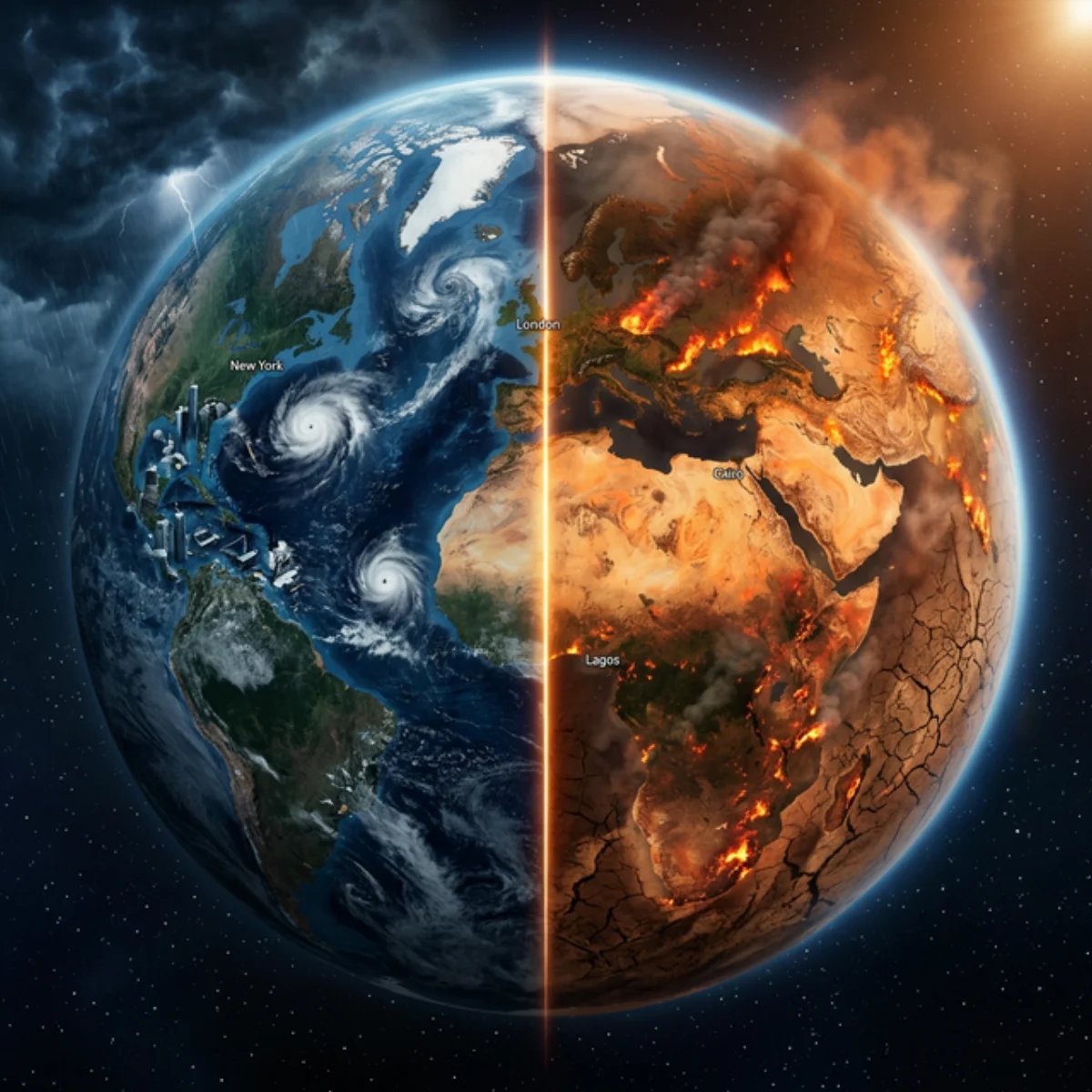
The 5 Most Devastating Climate Events of 2025-2026
1. Extreme Cold Snap in the USA (January 2026)
| Region | Temperature | Normal |
|---|---|---|
| Miami Beach, FL | Snow for the first time in history | 24°C in Jan |
| Houston, TX | -12°C | 12°C in Jan |
| New Orleans, LA | -15°C | 11°C in Jan |
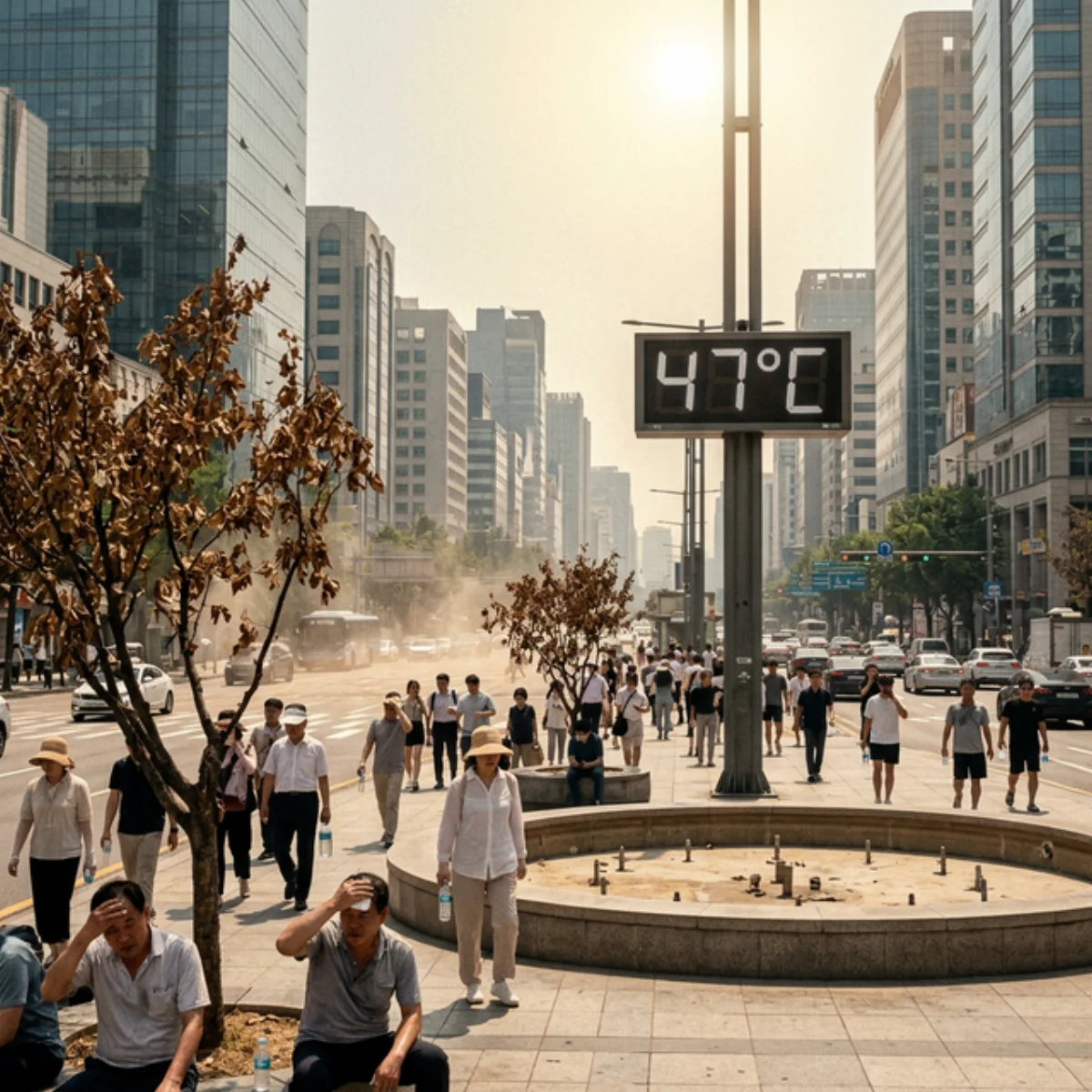
2. Record Floods in Brazil (2025-2026)
| Event | Date | Impact |
|---|---|---|
| Rio Grande do Sul floods | Apr-May 2025 | 170+ deaths, 600,000+ displaced |
| São Paulo flooding | Dec 2025 | Congonhas Airport closed |
| Amazon flooding | Jan-Mar 2026 | Record river levels |
3. Cyclone Chido — Madagascar (December 2025)
Winds of 260+ km/h destroyed communities across Mayotte and the African coast.
4. Los Angeles Wildfires (January 2026)
| Data | Value |
|---|---|
| Area burned | 40,000+ acres |
| Structures destroyed | 16,000+ |
| Deaths | 29+ |
| Estimated damage | $250+ billion |
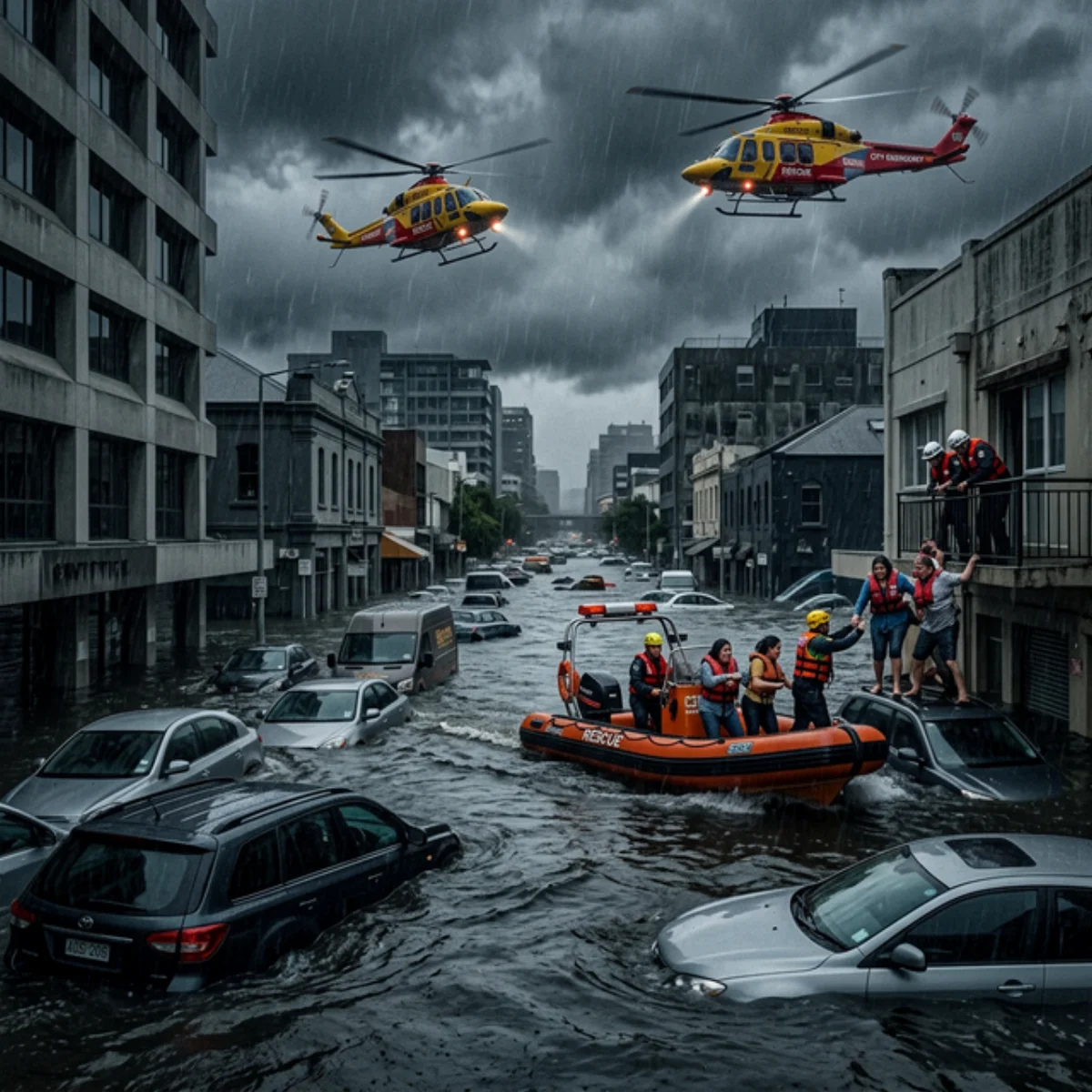
5. Extreme Drought in the Horn of Africa
23+ million people at risk of famine across Somalia, Ethiopia, and Kenya.
The Science: CO₂, Methane, and Greenhouse Effect
| Period | CO₂ (ppm) | Context |
|---|---|---|
| Pre-industrial (1750) | 280 ppm | Stable for 10,000 years |
| 2020 | 414 ppm | Paris Agreement |
| 2025 | 427 ppm | Absolute record |
| 2026 | ~429 ppm | Accelerating growth |
Polar Ice Melt
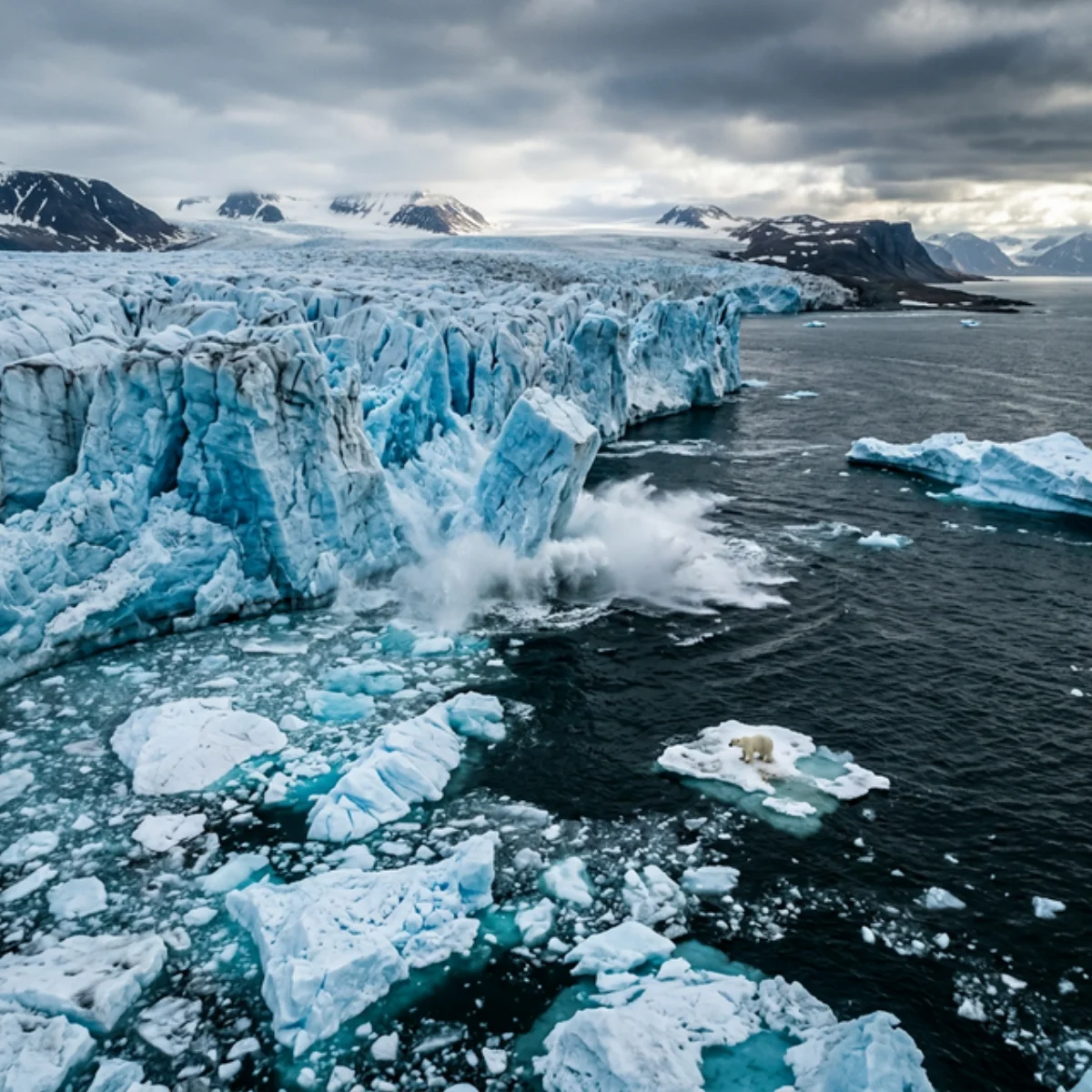
Arctic Sea Ice
| Decade | Annual Minimum | Trend |
|---|---|---|
| 1980s | 7.0 million km² | Baseline |
| 2020s | 3.5 million km² | -50% |
| Forecast 2030 | <1 million km² | Ice-free summer possible |
Sea Level Rise Projections
| Scenario | Rise by 2100 | Cities at Risk |
|---|---|---|
| Optimistic (+1.5°C) | +0.3-0.6m | Coastal minorities |
| Intermediate (+2°C) | +0.5-1.0m | Miami, Bangkok, Venice |
| Pessimistic (+4°C) | +1.0-2.0m | Shanghai, NYC, Mumbai |
Wildfires: The Planet on Fire
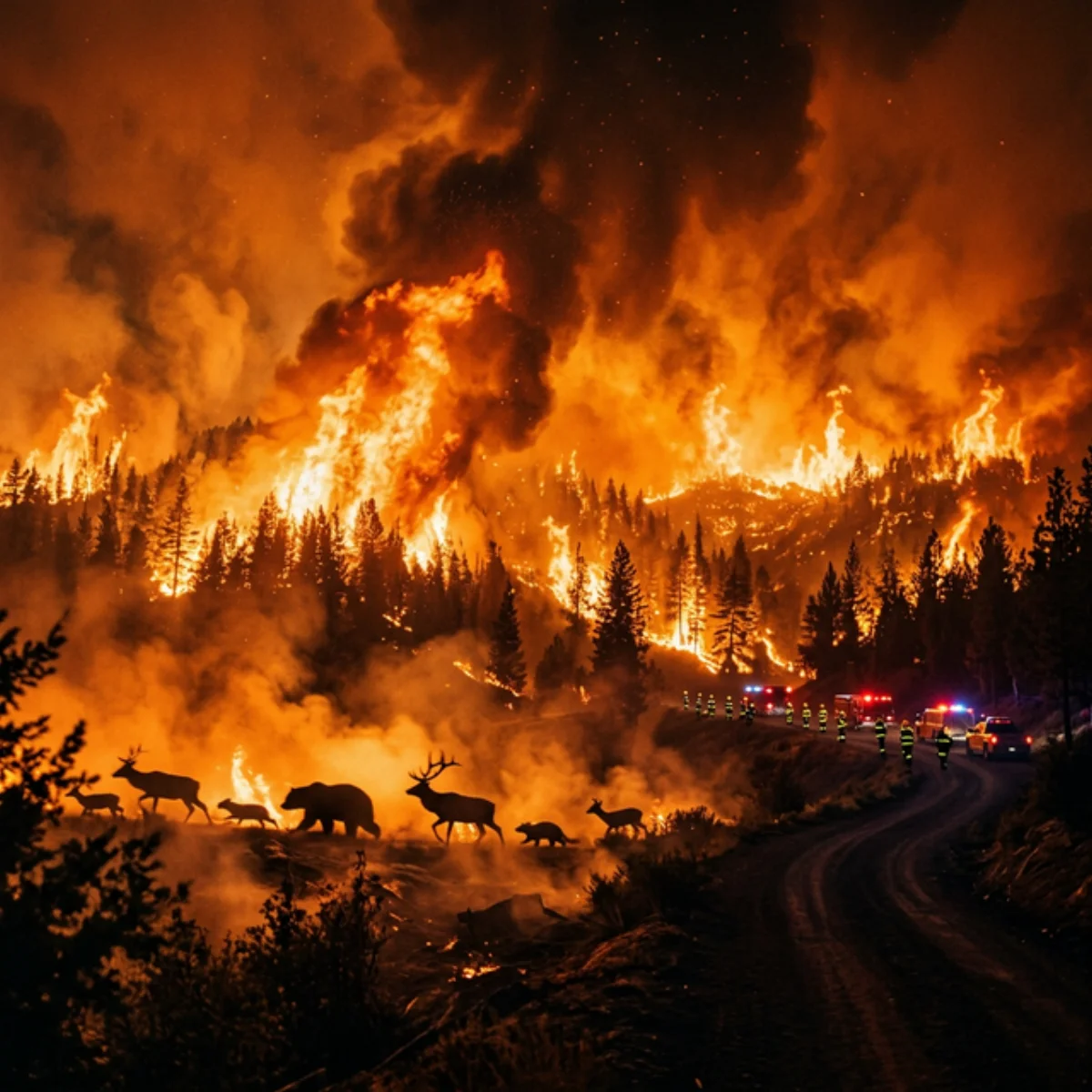
| Location | Date | Area | Deaths | Cost |
|---|---|---|---|---|
| Los Angeles, USA | Jan 2026 | 40,000+ ac | 29+ | $250B+ |
| Amazon, Brazil | Aug-Oct 2025 | Record fires | — | Immeasurable |
| Australia | Dec 2025 | 2M+ hectares | 12 | $8B |
Climate Projections: 2026-2050
| Period | Projected Temp | Expected Events |
|---|---|---|
| 2026-2030 | +1.5-1.6°C | More frequent heat waves |
| 2030-2040 | +1.6-2.0°C | First ice-free Arctic summer |
| 2040-2050 | +2.0-2.5°C | Coastal cities flooded |
Climate Extremes by Region in 2026
The Americas
The Western Hemisphere experienced unprecedented extremes in both directions:
- Southern Brazil (May 2024): The worst flooding in Rio Grande do Sul in 80 years — 172 dead, 580,000 displaced, $6 billion in damage. Porto Alegre was submerged for weeks
- Southern US Heat Dome (2025): Phoenix recorded 50°C+ for 30+ consecutive days, overwhelming hospitals and power grids
- Atlantic Hurricane Season (2025): The most active season on record, with proposals to create a Category 6 classification
- Western Canada Wildfires (2025): 18 million hectares burned — double the previous record
- Amazon Drought (2025): Rivers dropped to the lowest levels ever recorded, isolating indigenous communities
Europe
Europe warmed faster than any other continent in 2025:
- Mediterranean: Sea temperatures hit 31°C — mass coral die-off accelerating
- Alps: Glaciers lost 10% of remaining volume in a single year
- UK: First-ever 42°C temperature officially recorded
- Greece and Turkey: Simultaneous megafires requiring pan-European firefighting response
Asia-Pacific
The most populous region faces the most severe consequences:
- India: 52°C recorded in Rajasthan — outdoor work banned for 6 hours daily
- Bangladesh: One-third of the country at risk of permanent flooding by 2050
- Australia: Great Barrier Reef experienced its 8th mass bleaching event
- Philippines: Super Typhoon with 350 km/h winds set a new intensity record
The Economics of Climate Change
Cost of Inaction vs. Action
Every dollar invested in climate adaptation returns $4-7 in avoided disaster costs, according to the World Bank. Yet global adaptation spending in 2025 was only $28 billion — roughly one-tenth of what experts say is needed.
The numbers tell the story: doing nothing costs far more than acting:
- No action scenario: $23 trillion per year in damages by 2050
- 2°C pathway: $6 trillion per year in investment, but $54 trillion in net savings
- 1.5°C pathway: $9 trillion per year in investment, but $82 trillion in net savings
The Insurance Crisis
Climate change is making entire regions functionally uninsurable:
- Florida: Seven major insurers withdrew from the state in 2024-2025
- California: State Farm stopped issuing new policies in wildfire zones
- Australia: Northern communities face 30% annual insurance premium increases
- Caribbean: Small island nations cannot get coverage at any price
- Germany: After 2021 floods, flood insurance became mandatory for new construction
Solutions That Are Working
Despite the alarming data, there are reasons for cautious optimism in 2026:
- Solar energy is now the cheapest electricity source in history at $20-30 per MWh
- Electric vehicle adoption: 20 million EVs sold in 2025, up from 14M in 2024
- Reforestation: Brazil reduced Amazon deforestation by 50% between 2023-2025
- Carbon capture: Direct Air Capture capacity grew 10x since 2023
- Green hydrogen: Costs dropped 40%, making industrial decarbonization viable
- Battery storage: Grid-scale batteries now store 100 GWh globally, 10x versus 2022
- Nuclear renaissance: 60 new reactors under construction worldwide
- Methane reduction: Global Methane Pledge has cut emissions by 15% since 2021
The technology exists. The economics increasingly favor climate action. What remains is the political will to deploy solutions at the speed and scale the crisis demands. Every fraction of a degree matters — the difference between 1.5°C and 2.0°C represents up to one billion additional people exposed to lethal heat waves.
Conclusion: The Alarm We Cannot Ignore
The data is clear, unequivocal, and terrifying: the planet is in a climate emergency. The technology exists. The solutions exist. What's missing is implementation speed and global political will.
The clock is running. And it doesn't wait.


