Most Dangerous Animals in Brazil: Where They Live and How to Stay Safe 🇧🇷🐍
Brazil has one of the richest faunas on the planet, but also houses some of the world's most dangerous animals. Every year, more than 150,000 accidents with venomous animals are recorded in the country, resulting in 200-300 deaths.
Did you know the world's most venomous spider lives in Brazil? Or that we have more venomous snake species than Australia? Knowing these animals can save your life.
In this complete guide, I'll show you Brazil's most dangerous animals, where they live, how to avoid accidents, and what to do in case of an encounter.
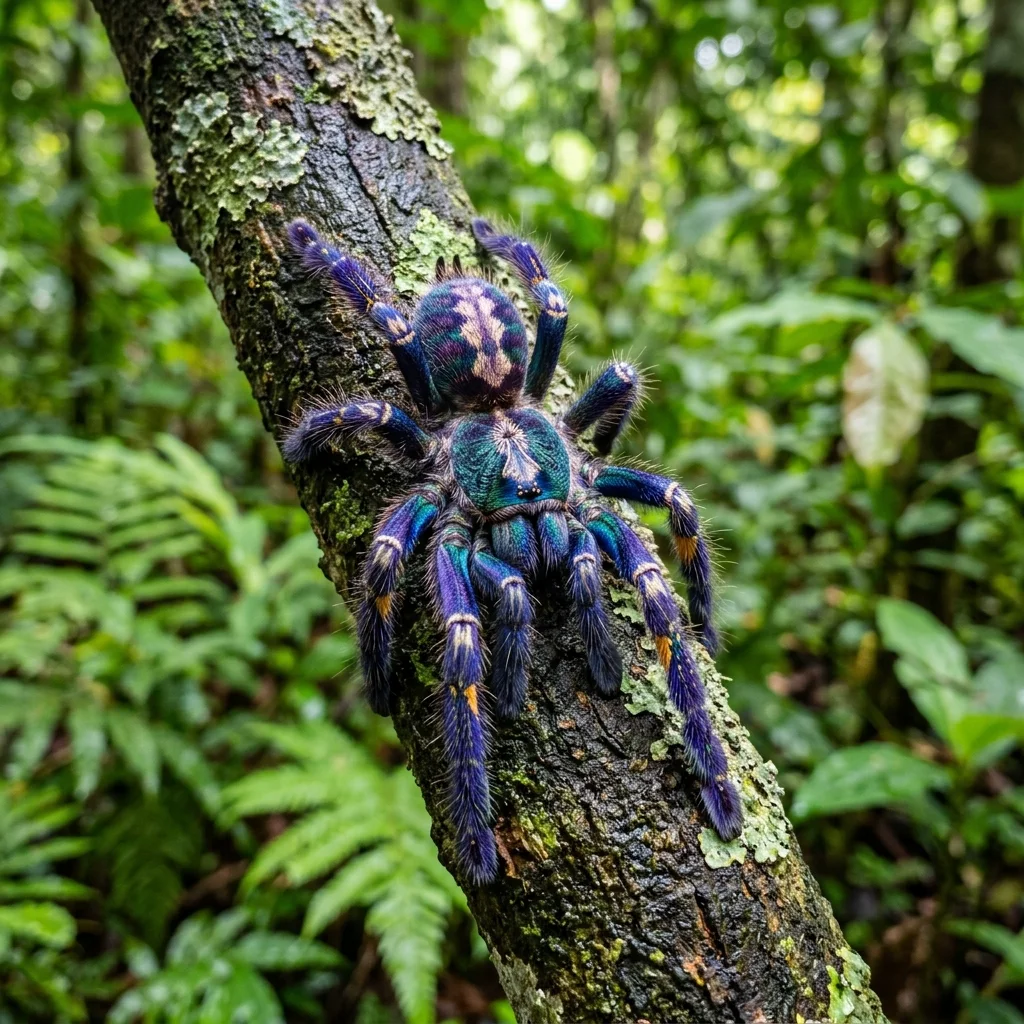
1. Brazilian Wandering Spider (Phoneutria) 🕷️
The World's Most Venomous
Where It Lives:
All of Brazil, especially South and Southeast. Common in urban areas.
Why It's Dangerous:
- Guinness: world's most venomous spider
- Extremely aggressive
- Enters homes and hides in shoes/clothes
- Potent neurotoxic venom
Appearance:
- 4-6 inches with legs
- Grayish-brown
- Hairy legs
- Characteristic defensive posture (raises front legs)
Bite Symptoms:
- Intense immediate pain
- Excessive sweating
- Vomiting
- Priapism (painful erection)
- Can be fatal in children
Accidents:
4,000-5,000 per year in Brazil.
How to Protect Yourself
✅ Shake shoes before wearing
✅ Check clothes before dressing
✅ Wear gloves when handling debris
✅ Seal gaps in doors and windows
✅ Keep house clean and organized
If Bitten:
- Wash area with soap and water
- Apply ice
- Go IMMEDIATELY to hospital
- Bring spider if possible (dead or photo)
Antivenom:
Available in public health system, very effective.
2. Jararaca (Bothrops) 🐍
The One That Causes Most Accidents
Where It Lives:
All of Brazil, from sea level to 5,000ft altitude.
Why It's Dangerous:
- Responsible for 90% of snake accidents
- Perfect camouflage
- Nocturnal habits
- Hemotoxic venom (destroys tissue)
Appearance:
- 3-5ft long
- Inverted "V" pattern on back
- Triangular head
- Pit between eye and nostril
Bite Symptoms:
- Local pain and swelling
- Bleeding
- Tissue necrosis
- Kidney failure
- Can be fatal without treatment
Accidents:
20,000-25,000 per year.
How to Protect Yourself
✅ Wear tall boots in rural areas
✅ Light your path at night
✅ Don't put hands in holes/logs
✅ Make noise when walking (snake flees)
✅ Keep grass cut
If Bitten:
- Stay calm (faster heart spreads venom)
- Immobilize limb
- Remove rings/bracelets
- Go to hospital URGENTLY
- DON'T make tourniquet
- DON'T cut or suck venom
Antivenom:
Available in public health system.
3. Rattlesnake (Crotalus durissus) 🔔
The Most Lethal
Where It Lives:
Cerrado, Caatinga, Grasslands. Rare in Amazon and Atlantic Forest.
Why It's Dangerous:
- Most potent venom among Brazilian snakes
- Highest mortality rate (3-5%)
- Rattle warns, but not always
- Neurotoxic + myotoxic venom
Appearance:
- 3-5ft
- Brown diamonds on back
- Rattle on tail
- Triangular head
Bite Symptoms:
- Little initial pain (dangerous!)
- Double vision
- Drooping eyelids
- Dark urine (rhabdomyolysis)
- Kidney failure
- Respiratory paralysis
Accidents:
7,000-8,000 per year.
How to Protect Yourself
✅ Attention in open, dry areas
✅ Listen for rattle and back away
✅ Wear boots and leg guards
✅ Careful when sitting on rocks
✅ Don't disturb burrows
If Bitten:
Same protocol as jararaca, but MORE URGENT (venom acts fast).
Antivenom:
Available in public health system.
4. Coral Snake (Micrurus) 🔴⚫⚪
Small But Deadly
Where It Lives:
All of Brazil, especially forests.
Why It's Dangerous:
- Extremely potent neurotoxic venom
- Few bites, but high lethality
- Confused with false coral (harmless)
Appearance:
- 2-3ft
- Red, black, and white/yellow rings
- Small, rounded head
- Small eyes
How to Differentiate:
True: Red touches yellow/white
False: Red touches black
Mnemonic:
"Red touches yellow, kills a fellow. Red touches black, friend of Jack."
Bite Symptoms:
- Little local pain
- Blurred vision
- Drooping eyelids
- Difficulty swallowing
- Respiratory paralysis
- Death in 6-24h without treatment
Accidents:
300-500 per year (rare).
How to Protect Yourself
✅ Don't touch colorful snakes
✅ Wear boots on trails
✅ Careful when turning over leaves/logs
✅ Coral is shy, avoids humans
If Bitten:
MAXIMUM EMERGENCY. Go to hospital immediately, even without symptoms.
Antivenom:
Available in public health system.
5. Yellow Scorpion (Tityus serrulatus) 🦂
The Most Urban and Dangerous
Where It Lives:
Southeast, Central-West, Northeast. Very common in urban areas.
Why It's Dangerous:
- Parthenogenetic reproduction (no male needed)
- Proliferates rapidly
- Enters homes
- Neurotoxic venom
- Fatal for children
Appearance:
- 2.5 inches
- Light yellow
- Yellow legs
- Serrated stinger
Sting Symptoms:
- Intense local pain
- Tingling
- Excessive sweating
- Vomiting
- Agitation
- Cardiac arrhythmia
- Pulmonary edema (children)
Accidents:
100,000+ per year (most venomous animal accidents).
Deaths:
100-150 per year, mainly children.
How to Protect Yourself
✅ Seal drains and gaps
✅ Shake shoes and clothes
✅ Use window screens
✅ Don't accumulate debris
✅ Keep yard clean
✅ Keep bed away from wall
If Stung:
- Wash with soap and water
- Apply ice
- Go to hospital (URGENT for children)
- Bring scorpion if possible
Antivenom:
Available in public health system.
6. Brazilian Black Widow (Latrodectus) 🕸️
Rare But Dangerous
Where It Lives:
South and Southeast, rural areas.
Why It's Dangerous:
- Potent neurotoxic venom
- Female is aggressive
- Strong, resistant web
Appearance:
- 0.5 inch (body)
- Shiny black
- Red mark on abdomen
- Long legs
Bite Symptoms:
- Intense increasing pain
- Muscle rigidity
- Excessive sweating
- Hypertension
- Rarely fatal
Accidents:
Rare (50-100 per year).
How to Protect Yourself
✅ Careful in barns and sheds
✅ Wear gloves when handling firewood
✅ Check before sitting in outdoor areas
If Bitten:
Hospital for evaluation. Antivenom available if needed.
7. Freshwater Stingray 🐟
River Danger
Where It Lives:
Rivers and lakes throughout Brazil, especially Amazon and Pantanal.
Why It's Dangerous:
- Serrated venomous barb on tail
- Buries itself in sand
- Extremely painful sting
Symptoms:
- Intense pain (can last days)
- Severe swelling
- Local necrosis
- Secondary infection common
Accidents:
1,000-2,000 per year.
How to Protect Yourself
✅ Shuffle feet when entering rivers (don't step)
✅ Wear water shoes
✅ Avoid murky waters
✅ Don't sit on sandy bottoms
If Stung:
- Get out of water
- Soak wound in hot water (113°F) for 30-90min
- Go to hospital
- May need surgery to remove barb
8. Africanized Bees 🐝
Aggressive in Swarms
Where They Live:
All of Brazil.
Why They're Dangerous:
- Extremely aggressive
- Attack in swarms (hundreds)
- Chase for up to half a mile
- Multiple stings can be fatal
When They Attack:
- Hive defense
- Vibrations and noises
- Dark colors
- Strong perfumes
Symptoms:
- Local pain and swelling
- Multiple stings: anaphylactic shock
- Kidney failure
- Death (50+ stings)
Deaths:
30-50 per year.
How to Protect Yourself
✅ Don't disturb hives
✅ If attacked, run in straight line
✅ Protect face and neck
✅ Enter closed space or water
✅ Don't wear perfume in rural areas
If Attacked:
- Remove stingers (scrape, don't pull)
- Wash with soap and water
- Apply ice
- Hospital if multiple stings or allergy
9. Jaguar 🐆
Brazil's Largest Predator
Where It Lives:
Amazon, Pantanal, Atlantic Forest (rare).
Why It's Dangerous:
- Strongest bite among felines
- Silent hunter
- Can attack humans (rare)
Attacks:
Very rare (1-2 per year). Jaguar avoids humans.
When It Attacks:
- Defending cubs
- Injured/sick animal
- Territory invasion
How to Protect Yourself
✅ Don't enter jaguar areas alone
✅ Make noise when walking
✅ Don't run if you spot one (appear large)
✅ Maintain eye contact
✅ Back away slowly
If Attacked:
Fight! Jaguar gives up if prey defends itself. Protect neck.
General First Aid 🚑
What to Do and NOT Do
DO:
✅ Stay calm
✅ Wash wound with soap and water
✅ Immobilize affected limb
✅ Remove rings/bracelets
✅ Go to hospital IMMEDIATELY
✅ Bring animal (dead or photo)
✅ Note time of accident
DON'T:
❌ Tourniquet
❌ Cut wound
❌ Suck venom
❌ Apply substances
❌ Give alcohol
❌ Apply ice directly (use cloth)
❌ Try to capture animal alive
Brazilian Statistics 📊
Real Numbers
Accidents Per Year:
- Scorpions: 100,000+
- Spiders: 25,000+
- Snakes: 30,000+
- Bees: 10,000+
- Caterpillars: 5,000+
Deaths Per Year:
- Total: 200-300
- Scorpions: 100-150
- Snakes: 80-120
- Bees: 30-50
- Spiders: 10-20
Most Affected Region:
Southeast (largest population + urbanization).
Conclusion: Respect and Knowledge 🌿
Brazil has dangerous fauna, but accidents are preventable with knowledge and precaution. Most animals only attack in defense.
Important Lessons:
- Know animals in your region
- Use adequate protection
- Keep environments clean
- Don't provoke animals
- Know first aid
- Seek medical help immediately
Remember:
These animals are an essential part of the ecosystem. Respect them and they'll respect you. 🇧🇷
Frequently Asked Questions
What is the most dangerous animal in Brazil?
The most dangerous animal in Brazil in terms of human deaths is the Bothrops jararaca (jararaca snake), responsible for about 80% of snakebite deaths in the country. Brazil records approximately 30,000 snakebites per year with about 100-130 deaths. However, if we include disease vectors, the Aedes aegypti mosquito kills far more people through dengue, Zika, and chikungunya. Scorpions (Tityus serrulatus) cause about 140,000 stings per year with dozens of deaths.
Are there dangerous animals in Brazilian cities?
Yes. The yellow scorpion (Tityus serrulatus) has adapted to urban environments and is found in sewers, construction debris, and homes across Brazilian cities. Venomous spiders like the brown recluse (Loxosceles) and Brazilian wandering spider (Phoneutria) are common in urban areas. Stray dogs cause thousands of bites annually. Rats transmit leptospirosis, especially during floods. Even in São Paulo and Rio de Janeiro, encounters with venomous animals are relatively common.
What should you do if bitten by a venomous snake in Brazil?
Seek medical attention immediately — antivenom is the only effective treatment. Do NOT apply tourniquets, cut the wound, suck out venom, or apply ice — these folk remedies are harmful. Keep the victim calm and immobile to slow venom spread. If possible, photograph the snake for identification (but don't try to catch it). Brazil has an excellent antivenom production system through Instituto Butantan, and most hospitals in endemic areas stock antivenoms.
Does the Amazon have the most dangerous animals?
The Amazon has incredible biodiversity but isn't necessarily the most dangerous region for animal encounters. The most venomous snake (Bothrops jararaca) is more common in southeastern Brazil. The most dangerous scorpion thrives in urban areas. However, the Amazon is home to unique dangers: electric eels (860 volts), piranhas (dangerous in groups during dry season), caimans, anacondas, and poison dart frogs. The biggest actual danger in the Amazon is mosquito-borne diseases.
Read also: