2026 Is the New 2016: The Internet Desperately Wants a Time Machine
In January 2026, something peculiar started happening across millions of social media feeds worldwide. Suddenly, as if someone had hacked the algorithm and installed a bootleg version of 2016 Instagram, feeds filled with black velvet chokers, brick-colored matte lipstick, eyebrows that looked like they'd been drawn with a protractor and a prayer, and an alarming quantity of Snapchat dog filters. It wasn't a glitch. It was a trend. And like every self-respecting trend in 2026, it came with its own hashtag, a Wikipedia article, and an industrial quantity of unsolicited opinions from people who weren't invited to opine.
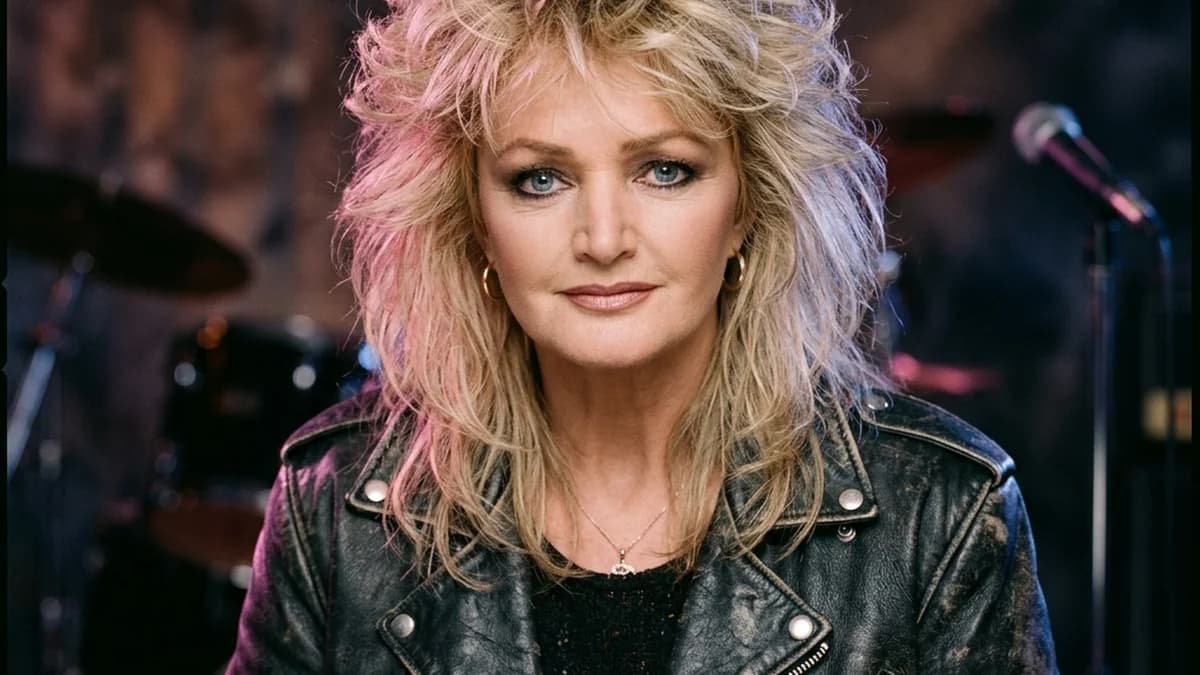
The "2026 is the new 2016" trend — or #2026isTheNew2016, for the hashtag-inclined — became the most discussed aesthetic phenomenon of Q1 2026. Millions of users, led by an unlikely alliance between nostalgic millennials and Gen Z members who were eight years old in 2016, collectively decided that the past was better than the present. And that the best way to express this conviction was by wearing a choker and listening to Rihanna's "Work" on repeat.
Vogue covered it. The Sun covered it. The Times of India covered it. Hola covered it. Wikipedia created an article. And the internet, as always, turned everything into a meme.
The Context Behind the Joke
To understand how we arrived at the point where millions of functioning adults decided that the solution to 2026's problems was dressing like it's 2016, we need to appreciate the context.
The Genesis of the Trend
It all started in late 2025, when TikTok creators began posting videos in the format "POV: it's 2016 and you're..." — followed by scenes recreating the era's aesthetic. The initial videos were nostalgic and relatively harmless: someone applying a Kylie Lip Kit while "Closer" by The Chainsmokers played in the background, or someone taking a selfie with the Snapchat dog filter while pretending Vine still existed.
But the internet is an escalation machine. What began as casual nostalgia transformed into a full-blown aesthetic movement. By January 2026, the hashtag #2026isTheNew2016 had already accumulated billions of views. Fashion influencers started doing "2016 hauls" at thrift stores. "2016-style" makeup tutorials dominated YouTube. And beauty brands, with the commercial instinct of a shark that smells blood in the water, began relaunching discontinued products from the era.
What Exactly Came Back
The list of items that returned is so specific it reads like a museum inventory:
| Item | 2016 Status | 2026 Status | Irony Level |
|---|---|---|---|
| Black velvet choker | Mandatory | Mandatory again | Medium |
| Dark matte lipstick | Kylie Lip Kit sold out | Relaunched by 5 brands | High |
| Warm orange eyeshadow | Tumblr trend | "Vintage aesthetic" | Extreme |
| Bold brows | Instagram brows | "Bold brow revival" | Low |
| Bomber jacket | Millennial uniform | "Y2K adjacent" | Confusing |
| Snapchat dog filter | Ubiquitous | Used "ironically" | Maximum |
| Leather pants | Basic edgy | "2016 core" | High |
| Over-the-knee boots | Rihanna approved | "ANTI era boots" | Medium |
| Oversized hoodie | Comfort | "Tumblr girl energy" | High |
Rihanna's ANTI album, released in January 2016, became the unofficial sonic blueprint of the movement. "2016 vibes" playlists on Spotify registered an 800% increase in streams. "Work," "Needed Me," and "Kiss It Better" returned to the charts as if they'd never left.
The Media Coverage
The phenomenon caught the attention of international press. Vogue published a 3,000-word analysis on "why Gen Z is obsessed with a decade they barely lived through." The Sun, with its characteristic subtlety, ran "CHOKER SHOCK: Kids Dress Like It's 2016." The Times of India explored the phenomenon through the lens of globalized nostalgia. And Hola dedicated a special edition to "retro trends dominating 2026."
Wikipedia, always the last to arrive and the first to document, created a complete article about the trend — with 47 references, 12 sections, and an edit war over whether the phenomenon should be classified as a "cultural movement" or a "fashion trend."
The Best Memes
The internet, naturally, didn't let the opportunity pass. The trend generated a crop of memes oscillating between genuine nostalgia and merciless satire.
Meme 1: "The 2016 Starter Pack Nobody Asked For But Everyone Bought"
Description: A classic four-quadrant starter pack image. Top left: a black velvet choker with the caption "$2 on AliExpress in 2016, $35 as 'vintage' in 2026." Top right: a Kylie Lip Kit with the caption "Sold out in 30 seconds in 2016, relaunched as 'nostalgia edition' in 2026 at 3x the price." Bottom left: the Snapchat dog filter with the caption "Used unironically in 2016, used 'ironically' in 2026 (but takes 47 selfies)." Bottom right: a Spotify playlist called "2016 vibes" with the caption "87% of the songs are Rihanna, the other 13% are The Chainsmokers."
Why it works: The meme perfectly captures the central hypocrisy of the trend — the same people who ridiculed these items when they went out of style now treat them as sacred cultural artifacts. The price inflation of "vintage" items is the final touch of realism that transforms nostalgia into capitalism.
Meme 2: "Gen Z Explaining 2016 to People Who Lived Through 2016"
Description: The "man explaining to bored woman at dinner" template. On one side, a 19-year-old gesticulating frantically while explaining: "So in 2016, people wore this thing called a choker, which was like a tight necklace around your neck, and it was SUPER aesthetic, and everyone wore dark lipstick and..." On the other side, a 32-year-old with the expression of someone having a war flashback, thinking: "I was there, Gandalf. I was there three thousand years ago. I bought the Kylie Lip Kit. I used the dog filter. I watched Vine compilations until 3 AM."
Why it works: The generational tension is the fuel of this meme. Gen Z is literally explaining to millennials an era that millennials lived through — and doing it with the confidence of someone who discovered fire. It's like a 20-year-old trying to explain World War II to a veteran using a 60-second TikTok.
Meme 3: "The Nostalgia Acceptance Timeline"
Description: A line graph with five stages, parodying the stages of grief. Stage 1 (Denial): "I would NEVER wear a choker again, that's so 2016." Stage 2 (Anger): "Why is TikTok trying to bring back the cringiest things from my teenage years?" Stage 3 (Bargaining): "OK, maybe matte lipstick wasn't THAT bad..." Stage 4 (Depression): "I just spent $80 on a 'vintage' choker on Depop." Stage 5 (Acceptance): Profile picture updated with Snapchat dog filter and Instagram bio reading "2016 was superior ✨."
Why it works: Everyone who lived through 2016 went through this journey in real time. The meme documents the inevitable surrender to nostalgia with surgical precision. The progression from "never" to "spent $80" is universally recognizable to anyone who has ever sworn they'd never go back to a trend.
Meme 4: "What 2016 Actually Was vs. What TikTok Thinks It Was"
Description: Image split in half. Left side, "2016 according to TikTok": a perfect aesthetic collage with warm tones, Rihanna on stage, artisanal chokers, flawless makeup, and the caption "immaculate vibes ✨." Right side, "2016 as it actually was": Brexit, Trump's election, Harambe's death, David Bowie's death, Prince's death, Zika virus, and the caption "literally everyone saying it was the worst year ever." In the center, in bold letters: "Nostalgia is the Instagram of memory — it only shows the best angles."
Why it works: This is the meme that says the truth nobody wants to hear. 2016 was universally considered a terrible year WHILE it was happening. The transformation from "worst year in history" to "golden age of aesthetics" in just ten years is a testament to the power of selective nostalgia — and the human capacity to ignore context when the aesthetic is pretty enough.
Meme 5: "Things That Came Back From 2016 vs. Things That Should Have Come Back"
Description: Two lists side by side. "What came back": chokers, matte lipstick, orange eyeshadow, bomber jackets, dog filter. "What should have come back": 2016 gas prices, 2016 rent, 2016 grocery prices, 2016 hope for the future, 2016 attention span. The final caption: "We brought back the choker but not the purchasing power. Priorities."
Why it works: The meme exposes the superficiality of consumer nostalgia. People want the AESTHETIC of 2016, not the REALITY of 2016. Nobody is asking to bring back the Zika virus or Brexit — just the lipstick and the choker. It's à la carte nostalgia, and the meme makes that painfully clear.
Meme 6: "Application to Participate in the Trend"
Description: A fictional "application form" to participate in the #2026isTheNew2016 trend. Fields include: "Age in 2016" (with note: "If you were under 10, your nostalgia is based on TikToks, not actual memories"), "Did you actually wear a choker in 2016 or just see them on Tumblr?" (checkbox), "Can you name 3 Viners without Googling?" (text field), "Do you know what a Kylie Lip Kit is without searching?" (yes/no), and at the bottom: "Minimum score for authentic nostalgia: 3/5. Below that, you're cosplaying an era you didn't live through."
Why it works: This meme touches on the sharpest criticism of the trend — that many participants were too young to have actually experienced 2016. It's the digital equivalent of nostalgic gatekeeping, and it works because everyone knows someone who's 18 and talks about 2016 as if it were the best era of their life, when they were actually eight years old watching Peppa Pig.
Why Did This Go Viral?
The obvious question is: why NOW? Why 2016? And why with such intensity?
The 10-Year Cycle
Fashion operates in cycles of approximately 20 years — what was popular two decades ago comes back repackaged. But the internet has accelerated this cycle. With TikTok and Instagram functioning as cultural recycling machines at industrial speed, the cycle has shrunk to 10 years. 2016 sits at exactly that sweet spot: far enough away to be nostalgic, close enough to be recognizable.
If you recall, in 2016 the trend was bringing back the '90s. In 2026, the trend is bringing back 2016. In 2036, we'll probably be nostalgic for 2026. It's a snake eating its own tail, but with better lighting and more filters.
Present-Day Fatigue
There's a real psychological component behind the trend. 2026 is a year of economic uncertainty, geopolitical tension, and digital fatigue. People are tired. And when people are tired, they look backward and see a past that seems simpler — even when it wasn't.
2016, despite all its real problems, represents for many the last "normal" year before the COVID-19 pandemic that began in 2020. It's the last year the world seemed to function in a recognizable way. The nostalgia for 2016 isn't really nostalgia for chokers and matte lipstick — it's nostalgia for a sense of normalcy that many people feel they've lost.
The Gen Z Factor
Gen Z is the driving force of the trend, which is ironic because most Gen Z members were between 6 and 16 years old in 2016. They didn't live through the era as adults. They didn't buy Kylie Lip Kits with their own money. They didn't wear chokers to work. They didn't download Snapchat when it was new.
But that's precisely why the nostalgia works for them. They're nostalgic for an idealized version of 2016 that never existed — a version constructed from Vine compilations, Spotify playlists, and aesthetic Tumblr posts. It's secondhand nostalgia, inherited, algorithmically curated. And it's powerful precisely because it's uncontaminated by reality.
Critics — mainly millennials who actually lived through 2016 — point out that the younger participants were "too young to have properly experienced 2016." It's a valid criticism, but also an irrelevant one. Nostalgia has never been about historical accuracy. It's about feeling. And the feeling Gen Z seeks in 2016 is real, even if the experience isn't.
The Role of Brands
Brands entered the trend with the speed of an influencer who spots a trending hashtag. Cosmetics companies relaunched 2016-inspired lines. Online thrift stores created "2016 core" categories. Fast fashion retailers produced chokers and bomber jackets at industrial scale.
The speed at which capitalism absorbed and monetized the nostalgia is, in itself, a commentary on our relationship with the past. We're not just remembering 2016 — we're buying 2016. Nostalgia has become a product, wrapped in recyclable plastic and sold with free shipping.
If you want to understand how the internet turns nostalgia into product, check out our article on how memes go viral — the mechanism is surprisingly similar.
What This Says About Us
This is where the joke stops being funny and starts being revealing.
Nostalgia as a Defense Mechanism
The "2026 is the new 2016" trend isn't really about fashion or makeup. It's about control. In a world that feels increasingly chaotic and unpredictable, returning to a past aesthetic offers an illusion of control. You can't control the economy, geopolitics, or the TikTok algorithm — but you can control whether you wear a choker or not.
It's the same mechanism that makes people reorganize their closet when they're anxious or clean the house when they're stressed. Aesthetics is the domain where we have agency. And when the present is uncomfortable, we redecorate the present with the colors of the past.
The Romanticization of the Recent Past
The most fascinating phenomenon of the trend is the speed of romanticization. 2016 was only ten years ago. The people who lived through it are still alive, active, and with functioning memories. And yet, the year has already been completely mythologized.
This suggests that the nostalgia cycle is accelerating. If it previously took 30 years for a period to be romanticized (the '50s in the '80s, the '70s in the 2000s), it now takes 10. Soon, we'll be nostalgic for things that happened last week. Actually, with Instagram "throwbacks," we already are.
Performativity and Authenticity
The trend also raises questions about authenticity. When a 19-year-old wears a choker "like in 2016," are they expressing genuine nostalgia or performing nostalgia for engagement? The answer is probably both — and the impossibility of separating the two is what defines contemporary digital culture.
We live in an era where every emotion is simultaneously felt and performed, where every trend is simultaneously organic and manufactured, where every nostalgia is simultaneously real and constructed. The "2026 is the new 2016" trend is no exception — it's the perfect example.
The Digital Nostalgia Paradox
There's a fundamental paradox in the trend: people use 2026 tools (TikTok, Instagram Reels, generative AI) to recreate 2016 aesthetics. They're not actually going back to 2016 — they're creating a version of 2016 filtered through 2026 sensibilities and technologies.
2016 Snapchat had 150 million daily users and rudimentary filters. 2026 TikTok has 2 billion users and algorithms that predict what you want to see before you know you want to see it. Using TikTok to recreate the Snapchat experience is like using a Tesla to simulate the experience of riding a horse-drawn carriage — technically possible, but fundamentally contradictory.
For those interested in how the internet processes collective nostalgia, we also recommend reading about the Great Meme Reset of 2026, a parallel phenomenon calling for a return to classic memes from the same era.
The Economics of Nostalgia
Numbers don't lie, and the trend's numbers are impressive:
| Metric | Value | Period |
|---|---|---|
| #2026isTheNew2016 views | 4.7 billion | Jan-Apr 2026 |
| Increase in "choker" searches | +340% | Q1 2026 |
| "2016 vibes" playlist streams | +800% | Jan-Mar 2026 |
| Matte lipstick sales | +215% | Q1 2026 |
| Media articles about the trend | 2,300+ | Jan-Apr 2026 |
| Wikipedia edits | 1,847 | Since article creation |
Nostalgia moves money. A lot of money. And as long as there's money to be made, there will be brands willing to sell the past packaged as novelty.
The Internet's Verdict
Like every viral trend, "2026 is the new 2016" generated polarized reactions.
The enthusiasts argue that the trend is a legitimate celebration of an aesthetic era that deserves to be revisited. "2016 had an energy that 2026 doesn't," wrote an influencer with 3 million followers. "It was more authentic, more fun, more free."
The critics point out that 2016 was considered terrible at the time and that the romanticization is selective and dishonest. "You want the choker but not the Brexit," tweeted a British journalist. "You want the Kylie Lip Kit but not the Zika. À la carte nostalgia."
The cynics observe that the trend is, at its core, just another way for the fashion industry to sell the same things again with different packaging. "Congratulations, you've reinvented the fashion cycle and think it's a cultural revolution," commented a cultural studies professor in an interview with The Guardian.
The memers — as always, the real winners — simply made memes about all sides and collected the likes.
And perhaps that's the final lesson of the trend. In 2026, as in 2016, the internet turns everything into content. Nostalgia becomes a meme. The meme becomes a trend. The trend becomes a product. The product becomes nostalgia. And the cycle begins again.
Ten years from now, in 2036, someone will post a video on whatever the social media platform of the day is, saying: "2036 is the new 2026. Remember when we pretended it was 2016? What an incredible time."
And the internet will agree. Because the internet always agrees that the past was better — as long as the past comes with the right filter.
Sources and References
- Vogue — The 2016 Aesthetic Revival Taking Over Social Media (March 2026)
- The Sun — Gen Z Goes Full 2016 With Chokers and Matte Lips (February 2026)
- Times of India — Why 2026 Looks Like 2016: The Global Nostalgia Trend (March 2026)
- Hola — Las tendencias de 2016 que dominan 2026 (March 2026)
- Wikipedia — 2026 is the new 2016 (article created February 2026)
- Business of Fashion — The Economics of Nostalgia Marketing (April 2026)