
Venezuela Earthquake: Building Collapses and the Search for Survivors
On June 24, 2026, Venezuela was rocked by two powerful earthquakes, measuring 7.2 and 7.5 on the Richter scale, leaving a trail of devastation in their wake. The tremors struck with little warning, causing the collapse of multiple residential and commercial buildings in the bustling capital of Caracas and the coastal state of La Guaira. As the dust settled, the grim reality of the disaster began to unfold, with emergency services mobilizing to search for survivors trapped beneath the rubble. The harrowing scenes of rescue efforts have gripped the nation, as families anxiously await news of their loved ones. As of June 26, the provisional official toll stands at 235 dead and over 4,300 injured, a stark reminder of the fragility of life in the face of nature's fury. Amidst the chaos, communities have come together, offering support and solidarity to those affected. The road to recovery is daunting, but the resilience of the Venezuelan people shines through as they navigate this unprecedented tragedy, determined to rebuild their lives and their homes.
What Happened
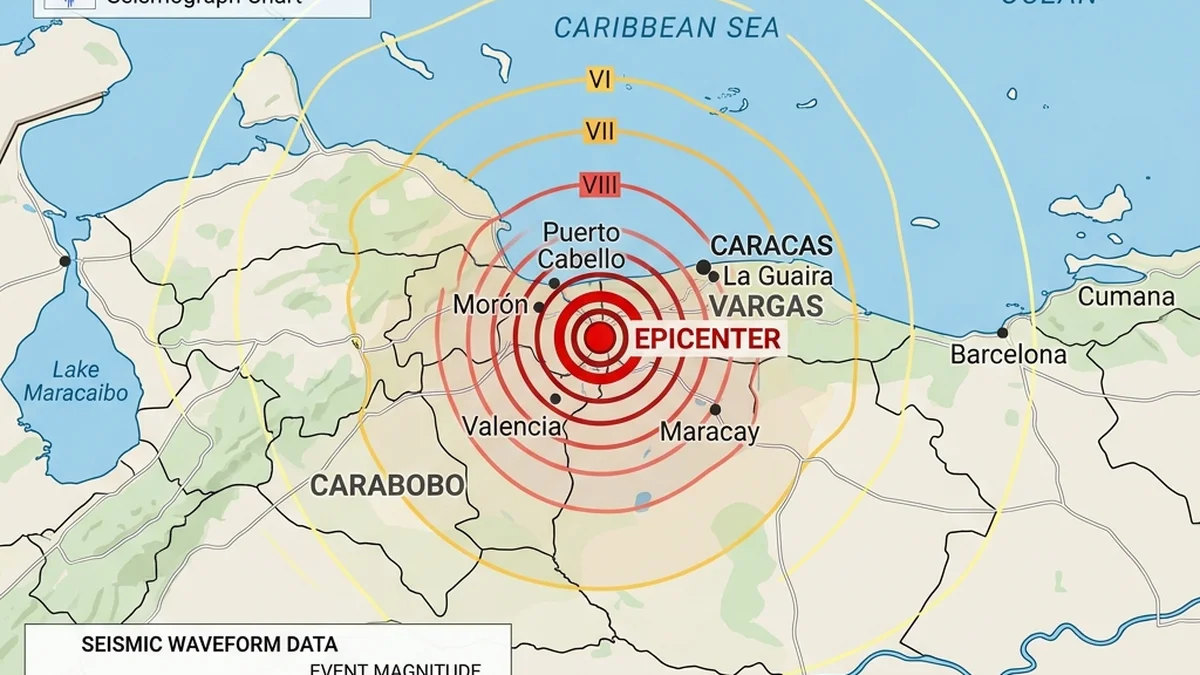
On June 24, 2026, a series of seismic events struck the region near Morón, Carabobo, with two significant tremors occurring less than a minute apart. The first tremor, measuring 6.5 on the Richter scale, was recorded at 3:15 PM local time, followed by a second, more powerful quake of 7.1 magnitude at 3:16 PM. The epicenters of both tremors were located approximately 10 kilometers from the city center, leading to widespread panic among the residents.
As the tremors shook the ground, thousands of individuals fled their homes and workplaces, seeking safety in the streets. The chaos was exacerbated by the collapse of dozens of multi-family buildings, many of which were reported to be structurally compromised prior to the earthquakes. Eyewitness accounts described scenes of terror as families attempted to locate loved ones amidst the debris.
In the aftermath, interim president Delcy Rodríguez declared a state of emergency, emphasizing the need for immediate response and recovery efforts. Emergency services were deployed to the affected areas, and rescue operations commenced to search for survivors trapped under the rubble. The government urged citizens to remain vigilant and adhere to safety protocols as aftershocks continued to be felt throughout the region.
Context and History
The northern Venezuelan coast, particularly the region influenced by the Boconó fault system, is characterized by significant geological vulnerability. This fault system is a major tectonic boundary that has historically been associated with seismic activity. The complex interactions between the South American and Caribbean tectonic plates result in frequent earthquakes, which pose a persistent threat to the region.
One of the most notable seismic events in Venezuelan history occurred in 1967, when a powerful earthquake struck Caracas, resulting in widespread destruction and loss of life. The aftermath revealed the fragility of many buildings, particularly those that were unmaintained or constructed without adherence to seismic safety standards. The structural integrity of these buildings is often compromised due to a combination of inadequate design, poor materials, and lack of regular maintenance.
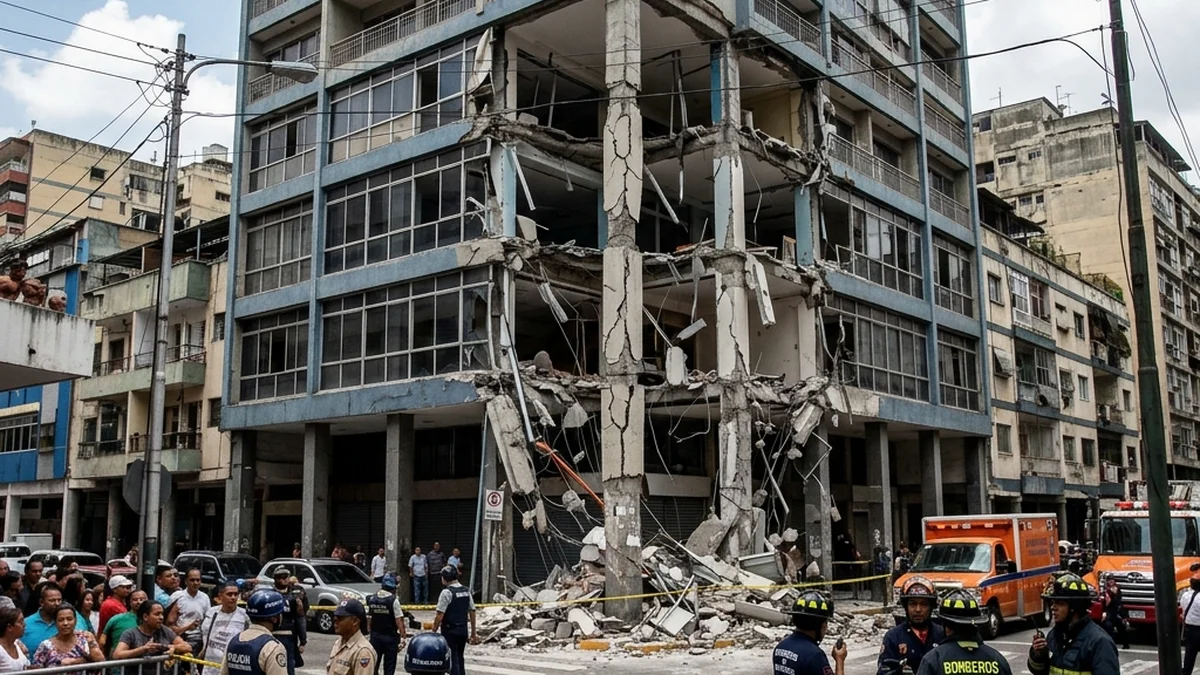
In the years following the 1967 earthquake, urban development in Caracas and surrounding areas has often prioritized rapid construction over safety considerations. As a result, many structures remain vulnerable to seismic events, raising concerns about potential future disasters. The combination of geological risk and structural fragility underscores the urgent need for improved building practices and disaster preparedness in the region.
Impact on the Population
The ongoing humanitarian crisis has severely affected the population, particularly in urban areas. The cutoff of electricity and water supplies has left many residents in dire conditions, struggling to access basic necessities. The temporary closure of Simón Bolívar International Airport has further complicated the situation, hindering the delivery of aid and the evacuation of those in need.
In a remarkable display of solidarity, citizens have taken it upon themselves to remove concrete debris by hand, as the shortage of heavy machinery has impeded recovery efforts. This grassroots initiative highlights the resilience and determination of the community to restore their living conditions despite the overwhelming challenges.
The following table outlines the damage and situation by region:
| Region | Building Collapses | Infrastructure Closures | Utility Service Loss Severity |
|---|---|---|---|
| La Guaira | 150 | 30 | Severe |
| Caracas | 200 | 50 | Critical |
The data illustrates the stark contrast between the two regions, with Caracas experiencing a higher number of building collapses and infrastructure closures, exacerbating the humanitarian crisis.
What Those Involved Say
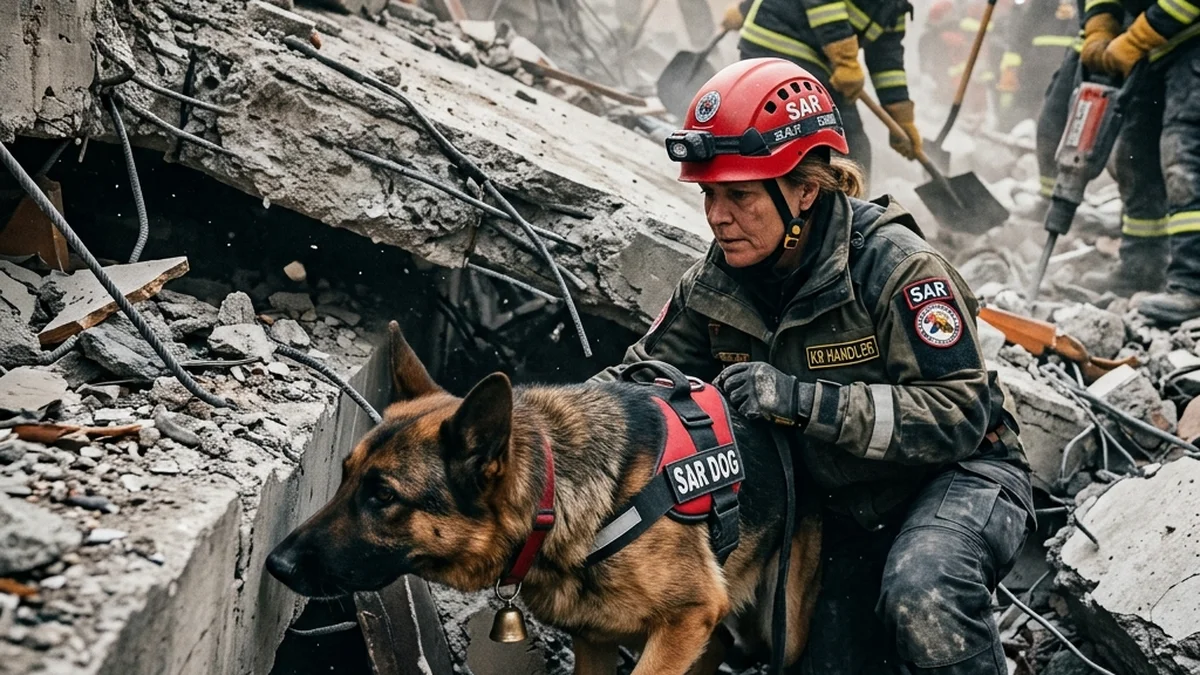
Members of the Civil Defense have expressed their commitment to rescue operations, emphasizing the urgency of their mission in the aftermath of the recent earthquake. They reported that search and rescue teams are working tirelessly to locate survivors trapped beneath the rubble, employing specialized equipment and trained dogs to enhance their efforts.
Interim President Delcy Rodríguez has called for national unity during this challenging time, urging citizens to come together in support of those affected. She has also appealed for international aid, stating that external assistance is crucial for recovery efforts. "We must unite as a nation and seek help from our international partners to rebuild and support our communities," Rodríguez remarked in a recent address.
Amidst the unfolding crisis, fact-checkers have issued warnings regarding the proliferation of AI-generated fake images depicting building collapses circulating on social media. They caution the public against misinformation that may exacerbate panic and confusion. "It is imperative to verify information before sharing, as misleading visuals can hinder our collective response to this disaster," a representative stated.
Next Steps
In the aftermath of the devastating earthquake that struck Venezuela, the government has initiated a comprehensive reconstruction plan aimed at restoring infrastructure and providing essential services to affected communities. This plan includes the allocation of significant financial resources to rebuild homes, schools, and hospitals, with a focus on enhancing structural resilience against future seismic events. International aid packages are also being mobilized, with contributions from various countries and organizations aimed at supporting immediate relief efforts and long-term recovery initiatives.
Closing
The resilience of the Venezuelan people has been profoundly tested by this natural disaster. Communities are coming together to support one another, demonstrating a remarkable spirit of solidarity in the face of adversity. As the nation embarks on the arduous journey of recovery and rebuilding, the commitment to overcoming these challenges remains steadfast. The collective efforts of local authorities, international partners, and citizens alike will be crucial in ensuring a safer and more resilient future for all.
Sources and References
- ReliefWeb OCHA
- El País América
- CNN en Español
- Telesur
- Seismological Service of Venezuela


