
Tragedy at Skeleton Bridge: The Real Dangers of Rope Jumping
On June 13, 2026, a heart-wrenching incident unfolded at the Skeleton Bridge, or Ponte do Esqueleto, straddling the border between Limeira and Cordeirópolis in São Paulo, Brazil. The picturesque yet perilous site, known for its breathtaking views and adrenaline-pumping activities, became the backdrop for a tragedy that would resonate deeply within the community. Maria Eduarda Rodrigues de Freitas, a vibrant 21-year-old, lost her life in a shocking accident when she jumped from a rope swing without the safety harness properly secured. Witnesses reported a moment of sheer exhilaration quickly turning into horror as the young adventurer plummeted to the ground below. This devastating event has not only stolen a promising life but has also sparked urgent conversations about safety protocols in extreme sports. Friends, family, and local residents are left grappling with the profound loss, while authorities are compelled to reassess the safety measures in place at popular recreational sites. As the community mourns, the incident serves as a somber reminder of the inherent risks involved in thrill-seeking activities and the critical importance of stringent safety regulations.
What Happened
On June 13, 2026, a tragic incident unfolded at the Skeleton Bridge, located on the border between Limeira and Cordeirópolis, São Paulo, Brazil. Maria Eduarda Rodrigues de Freitas, a 21-year-old thrill-seeker, attempted a daring jump from the bridge, which stands at a height of approximately 40 meters. Eyewitnesses reported that she appeared excited yet composed as she prepared for the jump, a popular activity among adventure enthusiasts.
However, the situation took a dire turn when it became evident that the safety rope, which is crucial for ensuring the jumper's safety, was left coiled on the platform and was not connected to her harness. As Maria launched herself off the edge, the realization of the oversight struck both the witnesses and the staff present. Panic ensued as onlookers screamed and rushed to the edge of the platform, helplessly watching her descent.
Witnesses described the moment as surreal, with many expressing disbelief at the unfolding tragedy. The sound of gasps filled the air as Maria fell, and emergency services were immediately alerted. Despite the rapid response, the gravity of the situation left an indelible mark on those present, highlighting the critical importance of safety protocols in adventure sports. The incident has since raised questions regarding the adherence to safety measures at such high-risk venues.
Context and History
The Skeleton Bridge, an abandoned railway structure located in Limeira, Brazil, has become a focal point of controversy following a tragic incident involving rope jumping activities. Despite its allure for thrill-seekers, the bridge lacks the necessary authorization from the São Paulo Urban Planning Unit (SPU) for such extreme sports. This regulatory oversight raises significant safety concerns regarding the use of the site for high-risk activities.
In the wake of a fatal accident that occurred during a rope jumping event, the São Paulo Civil Police initiated an investigation into the circumstances surrounding the incident. The inquiry led to the indictment of three instructors from the 'Entre Cordas' group, who were charged with qualified homicide, reflecting the serious implications of their decision to proceed with the jump despite the absence of proper authorization and safety measures.
The investigation scrutinized the instructors' adherence to safety protocols, particularly the adequacy of the equipment used during the jump. The legal ramifications of their actions underscore the potential consequences of operating in unauthorized locations, where the risks to participants are significantly heightened.
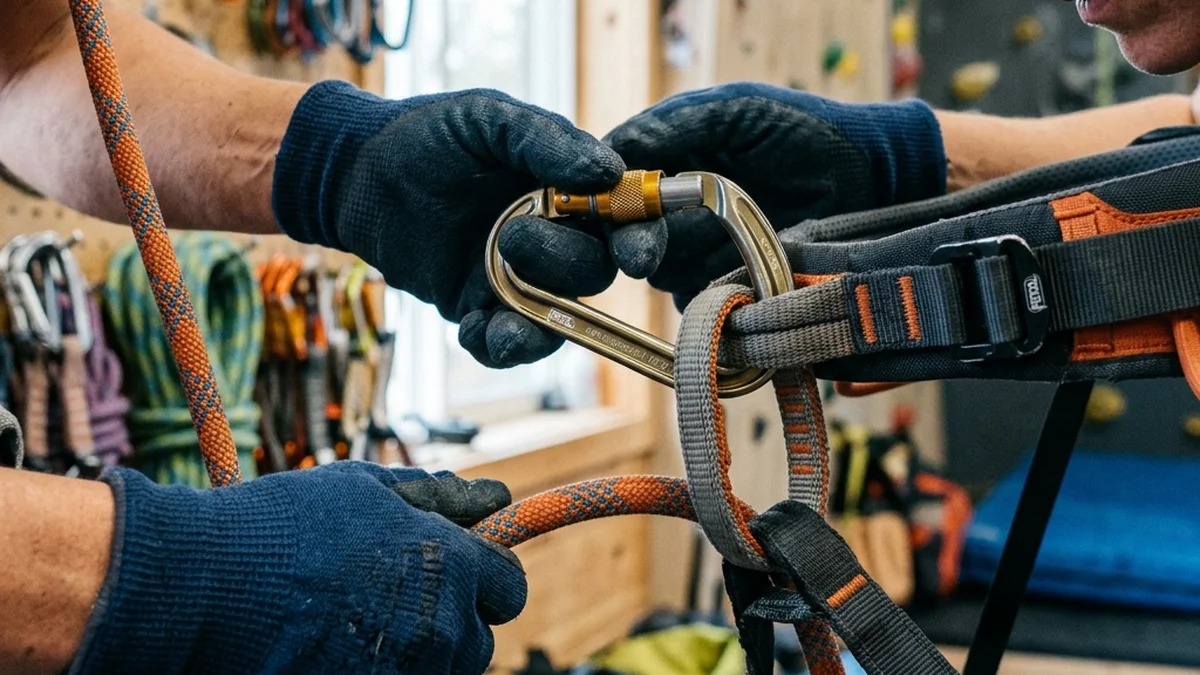
This case has sparked a broader dialogue about the regulation of extreme sports and the responsibilities of instructors in ensuring participant safety.
Impact on the Population
The absence of regulation and oversight for rope jumping in Brazil has raised significant concerns regarding public safety. Unlike bungee jumping, which is governed by ABNT standards, rope jumping lacks a formal framework to ensure participant safety. This regulatory gap has become particularly evident in light of incidents such as the Limeira case, where safety protocols were not adequately followed.
In the Limeira case, the lack of a structured safety protocol contributed to severe injuries among participants. The absence of double checklists and clear task division among staff members resulted in critical oversights that jeopardized the safety of jumpers. This situation highlights the urgent need for regulatory measures to protect individuals engaging in high-risk activities like rope jumping.
The following table illustrates the stark contrast between the existing safety standards for bungee jumping and the failures observed in the Limeira incident:
| Standard Safety Regulation | Failures Registered in the Limeira Case |
|---|---|
| Mandatory double checklists | No double checklists implemented |
| Defined task division among staff | Task division unclear and poorly executed |
| Regular safety training required | Inadequate staff training |
| Compliance with ABNT standards | No adherence to any formal standards |
The implications of these discrepancies are profound, emphasizing the need for immediate regulatory action to safeguard the public.
What Those Involved Say
In the aftermath of the tragic incident at the Ponte do Esqueleto, instructors involved have provided conflicting accounts regarding their responsibilities during the rope jump activity. One instructor stated, "There was a blackout moment; I simply do not remember who was supposed to check the rope." This admission raises concerns about the adherence to safety protocols that are critical in extreme sports. Another instructor echoed similar sentiments, emphasizing the chaotic nature of the event and the overwhelming pressure they faced.
Additionally, law enforcement has arrested several individuals associated with the event for allegedly concealing the victim's GoPro camera, which was believed to contain crucial footage of the incident. Authorities suspect that the camera's removal was an attempt to obstruct the investigation. A police spokesperson remarked, "The actions of these individuals will be thoroughly examined as part of our ongoing inquiry into the circumstances surrounding this tragedy."
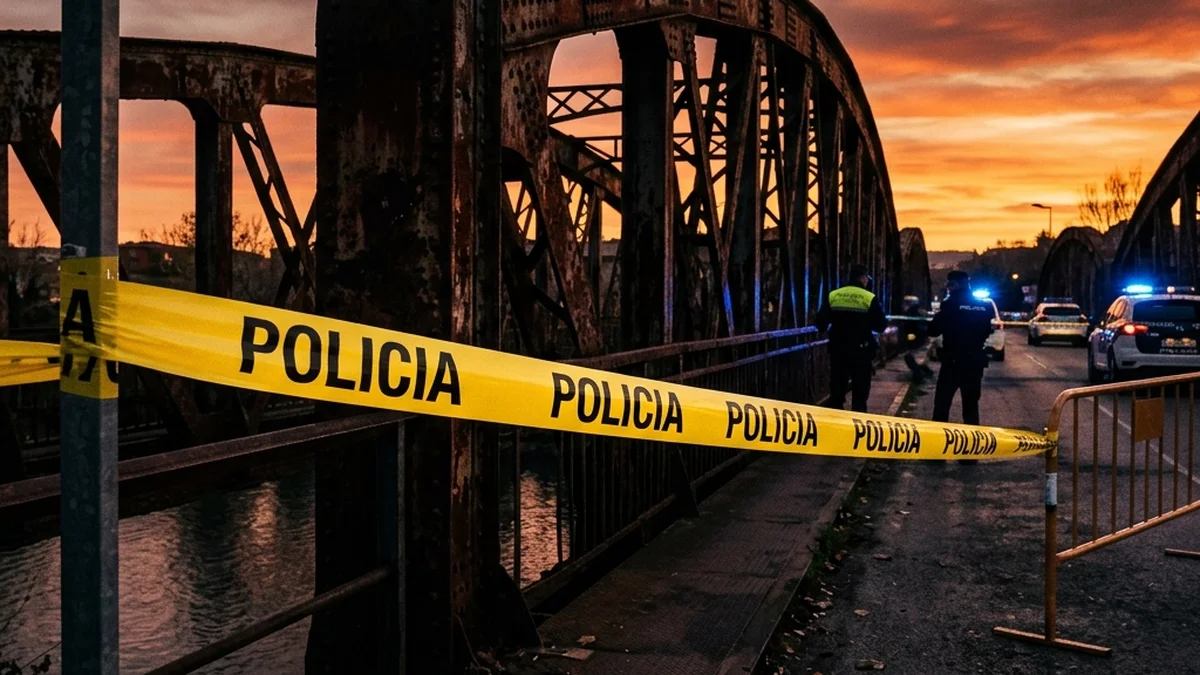
The situation continues to unfold as investigators seek to piece together the events leading up to the fatal accident.
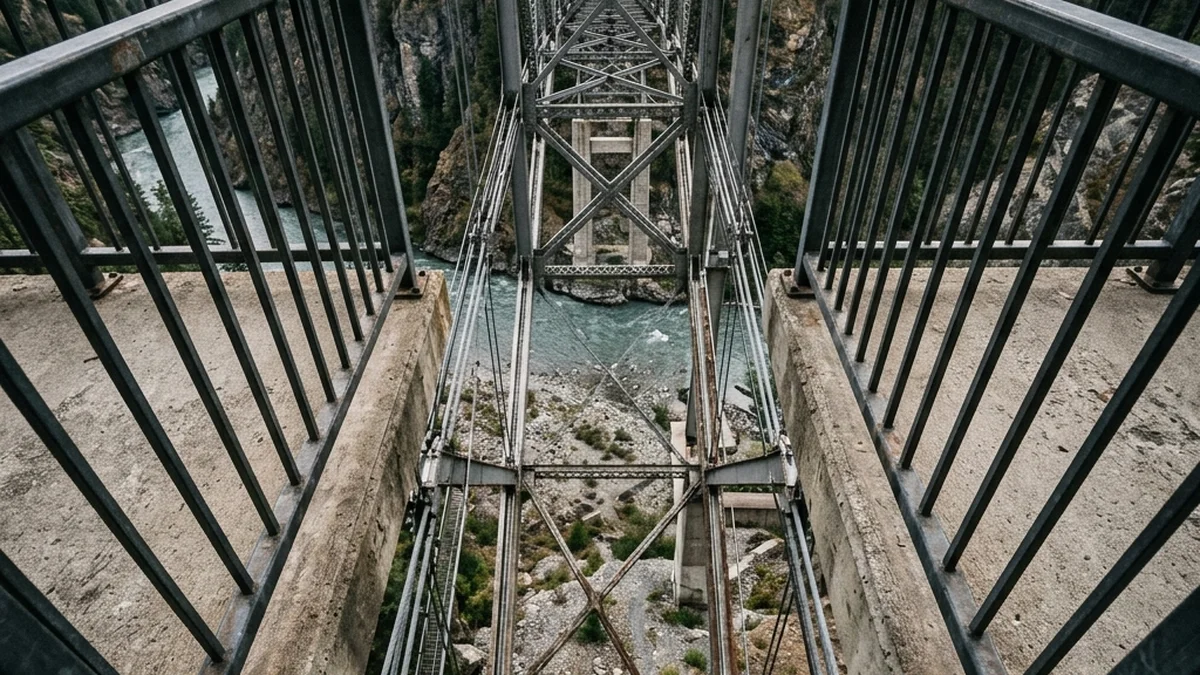
Other Cases and Prevention
The tragic incident in November 2024, where a 24-year-old tourist lost her life during a bungee jump at Lagoa Azul Ecological Park in Paraná, underscores the critical importance of stringent safety measures in extreme sports. The young woman collided with rocks during her jump, prompting investigations into the park's safety protocols and the licensing of instructors. This case highlights the necessity for participants to verify that operators possess the required permits and that instructors are adequately trained and certified. Such precautions are essential to mitigate risks associated with high-adrenaline activities.
Closing
The loss of a young life in extreme sports serves as a somber reminder of the inherent dangers involved. It emphasizes the need for both participants and operators to prioritize safety above all else. As thrill-seekers continue to flock to adventure sports, ensuring that rigorous safety standards are upheld is paramount to prevent further tragedies.
Sources and References
- G1 Globo
- CNN Brasil
- SPU
- Civil Police of São Paulo
- Revista Fórum

