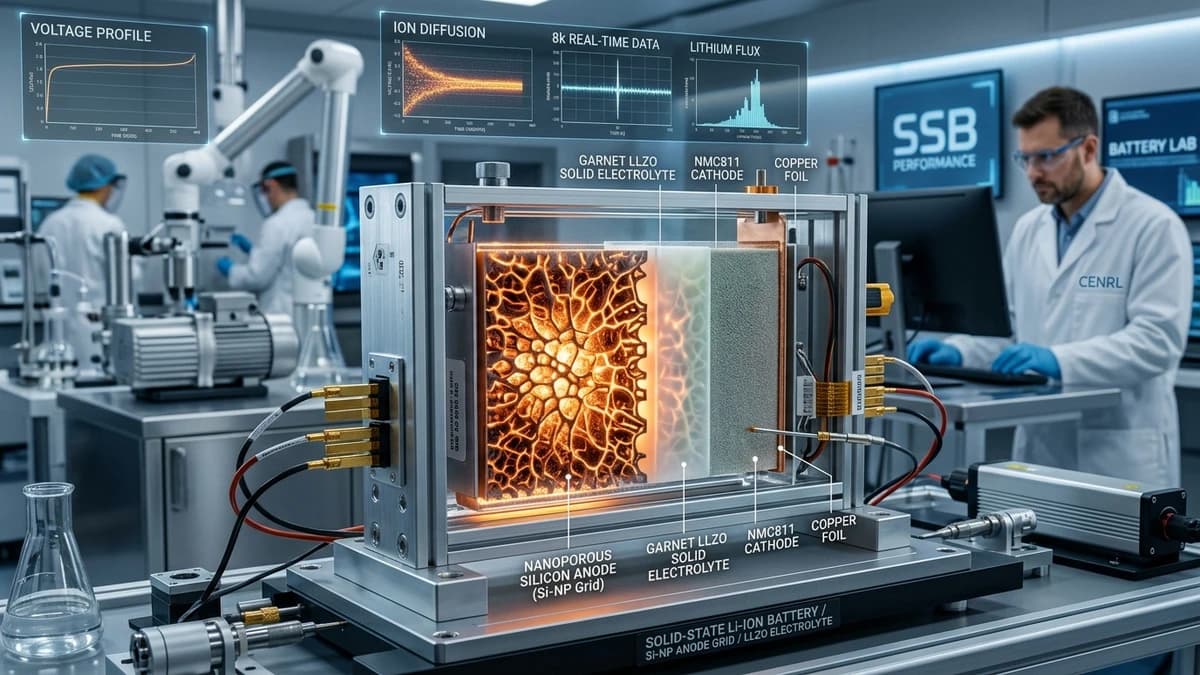
The Era of Humanoid Robots Has Arrived — And It's Not Science Fiction
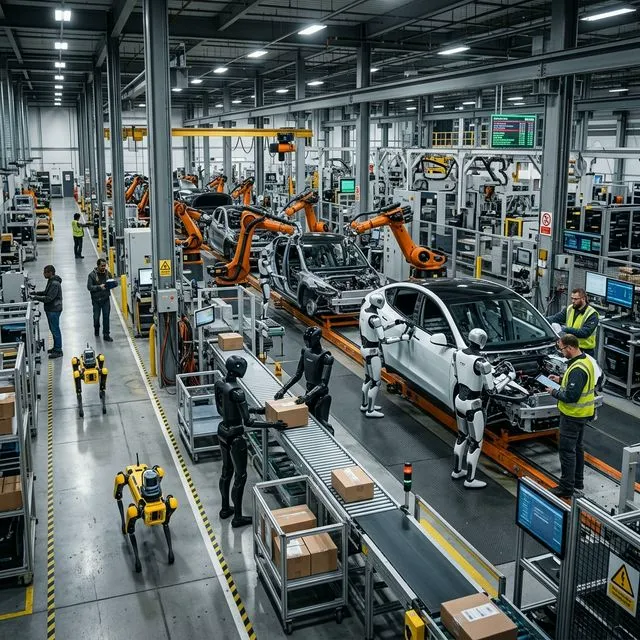
In January 2026, something that seemed impossible just five years ago became reality: humanoid robots are working in factories alongside humans. Not as unstable prototypes in controlled demonstrations, but as real workers, completing shifts, carrying parts, and following complex instructions.
Tesla has already placed dozens of Optimus Gen 3 units in its own assembly lines. Figure AI has raised over $2 billion in investments. Boston Dynamics transformed its Atlas — once a parkour acrobat from viral videos — into a serious industrial machine.
We're witnessing the beginning of a revolution that could be as transformative as the internet. But with this revolution come difficult questions: how much do they cost? Will they steal our jobs? And how far does this technology go?
The Main Players in the Race
Tesla Optimus (Gen 3)
Optimus is Elon Musk's most ambitious project after electric cars and SpaceX. What started as a joke (remember the "robot" that was a person in costume at AI Day 2021?) became something frighteningly real:
- Height: 1.73m | Weight: 57kg
- Load capacity: Up to 20kg per arm
- Battery: 2.3 kWh (autonomy of ~16 hours in light activity)
- Walking speed: Up to 8 km/h
- Hands: 22 degrees of freedom (almost like human hands)
- Estimated sale price: $20,000 - $30,000
Musk claims Optimus will be "Tesla's largest product by revenue" and that the company plans to produce millions of units by 2030.
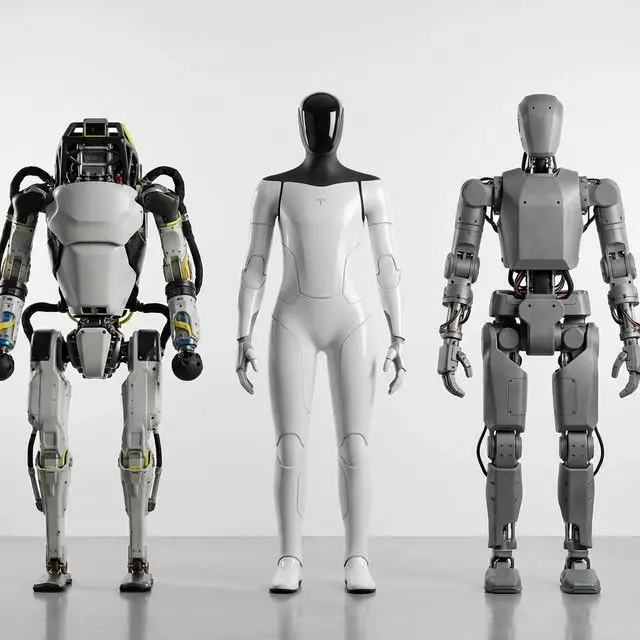
Figure 02
The startup Figure AI, backed by Jeff Bezos, Microsoft, and OpenAI, launched its second model with impressive capabilities:
- Generative AI integration: Uses language models to understand natural language commands
- Learning by demonstration: Just show a task once and the robot learns
- BMW partnership: Already on assembly lines at the Spartanburg factory (USA)
- Total investment: $2.6 billion in funding
- Valuation: $12 billion (one of the most valuable startups in history)
Boston Dynamics Atlas (Electric Version)
Veteran Boston Dynamics — famous for viral videos of robots doing parkour — retired the hydraulic Atlas in 2024 and launched a fully electric version:
- Design: Lighter and quieter than the hydraulic version
- Rotary joints: Can rotate 360° (something impossible for humans)
- Industrial focus: Designed for factory work, no longer for demonstrations
- Partner: Hyundai (owner of Boston Dynamics) already testing in its factories
Other Competitors
The race isn't limited to the big three:
| Company | Country | Model | Highlight |
|---|---|---|---|
| Agility Robotics | 🇺🇸 USA | Digit | Already working at Amazon |
| 1X Technologies | 🇳🇴 Norway | NEO | Focus on domestic use |
| Unitree | 🇨🇳 China | H1 | Ultra-competitive pricing |
| Xiaomi | 🇨🇳 China | CyberOne 2 | Smart home ecosystem integration |
| Sanctuary AI | 🇨🇦 Canada | Phoenix | Most advanced cognitive AI |
How Modern Humanoid Robots Work
Hardware: The Body
2026's humanoid robots are engineering marvels. A typical model has:
- 28 to 44 actuators (motors that move joints)
- Hands with 10-22 articulated fingers capable of manipulating delicate objects
- Force and torque sensors at each joint
- Stereoscopic cameras for 3D vision
- LIDAR for environment mapping
- Tactile sensors on fingertips
- Gyroscope and accelerometer for balance
Software: The Brain
The real revolution isn't in the body — it's in the AI:
- Language models (LLMs): Allow the robot to understand natural language commands ("pick up the red box and place it on the conveyor")
- Computer vision: Identifies objects, people, and obstacles in real time
- Reinforcement learning: The robot improves with practice, like a human
- Simulation training: Millions of hours of practice in virtual environments before going to the real world
- Motion planning: Algorithms that calculate the most efficient trajectory for each action
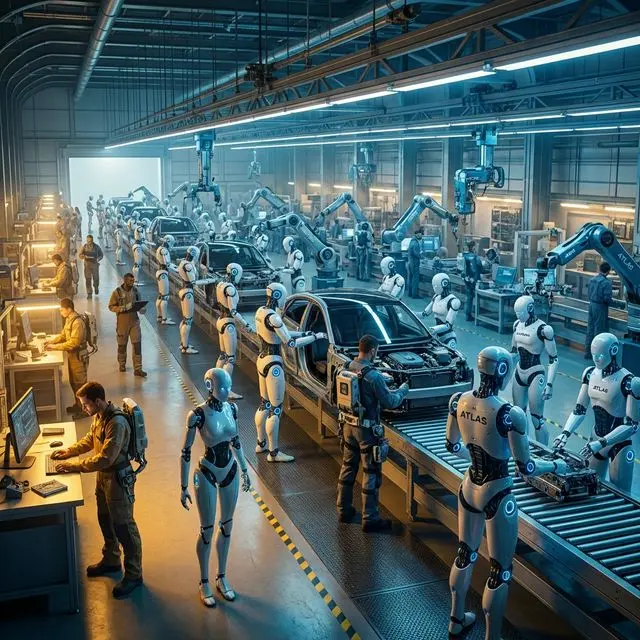
Where They're Already Working
Factories (Pilot)
- Tesla: Optimus Gen 2 and Gen 3 at Fremont and Austin factories
- BMW: Figure 02 at the Spartanburg plant
- Amazon: Digit from Agility Robotics in distribution centers
- Hyundai: Electric Atlas in factories in South Korea
Sectors with Greatest Potential
- Logistics and warehousing: Loading, organizing, and transporting boxes
- Manufacturing: Assembly, quality inspection, welding
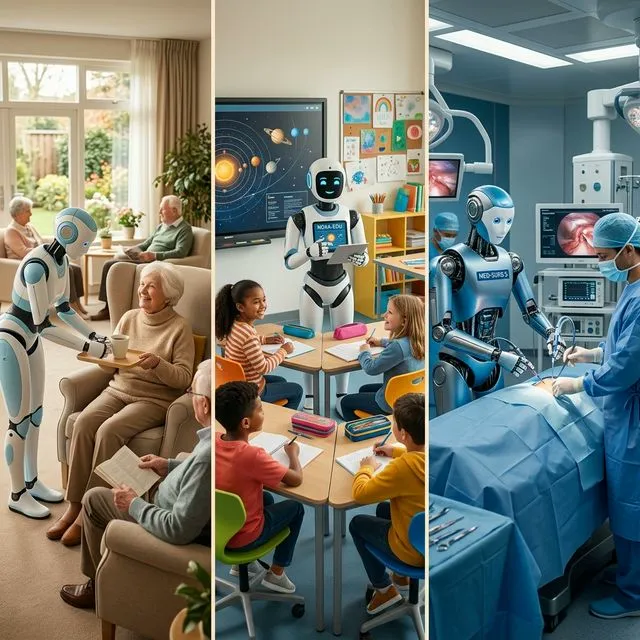
- Healthcare: Elderly assistance, patient transport
- Construction: Repetitive and dangerous work
- Agriculture: Fruit and vegetable harvesting
- Retail: Shelf restocking, basic customer service
How Much They Cost — And the Business Model
Current Prices
| Robot | Estimated Price | Sales Model |
|---|---|---|
| Tesla Optimus | $20,000 - $30,000 | Direct sale |
| Figure 02 | $50,000 - $100,000 | Industrial leasing |
| Atlas (BD) | Not for sale | Hyundai only |
| Digit (Agility) | $25,000/year | RaaS (Robot as a Service) |
| Unitree H1 | $16,000 | Direct sale |
RaaS: Robot as a Service
The fastest-growing model is RaaS (Robot as a Service), similar to SaaS:
- Companies rent robots instead of buying
- Monthly payment of $5,000 to $15,000 per unit
- Including maintenance, software updates, and support
- No heavy upfront investment
The math makes sense: a warehouse worker in the US costs ~$38,000-50,000/year. A RaaS robot costs ~$60,000-180,000/year, but works 24/7 without breaks, vacations, or health insurance.
The Great Debate: Jobs
The Fear
The McKinsey Global Institute estimates that up to 12 million Americans may need to change professions by 2030 due to automation. Most vulnerable roles:
- Assembly line workers
- Warehouse workers
- Delivery drivers
- Security guards
- Fast-food attendants
The Reality (So Far)
However, the history of automation shows that new technologies create more jobs than they destroy:
- The ATM didn't end bank tellers — it changed their roles
- The internet destroyed physical bookstores but created the digital economy
- Industrial robots of the 80s led to more manufacturing jobs (technicians, programmers)
Emerging Professions
- Robotic fleet operators: Supervise 10-50 robots simultaneously
- Robot trainers: Teach new tasks through demonstration
- Robotic prompt engineers: Program instructions in natural language
- Humanoid maintenance technicians: Hardware robotics specialists
- Robotic experience designers: Create human-robot interaction interfaces
Impact in Brazil
Brazil is watching the humanoid revolution closely:
- Embraer is studying robot use in aircraft assembly lines
- Stellantis (Fiat/Jeep) plans pilot projects at Betim-MG factories
- Magazine Luiza is evaluating use in distribution centers
- SENAI already offers robotics and humanoid maintenance courses
The question for Brazil is: will we be producers or just consumers of this technology? Countries that dominate robotics (USA, China, Japan, Korea) also dominate the global economy.
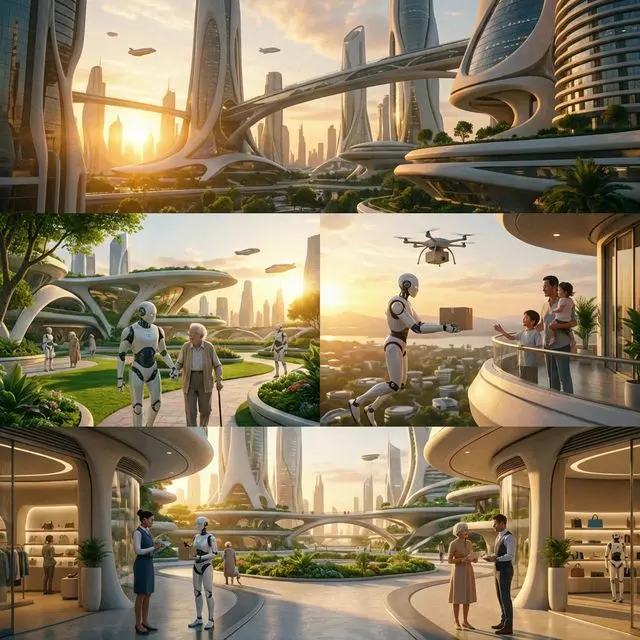
The Future: 2026-2035
Expert Predictions
- 2026-2027: First thousands of units in factories (beginning of mass adoption)
- 2028-2029: First affordable domestic models (<$15,000)
- 2030: Tesla projects 1 million Optimus manufactured per year
- 2032: Humanoid robots in schools, hospitals, and nursing homes
- 2035: Elon Musk predicts 1 robot per human (very optimistic, but...)
The Economic Scenario
Goldman Sachs estimates the humanoid robot market will reach:
- $6 billion in 2025
- $38 billion in 2030
- $154 billion in 2035
For context: that's larger than the global smartphone market was in 2010.
Frequently Asked Questions
Will humanoid robots replace all jobs?
No. Automation historically changes the nature of work but doesn't eliminate work itself. Repetitive and dangerous functions will be automated first, while creative, emotional, and decision-making work will remain human.
When can I have a humanoid robot at home?
Probably between 2028-2030 for the first affordable models (<$15,000). For a robot truly capable of complex household tasks (cooking, cleaning, organizing), perhaps 2032-2035.
Are robots dangerous?
All modern models have redundant safety systems: force sensors that stop movement upon detecting unexpected contact, exclusion zones around humans, and emergency buttons. Accidents are possible but rare.
Who leads the race?
Tesla (by volume and ambition), Figure AI (by AI technology), and Boston Dynamics (by experience). China with Unitree and Xiaomi is the dark horse with unbeatable prices.
Conclusion: The Beginning of a New Era
We're at a moment similar to the emergence of the smartphone in 2007. The technology is still imperfect, too expensive for most, and limited in applications. But the pace of evolution is too fast to ignore.
In 10 years, humanoid robots will be as present in our lives as smartphones are today. The question isn't if this will happen, but how we'll prepare for this reality.
For workers, the message is clear: invest in skills that robots can't replicate — creativity, empathy, critical thinking, and adaptability. The future belongs to those who collaborate with the machine, not those who compete against it.
Sources and References
- Tesla AI - Optimus
- Figure AI
- Boston Dynamics - Atlas
- Goldman Sachs - Humanoid Robot Market Report
- McKinsey - Future of Work Report
Last updated: February 14, 2026