Filipe Salomão: I encourage anyone harboring the desire to write to begin immediately, even if it starts as a private personal project. Creative writing can be deeply therapeutic: sitting down, organizing thoughts, and seeing what narrative emerges on the page. If the objective is commercial publication, modern independent platforms like Amazon Kindle make the pathway far more accessible than traditional gatekeepers ever allowed. The most crucial advice is simple: stop waiting for an ideal moment that never arrives. Just start writing.
Filipe Salomão: Absolutely. From its initial outline, the project was envisioned as an expansive series. I have already drafted narrative threads, background lore, and supplementary materials to broaden the universe, so Dead Cities still has extensive stories waiting to be told.
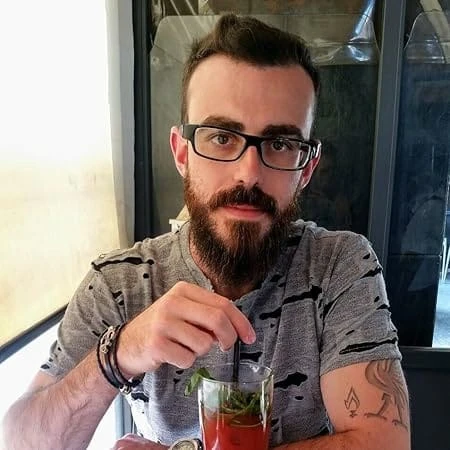
Born in 1988 and living in São Caetano do Sul, Filipe Salomão represents a dynamic generation of Brazilian independent authors. Having worked previously as a professional drummer, banking employee, systems analyst, and entertainment journalist at the gaming portal Combo Infinito, Salomão synthesizes multidisciplinary life experiences into his prose.
Characterizing his narrative philosophy as "fiction infused with reality, and reality seasoned with fiction," the author views writing as both a rigorous craft and an introspective mechanism. Leveraging Amazon's global Kindle Direct Publishing infrastructure, Salomão exemplifies the independent digital movement delivering sophisticated local storytelling to audiences hungry for grounded South American narratives.
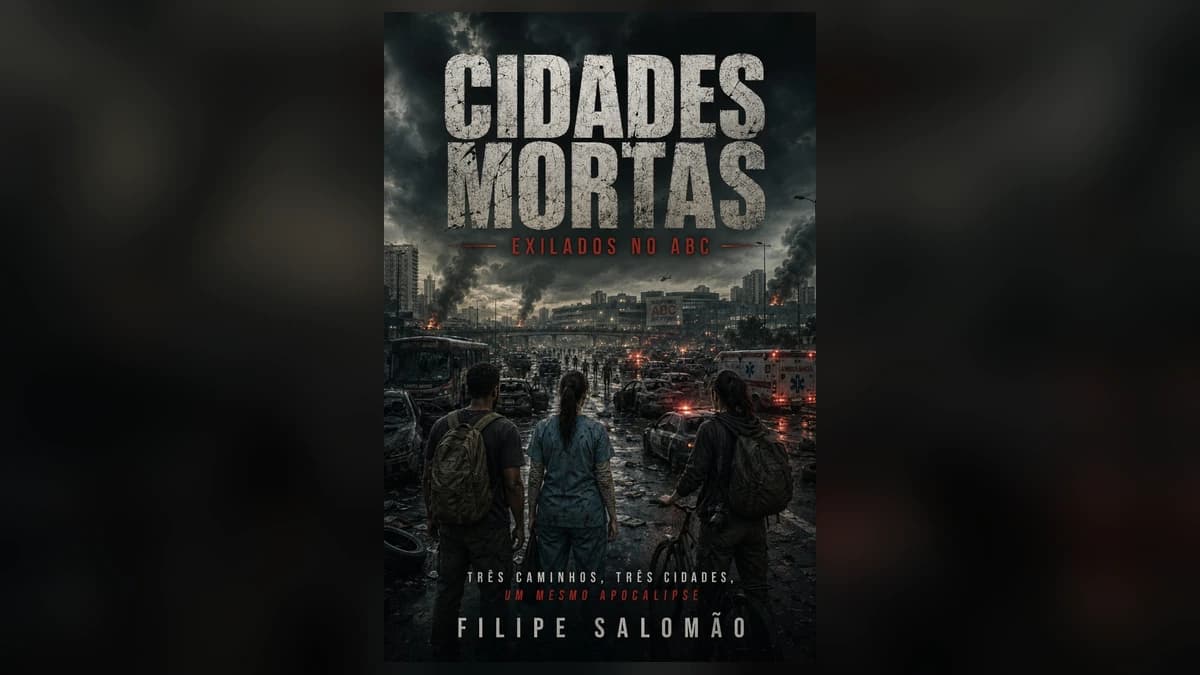
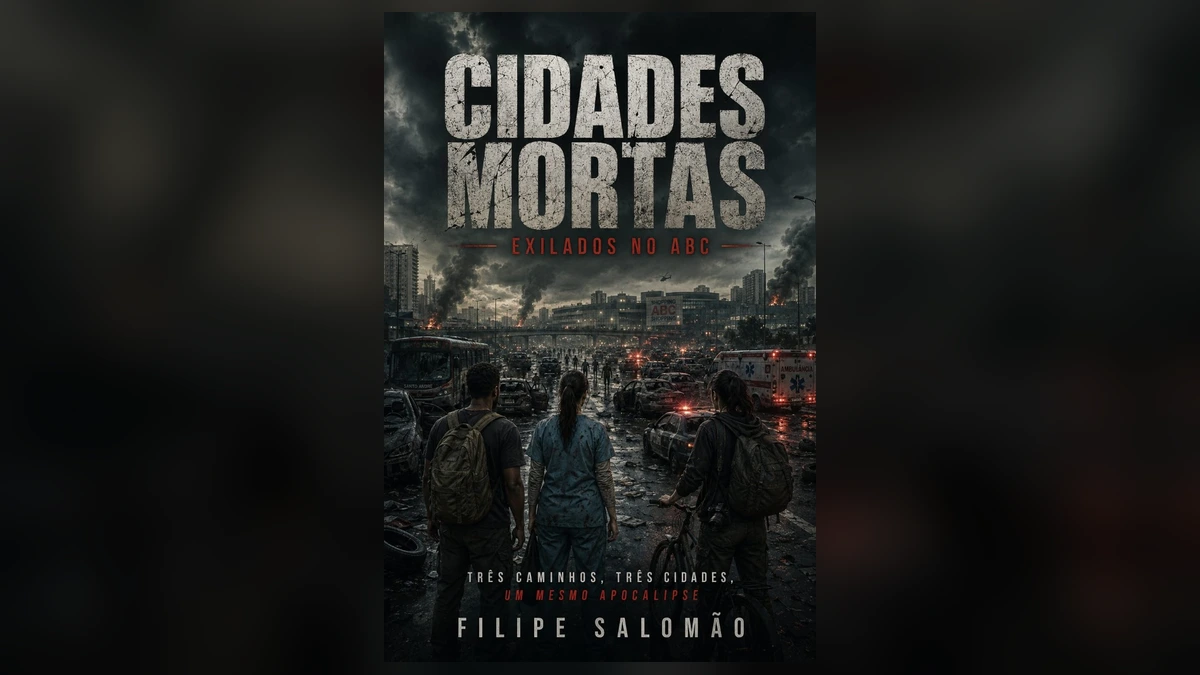
What elevates Filipe Salomão's Dead Cities: Exiles in the ABC (Cidades Mortas: Exilados no ABC) within contemporary Latin American speculative literature is its rigorous integration of real-world urban logistics, industrial geography, and civil defense vulnerabilities across Santo André, São Bernardo do Campo, and São Caetano do Sul. Drawing directly from his professional background in systems analysis, Salomão treats the viral collapse not as a supernatural abstraction, but as a cascading failure of interconnected metropolitan networks—from the supply bottlenecks along the Anchieta-Imigrantes highway corridor to the acoustic hazards of densely packed metallurgy plants and high-rise residential blocks. Every tactical decision made by protagonist Bruno reflects verifiable spatial constraints, caloric rationing mathematics, and line-of-sight acoustics familiar to residents of Greater São Paulo.
By anchoring psychological trauma and moral ambiguity inside recognizable Brazilian municipal landmarks rather than imported North American suburban tropes, the novel establishes a benchmark for regional dystopian world-building. Readers and literary critics alike have noted that the narrative's tension derives precisely from the friction between algorithmic rationality and human grief when institutional order evaporates overnight.
For readers interested in high-tension psychological fiction and grounded apocalyptic scenarios, the book is available digitally: