Ukraine-Russia Ceasefire Takes Effect After Air Strikes

At 00:00 hours on May 6, 2026, the most extensive and precarious cessation of military hostilities in the Russia-Ukraine war since the full-scale invasion began in 2022 formally entered into effect. Proposed by Ukrainian President Volodymyr Zelensky, the diplomatic initiative established a unilateral 30-day renewable truce, met by Russian President Vladimir Putin with a strictly bounded 72-hour operational pause designed around Moscow's traditional Victory Day commemorations on Red Square.
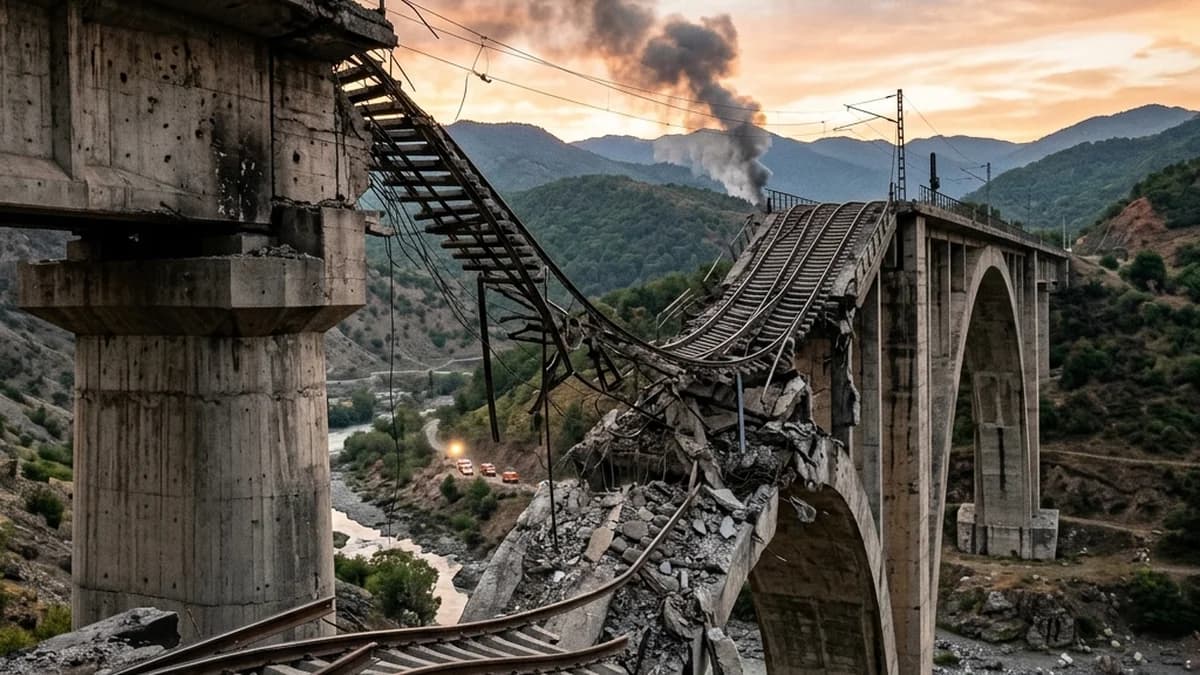
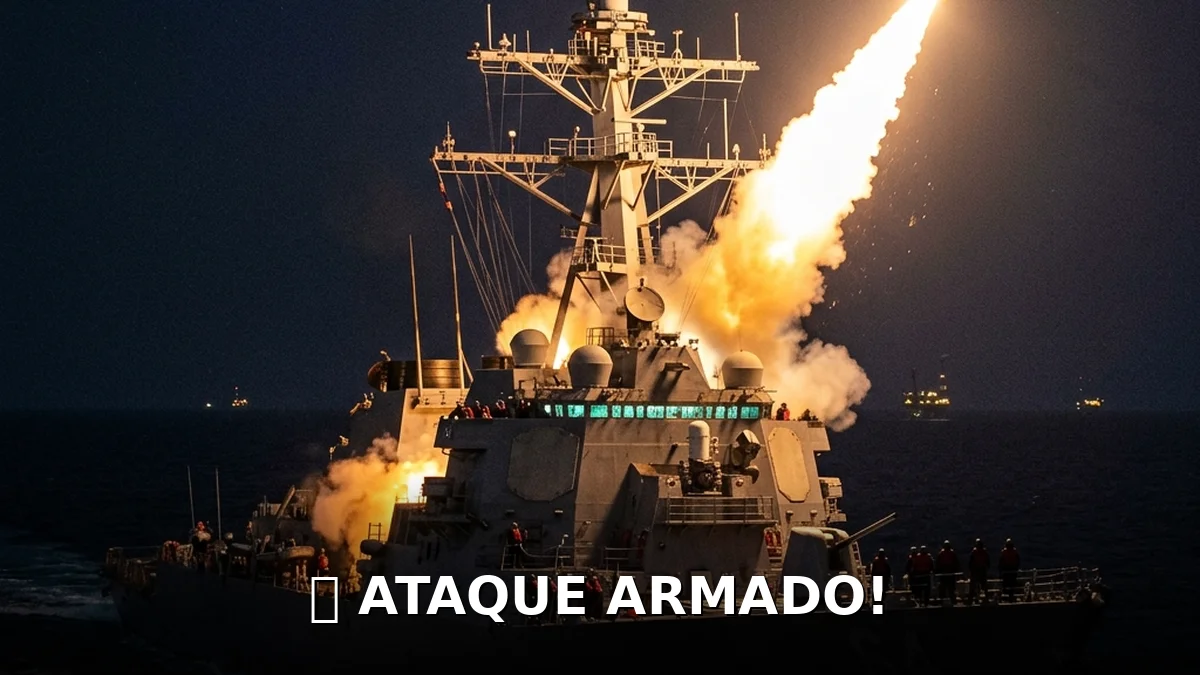
The sudden silence descending upon frontline trenches arrived in the wake of a furious and destructive overnight exchange of long-range air strikes, as both military commands sought to exhaust queued munitions to secure residual tactical advantages before international surveillance assets began monitoring troop stillness. That final burst of violence before midnight resulted in at least 47 documented civilian and military casualties, while inflicting severe damage on Ukrainian electrical grids and Russian fuel refining hubs.
Implementing an effective truce along an active combat front stretching over one thousand kilometers represents the most intricate military verification challenge in Europe since the conclusion of the Second World War. While Kiev seeks to demonstrate to Western allies its sincere openness to negotiated diplomacy preserving sovereign borders, Moscow's command structure is utilizing the operational interval to rotate mechanized battalions and replenish ammunition depots across the southern axis of occupation.
The Temporal and Operational Asymmetry Between Kiev and Moscow
The operational framework of the May 2026 ceasefire was engineered amidst profound, mutual tactical distrust. Volodymyr Zelensky's initial broadcast to the nation on May 4 granted military units a 48-hour coordination window to disengage offensive spearheads and secure defensive lines across the provinces of Donetsk, Luhansk, Zaporizhzhia, and Kherson.
The Ukrainian unilateral declaration stipulated:
- Complete Suspension of Mechanized Ground Offensives: An explicit ban on armored assaults, mechanized incursions, and tactical infantry advances beyond established positions occupied as of 23:59 on May 5.
- Halt on Deep Drone Strikes Against Infrastructure: A temporary suspension of deep-strike missions conducted by the Unmanned Systems Forces against fuel refineries, electrical infrastructure, and military airfields inside the Russian Federation.
- Ten-Day Review Cadence: A thirty-day operational window subject to mandatory joint reviews every ten days, contingent upon observable battlefield reciprocity by Russian forces.
Conversely, the formal response issued by the Russian Ministry of Defense in Moscow rejected committing to an open-ended thirty-day horizon. The Kremlin announced a tightly constrained protocol restricted to seventy-two hours — lasting from midnight on May 6 through 23:59 on May 8 —, ensuring calm during the sacred national celebrations of Victory Day on May 9 while conditioning any subsequent extension on the de facto acceptance of Russia's territorial control in occupied regions.
The Intense Overnight Bombardment Preceding the Truce
The final twenty-four hours before midnight on May 6 unleashed one of the most destructive and concentrated firepower exchanges witnessed in 2026. Artillery commanders and missile crews on both sides expended launch-ready stockpiles to alter local defensive balances before orbital reconnaissance took effect.
Ukrainian air defense batteries worked at peak capacity attempting to intercept incoming waves of over 180 Shahed-136 loitering drones and thirty hypersonic Iskander-M ballistic missiles launched from forward bases in Belgorod and occupied Crimea. Strikes targeted critical electrical substations operated by energy utility DTEK across Dnipro, Kiev, and Kharkiv, disrupting regional high-voltage transmission networks and plunging hundreds of thousands of civilians into blackout conditions.
Almost simultaneously, long-range attack drone swarms launched by Ukrainian military intelligence (GUR) penetrated deep into Russian airspace, striking six primary petroleum refining facilities and fuel storage hubs across Krasnodar Krai and Ryazan Oblast, igniting towering industrial blazes visible for miles. This destructive crescendo of warfare claimed 47 lives across civilian and military personnel, reaffirming the tragic historical pattern whereby the eve of an impending ceasefire often generates the most acute spikes in battlefield casualties.
Monitored Sectors and Ceasefire Verification Architecture
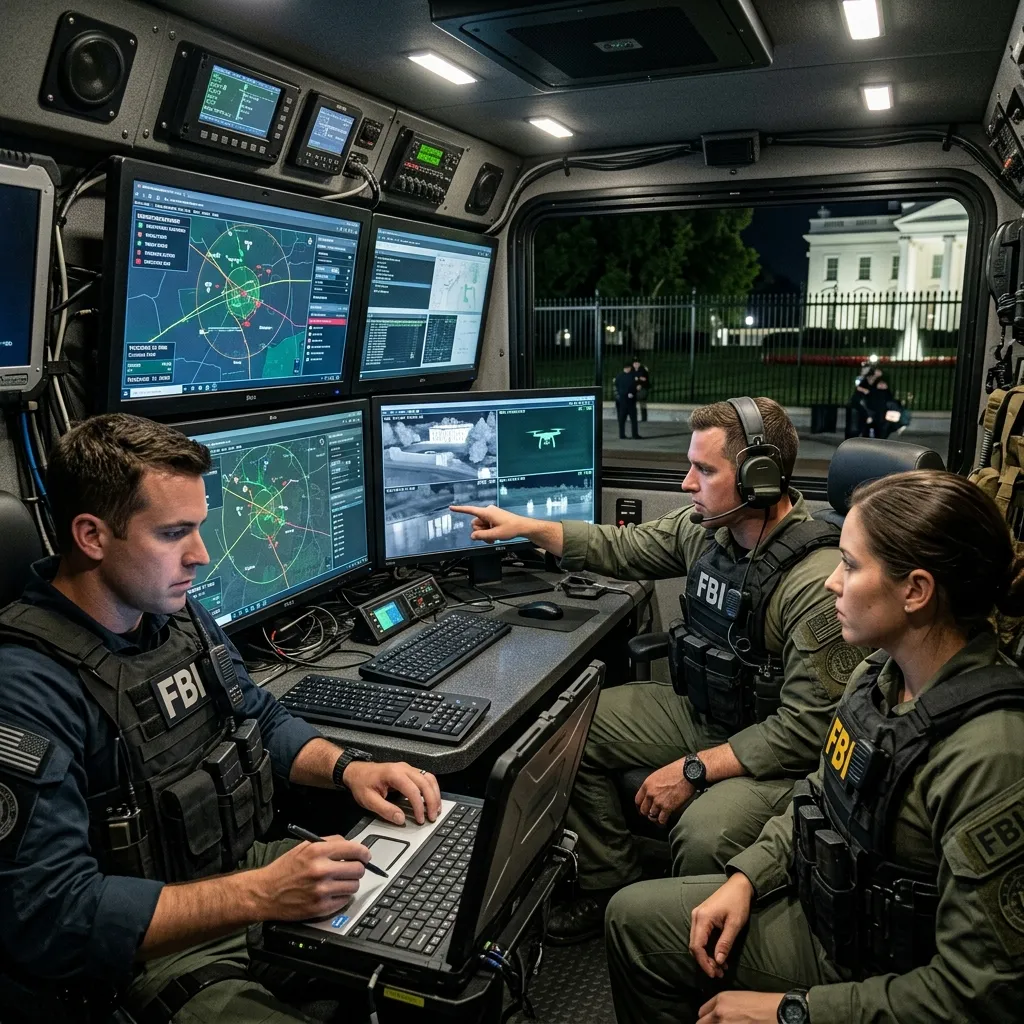
Preserving the integrity of this fragile truce across heavily fortified frontlines requires continuous technological oversight focused on high-risk friction points:
| Operational Sector / Frontline | Pre-Truce Combat Dynamics | Operational Status Under Ceasefire | Technical Verification Body | Critical Risk of Breach |
|---|---|---|---|---|
| Pokrovsk Sector (Donetsk) | Grinding urban combat and armored assaults | Heavy artillery silenced completely | Synthetic Aperture Radar (NATO & EU) | Covert night infiltration by light infantry |
| Zaporizhzhia Nuclear Plant | Shelling near external defensive perimeters | Demilitarized protected neutral zone | Permanent IAEA on-site inspection corps | Grid disconnects and cooling power failures |
| Dnipro River Basin (Kherson) | Amphibious raids with fast assault boats | Tactical riverine movement suspended | OSCE high-altitude drone tracking flights | Drifting river mines and sniper engagements |
| Northern Border (Sumy & Kursk) | Persistent cross-border artillery shelling | Howitzers and mortars silenced | Trilateral de-escalation center in Ankara | Rogue mortar fire by paramilitary units |
| Kupiansk Sector (Kharkiv) | Russian mechanised assaults on rail lines | Entrenched frontline frozen in place | Orbital thermal infrared satellite sensors | Close proximity under one hundred meters |
This tactical mapping demonstrates that although direct explosions ceased on the morning of May 6, the extreme physical proximity between opposing forces entrenched mere tens of meters apart creates constant risks of accidental re-engagement.
The Role of International Mediation in Ankara
The diplomatic bridge that enabled this synchronized pause was brokered through Turkish diplomacy. Leveraging its unique position as a NATO member state maintaining active, high-level diplomatic channels with both Moscow and Kiev, Turkish President Recep Tayyip Erdoğan spearheaded round-the-clock telephone consultations during the first week of May.
The agreed mechanism establishes an operational de-escalation center based in Ankara, staffed by neutral liaison officers tasked with investigating alleged ceasefire breaches before they trigger automatic battlefield retaliation. Furthermore, the Turkish foreign ministry offered Istanbul as a neutral host city for comprehensive diplomatic discussions regarding regional security architectures while weapons remain silent.
The economic and humanitarian dividends of the ceasefire registered immediately across European financial and energy markets: benchmark Dutch Title Transfer Facility (TTF) natural gas futures plunged 18% within hours of the announcement, easing energy anxiety across European capitals and facilitating gas storage injections ahead of next winter.
Statements from World Leaders and Outlook for May 9
Official declarations from the primary leaders involved underscore the divergent expectations surrounding the military pause:
Volodymyr Zelensky (President of Ukraine):
"Our directive to suspend offensive actions is neither an act of weakness nor a surrender of our legitimate territorial integrity. It serves as an open and verifiable test before the global community. If the regime in Moscow possesses genuine intent for peace, let their artillery remain silent. Our armed forces preserve the inalienable right to immediate self-defense and will strike back with overwhelming force if our perimeter is violated."
Vladimir Putin (President of the Russian Federation):
"Russian armed forces are faithfully observing this humanitarian pause out of sacred respect for the heroes of the Great Patriotic War and Victory Day. Any subsequent assessment regarding extensions beyond the holiday will depend strictly on Kiev's battlefield conduct and their recognition of grounded geopolitical realities."
António Guterres (Secretary-General of the United Nations):
"The cessation of hostilities provides a desperately needed humanitarian respite. We strongly urge all parties to transform this temporary window of quiet into genuine, structured peace talks that can finally alleviate four years of tragic suffering endured by civilian populations."
The decisive turning point for the durability of the ceasefire will arrive on May 9. If the Kremlin opts to resume missile and drone strikes against Ukrainian population centers once its 72-hour holiday window concludes, Zelensky's 30-day framework will collapse, plunging the European continent back into a high-intensity war of attrition.
Systematic Observations and Future Horizons in Zelensky 30 day truce Putin Victory Day
Within the investigative scope of Ukraine Russia Ceasefire Takes Effect After Air Strikes, synthesizing the performance data of 00:00 hours on May 6, 2026 with the core parameters of Ukraine Russia ceasefire May 2026 deepens scientific comprehension of the mechanisms detailed in The Temporal and Operational Asymmetry Between Kiev and Moscow. Independent evaluations anchored at the 00 hours benchmark illustrate how Volodymyr Zelensky responds to boundary constraints imposed by contemporary operational requirements in geopolitica and Zelensky 30 day truce Putin Victory Day. This granular methodological tracking of 30 day renewable truce and DTEK infrastructure strikes Krasnodar refinery fire strengthens data traceability and directs subsequent phases of empirical verification.
From the perspective of comparative analysis presented in The Intense Overnight Bombardment Preceding the Truce, the developments surrounding 30 day renewable truce and 72 hour operational pause substantially reshape baseline projections for DTEK infrastructure strikes Krasnodar refinery fire. Investigators tracking Ankara mediation emphasize that the interaction with Complete Suspension of Mechanized Ground Offensives at the 2026 threshold requires updating legacy assessment models previously applied across geopolitica. Accordingly, the technical documentation accumulated under Monitored Sectors and Ceasefire Verification Architecture provides concrete evidence to anticipate how Halt on Deep Drone Strikes Against Infrastructure will perform under evolving scientific and regulatory standards.
Official Sources and Operational Records
- General Staff of the Armed Forces of Ukraine — Operational Directives for Ceasefire Implementation and Offensive Suspension (May 6, 2026).
- Ministry of Defence of the Russian Federation — Official Order regarding the Humanitarian Operational Pause for Victory Day (May 5, 2026).
- International Atomic Energy Agency (IAEA) — Safety Status Technical Report on the Zaporizhzhia Nuclear Power Plant under Truce (May 6, 2026).
- Presidency of the Republic of Turkey — Joint Communiqué on the Establishment of the Ankara Monitoring Liaison Cell (May 5, 2026).
- Reuters — Ukraine and Russia frontline falls silent under delicate ceasefire after fierce pre-truce missile barrage (May 6, 2026).