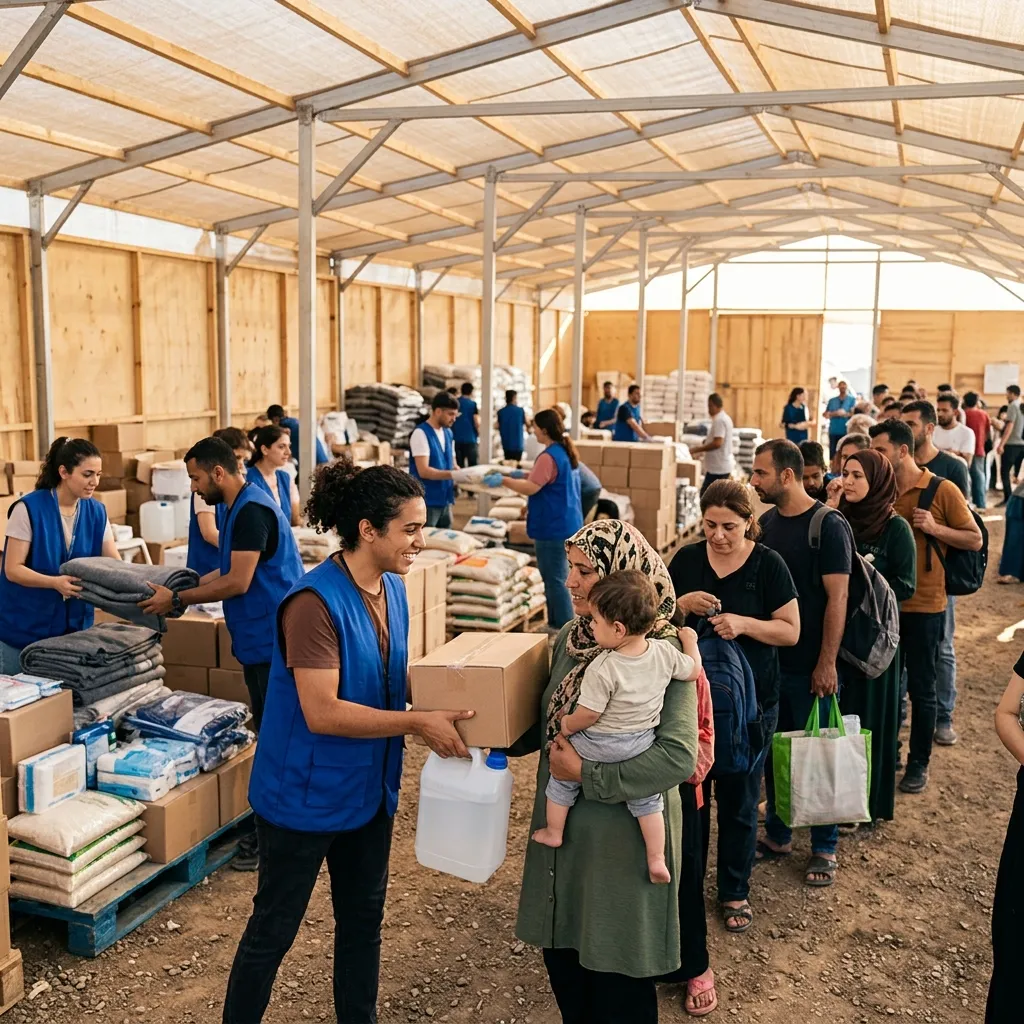
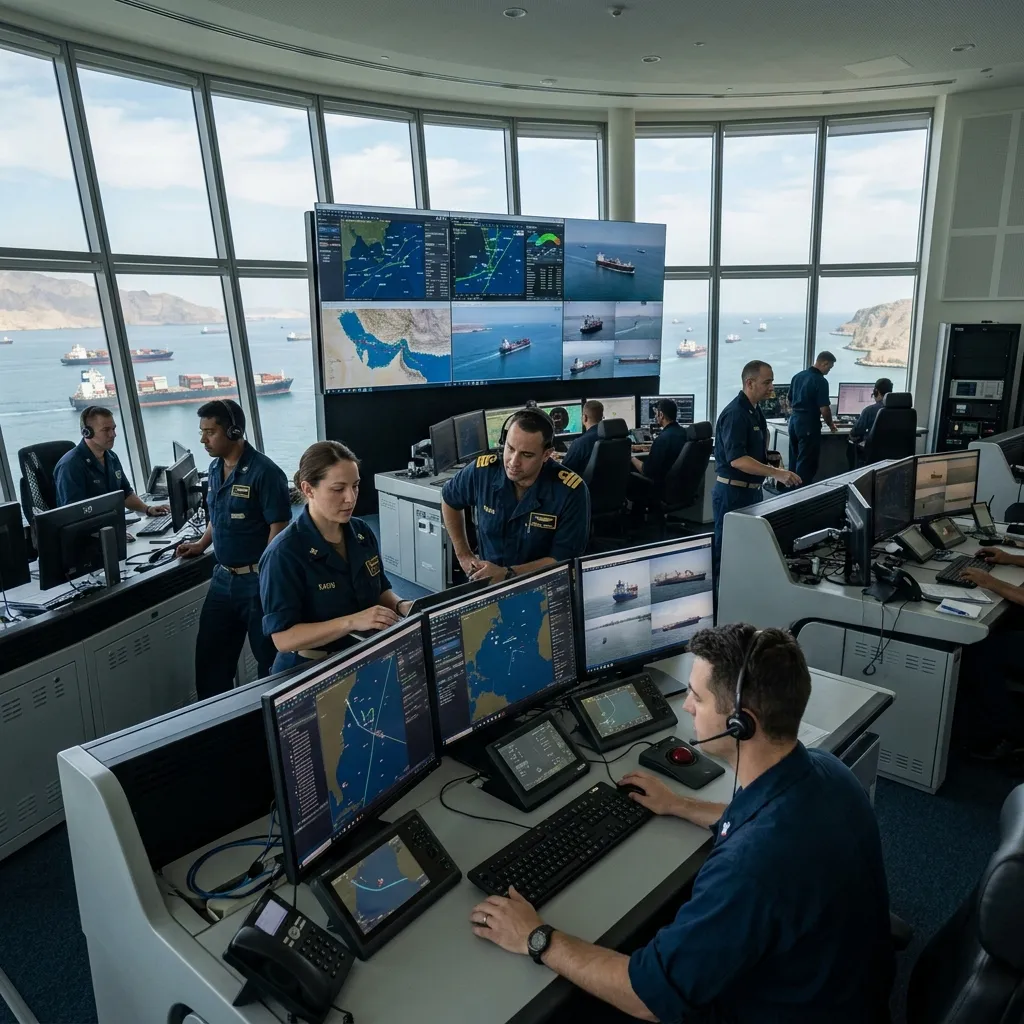
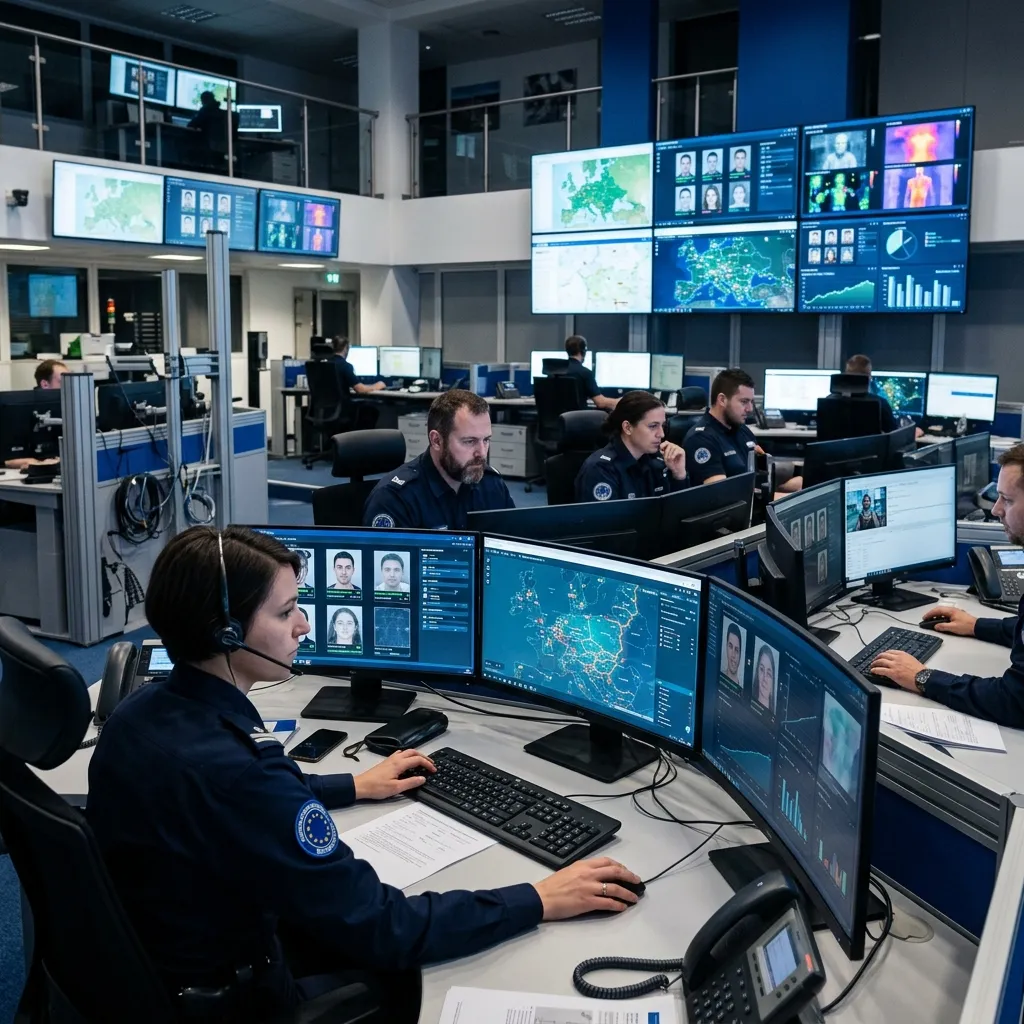
For the crews of the seized ships — sailors of multiple nationalities simply doing their jobs — the seizures meant indefinite detention, separation from their families, and the anguish of being pawns in a geopolitical game they had no way to control.
Tehran/Iran: Foreign Ministry spokesman Ismail Baghaei declared that "the seizures are a legitimate response to the illegal and criminal US blockade of Iranian ports. As long as the US violates the conditions of the ceasefire, Iran will exercise its sovereign rights in the Strait of Hormuz."
Washington/US: US Central Command (CENTCOM) issued a statement saying that "Iranian attacks on civilian ships in the Strait of Hormuz are an act of piracy and a direct violation of international law. The United States will not allow interference with freedom of navigation." Defense Secretary Pete Hegseth held an emergency meeting with the Joint Chiefs to assess response options.
Shipping industry: The main international shipowners' association issued a red alert for the Strait of Hormuz, recommending that all ships avoid the route. Several major shipping companies announced immediate diversions via the Cape of Good Hope — adding 10 to 14 days of travel time and additional costs of hundreds of thousands of dollars per vessel.
Geopolitical analysts: Trita Parsi of the Quincy Institute for Responsible Statecraft stated that "the ship seizures are exactly what one would expect when two countries enter a retaliation spiral without effective direct communication. Neither side wants a full-scale war, but both are taking actions that could trigger one."
With the April 22 seizures, the US-Iran conflict entered its most dangerous phase. The options available to both sides are:
Option 1 — Negotiated de-escalation: The US suspends the naval blockade in exchange for the release of the ships and crews. Iran lifts restrictions on the Strait of Hormuz. Both sides return to the negotiating table. This option requires both sides to accept some form of "shared victory" allowing each to claim they didn't capitulate — an enormous political challenge.
Option 2 — American military response: The US sends additional forces to the Persian Gulf and conducts operations to free the seized ships. This would virtually end the ceasefire and place the two nations on the path to open military confrontation — with unpredictable consequences for oil prices and global stability.
Option 3 — Tense status quo: Neither side acts decisively. The ships remain in Iranian custody while indirect negotiations take place. Ambiguity persists, markets remain volatile, and the world waits for the next move from either side.
The seizure of the MSC-Francesca and Epaminondas on April 22, 2026 was not merely an act of geopolitical piracy. It was a signal that the Strait of Hormuz — and with it, the global economy — is increasingly at the mercy of decisions made in Tehran and Washington.
The oil that heats homes in Europe, fuels cars in Brazil, and drives factories in China passes through a 33-kilometer corridor guarded by two countries in open conflict. And with each captured ship, the world learns — or should learn — that energy interdependence is both a source of cooperation and a vector for catastrophic vulnerability.
Iran's decision to use the Strait of Hormuz as a geopolitical pressure instrument in 2026 didn't arise from a vacuum. It is the latest point of a long history of using — and threatening to use — the strait as a coercion weapon.
Historical Precedents
Iran has threatened to close the Strait of Hormuz on multiple occasions over the past four decades, generally in response to economic or military pressure from the US and its allies. In 2012, during the escalation of international sanctions over the Iranian nuclear program, Tehran threatened to block the strait if Iranian oil exports were sanctioned. In 2019, during the "maximum pressure" of the first Trump administration, an oil tanker was attacked and an American aircraft shot down, raising tensions to the most critical point since the Gulf War.
In none of these cases did Iran actualize a total blockade of the strait — partly because the economic costs for Iran itself would be devastating, partly because a total blockade would be an act of war that would summon direct American military response.
What Iran practiced in 2026 is more subtle: not a total blockade, but selective restrictions, targeted seizures, and warning shots that create sufficient uncertainty to raise insurance costs and divert routes — without crossing the threshold that would require direct American military response.
Iran's Economic Calculation
For Iran, the "strait weapon" has a specific cost-benefit logic. The country knows that total blockade is unfeasible because it would damage Iran's own economy and invite war. Partial restrictions and targeted seizures create pressure without crossing the war threshold. Each day of uncertainty in the strait costs the global economy billions of dollars — and the US is politically held responsible by voters for gasoline prices. The pressure lever can be maintained indefinitely as long as the American naval blockade of Iranian ports continues.
It's a strategy of "asymmetric pain": Iran inflicts global economic damage through relatively low-cost actions for itself, while the US faces the paradox that any military response to Iran would further deepen global energy instability.
The Future of Hormuz in an Energy Transition World
The ship seizures in April 2026 arrive at a moment of global energy transition. The profound irony is that while governments and corporations worldwide increase investments in renewable energy and plan the transition to net-zero economies, the planet is still so dependent on oil — and maritime routes like Hormuz — that a confrontation between two countries can create global supply crises within days.
The energy transition, when complete, will make the Strait of Hormuz less strategically critical. But that future is still decades away for most of the global economy. In 2026, oil still fuels planes, ships, trucks, industries, and heating systems worldwide. And as long as it does, whoever controls the chokepoints of oil flow controls a lever of power over the entire global economy.
The Navies of the World at Hormuz
The strait in 2026 became an unprecedented concentration point of naval power. US Central Command (CENTCOM) maintained destroyer and warship presence in the region. The European Union had deployed frigates under a commercial ship escort operation created after the February incidents. China, as the largest importer of Iranian oil, maintained escort ships discreetly present — without publicity but with real presence.
This concentration of naval power in a reduced geographic space is inherently unstable. An accident, a misunderstanding, or an unintentional escalation can quickly produce consequences that none of the parties desire. The history of naval conflicts is full of "accidental" incidents that started wars no one planned.
On April 22, 2026, the world was one "misunderstanding" away from a naval incident that could change the trajectory of the 21st century. The seized ships were a symptom of this proximity — not a contained anomaly, but a warning about what happens when geopolitical tension concentrates in physically constrained maritime spaces.
The 33 kilometers of the Strait of Hormuz are, in 2026, the most strategically valuable corridor on the planet — more than any land border, any port, any city. And as long as the world hasn't completed the energy transition that makes it unnecessary, it will continue being the stage for crises that originate in Tehran and Washington but whose effects are felt in cities around the world.
The crews of the seized vessels, meanwhile, remained at the mercy of negotiations between governments — pawns in a geopolitical game they had no part in creating, waiting in Iranian custody for decisions that would be made in capitals thousands of miles away. Their experience is the most human face of abstract geopolitical conflicts: real people, real families, real lives interrupted by the vast and impersonal machinery of state-level confrontation.